Fortress of Saint James of Sesimbra
The Fortress of Saint James of Sesimbra, also known as the Fortress of Santiago, is a significant example of a 17th-century bastioned fortress located in the parish of Santiago, within the coastal town and municipality of Sesimbra, in the Setúbal District of Portugal. Its strategic position on the Atlantic coast allowed it to serve as a crucial defense point against naval threats during the turbulent periods of the Portuguese Restoration War and beyond.
Historical background and origins
The fortress was constructed between 1642 and 1648 during the Renaissance period, specifically in the context of the Portuguese Restoration War (1640–1668), when Portugal sought to regain independence from Spanish rule. It was built on the foundations of an earlier 16th-century Manueline fortification, reflecting the evolution of military architecture in response to advancements in artillery and siege warfare.
The original Manueline fort, dating from the early 1500s, was part of a network of coastal defenses established to protect Portuguese maritime interests and fishing communities from pirate attacks and enemy incursions. The decision to upgrade and expand the fort into a bastioned fortress was driven by the need to withstand cannon fire and to provide overlapping fields of fire with its bastions.
Architectural design and features
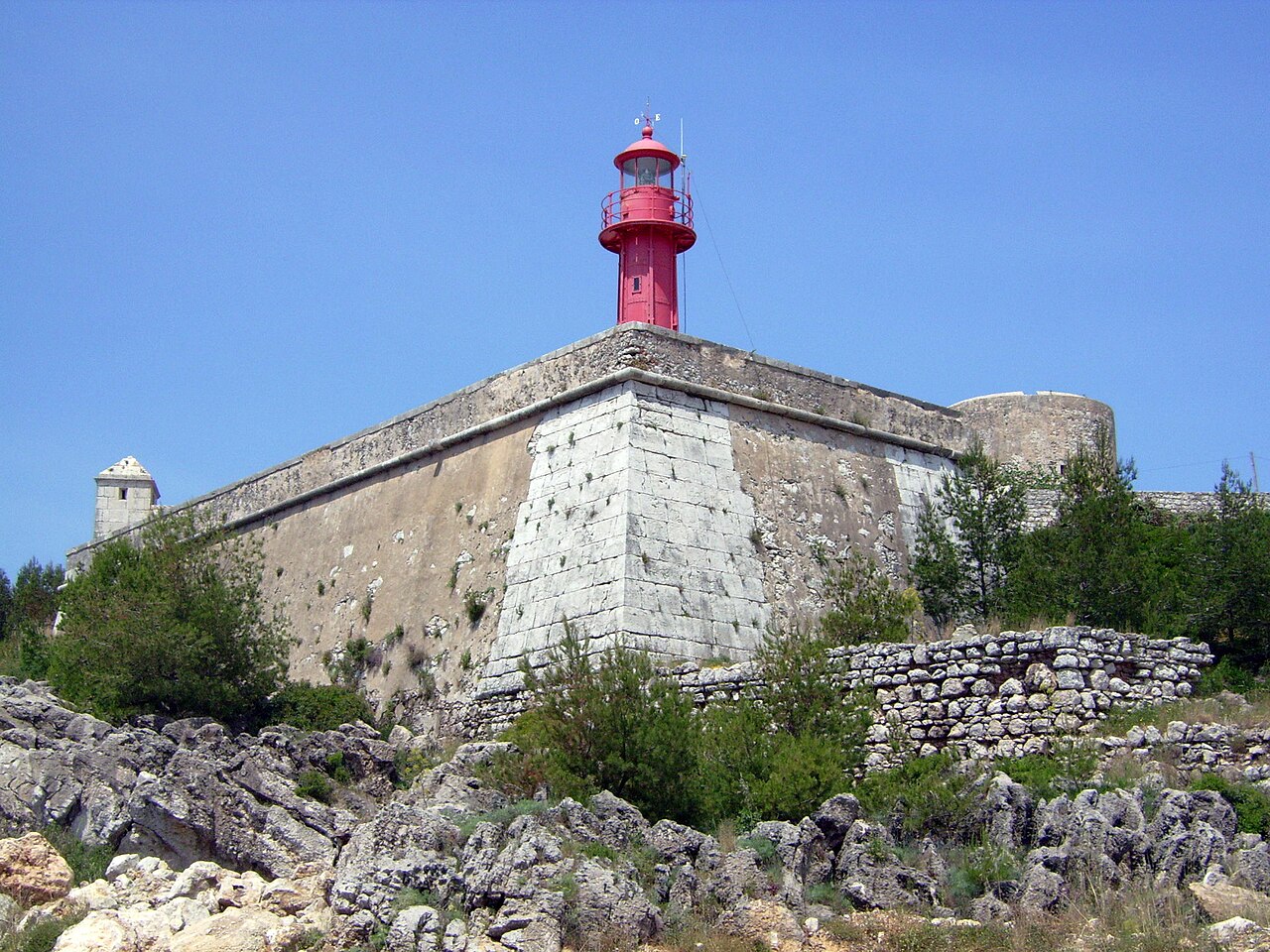
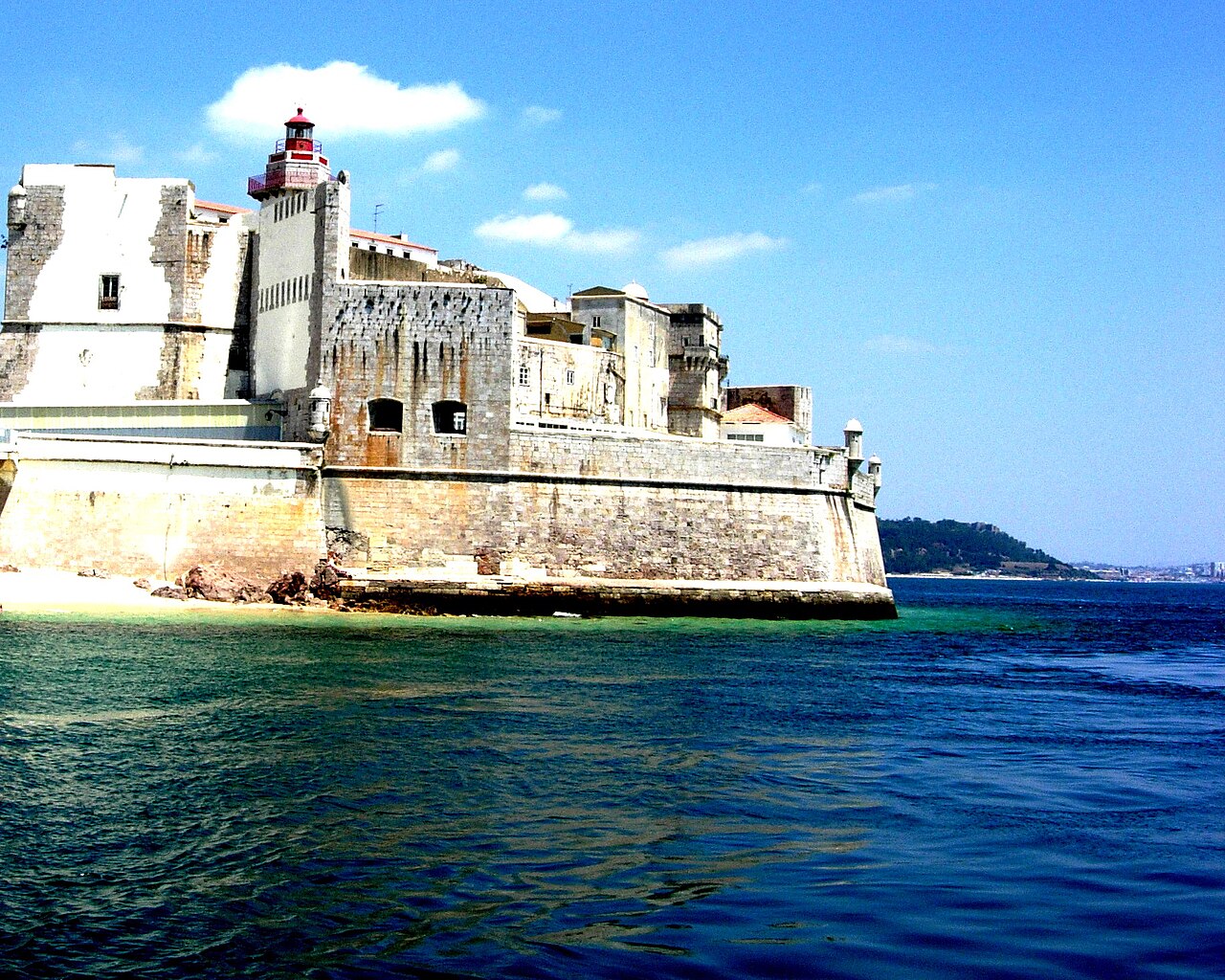
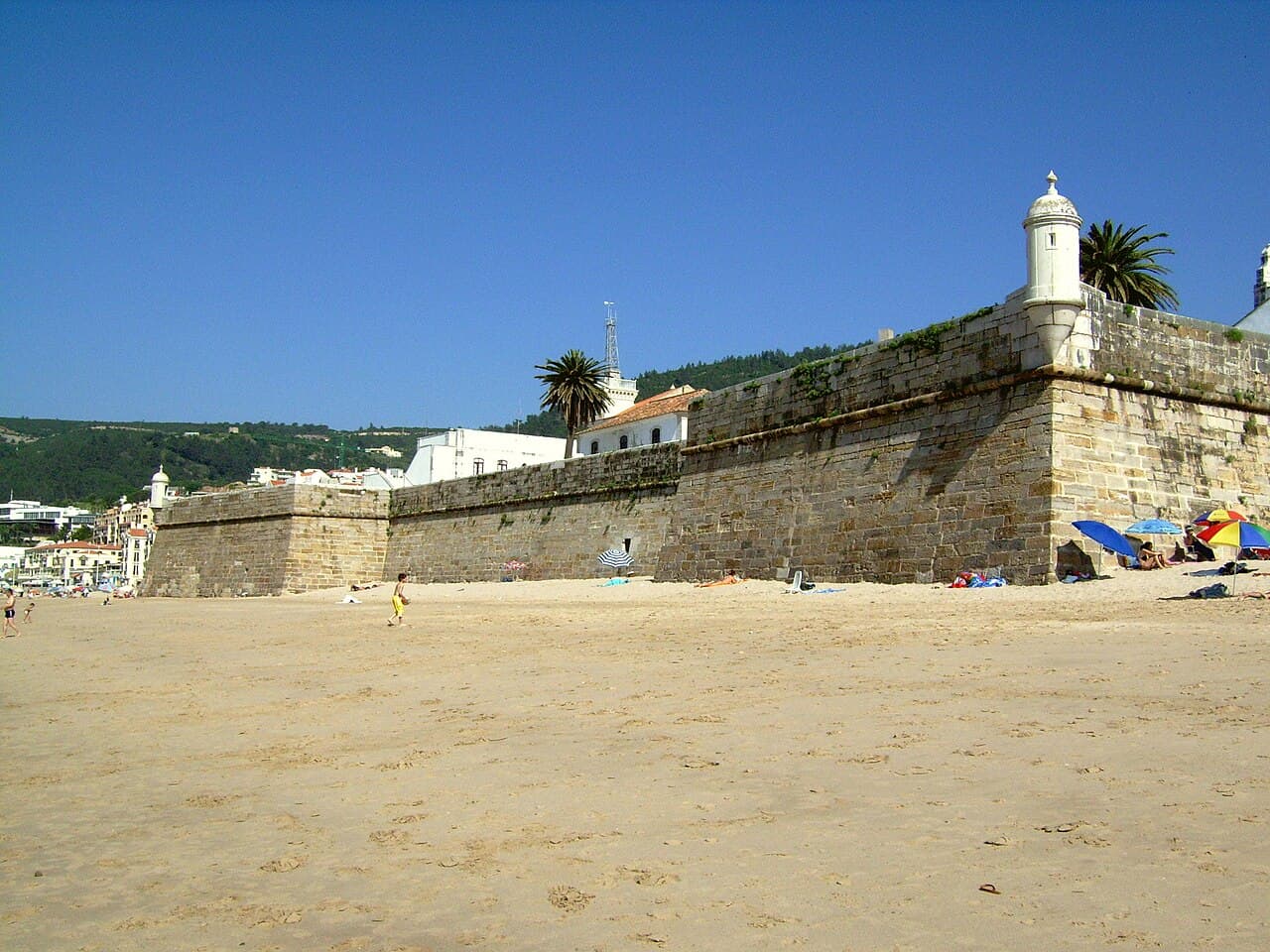
The Fortress of Saint James of Sesimbra exemplifies the bastioned fortress style, characterized by angular bastions designed to eliminate blind spots and improve defensive coverage. Its layout includes a polygonal curtain wall with four bastions at the corners, allowing defenders to cover all approaches with cannon and musket fire.
The fortress's walls are constructed from local stone and lime mortar, with thick ramparts designed to absorb and deflect artillery fire. The bastions are connected by curtain walls with walkways for soldiers, and the interior contains barracks, a chapel, storage rooms, and cisterns for water supply.
Access to the fortress is through a heavily fortified gatehouse, often equipped with a drawbridge or portcullis in earlier phases, though later modifications may have altered these features. The design reflects Renaissance military engineering principles influenced by Italian and Dutch fortification styles, adapted to the Portuguese coastal context.
Role in regional defense and military history
Throughout its operational history, the fortress played a vital role in defending the Setúbal coastline from Spanish forces during the Restoration War and later from pirate raids and foreign naval threats. Its position allowed control over the bay of Sesimbra and served as a lookout post for incoming ships.
After the 17th century, the fortress continued to be maintained and upgraded to meet evolving military needs, though its strategic importance declined with the advent of modern naval technology and changes in warfare.
Preservation and current status
Today, the Fortress of Saint James of Sesimbra is well preserved and serves as a cultural landmark and tourist attraction. Restoration efforts have maintained its structural integrity and historical authenticity, allowing visitors to explore its bastions, ramparts, and internal chambers.
The fortress hosts exhibitions and cultural events that highlight its historical significance and the broader maritime heritage of Sesimbra. Its location offers panoramic views of the Atlantic Ocean and the surrounding coastline, making it a popular destination for history enthusiasts and tourists alike.
Architectural significance and heritage value
The fortress is a notable example of Renaissance military architecture in Portugal, illustrating the adaptation of bastioned fortification principles to coastal defense. Its preservation provides insight into 17th-century defensive strategies and the technological responses to artillery warfare of the period.
As part of the cultural heritage of Sesimbra and the Setúbal District, the fortress contributes to understanding the region's historical maritime importance and the evolution of Portuguese coastal fortifications.
Frequently asked questions (FAQ)
- What is the historical significance of the Fortress of Saint James of Sesimbra?
- The Fortress of Saint James of Sesimbra, built in the late 16th century, played a crucial role in defending the region against pirate attacks and invasions. It stands as a testament to Portugal's military history and architectural ingenuity during the Manueline period.
- When was the Fortress of Saint James of Sesimbra constructed?
- Construction of the fortress began in 1550 and was completed in 1580. It was strategically built to protect the coastal town of Sesimbra and its valuable fishing and shipping routes.
- Can I visit the Fortress of Saint James of Sesimbra?
- Yes, the fortress is open to visitors, allowing you to explore its historical grounds and enjoy panoramic views of the surrounding coastline. It is a popular destination for both history enthusiasts and casual tourists.
- What are the opening hours for the Fortress of Saint James of Sesimbra?
- The fortress typically opens daily from 9:00 AM to 6:00 PM, with extended hours during the summer months. It is advisable to check the official website for any seasonal changes or holiday schedules before your visit.
- Is there an entrance fee to visit the fortress?
- Yes, there is a small entrance fee to access the Fortress of Saint James of Sesimbra. The ticket prices are generally affordable, making it accessible for families and individuals looking to learn more about the region's history.
- What is the best time to visit the Fortress of Saint James of Sesimbra?
- The best time to visit is during the spring (April to June) and fall (September to October) when the weather is mild and the tourist crowds are smaller. These seasons provide a comfortable climate for exploring the fortress and the surrounding area.
- How accessible is the Fortress of Saint James of Sesimbra?
- The fortress is situated on a hill, which may present some challenges for visitors with mobility issues. However, there are pathways and steps leading up to the main areas, so it's recommended to wear comfortable shoes and take your time.
- Are there any nearby attractions to visit while in Sesimbra?
- Yes, while visiting the fortress, you can also explore the beautiful beaches of Sesimbra, the picturesque fishing village, and the nearby Arrábida Natural Park. These attractions offer a perfect blend of relaxation and outdoor activities for all types of visitors.
Photo gallery

Photo by No machine-readable author provided. Sacavem assumed (based on copyright claims).•Public domain
Information
Loading map...
Visitor reviews
No reviews yet. Been here? Write the first review and help other travelers!
Write the first reviewVisited this castle? Share your experience
Your review helps other travelers and adds first-hand knowledge to our encyclopedia.