Castelo de São Filipe
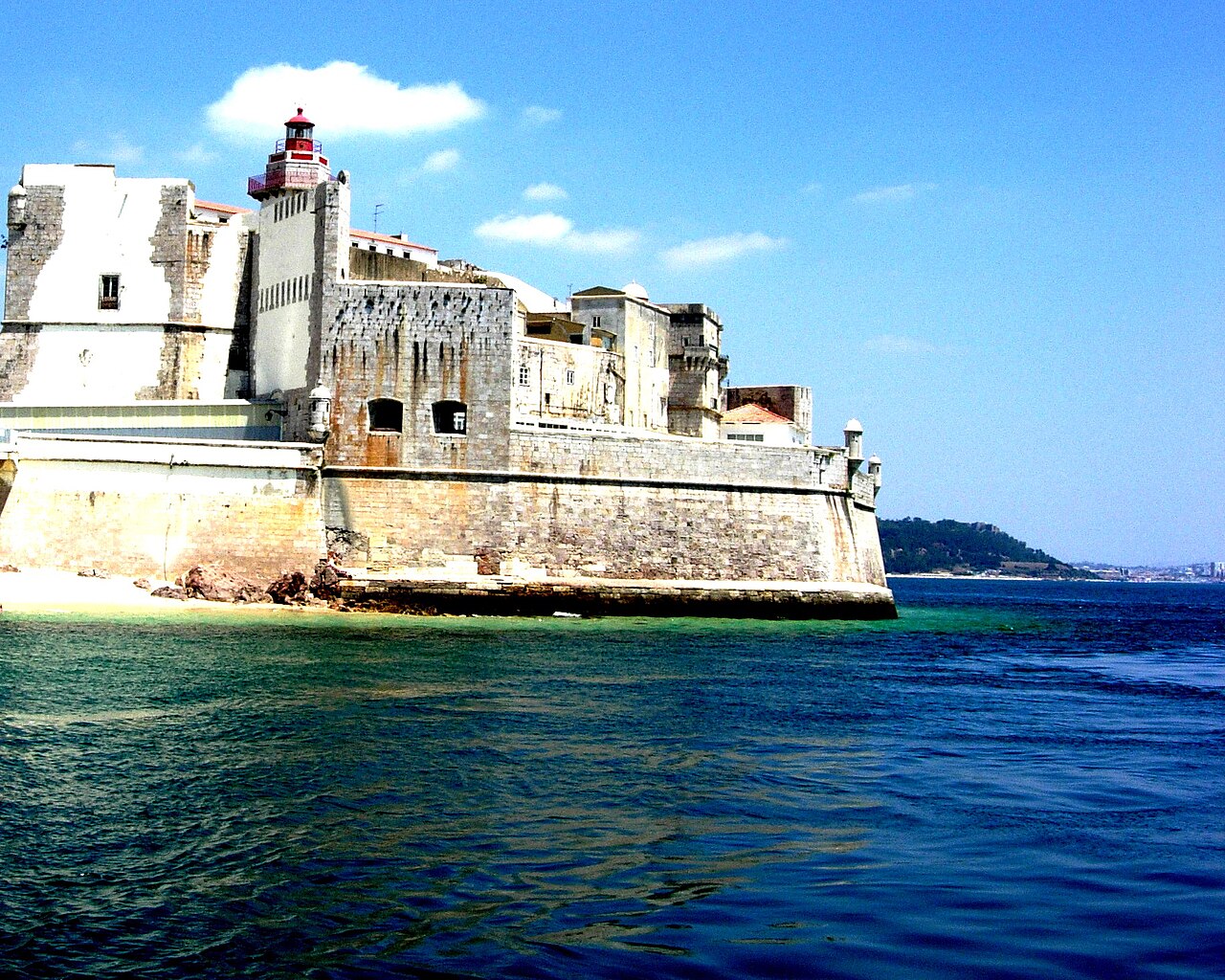
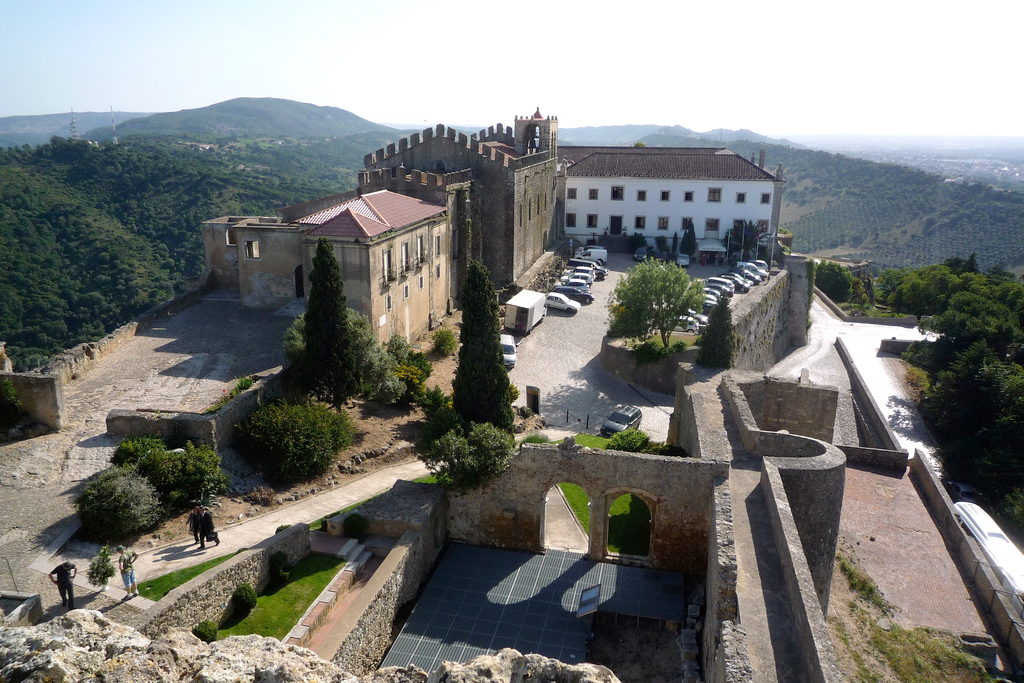
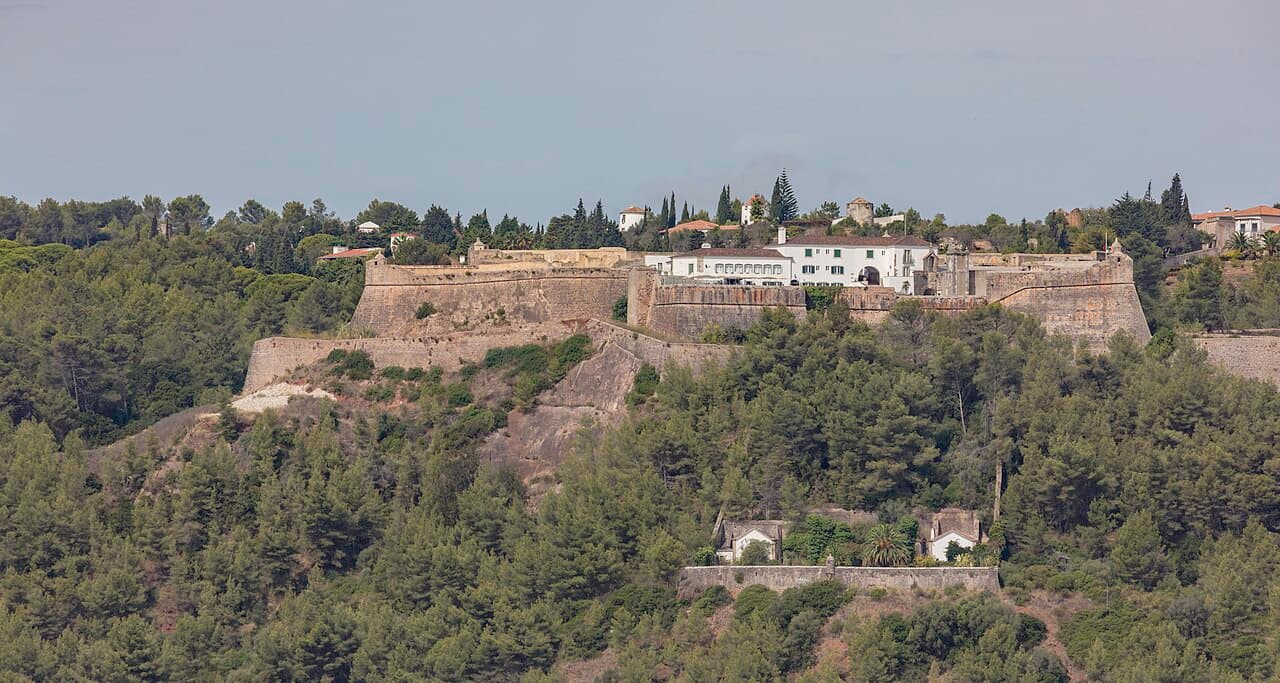
Castelo de São Filipe stands as a remarkable example of military architecture perched on a hill overlooking the city of Setúbal in Portugal. This fortress commands a strategic position guarding the mouth of the Sado River and the adjacent Atlantic coastline, reflecting centuries of defensive efforts to protect the region from maritime threats. Its imposing star-shaped design and bastioned fortifications highlight the evolution of military engineering during the late 16th century and beyond.
The site of Setúbal has been a focal point of human occupation since prehistoric times, with notable settlements by the Phoenicians, Carthaginians, Romans, and later Muslim rulers. Defensive measures in the area began in earnest during the 14th century, when King Afonso IV initiated the construction of protective town walls, completed under King Pedro I. These early fortifications were designed to shield the settlement from frequent raids by North African pirates and corsairs, emphasizing the strategic importance of Setúbal as a coastal port.
Construction and design of the fortress
The current form of Castelo de São Filipe largely dates to the late 16th century, during the period of the Iberian Union when Portugal and Spain were united under one crown. The fortress's cornerstone was laid in 1582 by King Philip II of Spain (also Philip I of Portugal), marking a significant investment in coastal defense. The design was entrusted to the Italian military engineer Filippo Terzi, whose expertise in fortification architecture guided the construction until his death in 1597. His successor, Leonardo Torriani, completed the fortress by 1600.
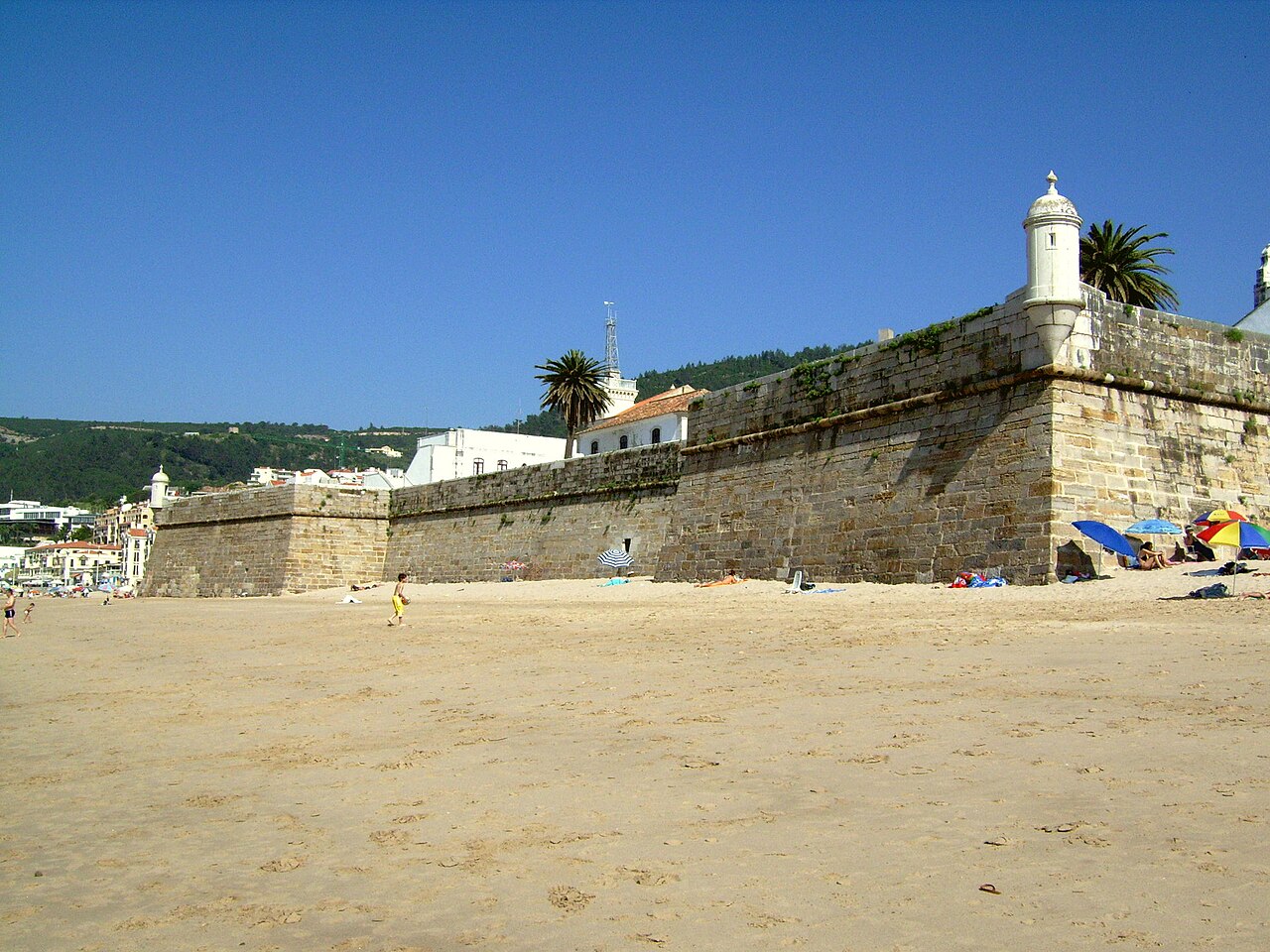
The fortress features a distinctive star-shaped layout with six points and bastions, adapted to the irregular terrain of the hill it occupies. This configuration was refined by Captain Fratino to maximize defensive coverage and artillery fields of fire. The fort’s walls are constructed from robust stone masonry and brick, with exteriors faced in finely cut ashlar stone blocks to resist both military assault and the harsh coastal environment.
Architectural features and defensive elements
Each bastion corner is marked by prism-shaped sentry boxes topped with rounded domes, serving as lookout posts for vigilant surveillance. The main entrance is located on the western side, flanked by two bastions, leading visitors through an atrium and into a vaulted stone tunnel. This tunnel contains a broad staircase arranged in two flights with a landing, from which a series of casemates—small chambers used for artillery and defense—can be accessed. These casemates are part of the lower battery added in the mid-17th century under Governor João de Saldanha, enhancing the fort’s firepower over the river approach.
Service buildings are situated along the ramparts at the tunnel's end, including the Command House, once the governor’s residence, largely destroyed by fire in the 19th century. The fortress chapel is dedicated to Saint Philip, featuring a rectangular interior covered by a barrel vault. Its portal is ornately decorated with a pediment adorned with volutes, and a bell tower framed by pilasters rises above it.
The chapel and artistic heritage
The chapel’s interior is renowned for its complete coverage with blue and white azulejos, Portuguese ceramic tiles illustrating scenes from the life of Saint Philip. These tiles were crafted in 1736 by Policarpo de Oliveira Bernardes, a prominent figure in Portuguese ceramic art, adding cultural and religious significance to the fortress.
Historical significance and military role
Throughout its history, Castelo de São Filipe played a critical role in defending Setúbal and its harbor against various threats. The fortress was actively enhanced during the Portuguese Restoration War (1640–1668), when Portugal regained independence from Spain. The addition of the lower battery between 1649 and 1655 improved artillery coverage, particularly guarding the river entrance vital for the town’s security.
The fortress suffered damage during the catastrophic 1755 Lisbon earthquake but continued to serve military functions. In the 18th century, it was used as an artillery school during the Pombaline reforms, reflecting its ongoing strategic importance. The 19th century saw a devastating fire that destroyed key parts of the complex, including the Command House.
Modern era and conservation efforts
In the 20th century, Castelo de São Filipe underwent extensive conservation and restoration under the auspices of the Directorate-General for Buildings and National Monuments (DGEMN), beginning in the 1940s. The fortress was adapted into a historic hotel in the 1960s, attracting visitors interested in its rich history and commanding views. Despite further earthquake damage, repairs allowed the site to remain functional until structural concerns led to the hotel’s closure in 2014.
Since 2017, the fortress has been managed by the municipality of Setúbal, which has opened parts of the site to the public while maintaining restricted access to some areas for safety. The fortress remains a significant cultural landmark, offering panoramic views across the Sado estuary and the surrounding landscape, and stands as a testament to the region’s military and architectural heritage.
Architectural layout and visitor experience
The fortress’s star-shaped design with six bastions and a secondary landward wall exemplifies the trace italienne style adapted to local topography. Visitors entering through the western gate experience the spatial progression from the atrium through the vaulted tunnel to the ramparts, exploring the casemates and artillery positions that once defended the harbor.
The combination of military architecture, religious art, and historical layers makes Castelo de São Filipe a unique site for those interested in the evolution of fortifications and Portuguese history. The preserved walls, moat, and counter-wall illustrate a comprehensive defensive system designed to withstand both land and sea attacks.
From its elevated vantage point, the fortress offers sweeping views of the Atlantic Ocean, the Sado River estuary, and the city of Setúbal, underscoring its strategic importance. This makes it not only a monument of military history but also a cultural and touristic highlight in the region.
Frequently asked questions (FAQ)
- How do I get to Castelo de São Filipe in Setúbal?
- Castelo de São Filipe is located on a hill above Setúbal city center. Visitors can reach the fortress by car or on foot via marked trails from the town, offering scenic views along the way.
- What is the historical significance of Castelo de São Filipe?
- The fortress played a key role in defending Setúbal and its harbor from maritime threats since the late 16th century. It was built during the Iberian Union and enhanced during the Portuguese Restoration War, reflecting Portugal's military history.
- Can I visit the chapel inside Castelo de São Filipe?
- Yes, the chapel is accessible to visitors and is notable for its blue and white azulejos depicting scenes from Saint Philip's life, created by Policarpo de Oliveira Bernardes in 1736.
- When is the best time to visit Castelo de São Filipe?
- The fortress is open daily from 10:00 to 18:00. Spring and autumn offer pleasant weather and fewer crowds, making these seasons ideal for visiting.
- Is Castelo de São Filipe suitable for families and children?
- Yes, the fortress offers spacious outdoor areas and historical exhibits that can engage visitors of all ages. However, some areas may have uneven surfaces, so supervision is advised for young children.
- Are there guided tours available at Castelo de São Filipe?
- Guided tours are occasionally offered by the municipality or local cultural organizations. Visitors should check in advance for availability and scheduling.
Photo gallery

Information
Opening hours
10:00-18:00, daily
Ticket prices
€5 adult, €3 child
Current owner
Municipality of Setúbal
Website
Visit websiteSources & official resources
Verify the information above using these authoritative references.
Loading map...
Visitor reviews
No reviews yet. Been here? Write the first review and help other travelers!
Write the first reviewVisited this castle? Share your experience
Your review helps other travelers and adds first-hand knowledge to our encyclopedia.