Fort of Planoise
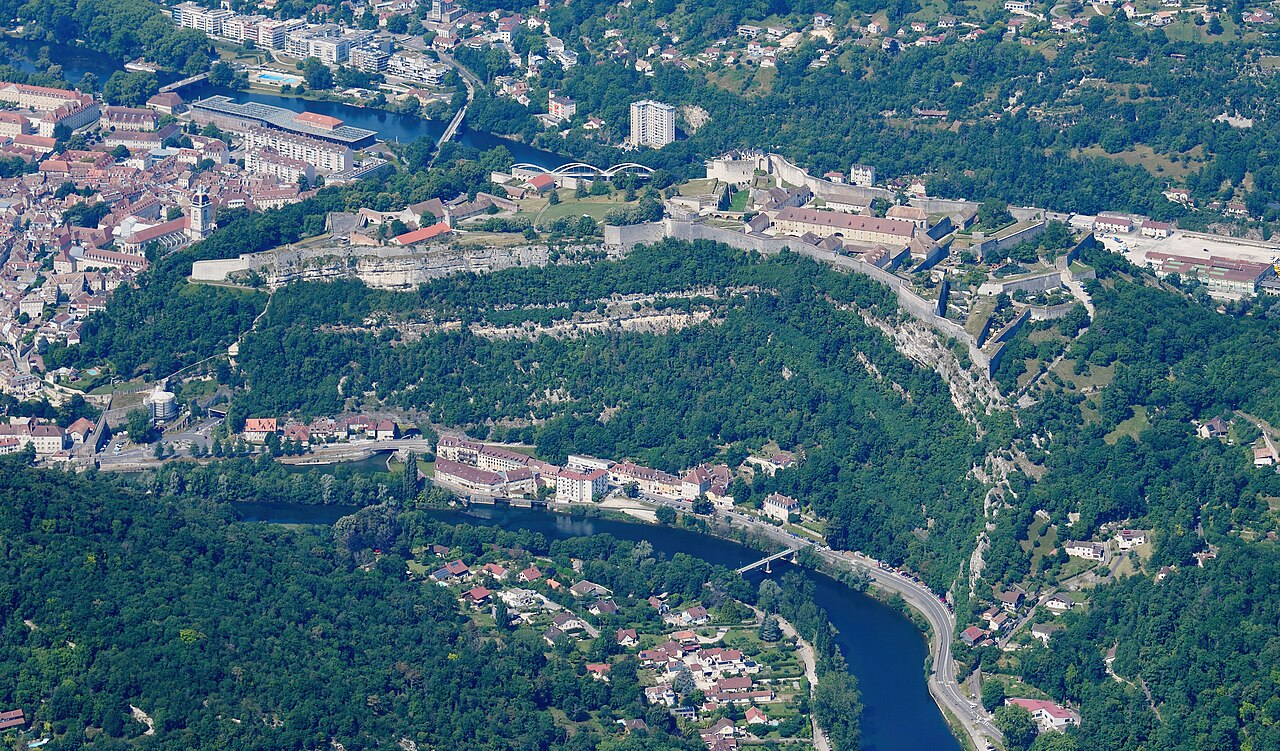
The Fort of Planoise is a significant bastioned fortress located on the summit of the hill of Planoise in Besançon, within the Franche-Comté region of France. Constructed in the 19th century during the period classified as Modern, this fortification was part of a broader network of defensive works designed to protect the city of Besançon, which has long been recognized for its strategic military importance due to its position near the Jura Mountains and the border regions.
Historical context and strategic importance
The fort was built in response to evolving military technologies and geopolitical tensions in the 19th century, particularly following the Napoleonic Wars and during the era of rapid advances in artillery and fortification design. Besançon, with its natural defensive advantages, was fortified extensively to serve as a stronghold against potential invasions. The Fort of Planoise was strategically placed on the highest point of the Planoise hill, providing commanding views over the surrounding landscape and the city below, which allowed for effective surveillance and defense.
Architectural features and design
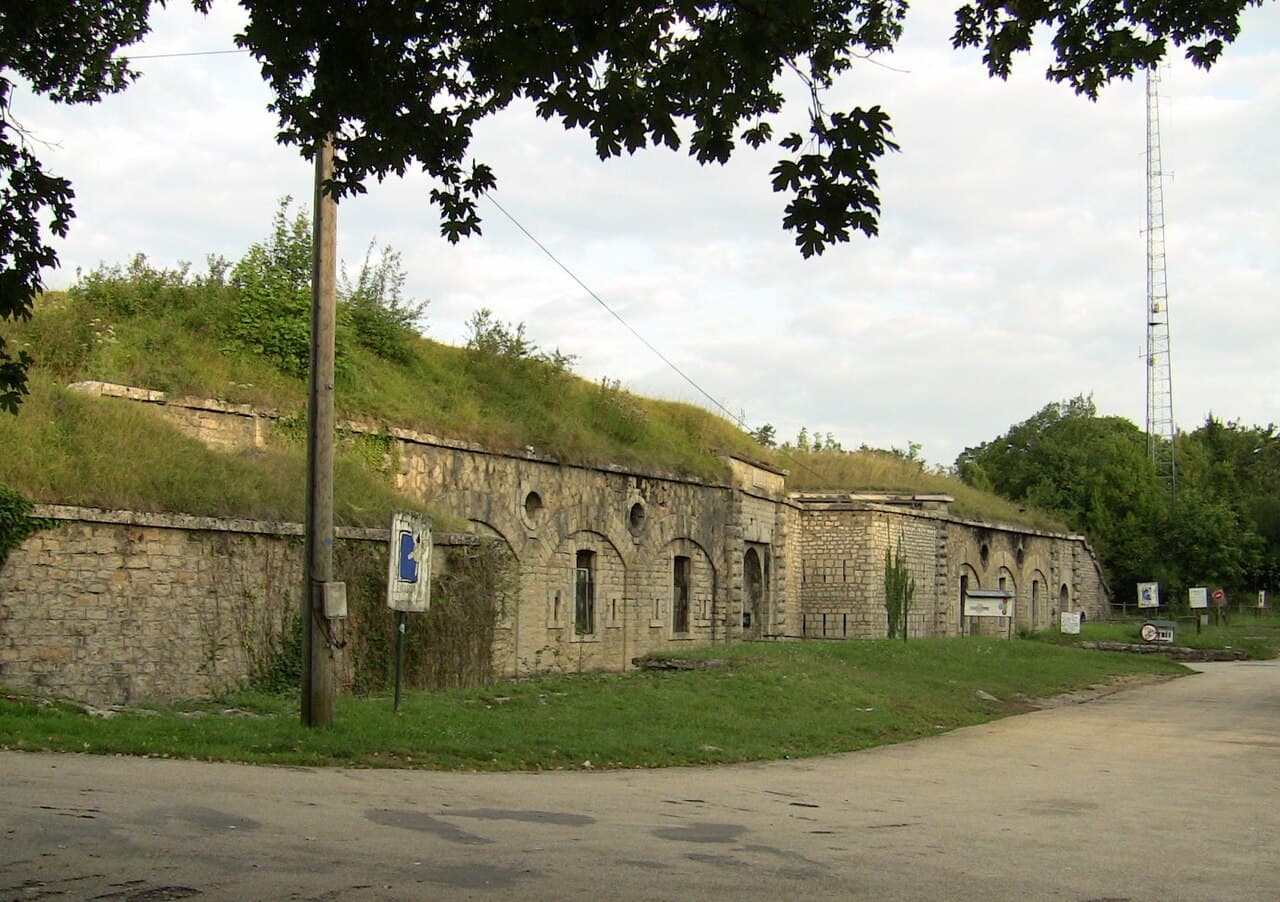
The fort exemplifies the characteristics of a bastioned fortress, a style that emerged in the early modern period and was adapted throughout the 19th century. This type of fortification is marked by angular bastions protruding from the main walls, designed to cover adjacent bastions and curtain walls with defensive fire, eliminating blind spots. The Fort of Planoise incorporates these elements, with thick, sloped walls built to withstand artillery bombardment. The layout includes defensive ditches and earthworks that absorb and deflect cannon fire, enhancing the fort's survivability.
Internally, the fort would have contained barracks, ammunition storage, and command posts, arranged to support a garrison capable of sustained defense. Though specific architectural details such as the designer's identity or unique construction techniques are not widely documented, the fort's design aligns with the principles of 19th-century military engineering influenced by the ideas of Vauban and later fortification theorists.
Role during the World Wars
Despite its strategic location and robust construction, the Fort of Planoise was not actively engaged in combat during either World War I or World War II. Advances in military technology and changes in warfare tactics rendered many traditional fortifications less effective on the modern battlefield. Consequently, the fort did not see direct action but remained a part of the defensive network around Besançon.
Current status and preservation
Today, the Fort of Planoise stands as a well-preserved example of 19th-century military architecture. Although no longer used for military purposes, it remains a point of historical interest in the region. Its location on the hill offers panoramic views and serves as a cultural landmark for visitors and locals alike. Preservation efforts focus on maintaining the structural integrity of the bastions, walls, and earthworks, allowing the fort to serve educational and recreational roles.
Visiting information and cultural significance
The fort is accessible to the public, often visited by those interested in military history, architecture, and panoramic vistas of Besançon and its surroundings. It contributes to the understanding of France's military heritage and the evolution of fortification design. The site also highlights the strategic importance of Besançon through various historical periods, from the early modern era to the 20th century.
Frequently asked questions (FAQ)
- How do I get to Fort of Planoise?
- Fort of Planoise is located just outside of Besançon, France, and can be easily reached by car or public transport. If you're arriving by train, the nearest station is Besançon Franche-Comté TGV, from where you can take a taxi or local bus to the fort.
- What is the historical significance of Fort of Planoise?
- Constructed in the 17th century, Fort of Planoise played a critical role in the defense strategy of the region, particularly during the wars between France and Spain. The fort is a testament to military architecture of the time and is recognized as a key historical monument in Besançon.
- When was Fort of Planoise built?
- Fort of Planoise was built between 1668 and 1675 under the orders of Vauban, a prominent military engineer. The fortification was designed to strengthen the defenses of Besançon and has since become a symbol of the city’s rich military history.
- Can I visit Fort of Planoise?
- Yes, Fort of Planoise is open to visitors, allowing you to explore its historic walls and learn about its past. Guided tours are available, offering insights into the fort's architecture and historical significance.
- Why is Fort of Planoise an important architectural site?
- Fort of Planoise is an exceptional example of 17th-century military architecture, showcasing the innovative designs of Vauban. Its well-preserved structures and strategic location provide a fascinating glimpse into the fortification techniques used during that era.
- Is it possible to access Fort of Planoise with limited mobility?
- While efforts have been made to improve accessibility at Fort of Planoise, some areas may pose challenges for visitors with limited mobility due to the fort's historical nature. It is advisable to contact the site in advance to inquire about specific accessibility options.
- What are the opening hours for Fort of Planoise?
- Fort of Planoise typically opens to visitors from April to October, with varying hours each month. It is recommended to check the official website or contact the fort directly for the most current opening hours before your visit.
- What is the ticket price for visiting Fort of Planoise?
- Ticket prices for Fort of Planoise are generally affordable, with discounts available for students and seniors. Children under a certain age may be admitted for free, so it's best to check the official site for the most up-to-date pricing information.
- What are some nearby attractions to Fort of Planoise?
- In addition to Fort of Planoise, visitors can explore the historical city of Besançon, including its UNESCO-listed Citadel, the Museum of Fine Arts, and the beautiful Doubs River. Each of these attractions offers a unique glimpse into the region's history and culture.
Photo gallery

Information
Loading map...
Visitor reviews
No reviews yet. Been here? Write the first review and help other travelers!
Write the first reviewVisited this castle? Share your experience
Your review helps other travelers and adds first-hand knowledge to our encyclopedia.