Besançon Fortress
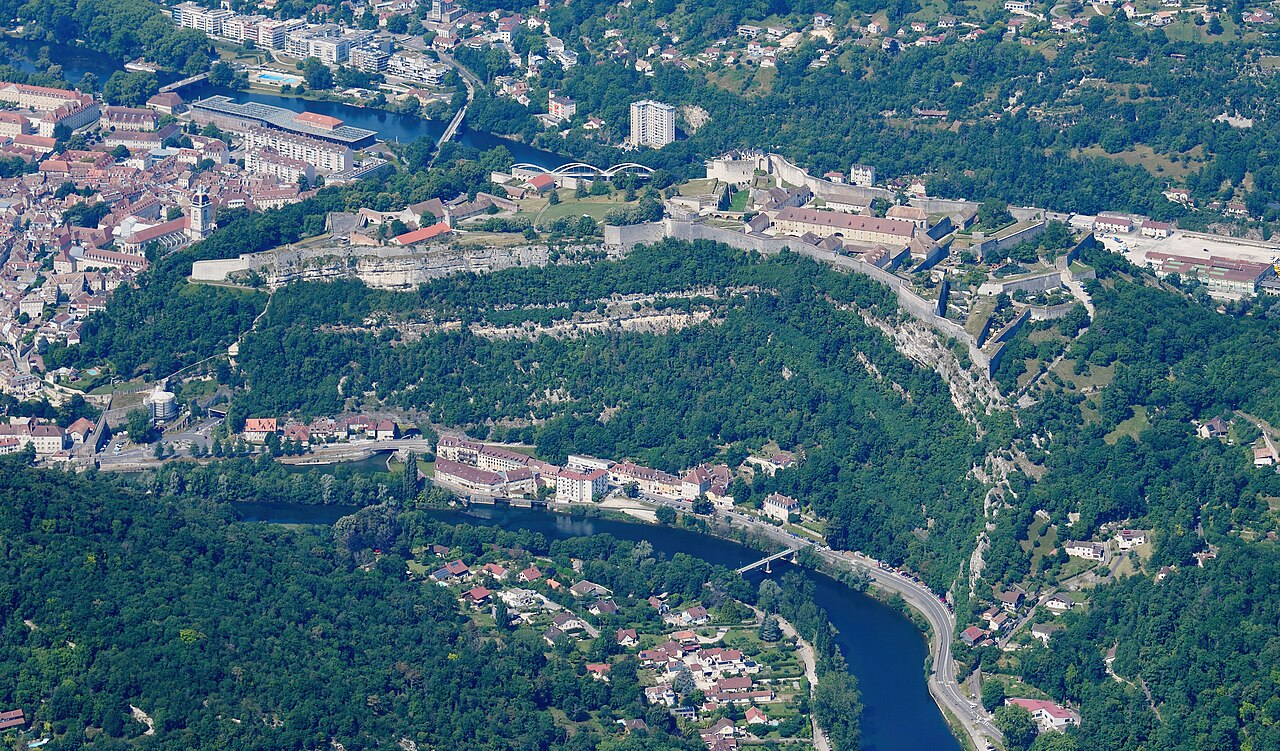
Besançon Fortress, also known as the Vauban Citadel of Besançon, is a remarkable example of 17th-century military architecture located in the city of Besançon, France. This fortress complex is renowned for its strategic position on Mont Saint-Étienne, dominating the oxbow bend of the Doubs River that encloses the historic town. It is recognized as a UNESCO World Heritage Site due to its outstanding design and historical significance, particularly as a masterpiece of the celebrated military engineer Sébastien Le Prestre de Vauban.
Historical context and construction
The fortress's origins lie in the turbulent political landscape of the late 17th century. In 1668, Louis XIV of France first conquered Besançon during the War of Devolution, but the city was soon returned to Spanish control under the Treaty of Aix-la-Chapelle. During this brief French occupation, Vauban was commissioned to survey and design fortifications for the city. However, it was the Spanish who initially constructed the main defensive stronghold known as la Citadelle, following closely the plans laid out by Vauban. This citadel was strategically placed to close the neck of the oxbow formed by the Doubs River, effectively controlling access to the town.
In 1674, French forces recaptured Besançon, and the city was formally ceded to France by the Treaty of Nijmegen in 1678. With the city now under French control, Vauban returned to oversee extensive enhancements and expansions to the citadel and the city's fortifications. This comprehensive construction phase extended until 1711, resulting in the imposing walls and bastions that still define the fortress today.
Architectural features of the citadel
The Citadel of Besançon is built atop a large syncline, a geological fold that provides a naturally defensible rectangular plateau. The fortress is structured with three successive bastions or defensive fronts crossing the width of the site, each backed by large courtyards or plazas. These bastions are connected by thick curtain walls that rise between 15 and 20 meters in height and measure 5 to 6 meters in thickness, designed to withstand artillery bombardment.
The walls are topped by circular patrol paths and punctuated by watchtowers and sentry posts, enabling comprehensive surveillance and defense. The fortress also features two dry moats that separate the inner and outer courts, creating layered defenses that would have been difficult for attackers to breach.
Surrounding forts and defensive network
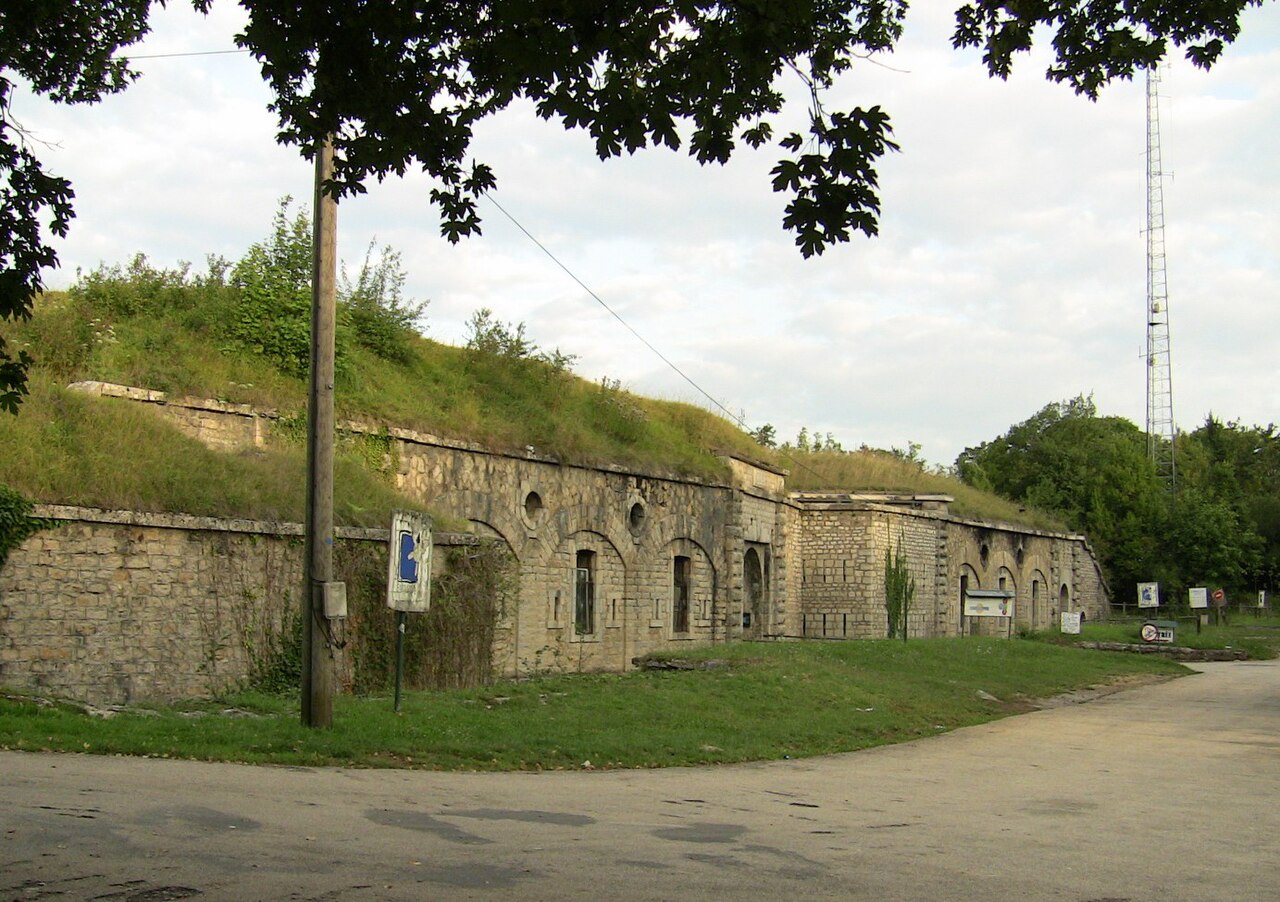
Besançon's defensive system extends beyond the citadel itself to include a series of forts positioned on the six hills encircling the city. These forts incorporate elements of Vauban's design principles and date back to the late 17th and early 18th centuries. Notable forts include:
- Fort de Trois Châtels
- Fort Chaudanne
- Fort du Petit Chaudanne
- Fort Griffon
- Fort des Justices
- Fort de Beauregard
- Fort de Brégille
Together, these forts formed a comprehensive defensive ring that protected Besançon from land-based attacks and controlled the surrounding terrain.
Modern adaptations and preservation
Today, the area between Besançon's train station and the city center features a complex system of moats originally designed for defense but now adapted to accommodate road traffic. The citadel itself remains a prominent landmark, especially when illuminated at night, showcasing the enduring legacy of Vauban's military engineering.
The fortress is well preserved and accessible to visitors, offering insights into Renaissance military architecture and the evolution of fortification design during a period of significant technological and political change in Europe.
Architectural style and significance
The fortress exemplifies Renaissance military architecture enhanced by Vauban's innovative concepts, which integrated natural topography with man-made defenses. Vauban's work at Besançon reflects his mastery in creating concentric defenses, layered bastions, and strategic use of moats and walls to create a formidable stronghold that influenced fortress design across Europe.
Besançon Fortress stands as a testament to the military and political history of the region, embodying the transition from medieval fortifications to modern bastioned fortresses designed to counter the increasing power of artillery.
Frequently asked questions (FAQ)
- What is the historical significance of Besançon Fortress?
- Besançon Fortress, also known as the Citadel of Besançon, is a UNESCO World Heritage site that dates back to the 17th century. Designed by the famous military architect Vauban, it played a crucial role in the defense of the region and showcases the military architecture of its time.
- When was Besançon Fortress built?
- Construction of the fortress began in 1668 and was completed in 1711. It was strategically built on a rocky outcrop overlooking the city of Besançon, making it an essential stronghold during various military conflicts.
- How do I get to Besançon Fortress?
- You can reach Besançon Fortress by taking public transportation, such as buses that run from the city center. Additionally, there are walking paths leading up to the fortress, providing a scenic hike with stunning views of the surrounding area.
- Is it possible to visit Besançon Fortress year-round?
- Yes, Besançon Fortress is open to visitors year-round, though hours may vary with the seasons. It's best to check the official website for the most up-to-date information on opening hours and any special events.
- What are the ticket prices for visiting Besançon Fortress?
- Ticket prices for Besançon Fortress vary depending on age and group size, with discounts available for students and children. Generally, entrance fees are reasonable, and there are often packages that include guided tours for a more informative experience.
- Can I explore inside the fortress?
- Absolutely! Visitors can explore the fortress grounds, including its historical buildings, museums, and exhibitions. Guided tours are also available, offering deeper insights into the fortress's rich history and architecture.
- When is the best time to visit Besançon Fortress?
- The best time to visit Besançon Fortress is during the spring and early autumn when the weather is mild, and the landscape is vibrant. Visiting during these seasons will enhance your experience as you enjoy the picturesque views and extensive gardens.
- Are there any nearby attractions to visit along with Besançon Fortress?
- Yes, nearby attractions include the Museum of Fine Arts and Archaeology, the Time Museum, and the picturesque old town of Besançon, which features charming streets and local shops. This makes it easy to plan a full day of exploration in the area.
- What architectural features are notable at Besançon Fortress?
- Besançon Fortress is renowned for its impressive ramparts, bastions, and the iconic Vauban-style design that integrates seamlessly with the natural landscape. The fortress also features a series of buildings within its walls, including barracks and granaries, showcasing the ingenuity of military architecture.
Information
Loading map...
Visitor reviews
No reviews yet. Been here? Write the first review and help other travelers!
Write the first reviewVisited this castle? Share your experience
Your review helps other travelers and adds first-hand knowledge to our encyclopedia.