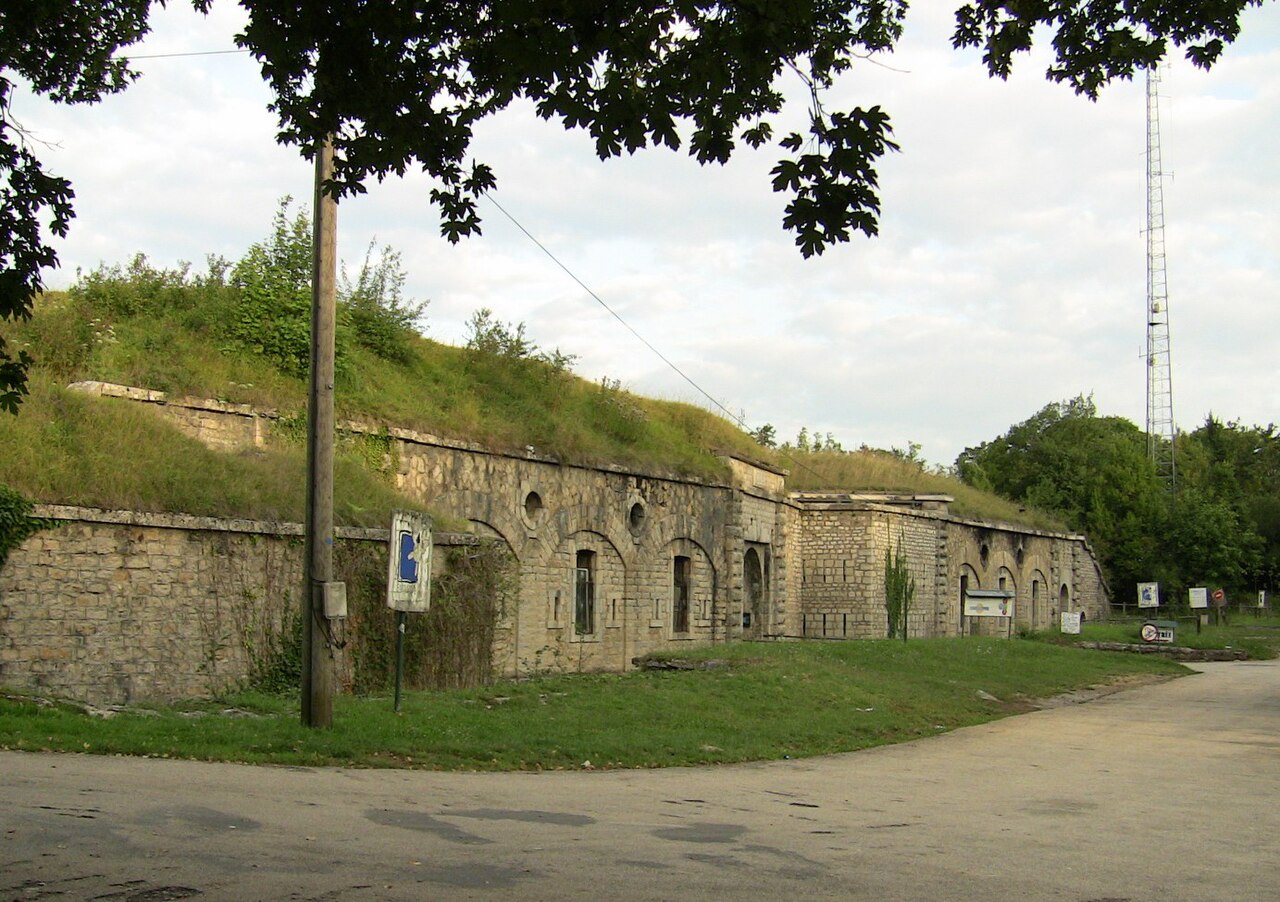
Montferrand Castle
Montferrand Castle, locally known as Château de Montferrand, is a medieval fortress ruin situated east of the village of Montferrand-le-Château in the Doubs department of eastern France. This castle occupies a commanding position on a wooded hill, providing extensive views over the surrounding landscape. Its strategic location was typical of hill castles built during the High Medieval period, designed to control local territories and trade routes.
Medieval origins and early history
The castle was first documented in 1230, placing its construction in the early 13th century. It was the stronghold of the lords of Montferrand, a family known for their martial activities and frequent conflicts with neighboring lords and ecclesiastical authorities. The Montferrands were involved in numerous feuds, during which they attacked and destroyed rival castles, asserting their dominance in the region.
Notable events and family conflicts
One of the most significant events in the castle's history was the murder of Richard de Montferrand in 1353. He was reportedly killed within the castle walls, likely orchestrated by his niece and Humbert, Lord of Ornans. This violent episode marked a turning point, as the castle was confiscated the same year by King John II of France, reflecting the crown's efforts to assert control over rebellious nobles.
Ownership transitions and decline
Following the confiscation, part of the seigneury passed through marriage when Jeanne de Montferrand married Anselme de Salins-de-la-Tour in 1354. Anselme later acquired the entire castle and seigneury, consolidating his family's holdings. Subsequent owners included the House of Vergy and the families of Achey and Grammont, though these later lords did not reside in the castle, signaling its diminishing residential importance.
Military significance and the ten years' war
In 1594, amid rising tensions and the imminent invasion of the Franche-Comté region by the armies of Henry IV of France, Montferrand Castle underwent a military inspection to assess its defenses and garrison strength. This indicates that despite its age, the castle retained some strategic value at the end of the 16th century.
Ownership passed to Antoine de Pillot, Lord of Chenecey, in 1606. The castle remained inhabited by local subjects until the Ten Years' War (1632-1642), a conflict that devastated the region. After the war, Montferrand Castle lost its military relevance and began a rapid decline.
Ruin and legacy
By 1683, the castle was described as a ruin, affected by fire, weather damage, and neglect. Over the following centuries, the nearby village of Montferrand expanded, and the castle's remains were scavenged for building stone by local inhabitants. Despite this, the ruin still retains significant architectural elements, including a prominent tower and substantial sections of its defensive walls, now overgrown and nestled within the surrounding forest.
Architectural features and site layout
The castle's design reflects typical High Medieval military architecture with thick stone walls, a central tower or keep, and defensive battlements. Its elevated position provided natural defenses and visibility over the landscape, essential for early warning against attackers. The surviving tower remains a focal point of the ruin, illustrating the castle's original imposing presence.
Current status and visitor experience
Today, Montferrand Castle is freely accessible to visitors, who can explore the atmospheric ruins and enjoy panoramic views from the tower site. The site is surrounded by forested areas, adding to its scenic and historic appeal. While no formal restoration has been undertaken, the ruins offer a tangible connection to the turbulent medieval history of the Franche-Comté region.
Historical context and regional significance
Montferrand Castle played a role in the complex feudal and military struggles of eastern France during the Middle Ages. Its history of ownership changes, conflicts, and eventual decline mirrors the broader political shifts in the region, including the increasing centralization of royal power and the impact of wars such as the Ten Years' War. The castle's ruins serve as a reminder of the era's fortified noble residences and their role in territorial control.
Cultural heritage and preservation
Although now a ruin, Montferrand Castle is part of the cultural heritage of the Doubs department. Efforts to preserve its remains focus on maintaining the site as a historical landmark and a point of interest for visitors interested in medieval architecture and regional history. Its accessibility and striking location make it a valuable educational resource and a testament to medieval fortification techniques.
Frequently asked questions (FAQ)
- How do I get to Montferrand Castle?
- Montferrand Castle is located in Montferrand-le-Château, France, easily accessible by car or public transportation. The nearest major city is Besançon, which offers various transport options, including buses and trains connecting to the castle's vicinity.
- What is the historical significance of Montferrand Castle?
- Montferrand Castle dates back to the 13th century and served as a strategic fortification in the region. Its rich history includes serving as a residence for nobility and a military stronghold during various conflicts.
- When was Montferrand Castle built?
- Construction of Montferrand Castle began in the early 13th century, with significant modifications made in subsequent centuries. The castle's architecture reflects various styles, showcasing its evolution through different historical periods.
- Can I take guided tours of Montferrand Castle?
- Yes, guided tours are available for visitors, providing insights into the castle's history and architecture. These tours are typically conducted by knowledgeable guides, allowing you to explore the castle's fascinating past in greater detail.
- Why is Montferrand Castle a popular tourist attraction?
- Montferrand Castle attracts visitors due to its stunning architecture and historical significance in French heritage. The picturesque setting and the opportunity to explore well-preserved ruins make it a must-visit for history enthusiasts and tourists alike.
- Is it possible to visit Montferrand Castle year-round?
- Montferrand Castle is generally open to visitors year-round, but specific opening hours may vary by season. It is advisable to check the official website or contact local tourism offices for the most current information before planning your visit.
- What are the best times to visit Montferrand Castle?
- The best times to visit Montferrand Castle are during the late spring and early fall when the weather is mild and ideal for outdoor exploration. Visiting during these seasons also allows you to enjoy the beautiful surrounding landscapes and gardens.
- What are the ticket prices for Montferrand Castle?
- Ticket prices for Montferrand Castle are generally affordable, with discounts available for students and seniors. It's best to check the official website for the latest pricing details and any special offers that may be available during your visit.
- What are some nearby attractions to Montferrand Castle?
- Nearby attractions include the picturesque town of Besançon, known for its historical architecture and vibrant culture. Additionally, the scenic Doubs River and surrounding natural parks offer excellent opportunities for hiking and outdoor activities.
- What are the opening hours for Montferrand Castle?
- Montferrand Castle typically opens from 10 AM to 6 PM during the tourist season, but hours may vary in the off-season. It's recommended to verify the exact opening times before your visit to ensure a seamless experience.
Information
Address
Chemin des Ruines, Montferrand-le-Château, France
Loading map...
Visitor reviews
No reviews yet. Been here? Write the first review and help other travelers!
Write the first reviewVisited this castle? Share your experience
Your review helps other travelers and adds first-hand knowledge to our encyclopedia.