Fort of Saint Antony Além‐do‐Carmo
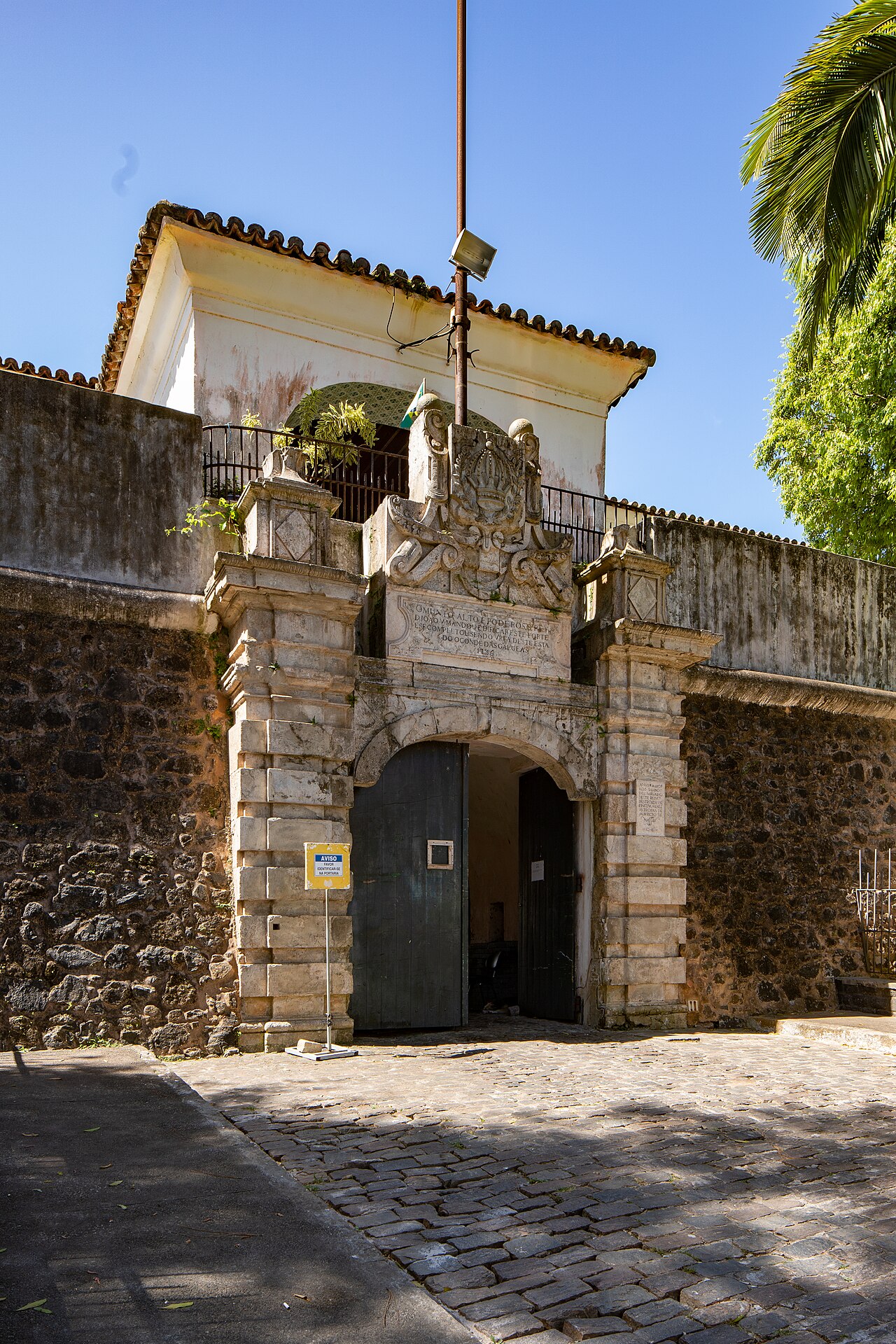
Fort of Saint Antony Além‐do‐Carmo, located in Salvador, Bahia, Brazil, is a notable example of a 16th-century bastioned fortress built during the Renaissance period. This fort played a critical role in the defense of Salvador, especially protecting the northern boundary of the city at the time of its construction. Its strategic position allowed it to guard against invasions and attacks from the sea and land, reflecting the military architectural advancements of the era.
Historical context and significance
Constructed in the 16th century, the fort was part of a broader network of coastal defenses established by the Portuguese Empire in Brazil. The fortification was essential in safeguarding Salvador, which was then the colonial capital and a vital port city. It was also known as the Forte da Capoeira and later served as a state prison, highlighting its evolving role in the region's history.
The fort's military importance diminished over time, but its historical value remains significant due to its association with the colonial period and Brazil's early defense systems.
Architectural features and design
The fort exemplifies the bastioned fortress style, a hallmark of Renaissance military architecture characterized by angular bastions designed to withstand cannon fire and provide overlapping fields of fire. The walls are thick and robust, constructed to resist artillery attacks, and the layout includes bastions projecting from the main walls to cover adjacent sections.
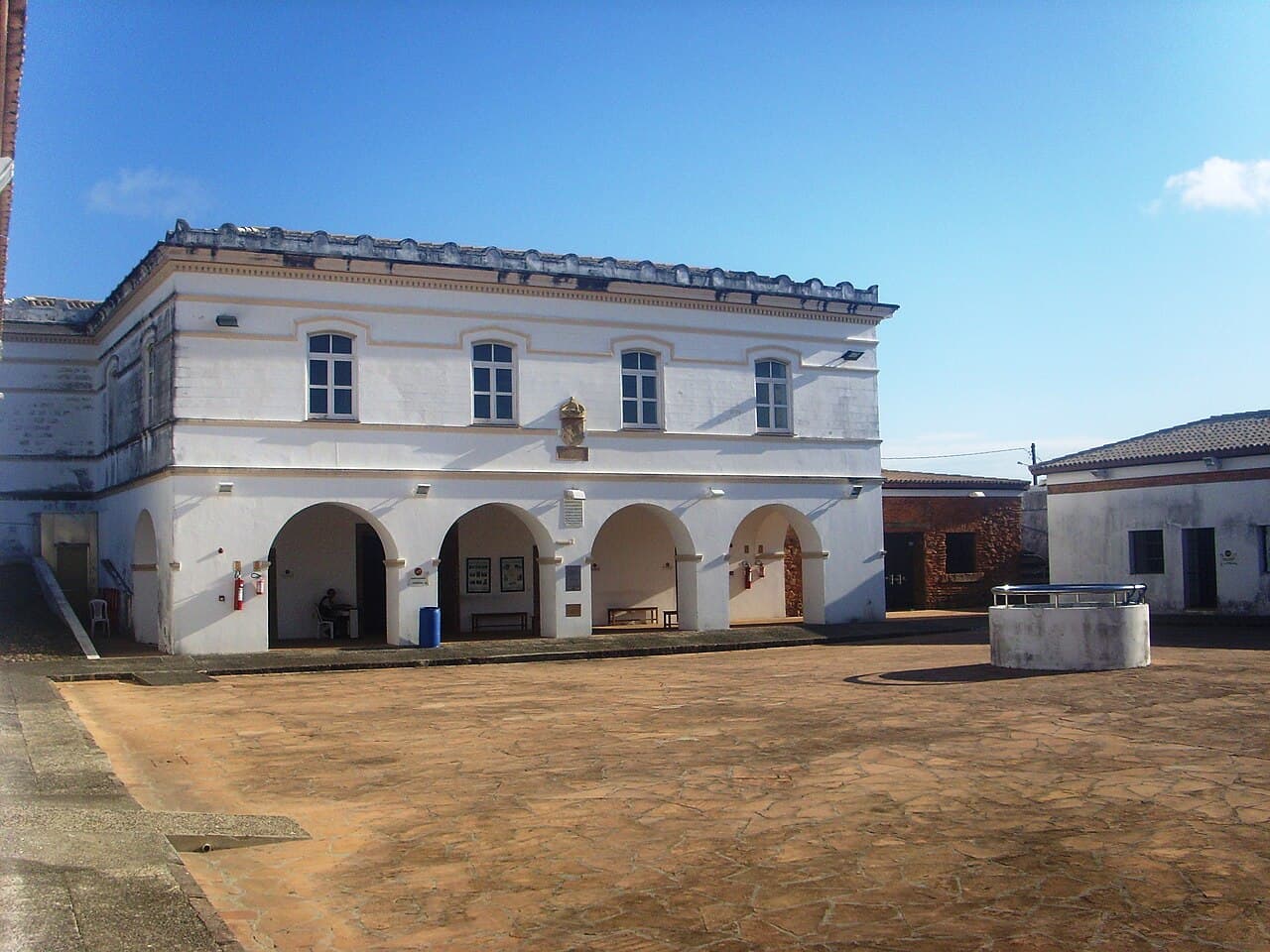
Its design reflects the adaptation of European fortification techniques to the Brazilian coastal environment, incorporating local materials and terrain considerations. The fortress includes defensive walls, bastions, a moat, and internal buildings such as barracks and storage facilities.
Defensive structures
- Bastions: Angular projections allowing defenders to cover all approaches.
- Thick walls: Built to absorb and deflect cannon fire.
- Moat: A water-filled ditch enhancing defense against attackers.
- Gates and embrasures: Controlled entry points and openings for artillery.
Later uses and preservation
After its military use declined, the fort was repurposed as a state prison, known locally as the Forte da Capoeira. This function added a layer of social history to the site, reflecting changes in the region's governance and penal system.
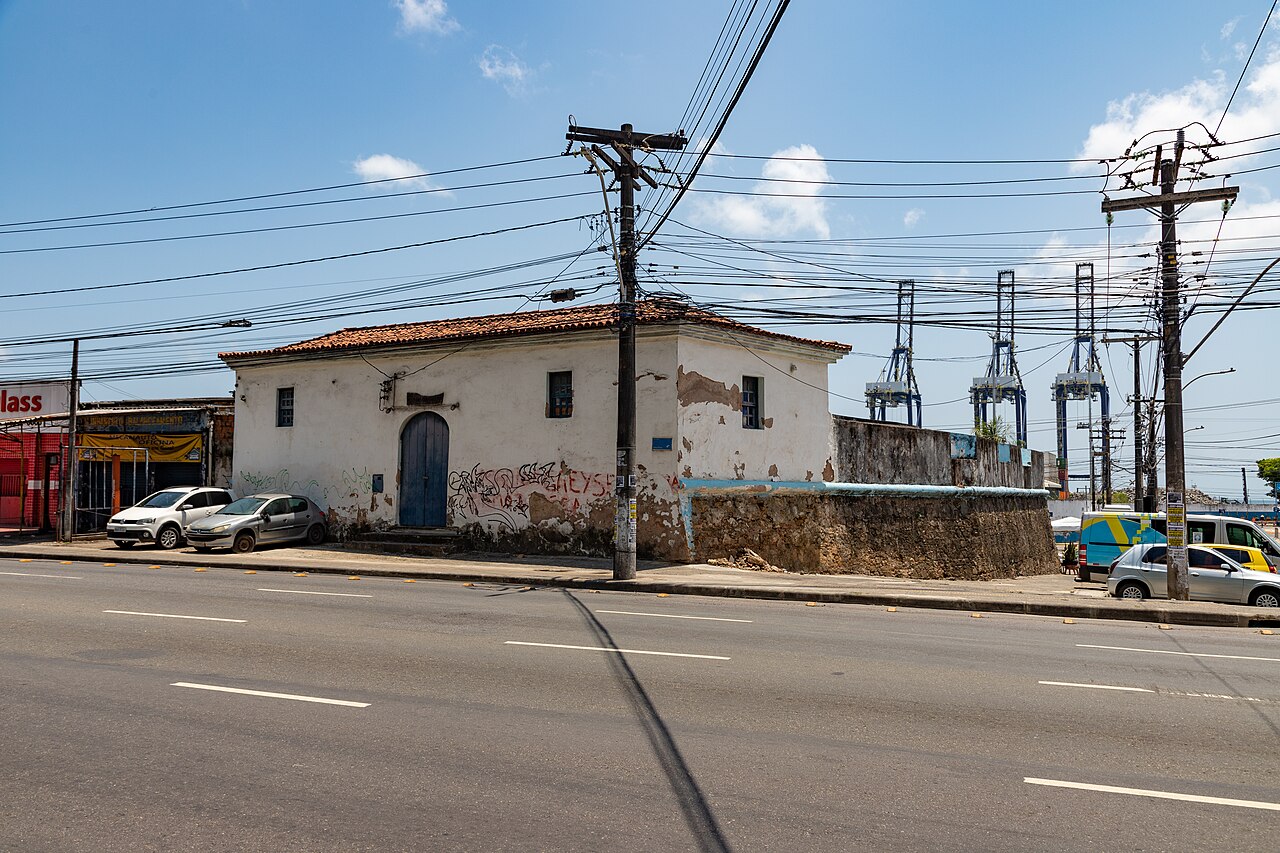
Today, the fort is recognized for its historical and architectural significance. Efforts have been made to preserve its structure, although parts of the fortress may show signs of wear due to age and environmental exposure. It stands as a cultural landmark in Salvador and is a point of interest for visitors interested in Brazil's colonial and military history.
Visiting the fort
The Fort of Saint Antony Além‐do‐Carmo is accessible to the public, offering a glimpse into 16th-century military architecture and the colonial past of Brazil. Visitors can explore the bastions, walls, and internal areas, gaining insight into the fort's defensive mechanisms and historical roles.
Its location in Salvador makes it part of a rich cultural itinerary, complementing visits to other historic sites in the city.
Frequently asked questions (FAQ)
- What is the historical significance of the Fort of Saint Antony Além‐do‐Carmo?
- The fort was built in the 16th century to defend the northern limits of Salvador and later served as a state prison, reflecting its evolving role in Brazil's colonial history.
- Can visitors explore the fort today?
- Yes, the fort is open to the public, allowing visitors to see its bastions, walls, and internal structures that showcase 16th-century military architecture.
- What architectural style does the fort represent?
- The fort exemplifies Renaissance bastioned fortress design, featuring angular bastions and thick walls adapted for cannon defense.
Photo gallery

Information
Loading map...
Visitor reviews
No reviews yet. Been here? Write the first review and help other travelers!
Write the first reviewVisited this castle? Share your experience
Your review helps other travelers and adds first-hand knowledge to our encyclopedia.