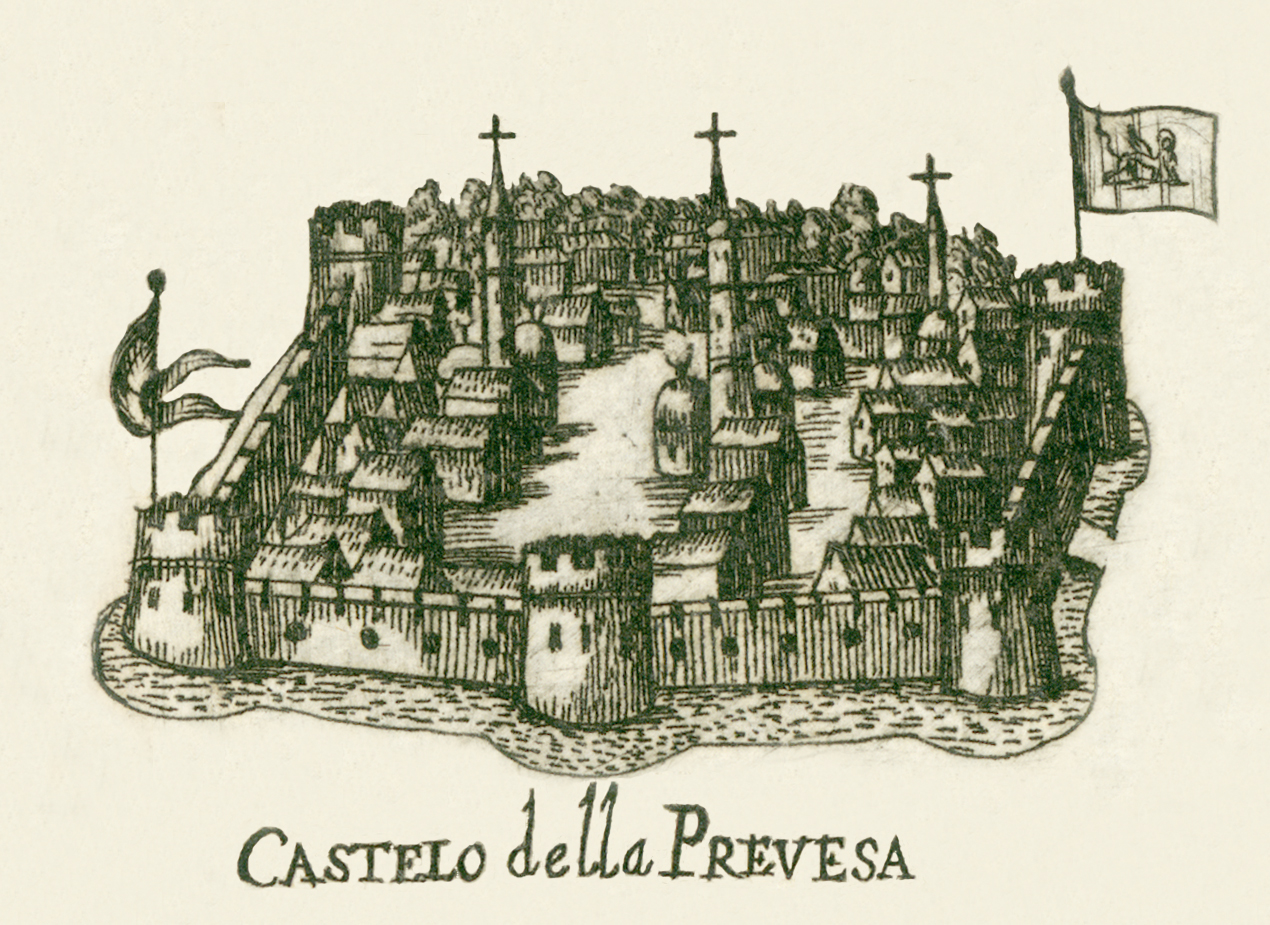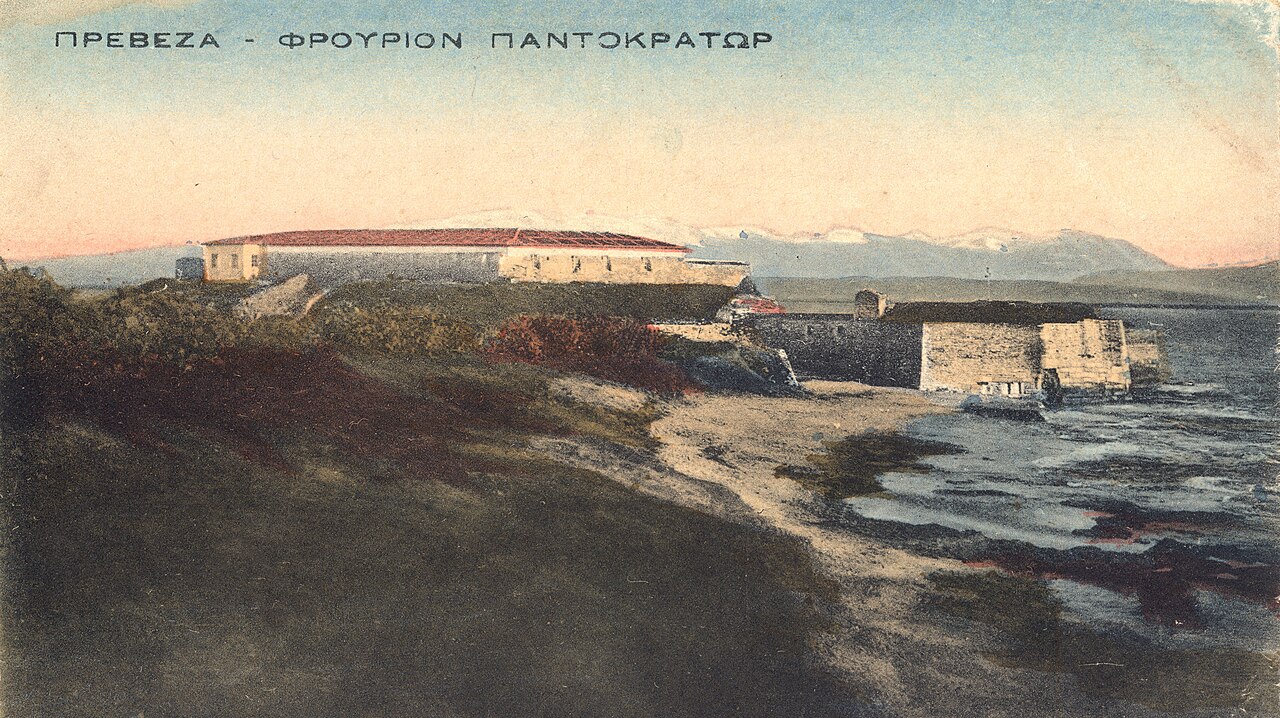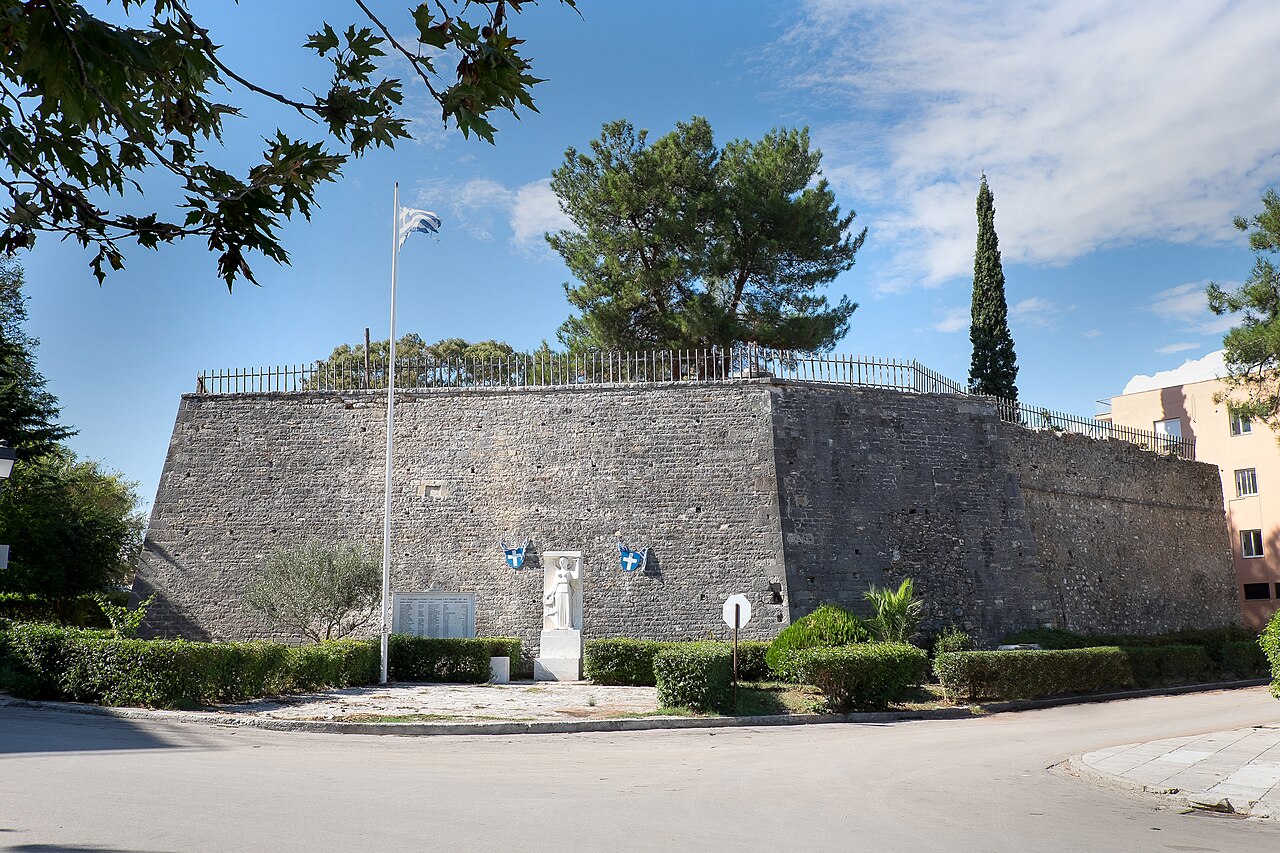
St. George's Fort
St. George's Castle (Greek: Κάστρο Αγίου Γεωργίου, romanized: Kastro Agiou Georgiou; Turkish: Yeni kale, or Hizir kalesi) is a prominent Ottoman bastioned fortress situated in the city of Preveza, in northwestern Greece. Constructed in 1807 during the rule of Ali Pasha of Ioannina (1806-1820), the fortress represents a significant example of early 19th-century military architecture in the region. The fort was designed following plans by the French military engineer Frédéric François Guillaume de Vaudoncourt (1772-1845), who was known for his expertise in fortification design during the Napoleonic era.
Historical context and significance
The construction of St. George's Fort occurred during a turbulent period in the history of Epirus and the wider Ottoman Empire. Ali Pasha, an ambitious and semi-autonomous Ottoman ruler, sought to strengthen his control over the region by erecting modern fortifications. The fort's location in Preveza, a strategic coastal city near the entrance to the Ambracian Gulf, was chosen to assert military dominance and protect the area from naval threats, especially from European powers expanding their influence in the Mediterranean.
The fortress was part of a broader effort by Ali Pasha to modernize his defenses using contemporary European military engineering principles. Its construction reflects the transitional military architecture of the late Ottoman period, incorporating bastioned elements that were influenced by Western European fortification styles, particularly the French school of military engineering.
Architectural features and design
St. George's Fort is classified as a bastioned fortress, a style characterized by angular bastions projecting outward from the main walls to allow defensive fire in multiple directions. This design was a response to the evolution of artillery technology, aiming to minimize blind spots and improve the fort's ability to withstand sieges.
The fortress is constructed primarily of stone and mortar, featuring thick defensive walls and bastions arranged to cover the approaches to the city and harbor. Its layout includes a central courtyard, barracks, ammunition storage, and defensive towers that provided vantage points for lookouts and artillery placements.
The influence of Frédéric François Guillaume de Vaudoncourt is evident in the fort's geometric precision and adaptation to the local terrain. The design harmonizes traditional Ottoman military needs with the advanced techniques of European bastioned fortifications, making it a unique example of cross-cultural military architecture.
Role during the Ottoman period and later history
During Ali Pasha's rule, St. George's Fort served as a key military installation to control the surrounding region and safeguard the important maritime routes. After Ali Pasha's fall in 1822, the fortress continued to be used by Ottoman forces and later by the Greek state following Greece's independence.
Throughout the 19th and early 20th centuries, the fort witnessed various military engagements and changes in control, reflecting the shifting political landscape of the Balkans. Its strategic position near the Ionian Sea ensured its continued importance in regional defense.
Current condition and cultural importance
Today, St. George's Fort remains a well-preserved example of 19th-century Ottoman bastioned military architecture. While some restoration efforts have been undertaken, the fortress retains much of its original structure and layout, allowing visitors to appreciate its historical and architectural value.
The fort is recognized as a cultural heritage site in Greece and attracts tourists interested in military history, Ottoman architecture, and the history of Epirus. Its location offers scenic views of Preveza and the surrounding coastline, enhancing its appeal as a historical landmark.
Visiting St. George's Fort
Visitors to the fort can explore the defensive walls, bastions, and internal courtyards, gaining insight into the military strategies of the early 19th century. The site is accessible to the public, and guided tours provide additional context about its construction, historical role, and architectural features.
The fort's proximity to the city center of Preveza makes it a convenient destination for those interested in combining historical exploration with the cultural and natural attractions of the region.
Frequently asked questions (FAQ)
- How do I get to St. George's Fort?
- You can reach St. George's Fort in Preveza, Greece, by taking a short drive or taxi from the city center. Public transportation options are also available, with buses frequently connecting nearby towns. If you're coming from the coast, a pleasant walk along the waterfront will lead you directly to the fort.
- What is the historical significance of St. George's Fort?
- St. George's Fort, constructed in the 17th century, played a crucial role in the defense of Preveza against various invaders, particularly during the Ottoman era. Its strategic location allowed it to control the entrance to the Ambracian Gulf, making it a vital military stronghold. Today, it stands as a testament to the region's rich history and architectural heritage.
- When was St. George's Fort built?
- St. George's Fort was built between 1684 and 1686 by the Venetians as part of their efforts to fortify their territories in the region. The fortification showcases the military architecture of the time and reflects the influences of both Venetian and local building styles. Its construction marked a significant point in the ongoing conflicts in the area.
- Can I visit St. George's Fort year-round?
- Yes, St. George's Fort is open to visitors year-round, although specific opening hours may vary by season. It's advisable to check the official website or local tourist information for the most current visiting hours and any special events. Visiting during the off-peak season can provide a more tranquil experience.
- Why is St. George's Fort popular among tourists?
- St. George's Fort attracts tourists due to its impressive architecture, stunning views of the surrounding landscape, and rich historical background. The fort offers a glimpse into the military past of Preveza and provides an engaging experience for history enthusiasts and casual visitors alike. Its picturesque setting makes it a perfect spot for photography and exploration.
- Is it possible to take guided tours of St. George's Fort?
- Yes, guided tours of St. George's Fort are available and can enhance your visit by providing deeper insights into its history and architecture. These tours are typically led by knowledgeable local guides who can share fascinating stories and facts about the fort. It's recommended to book in advance, especially during the summer months when visitor numbers peak.
- What are the ticket prices for St. George's Fort?
- Ticket prices for St. George's Fort are generally affordable, making it accessible for all visitors. Discounts may be available for students, seniors, and groups, so it's worth inquiring at the entrance. Always check for any special promotions or free admission days that might be offered throughout the year.
- What are the opening hours of St. George's Fort?
- St. George's Fort typically opens at 9:00 AM and closes at 7:00 PM during the summer months, while winter hours may vary. It's best to confirm the exact times on the official website or by contacting local tourism offices before your visit. Early morning or late afternoon visits can provide a quieter experience and beautiful light for photography.
- What nearby attractions should I visit while in Preveza?
- While in Preveza, consider visiting the nearby ancient ruins of Nikopolis, which offer a fascinating glimpse into Roman history. The beautiful beaches of Preveza are also a must-see, providing opportunities for relaxation and water sports. Additionally, the charming old town of Preveza itself is filled with quaint shops and local eateries that are perfect for exploring.
Photo gallery

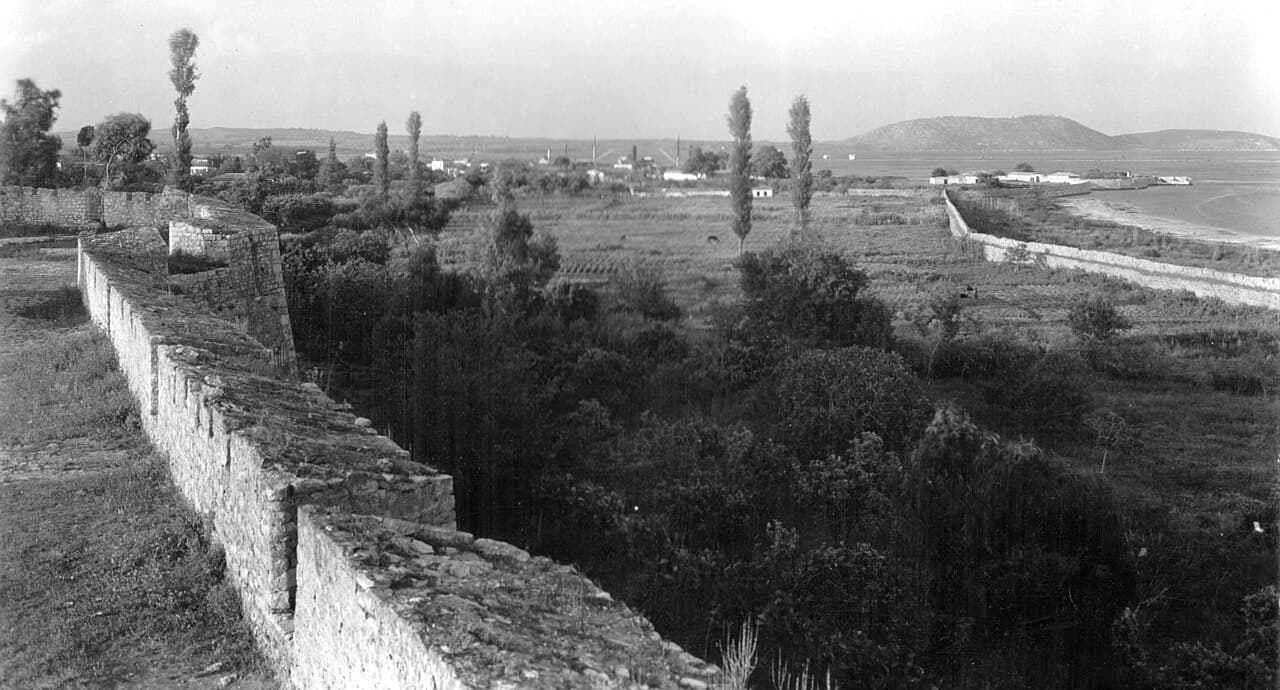
Photo by Frédéric Boissonnas•Public domain
Information
Loading map...
Visitor reviews
No reviews yet. Been here? Write the first review and help other travelers!
Write the first reviewVisited this castle? Share your experience
Your review helps other travelers and adds first-hand knowledge to our encyclopedia.