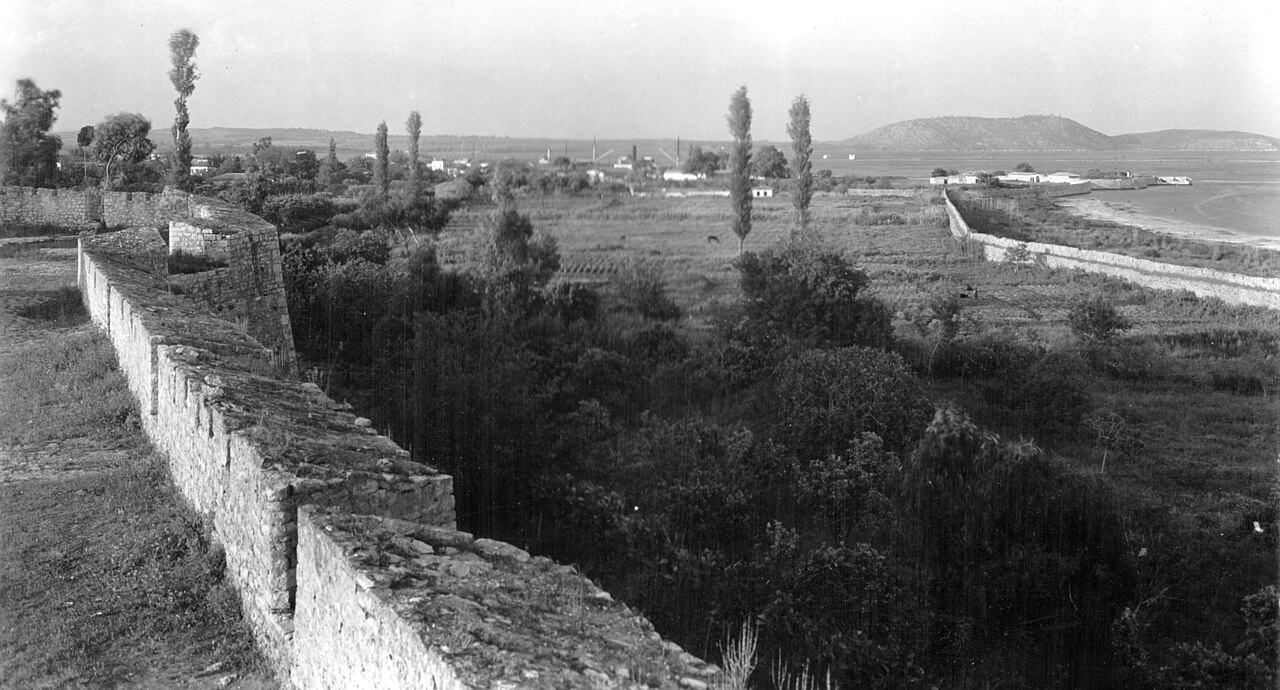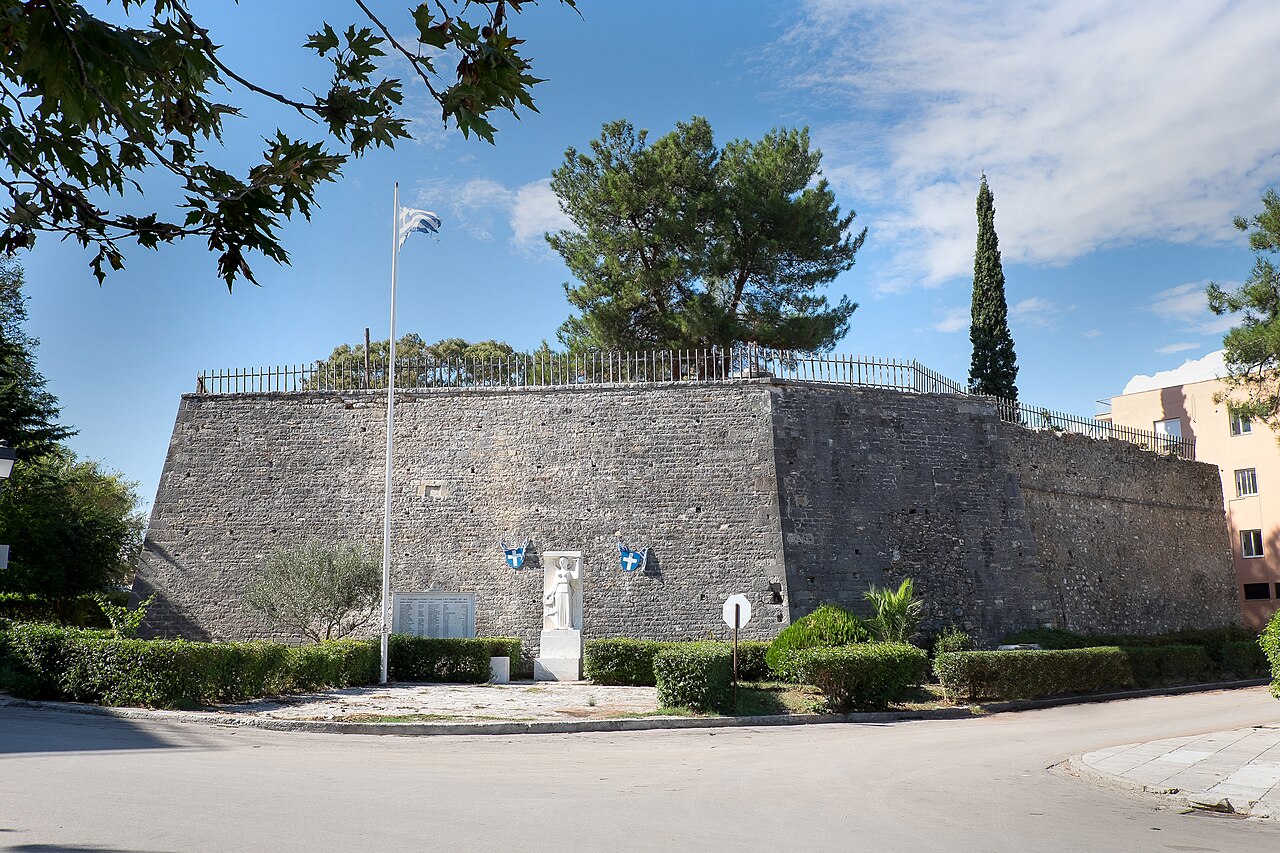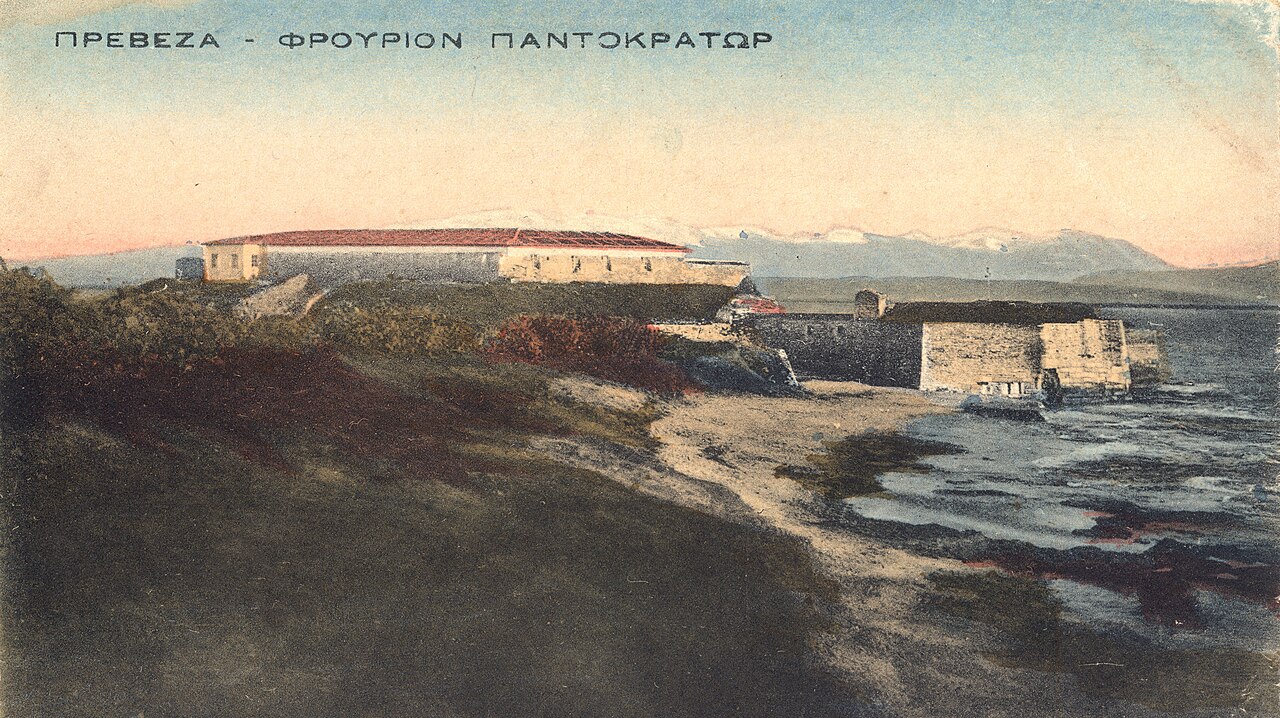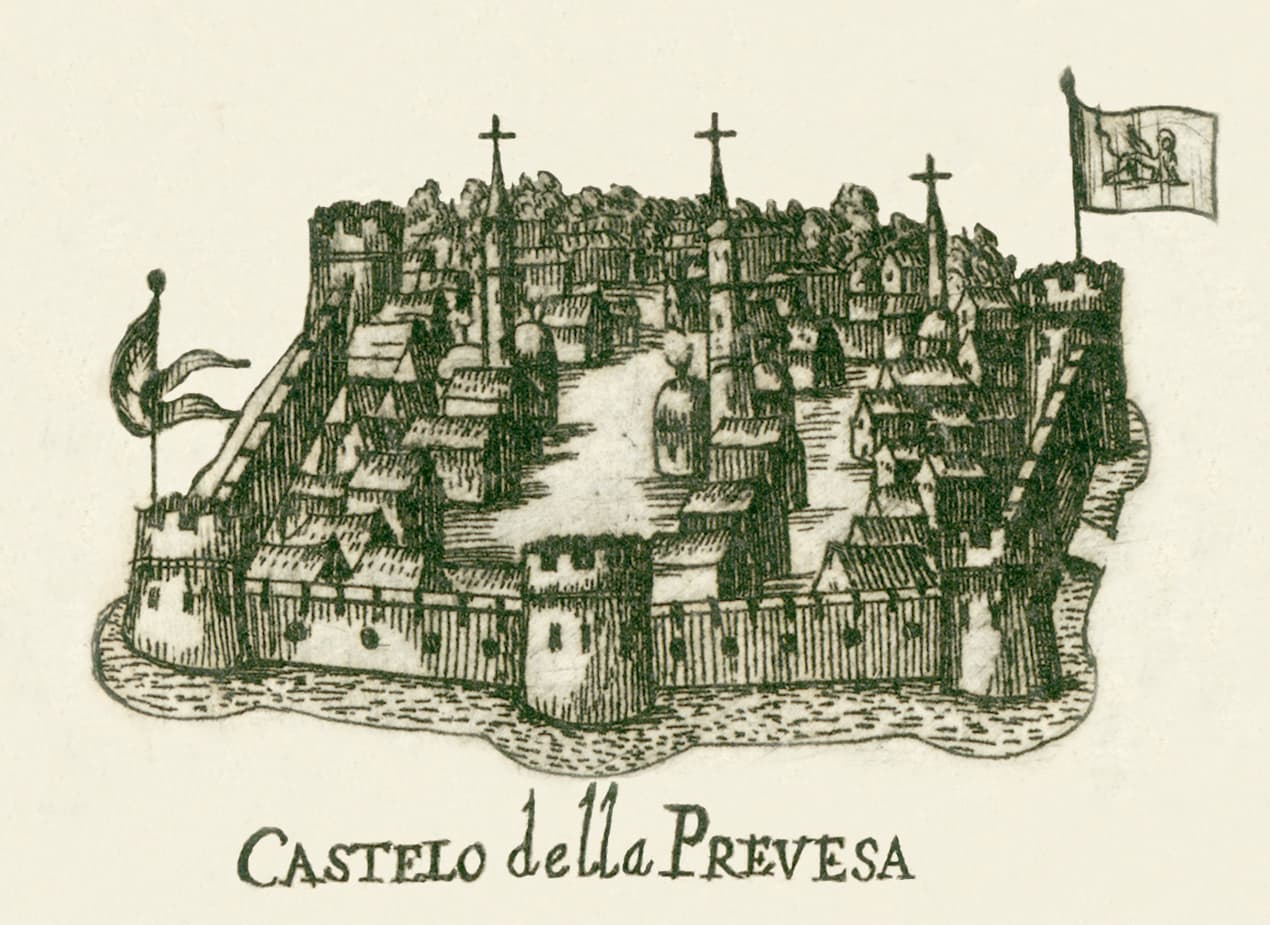
The castle of Bouka (Greek: Κάστρο της Μπούκας, deriving from the Italian word bocca) was a significant 15th-century Ottoman hill castle built in 1478 to control the strategic straits of the Ambracian Gulf near Preveza in northwestern Greece. This fortress represented the first major Ottoman fortification in the area, designed to secure Ottoman naval dominance and protect their interests in the region. The castle's location on a hill provided commanding views over the gulf's entrance, enabling effective surveillance and defense against naval incursions.
Strategic importance and historical context
Constructed during the late medieval period, the castle of Bouka played a crucial role in the Ottoman Empire's expansion into western Greece. Its primary function was to oversee and control maritime traffic through the narrow straits of the Ambracian Gulf, a vital waterway connecting the Ionian Sea to the interior regions. The site was chosen for its natural defensive advantages and proximity to Preveza, a key port town.
Throughout its history, the castle witnessed several military engagements and changes in control. The Venetians captured Bouka in 1684 during the Morean War, recognizing its strategic value. They undertook improvements to the fortifications, adapting it to contemporary military needs. However, the Venetians demolished the castle in 1701 before ceding Preveza back to the Ottomans under the terms of the Treaty of Karlowitz. This demolition was a strategic decision to prevent the fortress from being used against them in future conflicts.
Architectural features and modifications
The castle's architecture reflected typical late medieval Ottoman military design, adapted to the rugged hilltop terrain. Its walls were constructed to withstand artillery sieges, featuring thick stone ramparts and bastions oriented towards the sea and land approaches. The fort included battlements, towers, and a main gate designed for controlled access and defense.
Venetian modifications in the late 17th century introduced elements to enhance artillery defense, including reinforced bastions and improved firing positions. Despite these upgrades, the castle remained vulnerable to the evolving military technologies of the early 18th century, leading to its eventual destruction.
Post-demolition use and legacy
Following its demolition, the site of the castle of Bouka became known as Paliosaraga (Greek: Παλιοσάραγα, meaning "Old Seraglio"). In the early 19th century, the location gained renewed significance when Ali Pasha of Yannina constructed his summer seraglio on the castle's remains during the 1810s. This seraglio served as a residence and administrative center, linking the site to the region's Ottoman provincial governance.
After the Greek Army captured Preveza in 1912 during the Balkan Wars, the site was repurposed for military logistics as an army supply unit was stationed there. Despite its historical importance, only scant remains of the original castle survive today. The site has largely avoided modern construction, preserving its archaeological potential but limiting visible features.
Cultural and historical significance
The castle of Bouka stands as a testament to the Ottoman military presence in northwestern Greece and the turbulent history of the region during the late medieval and early modern periods. Its strategic location underscores the importance of controlling maritime routes in the Ionian Sea and highlights the military contest between the Ottomans and Venetians.
Today, the site offers valuable insights into Ottoman and Venetian fortification techniques and their adaptations to the local geography. Although the physical structure has largely disappeared, the castle's historical footprint remains integral to understanding the geopolitical dynamics of the Ambracian Gulf area.
Frequently asked questions (FAQ)
- What is the historical significance of the castle of Bouka?
- The castle of Bouka was the first major Ottoman fortification in Preveza, built in 1478 to control the Ambracian Gulf straits. It played a key role in Ottoman-Venetian conflicts and regional control during the late medieval period.
- Can visitors see the remains of the castle of Bouka today?
- Today, very few remains of the castle of Bouka exist, as it was demolished in 1701 and later repurposed. The site is mostly an archaeological ruin with limited visible structures.
- When was the castle of Bouka demolished and why?
- The castle was demolished by the Venetians in 1701 before handing Preveza back to the Ottomans, to prevent its use as a military fortification against them in future conflicts.
- What historical structures were built on the site after the castle's demolition?
- In the early 1810s, Ali Pasha of Yannina built his summer seraglio on the remains of the castle, reusing the strategic location for administrative purposes.
- Where is the castle of Bouka located?
- The castle is located in Preveza, in the Epirus region of northwestern Greece, overlooking the entrance to the Ambracian Gulf.
Photo gallery

Information
Loading map...
Visitor reviews
No reviews yet. Been here? Write the first review and help other travelers!
Write the first reviewVisited this castle? Share your experience
Your review helps other travelers and adds first-hand knowledge to our encyclopedia.