Fort Metal Cross
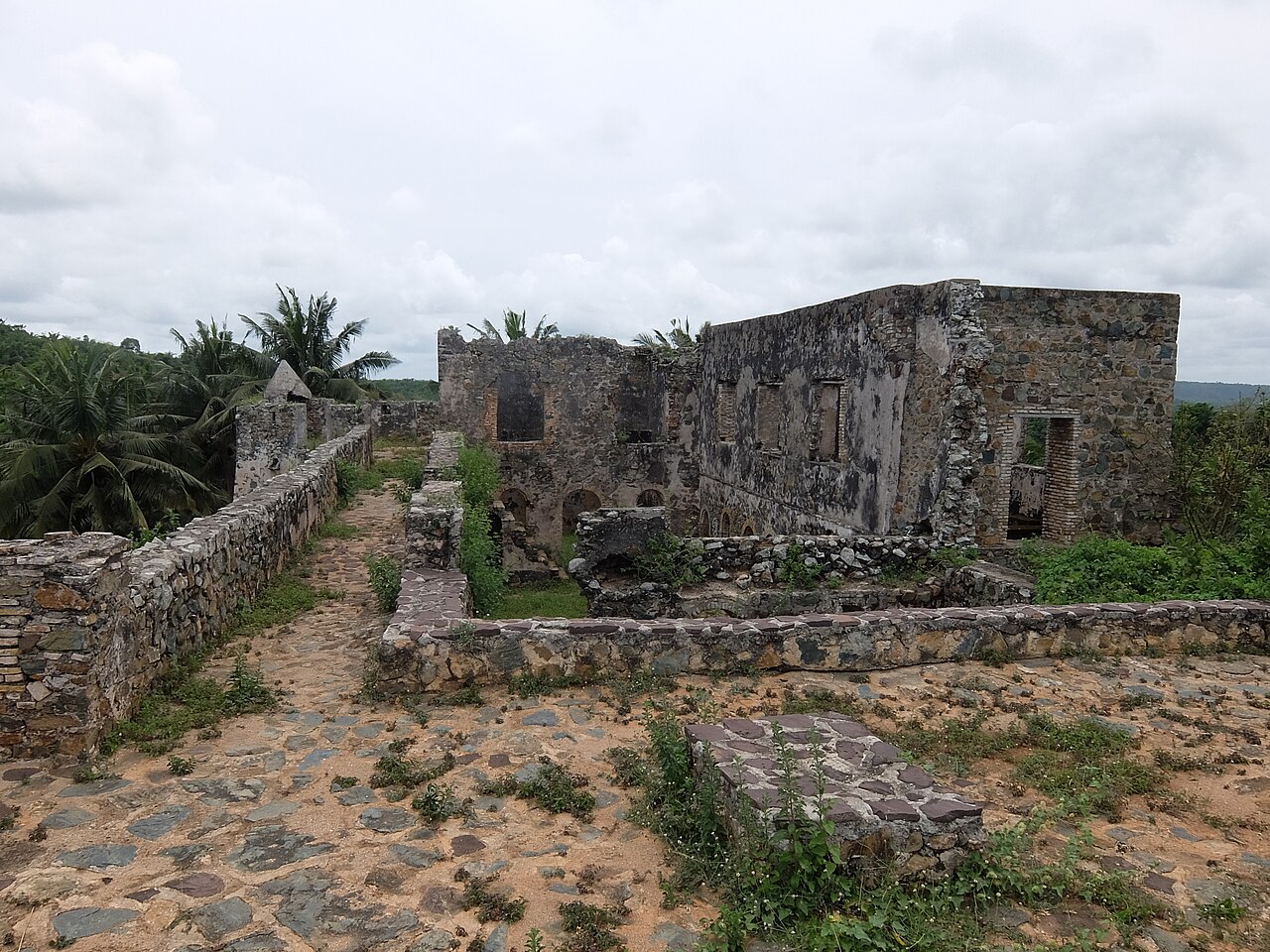
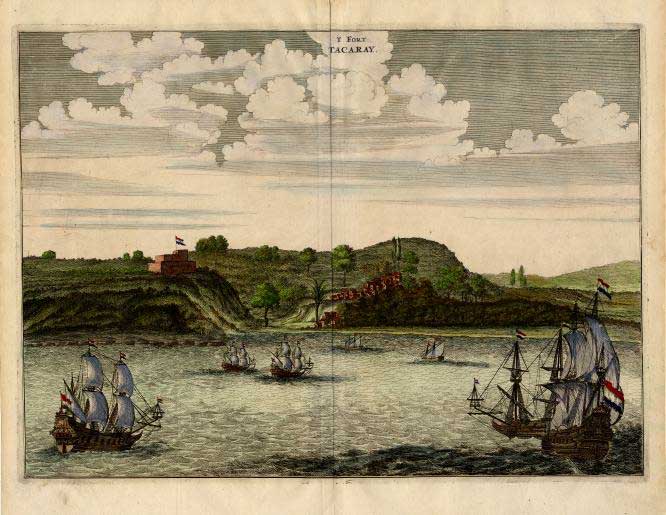
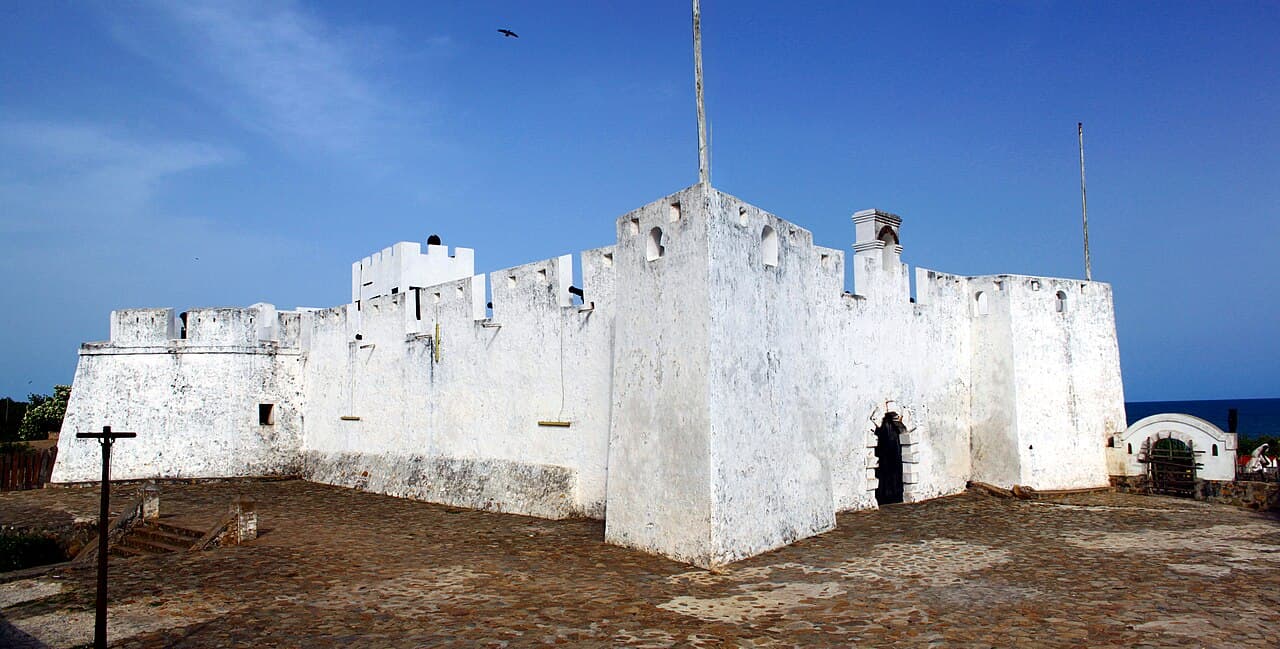
Fort Metal Cross, originally known as Fort Dixcove, is a prominent 17th-century bastioned fortress located on a strategic promontory overlooking the Atlantic Ocean at the fishing community of Infuma in Dixcove, within the Western Region of Ghana. This fortification is a significant relic of the European-African trade networks and the darker history of the Atlantic slave trade. It stands as a testament to the complex interactions between European colonial powers and West African societies during the Renaissance period.
Historical background and significance
Constructed in the 17th century, Fort Metal Cross was originally established by the British as part of their efforts to secure trading posts along the Gold Coast, a region rich in resources and a key node in the transatlantic commerce. The fort's initial name, Fort Dixcove, reflects its location near the town of Dixcove, an important fishing and trading community. Over time, the fort played a critical role in the exchange of goods such as gold, ivory, and unfortunately, enslaved Africans, marking it as a site of considerable historical importance.
In recognition of its role in the history of trade and the slave trade, Fort Metal Cross was inscribed as part of the collective Forts and Castles of Volta, Greater Accra, Central and Western Regions on the UNESCO World Heritage List in 1979. This designation highlights the fort's cultural and historical value, preserving it as a monument to both the achievements and atrocities of the colonial era.
Architectural features and fortifications
The fort is classified as a bastioned fortress, a style typical of European military architecture during the Renaissance, designed to withstand artillery attacks and provide overlapping fields of fire. Its location on a promontory provided strategic advantages, allowing defenders to monitor and control maritime approaches effectively.
Fort Metal Cross features thick stone walls with angled bastions at the corners, enabling defenders to cover the fort's perimeter with cannon fire. The design includes a central courtyard surrounded by barracks, storage rooms, and officers' quarters, reflecting the functional needs of a military garrison. The fort also had facilities for holding captives, including dungeons and holding cells, which were used during the period of the Atlantic slave trade.
Defensive structures
The bastions are equipped with embrasures for cannons, and the walls are punctuated with musket loopholes for infantry defense. The fort's entrance is fortified with a gatehouse and a drawbridge, enhancing its defensibility against potential attacks from both sea and land. The use of local stone materials combined with European construction techniques illustrates a blend of indigenous and colonial craftsmanship.
Role in the Atlantic slave trade and European-African relations
Fort Metal Cross was one of several forts along the Gold Coast that facilitated the transatlantic slave trade. Enslaved Africans were held within its confines before being transported across the Atlantic. The fort’s location was critical for controlling the movement of goods and people, making it a hub in the broader network of European colonial exploitation.
Beyond its role in the slave trade, the fort also served as a center for legitimate trade in goods such as gold and ivory. It was a point of contact where European traders negotiated with local African leaders, shaping the economic and political landscape of the region during the Renaissance and beyond.
Preservation and current status
Today, Fort Metal Cross is well preserved and maintained as a historical monument. It attracts scholars, tourists, and heritage enthusiasts who seek to understand the complex history of the Gold Coast and the impact of European colonization in West Africa. Its inclusion in the UNESCO World Heritage List has helped ensure ongoing conservation efforts.
The fort remains a powerful symbol of both cultural heritage and the painful legacy of the Atlantic slave trade. Visitors can explore its bastions, dungeons, and courtyards while gaining insight into the architectural and historical significance of this coastal fortress.
Visiting information
Fort Metal Cross is accessible to visitors interested in history and architecture. It offers a tangible connection to the past through its preserved structures and informative displays. The site is part of a broader network of forts and castles in Ghana that collectively tell the story of the region's colonial history.
Frequently asked questions (FAQ)
- What is the historical significance of Fort Metal Cross?
- Fort Metal Cross is significant for its role in the Atlantic slave trade and European-African trade during the 17th century on the Gold Coast.
- Can visitors tour Fort Metal Cross?
- Yes, Fort Metal Cross is open to visitors and offers a well-preserved site with historical exhibits and architectural features to explore.
- When was Fort Metal Cross built?
- Fort Metal Cross was constructed in the 17th century during the Renaissance period as a bastioned fortress.
- What architectural style characterizes Fort Metal Cross?
- The fort is built in the bastioned fortress style typical of Renaissance military architecture, featuring angled bastions and thick stone walls.
- Where is Fort Metal Cross located?
- Fort Metal Cross is located in the fishing community of Infuma in Dixcove, within the Western Region of Ghana.
Photo gallery

Information
Current owner
Ghana Museums and Monuments Board
Loading map...
Visitor reviews
No reviews yet. Been here? Write the first review and help other travelers!
Write the first reviewVisited this castle? Share your experience
Your review helps other travelers and adds first-hand knowledge to our encyclopedia.