Fort Batenstein
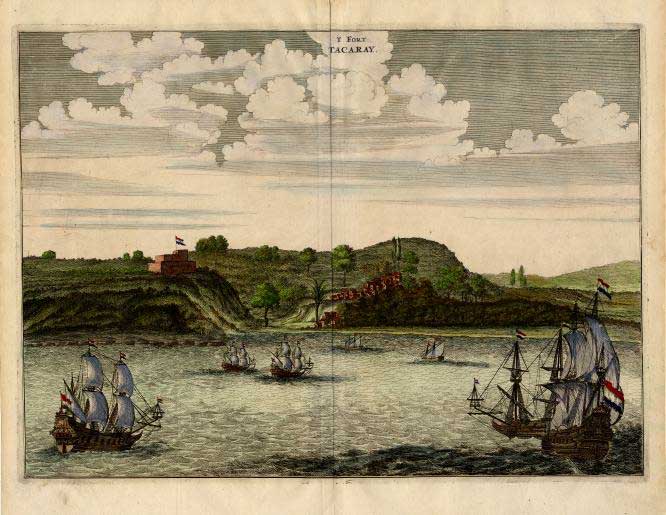
Fort Batenstein stands as a significant bastioned fortress constructed by the Dutch in the 17th century on the Gold Coast of West Africa, in present-day Ghana. Established in 1656, the fort was strategically located near the town of Butre (historically spelled Boutry) to serve as a trading post and military outpost during the height of European colonial competition for control over the lucrative West African trade routes.
Historical context and foundation
The construction of Fort Batenstein occurred during the Renaissance period, a time marked by expanding European maritime exploration and colonial ventures. The Dutch West India Company sought to establish fortified trading posts along the coast to secure their interests in gold, ivory, and slaves, competing with Portuguese, British, and other European powers. Fort Batenstein was part of a network of forts and castles the Dutch built along the Gold Coast to control trade and assert military dominance.
Its establishment was closely linked to diplomatic and military agreements with local African states. Notably, the Treaty of Butre was signed at Fort Batenstein on 27 August 1656 between the Dutch and the Ahanta people. This treaty granted the Dutch permission to build and maintain the fort and established a protectorate relationship over the Ahanta territory, securing Dutch influence in the region without extensive military conflict.
Architectural features and fortifications
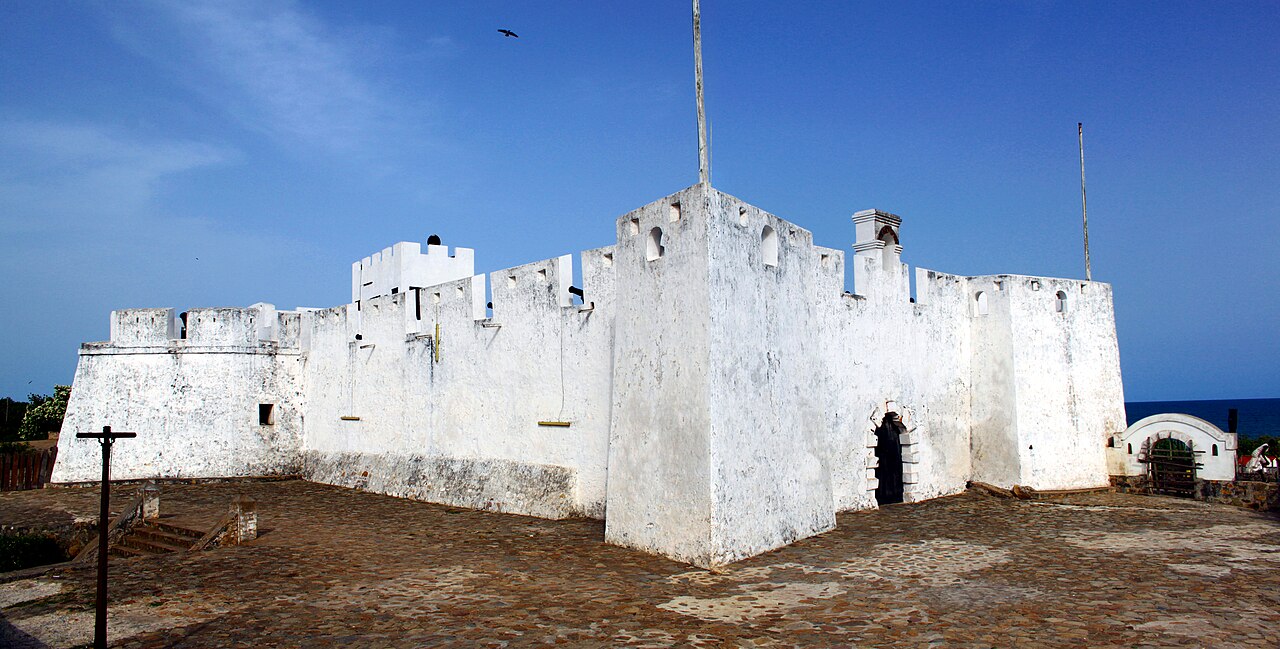
Fort Batenstein exemplifies the bastioned fortress architectural style typical of European military engineering in the 17th century. The design incorporated angled bastions projecting from the main walls, allowing defenders to cover all approaches with crossfire, minimizing blind spots. This style was influenced by the developments in fortification design during the Renaissance, emphasizing defense against artillery and siege warfare.
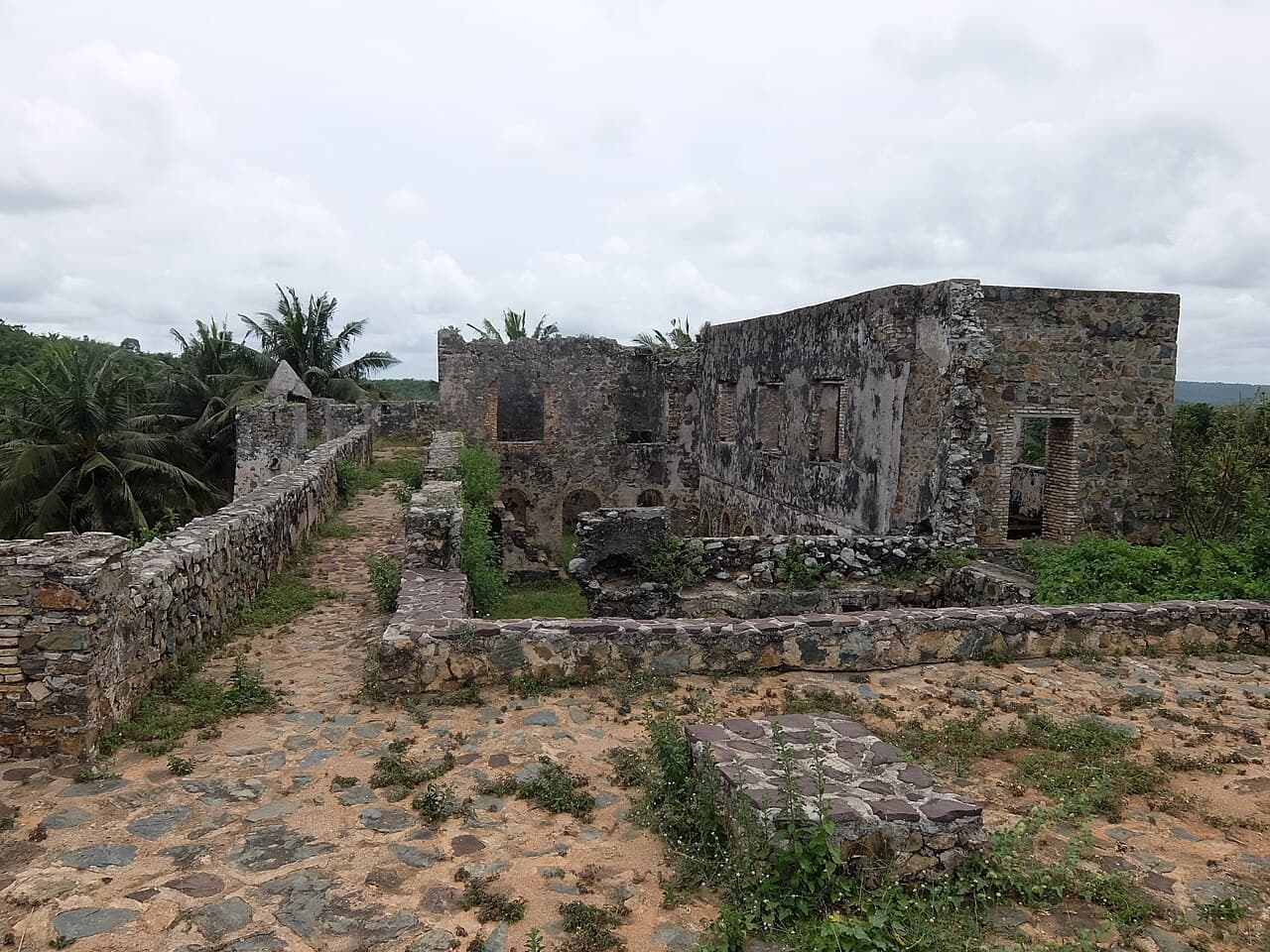
The fort's walls were constructed from local stone and mortar, thick and robust to withstand cannon fire. Inside, the fort contained barracks, warehouses for goods, officers' quarters, and storage for weapons and ammunition. The layout included a courtyard and defensive gates, with a moat or ditch often surrounding the fort to enhance its defensive capabilities.
Role in trade and colonial history
Throughout its operational period, Fort Batenstein functioned as a key node in the transatlantic trade network. It facilitated the exchange of European goods for African commodities, including gold and slaves, which were central to the economy of the Gold Coast. The fort also served as a military stronghold to protect Dutch commercial interests against rival European powers and local resistance.
In 1872, the fort, along with the entire Dutch Gold Coast territory, was ceded to the British as part of a treaty between the Netherlands and Britain. This transfer marked the end of Dutch colonial presence in the region and the beginning of British administration, which integrated Fort Batenstein into its own network of coastal forts.
Preservation and cultural significance
Fort Batenstein is recognized today as a monument of significant historical importance. In 1979, it was designated as part of the UNESCO World Heritage Site listing that includes several castles and forts along Ghana's coast. This designation acknowledges the fort's role in European colonial trade and the complex history of exploitation and cultural exchange in West Africa.
The site attracts historians, archaeologists, and tourists interested in the architectural and historical legacy of the Gold Coast forts. Its preservation offers insight into the military engineering of the era and the intertwined histories of Europe and Africa during the colonial period.
Visiting Fort Batenstein
Visitors to Fort Batenstein can explore the well-preserved bastioned walls and internal structures that illustrate 17th-century military architecture. The fort's location near Butre provides access to local cultural experiences and the natural landscape of Ghana's coast. Interpretive signage and guided tours often highlight the fort's role in regional history and its significance in the broader context of Atlantic trade.
Frequently asked questions (FAQ)
- When was Fort Batenstein built and by whom?
- Fort Batenstein was built in 1656 by the Dutch West India Company as a bastioned fortress and trading post on the Gold Coast.
- What is the Treaty of Butre and why is it important?
- The Treaty of Butre, signed in 1656 at Fort Batenstein, established Dutch protection over the Ahanta people and allowed the construction of the fort, securing Dutch influence in the region.
- Can visitors tour Fort Batenstein today?
- Yes, Fort Batenstein is well preserved and open to visitors. Guided tours provide insights into its history, architecture, and role in West African trade.
- What architectural style characterizes Fort Batenstein?
- Fort Batenstein is designed in the bastioned fortress style typical of the Renaissance period, featuring angled bastions for enhanced defense against artillery.
- How did Fort Batenstein contribute to trade on the Gold Coast?
- The fort served as a key trading post for gold, ivory, and slaves, facilitating European-African commerce and protecting Dutch commercial interests.
Photo gallery

Information
Current owner
Ghana Museums and Monuments Board
Loading map...
Visitor reviews
No reviews yet. Been here? Write the first review and help other travelers!
Write the first reviewVisited this castle? Share your experience
Your review helps other travelers and adds first-hand knowledge to our encyclopedia.