Fort Dorothea
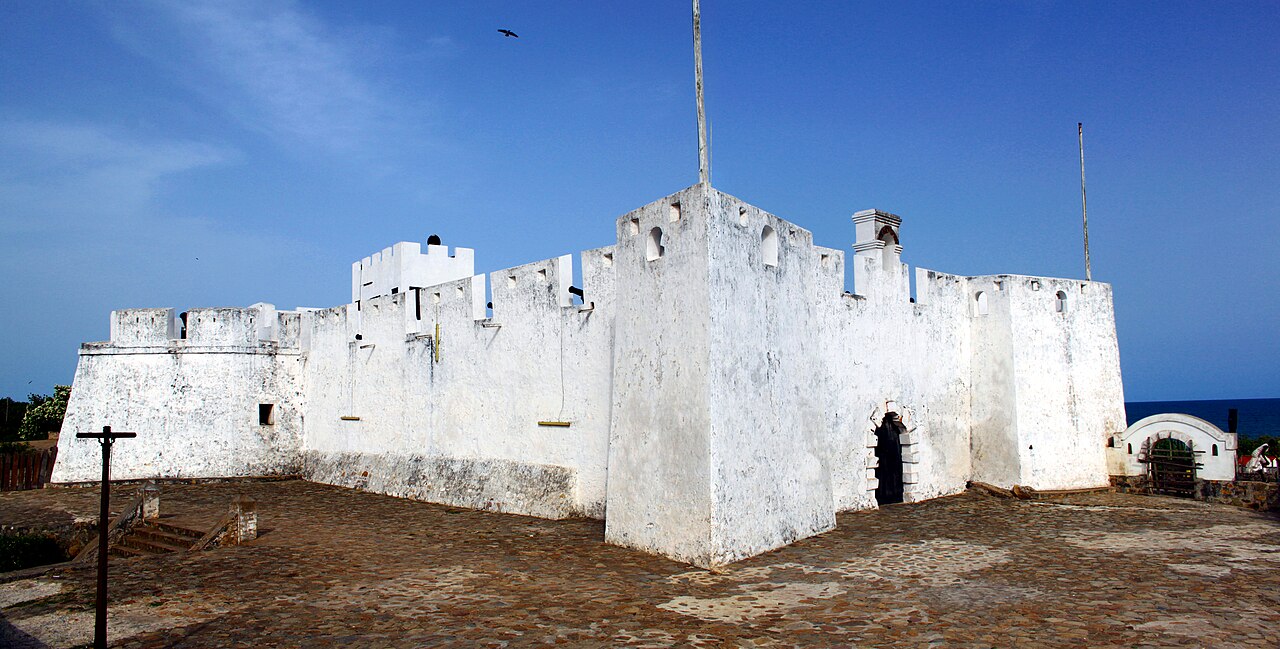
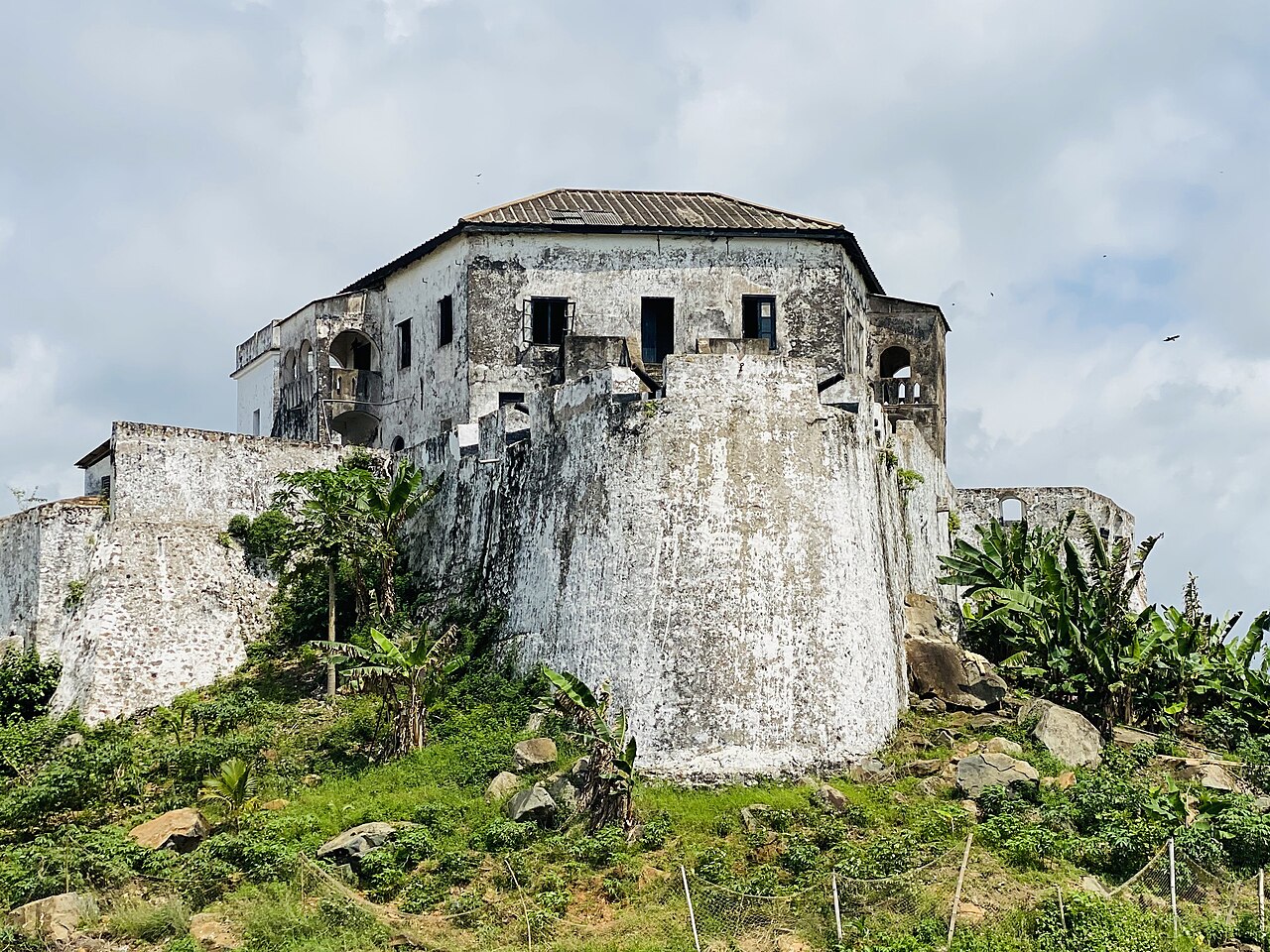
Fort Dorothea is a historic bastioned fortress located along the coast of Ghana, constructed in the 17th century during the Renaissance period. This fortification exemplifies the military architectural style of the time, designed primarily for coastal defense and control of trade routes. Its strategic location made it a significant stronghold during the era of European colonial expansion and the trans-Atlantic trade networks.
Historical context and significance
Built in the 1600s, Fort Dorothea was part of a network of forts and castles established by European powers along the West African coast. These forts served multiple purposes: protecting trading interests, securing territorial claims, and facilitating the export of goods, including gold, ivory, and unfortunately, enslaved people. The fort's construction reflects the intense competition among European nations for dominance in the region.
The fort was named likely in honor of a European noble or royal figure, a common practice to assert ownership and prestige. Its presence in Ghana highlights the area's importance as a hub for European trade and military strategy during the Renaissance era.
Architectural features and design
Bastioned fortress layout
Fort Dorothea is characterized by its bastioned design, a hallmark of Renaissance military architecture. Bastions are angular projections from the main walls, allowing defenders to cover adjacent walls with gunfire, eliminating blind spots. This design was revolutionary in fort construction, adapting to the increasing use of gunpowder artillery.
The fort's walls are thick and robust, constructed from local stone and mortar, designed to withstand cannon fire. The bastions themselves provided platforms for mounting artillery pieces, enhancing the fort's defensive capabilities against naval and land attacks.
Defensive structures and internal layout
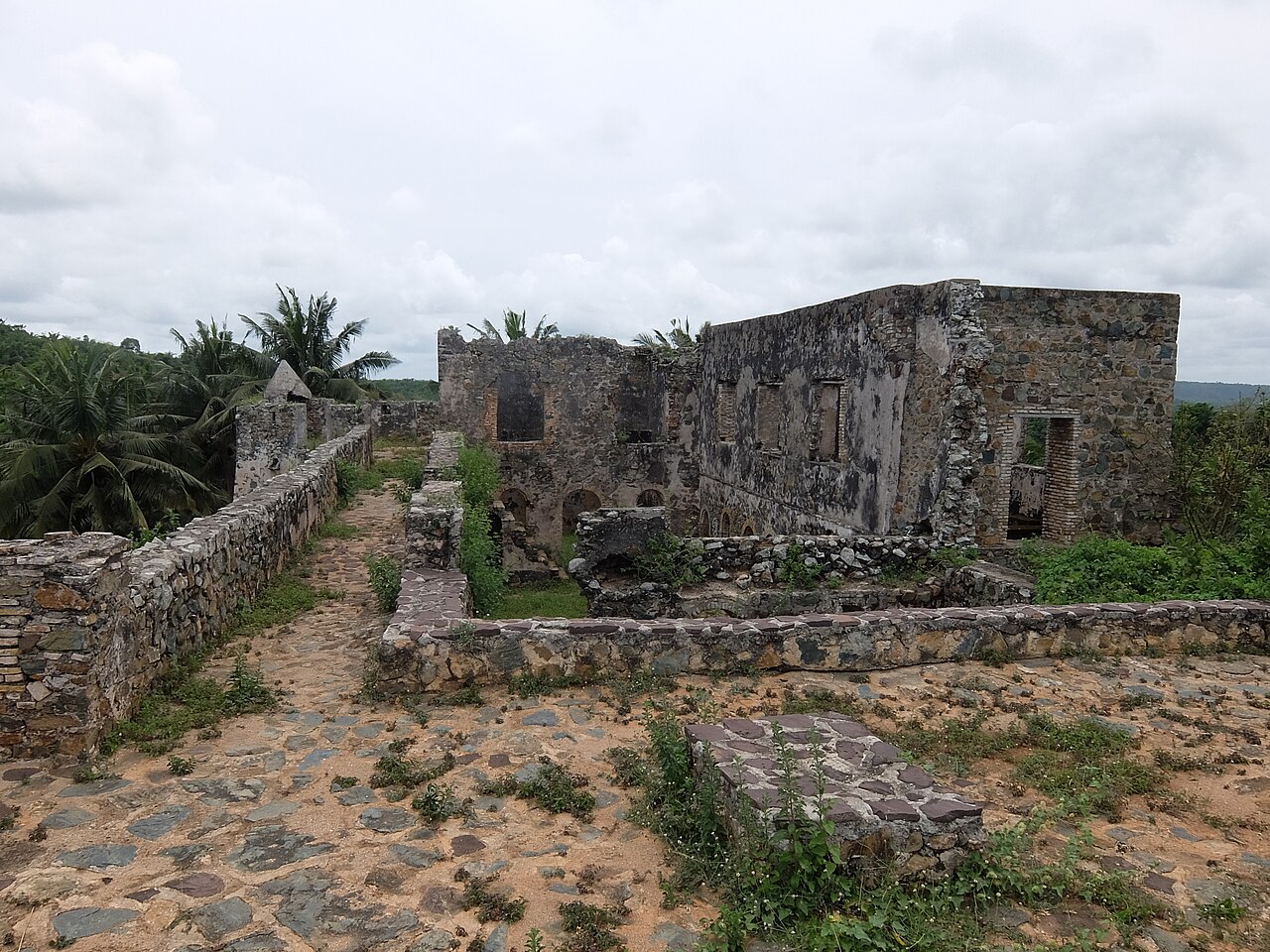
Inside the fort, a courtyard would have been surrounded by barracks, storage rooms, and administrative buildings. The layout was functional, supporting both military operations and the daily life of the garrison. The fort likely included a gatehouse with defensive features such as a drawbridge or heavy doors to control access.
Other typical features might have included dungeons or holding cells, reflecting the fort's role in the control and imprisonment of enslaved people during the trans-Atlantic slave trade period.
Role in regional history and trade
Fort Dorothea played a role in the complex history of European-African interactions along the Gold Coast. It was a point of contact and conflict between European powers and local African states. The fort helped secure trade routes and served as a military base during periods of conflict.
Its position along the coast allowed it to oversee maritime traffic and protect the interests of its controlling nation. The fort's history is intertwined with the broader narrative of colonialism, trade, and cultural exchange in West Africa.
Preservation and current status
Today, Fort Dorothea stands as a well-preserved example of 17th-century bastioned fortress architecture in Ghana. Efforts to maintain and restore the structure have helped preserve its historical integrity, making it an important cultural and heritage site.
The fort attracts visitors interested in military history, architecture, and the complex legacy of the colonial period in West Africa. It contributes to the understanding of the region's past and the impact of European expansionism.
Visiting Fort Dorothea
Visitors to Fort Dorothea can explore the extensive ramparts, bastions, and interior chambers that reveal the fort's military function and historical significance. Interpretive displays often provide context about the fort's construction, use, and the broader history of the Gold Coast.
The site offers insights into Renaissance military engineering and the geopolitical dynamics of the 17th century. It is recommended to visit during daylight hours for safety and to fully appreciate the architectural details and coastal views.
Frequently asked questions (FAQ)
- What is the historical significance of Fort Dorothea?
- Fort Dorothea is a key historical site in Ghana, built in the late 18th century as a defense against invasions and to facilitate trade. It reflects the colonial history of the region and showcases the strategic importance of coastal forts in West Africa.
- When was Fort Dorothea constructed?
- Fort Dorothea was constructed in the year 1790, during a time when European powers were competing for control over trade routes and territories in West Africa. Its establishment marked a significant moment in the region's colonial history.
- What are the opening hours for visiting Fort Dorothea?
- Fort Dorothea is open to visitors from 9:00 AM to 5:00 PM daily. It is advisable to check for any holiday closures or special events that may affect these hours before planning your visit.
- Can I take guided tours of Fort Dorothea?
- Yes, guided tours are available at Fort Dorothea, providing an in-depth understanding of its history and architecture. These tours are led by knowledgeable guides who share fascinating stories about the fort and its role in Ghana's past.
- Is Fort Dorothea accessible for visitors with disabilities?
- Fort Dorothea aims to be accessible to all visitors, but certain areas may present challenges for those with mobility issues due to the historic nature of the structure. It is recommended to contact the fort's administration in advance to inquire about specific accommodations.
- What is the best time to visit Fort Dorothea?
- The best time to visit Fort Dorothea is during the dry season, which runs from November to March. During this time, the weather is more pleasant for exploring the fort and enjoying the surrounding area.
- Are there any nearby attractions to visit along with Fort Dorothea?
- Yes, visitors can explore several nearby attractions such as the Cape Coast Castle and Kakum National Park. These sites complement the historical experience and offer additional opportunities for adventure and cultural immersion.
- What are the ticket prices for entering Fort Dorothea?
- The ticket prices for Fort Dorothea are generally affordable, with discounts available for students and groups. It's a good idea to check the official website or contact the fort for the most current pricing information before your visit.
Photo gallery

Information
Loading map...
Visitor reviews
No reviews yet. Been here? Write the first review and help other travelers!
Write the first reviewVisited this castle? Share your experience
Your review helps other travelers and adds first-hand knowledge to our encyclopedia.