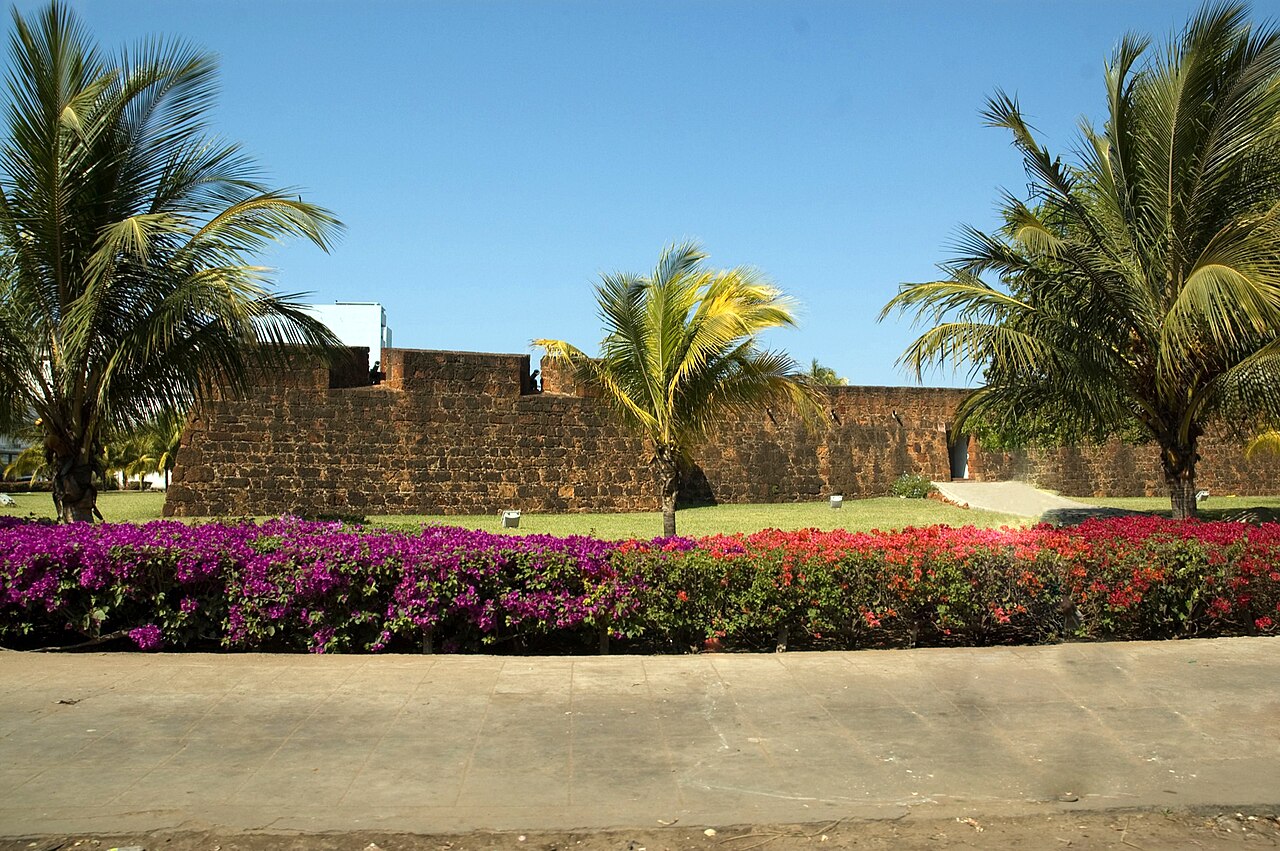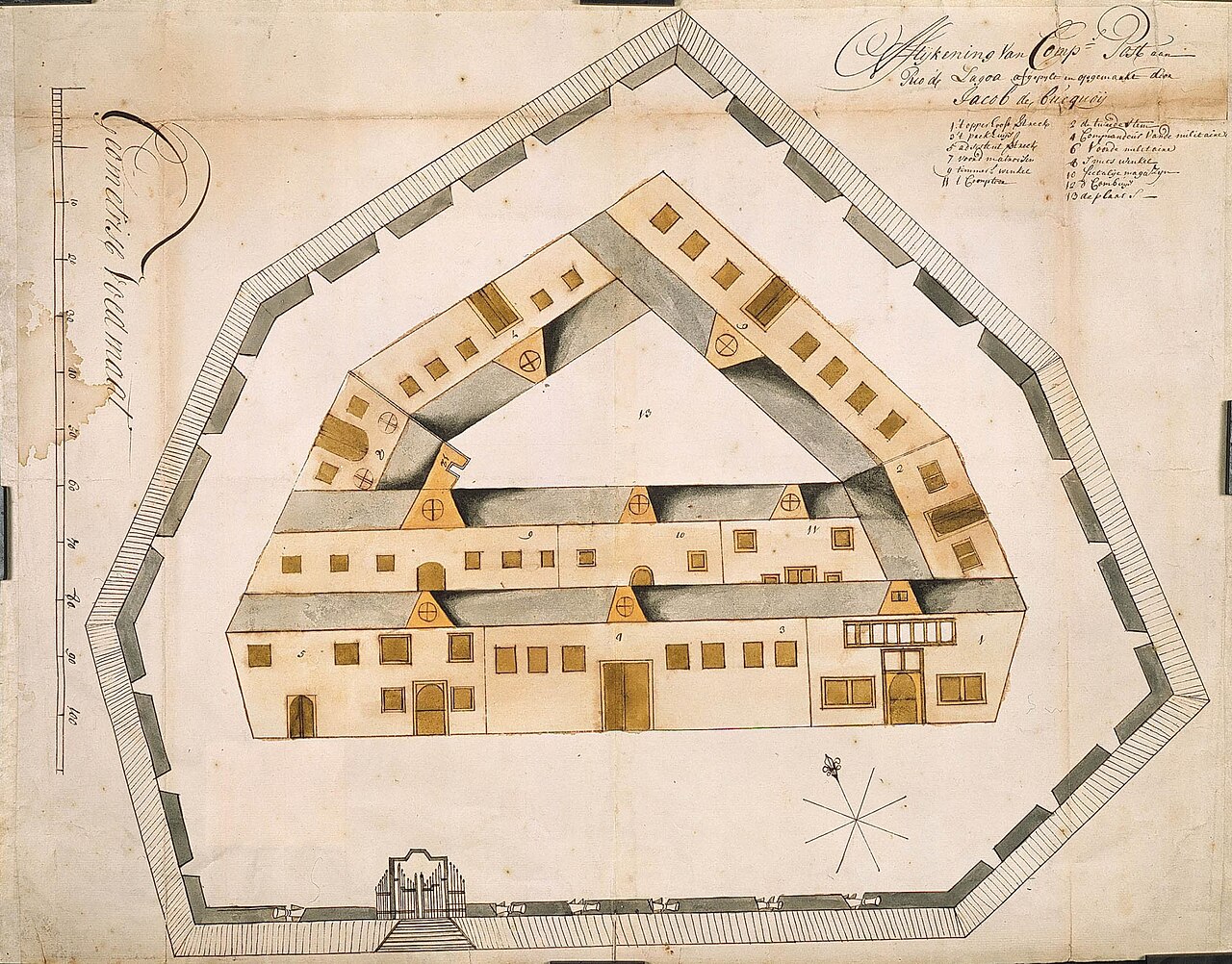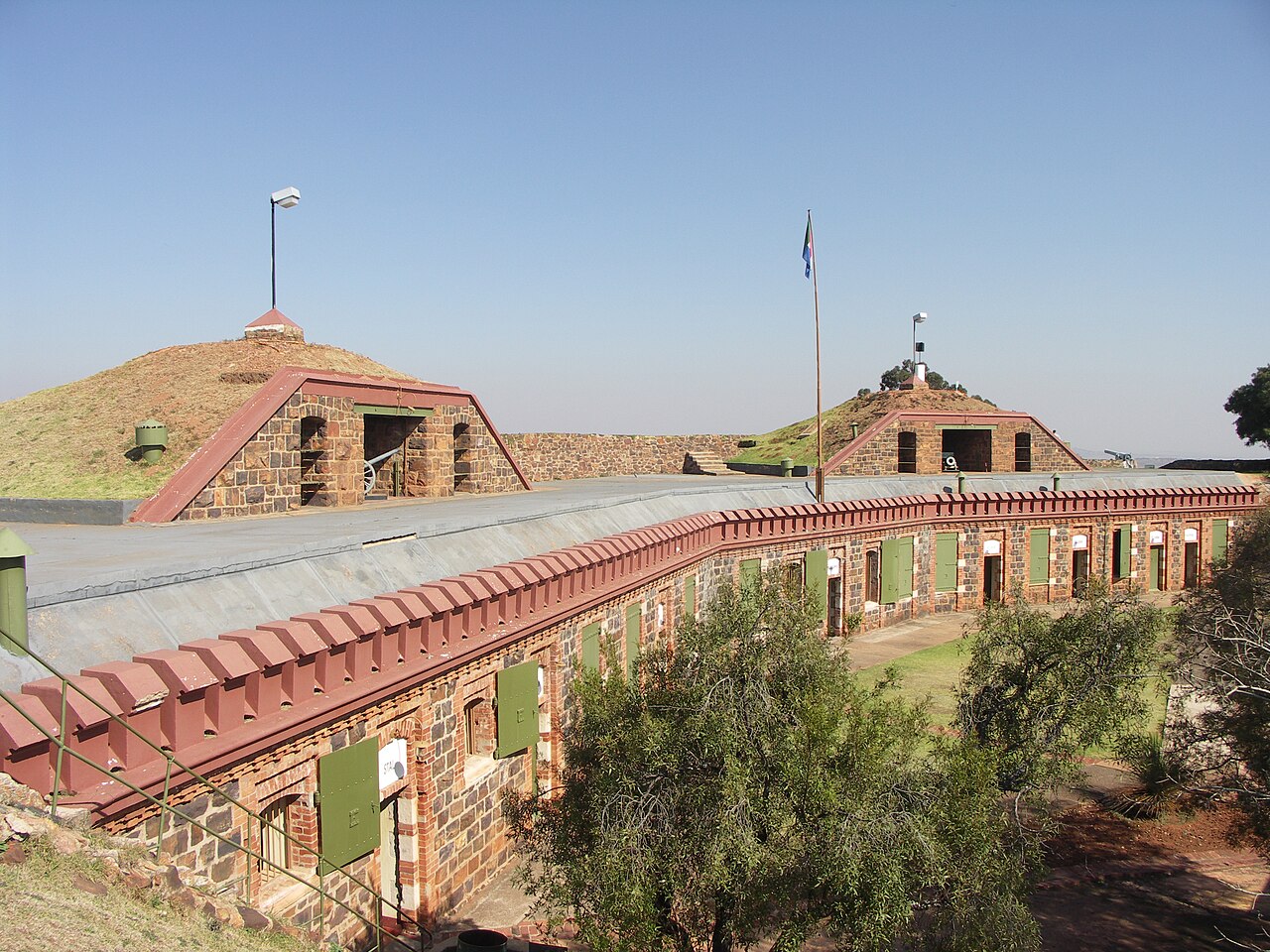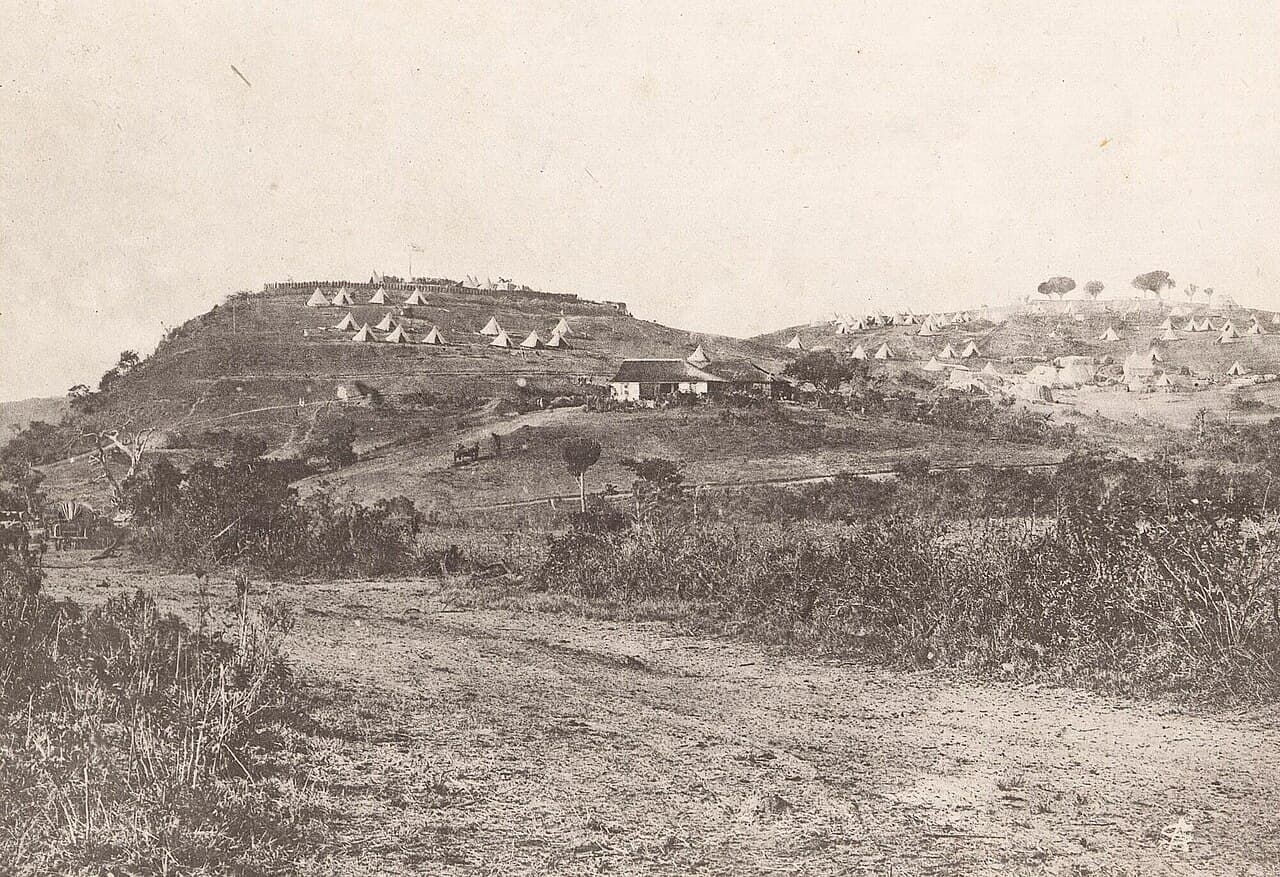
Fort Pearson is a significant bastioned fortress built by the British Empire in the late 19th century on the Natal side of the border with Zululand, South Africa. Constructed in the period leading up to the 1879 Anglo-Zulu War, the fort played a strategic role in controlling the important river crossing over the Tugela River. This crossing was vital for British military movements during the conflict and was the site of several key operations.
Strategic location and design
The fort was positioned on a 300-foot (100 m) high cliff overlooking the Tugela River, providing commanding views and defensive advantage over the river crossing. The main fortification was an earthen redoubt, a type of fortification made primarily from earthworks, which was a common military engineering practice at the time for quickly establishing defensive positions. Fort Pearson was supplemented by two external redoubts, which extended its defensive perimeter and helped secure the approaches to the river crossing.
Architectural features
As a bastioned fortress, Fort Pearson incorporated angled bastions designed to cover adjacent walls with defensive fire, a feature that enhanced its defensive capabilities against attacking forces. The fortifications were primarily earthworks, which were quicker and cheaper to construct than stone, but still effective for the purposes of controlling the river crossing and providing a defensive stronghold in the region.
Role in the Anglo-Zulu War
Fort Pearson was a critical logistical and defensive point during the first invasion of Zululand in January 1879. One of the British military columns crossed the Tugela River at this location before advancing into Zululand. This column subsequently became besieged at Eshowe, highlighting the strategic importance of the crossing and the fort.
The fort also served as a key crossing point for the Eshowe relief column in March 1879 and the second invasion of Zululand in April 1879. These operations underscored Fort Pearson's role as a vital staging and supply base for British forces during the campaign.
Enhancements and communications
In April 1879, during the course of the war, Fort Pearson was strengthened to improve its defensive capabilities, reflecting its ongoing military importance. By June 1879, the fort had been connected to Pietermaritzburg by telegraph, which greatly enhanced communication and coordination for the British military efforts in the region.
Post-war use and historical significance
The British victory in the Anglo-Zulu War in July 1879 led to a period of relative peace, but Fort Pearson remained a strategic military site. In 1883, during the Third Zulu Civil War, the fort was briefly reoccupied by British troops, demonstrating its continued military relevance in the region's turbulent history.
Preservation and current condition
Today, Fort Pearson stands as a historical site reflecting the military architecture and colonial history of the late 19th century in South Africa. The fort's earthen redoubts and bastioned design offer insights into British military engineering practices of the period. While not constructed of stone or brick, the earthworks have endured as a testament to the strategic importance of the location.
Historical context of the Anglo-Zulu War
The Anglo-Zulu War was a conflict between the British Empire and the Zulu Kingdom in 1879. The war was marked by several significant battles and sieges, including the famous Battle of Isandlwana and the Siege of Eshowe. Fort Pearson's role in securing the river crossing was crucial for British troop movements and supply lines during these campaigns.
Military logistics and river crossings
Control of river crossings such as the one at Fort Pearson was essential for moving troops, artillery, and supplies into Zululand. The fort's location on a high cliff allowed British forces to monitor and defend this critical point, preventing Zulu forces from disrupting their operations.
Architectural and military significance
Fort Pearson exemplifies the use of bastioned fortifications adapted to local terrain and the requirements of colonial warfare. Its earthen construction was typical of field fortifications used in the 19th century, balancing speed of construction with defensive effectiveness. The fort's design reflects British military engineering principles aimed at controlling key geographic features and supporting offensive campaigns.
Comparison with other colonial forts
Unlike large stone castles or permanent fortresses, Fort Pearson was a more temporary and tactical installation. Its bastioned layout was influenced by European military architecture but adapted to the realities of warfare in southern Africa. This type of fortification was common in colonial conflicts where rapid deployment and control of strategic points were paramount.
Frequently asked questions (FAQ)
- What is the historical significance of Fort Pearson?
- Fort Pearson is an important historical site in South Africa, known for its role during the Anglo-Zulu War in the late 19th century. It served as a strategic military outpost, providing crucial defense and support for British forces. The fort's preservation offers visitors a glimpse into the military history of the region.
- When was Fort Pearson built?
- Fort Pearson was constructed in 1879 as part of the British military's efforts to secure the area during the conflicts with the Zulu Kingdom. The fortification exemplifies the military architecture of the time, reflecting the strategic needs of its era. Its construction marked a significant moment in South African history.
- How do I get to Fort Pearson?
- Fort Pearson is accessible by car and is located near the town of Stanger in South Africa. Visitors can follow the N2 highway and take the exit towards the fort, which is well signposted. Public transportation options may be limited, so planning a visit by private vehicle is recommended.
- What are the opening hours for Fort Pearson?
- Fort Pearson is typically open to visitors from 9 AM to 5 PM, Monday through Saturday. It is advisable to check for any seasonal variations or public holiday closures before planning your visit. Guided tours are available at specific times, which can enhance the experience.
- Can I take guided tours of Fort Pearson?
- Yes, guided tours are available at Fort Pearson, providing an in-depth look at the history and architecture of the site. These tours are led by knowledgeable guides who share fascinating stories and insights about the fort's significance. It is recommended to book in advance, especially during peak tourist seasons.
- Is Fort Pearson accessible for individuals with disabilities?
- Fort Pearson strives to be accessible to all visitors, with some pathways and areas designed to accommodate individuals with mobility challenges. However, due to the fort's historical nature and terrain, some areas may still present challenges. It is advisable to contact the site in advance to discuss specific accessibility needs.
- What is the best time to visit Fort Pearson?
- The best time to visit Fort Pearson is during the cooler months from May to September, when temperatures are more moderate and pleasant for exploring. Additionally, this period typically sees less rainfall, making outdoor activities more enjoyable. Visiting during weekdays may also allow for a quieter experience.
- Are there any nearby attractions to Fort Pearson?
- Yes, there are several attractions near Fort Pearson, including the beautiful beaches of the Dolphin Coast and the historical sites in the region. Visitors can also explore the vibrant cultural offerings and nature reserves in the surrounding area. Planning a day trip can provide a rich experience of South African heritage and natural beauty.
- What are the ticket prices for visiting Fort Pearson?
- Ticket prices for Fort Pearson are generally affordable, making it accessible for families and groups. Discounts may be available for students, seniors, and children. It is advisable to check the official website or contact the site for the most current pricing information before your visit.

Information
Loading map...
Visitor reviews
No reviews yet. Been here? Write the first review and help other travelers!
Write the first reviewVisited this castle? Share your experience
Your review helps other travelers and adds first-hand knowledge to our encyclopedia.