Fort Kumasi
Fort Kumasi is a notable example of a 19th-century bastioned fortress located in Ghana. Constructed during the modern period, this fort reflects the strategic military architecture employed by European colonial powers in West Africa. Its design incorporates characteristic features of bastioned fortifications, which were developed to withstand artillery attacks and provide overlapping fields of defensive fire.
Historical context and significance
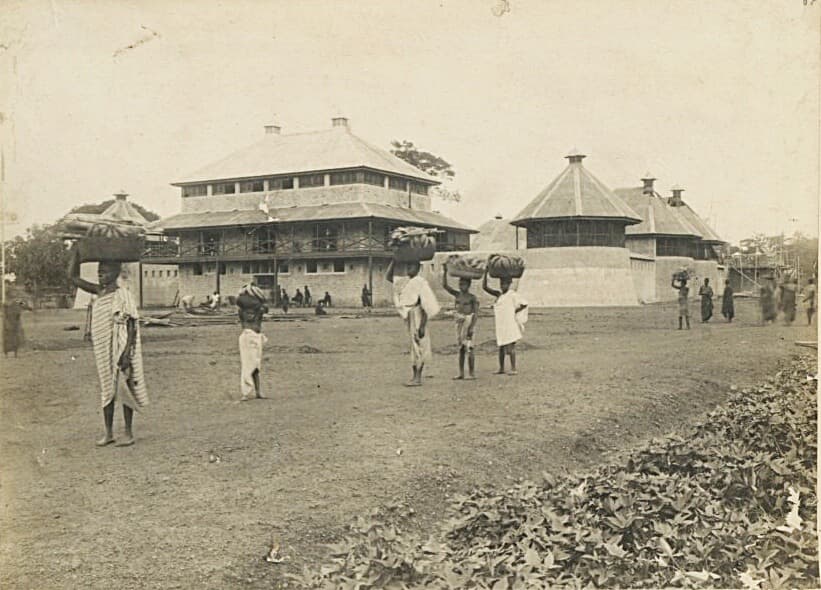
Built in the 19th century, Fort Kumasi was part of a network of coastal and inland forts established by European colonial powers, primarily the British and the Dutch, to secure their trading interests and territorial control in the region. Kumasi, being a significant city in the Ashanti Kingdom, was a focal point of colonial military and political activity. The fort played a role in the colonial conflicts and administration of the area, serving both defensive and administrative purposes.
Architectural features of Fort Kumasi
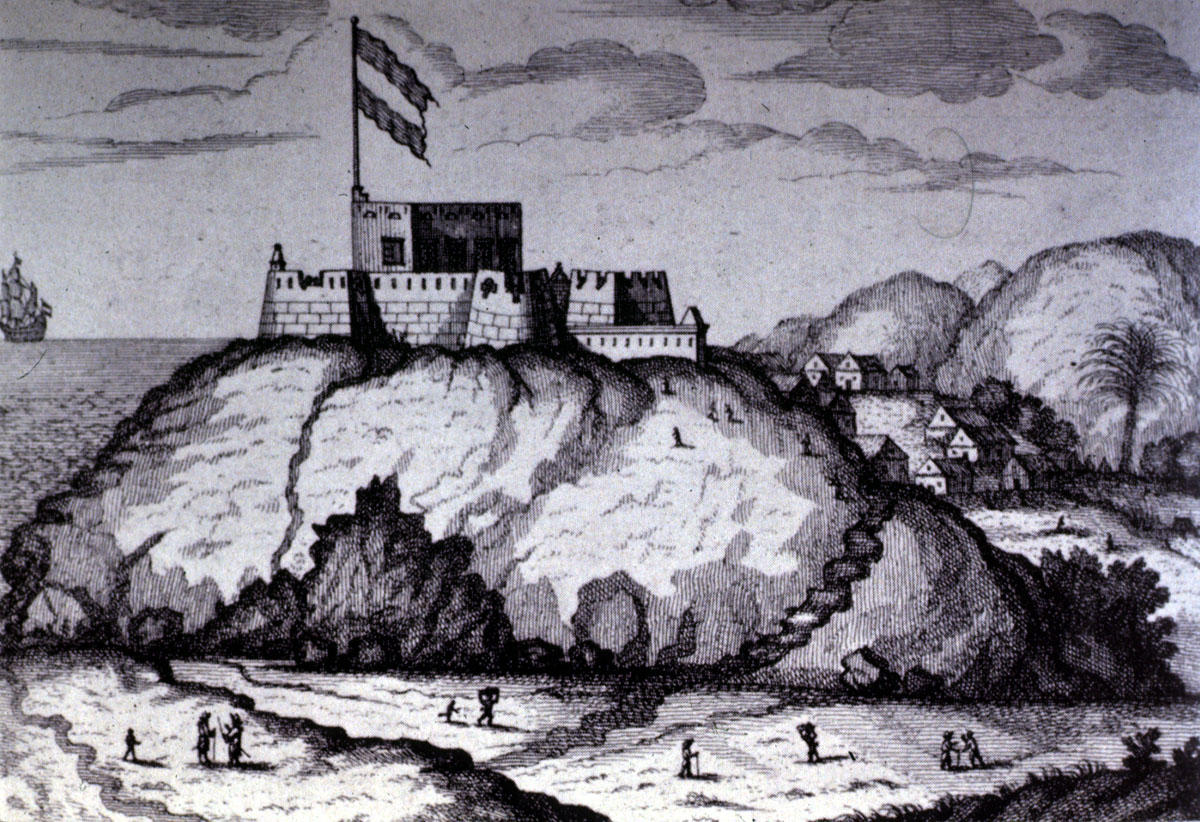
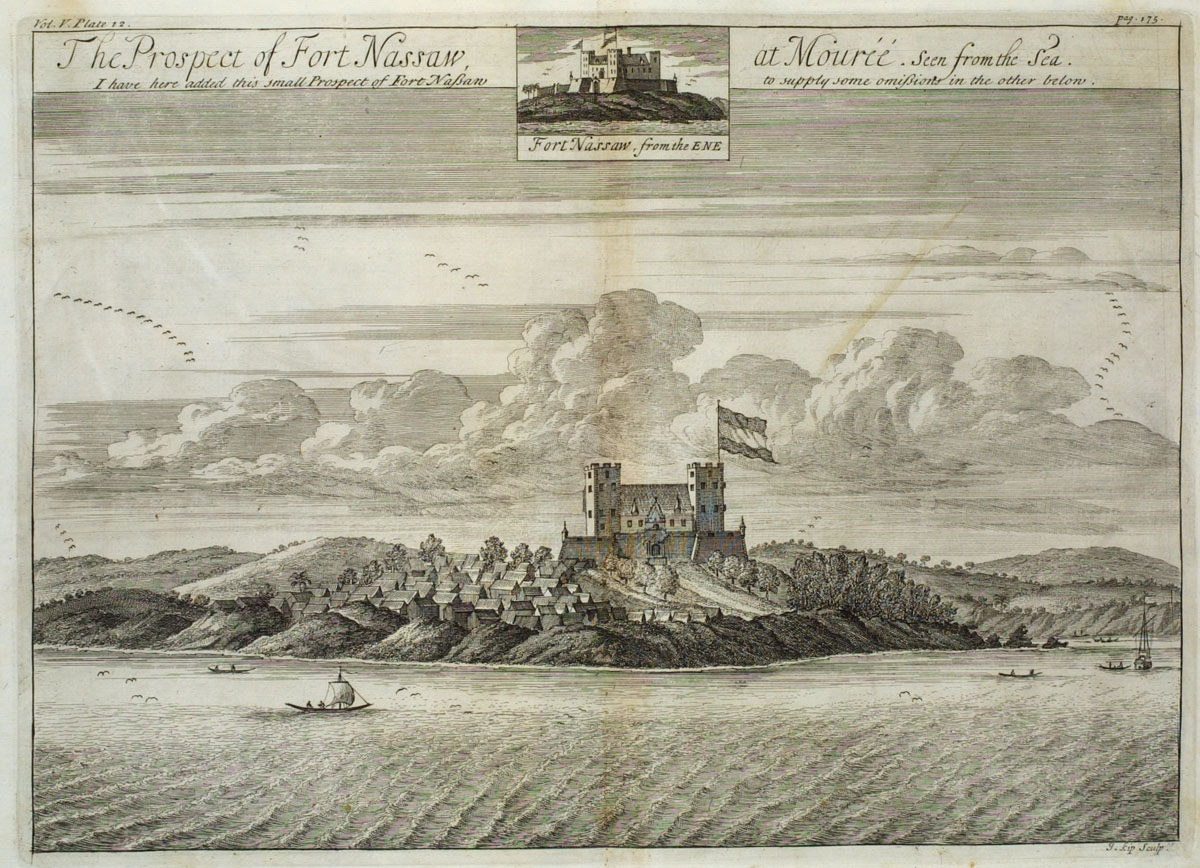
The fort is classified as a bastioned fortress, a style that emerged in the early modern period and was widely used through the 17th to 19th centuries. This architectural style is characterized by angular bastions projecting from the main walls, allowing defenders to cover adjacent walls with cannon and musket fire, minimizing blind spots.
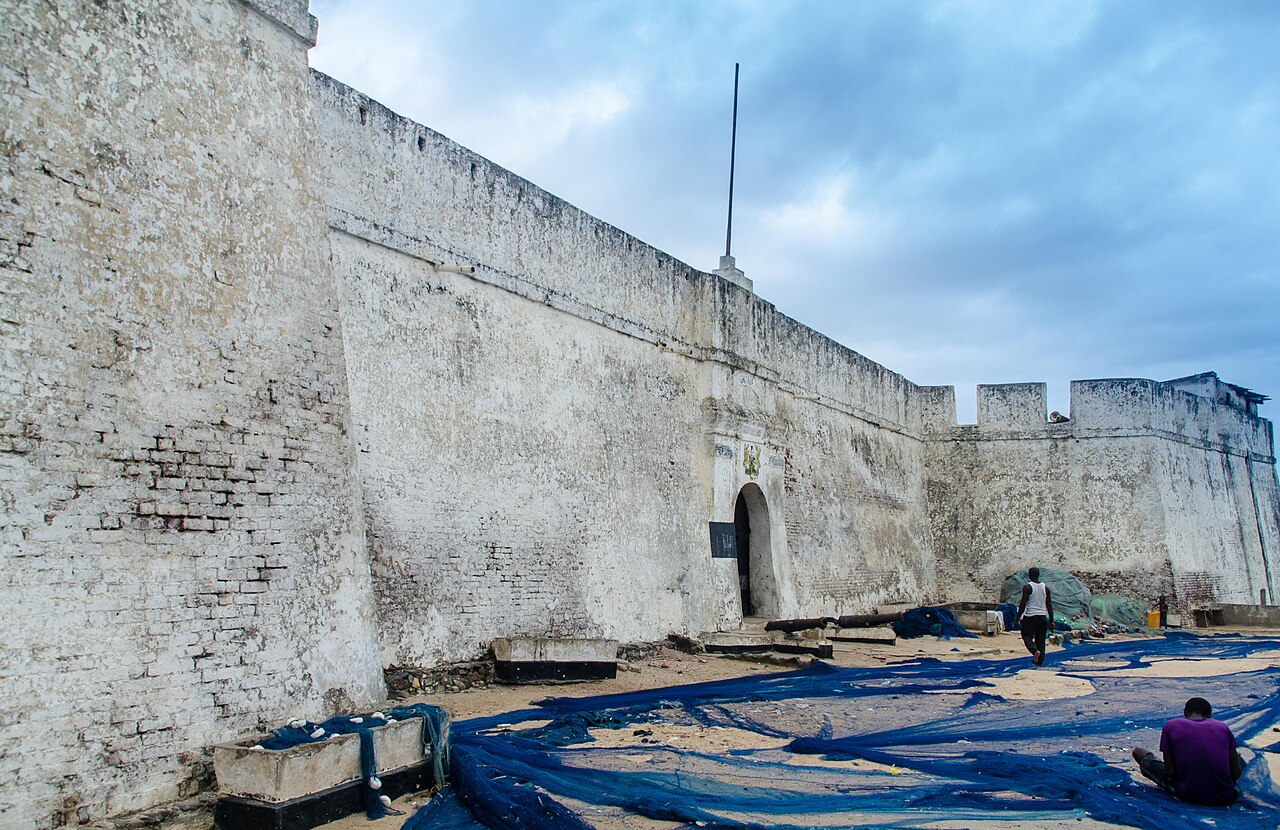
Fort Kumasi features thick defensive walls, constructed from locally available materials, designed to resist artillery bombardment. The bastions are positioned at the corners of the fort, providing a strategic advantage against attackers. Inside the fort, there would have been military barracks, armories, and possibly administrative buildings, although specific internal layouts are less documented.
Role in regional history
The fort’s presence in Kumasi is closely linked to the history of the Ashanti Kingdom and its interactions with European colonial powers. The Ashanti were a powerful West African state, and the fort symbolized colonial attempts to exert control over the region. It was involved in various conflicts during the Ashanti Wars, which were a series of military confrontations between the Ashanti and the British Empire in the 19th century.
Current condition and preservation
Today, Fort Kumasi stands as a partially preserved historical structure. While some sections of the fort remain intact, others have suffered from deterioration due to time and environmental factors. Preservation efforts have been limited, but the site remains an important cultural and historical landmark, attracting interest from historians and visitors interested in Ghana's colonial past and military architecture.
Visiting Fort Kumasi
Visitors to Fort Kumasi can explore the remnants of the fort and gain insight into the colonial military strategies employed in West Africa. The fort's location in Kumasi makes it accessible to tourists exploring the Ashanti region, which is also rich in cultural heritage, including the famous Manhyia Palace and the Ashanti crafts markets.
Nearby attractions
- Manhyia Palace Museum: The historical seat of the Ashanti kings, offering exhibits on Ashanti history and culture.
- Kumasi Central Market: One of the largest markets in West Africa, showcasing local crafts and goods.
- Kwame Nkrumah University of Science and Technology: Nearby institution with cultural and educational significance.
Frequently asked questions about Fort Kumasi
- What is Fort Kumasi? Fort Kumasi is a 19th-century bastioned fortress located in Kumasi, Ghana, built during the colonial period to secure military and administrative control.
- When was Fort Kumasi built? It was constructed in the 19th century during the modern period of fortifications in West Africa.
- Can visitors explore Fort Kumasi? Yes, the fort is partially preserved and accessible to visitors interested in colonial history and military architecture.
- Why is Fort Kumasi historically important? It represents colonial military presence in the Ashanti region and played a role in the Ashanti Wars against British forces.
- What architectural style does Fort Kumasi represent? The fort is a bastioned fortress, featuring angular bastions and thick defensive walls typical of early modern military architecture.
- Are there other attractions near Fort Kumasi? Yes, nearby attractions include the Manhyia Palace Museum, Kumasi Central Market, and cultural sites in the Ashanti region.
Frequently asked questions (FAQ)
- How do I get to Fort Kumasi?
- Fort Kumasi is located in the heart of Kumasi, Ghana, making it easily accessible by local transportation options such as taxis and buses. Visitors can also reach the fort by walking from nearby attractions, as it is situated centrally in the city.
- What is the historical significance of Fort Kumasi?
- Fort Kumasi, built during the Ashanti-British wars in the late 19th century, served as a military fortification and played a key role in the history of the Ashanti Empire. It represents the colonial history of Ghana and is a symbol of resistance and resilience for the Ashanti people.
- When was Fort Kumasi built?
- Fort Kumasi was constructed in 1820 by the British as part of their military strategy in the Ashanti region. The fort has undergone several renovations and expansions since its original construction, reflecting changes in military architecture over the years.
- Can I take guided tours of Fort Kumasi?
- Yes, guided tours of Fort Kumasi are available, providing visitors with insights into its history, architecture, and the stories of those who once inhabited the fort. Tours can be arranged on-site, and it's recommended to check for availability on busy days.
- Why is Fort Kumasi an important architectural site?
- Fort Kumasi is notable for its unique blend of European and African architectural styles, showcasing the cultural exchange that occurred during the colonial period. The fort's design includes elements typical of 19th-century military architecture, making it a valuable site for architectural enthusiasts.
- Is it possible to visit Fort Kumasi year-round?
- Yes, Fort Kumasi is open to visitors year-round, but the best time to visit is during the dry season from November to March. This period typically offers more pleasant weather for exploring the fort and its surroundings.
- What are the opening hours for Fort Kumasi?
- Fort Kumasi is generally open from 9 AM to 5 PM daily, allowing ample time for visitors to explore. It is advisable to check for any changes in hours or special events that may affect visiting times.
- What are the ticket prices for visiting Fort Kumasi?
- Tickets to Fort Kumasi are reasonably priced, with discounts available for students and groups. Visitors are encouraged to confirm current ticket prices at the entrance, as they may vary based on special exhibitions or events.
- Are there nearby attractions to visit after Fort Kumasi?
- Yes, there are several nearby attractions, including the Manhyia Palace Museum and the Kejetia Market, both of which offer rich cultural experiences. Exploring these sites after visiting Fort Kumasi can provide a deeper understanding of the Ashanti heritage and local life.
Photo gallery

Information
Loading map...
Visitor reviews
No reviews yet. Been here? Write the first review and help other travelers!
Write the first reviewVisited this castle? Share your experience
Your review helps other travelers and adds first-hand knowledge to our encyclopedia.