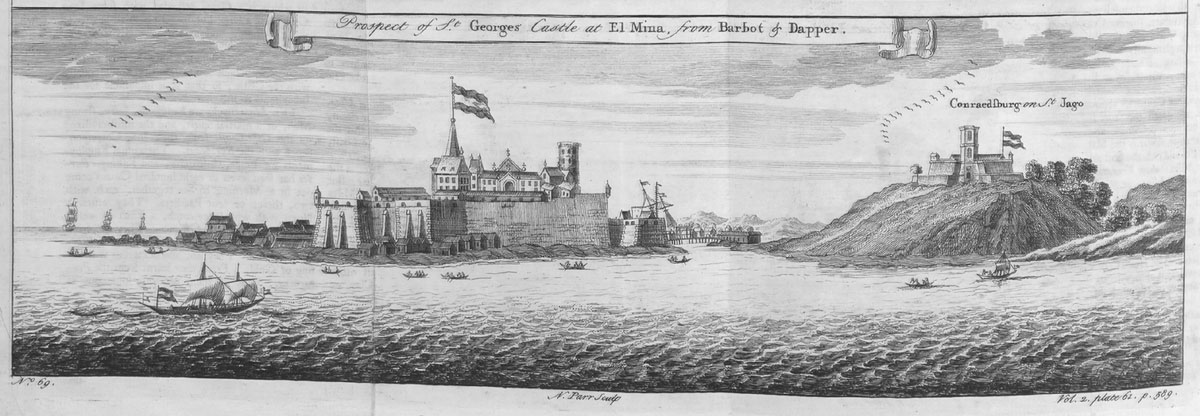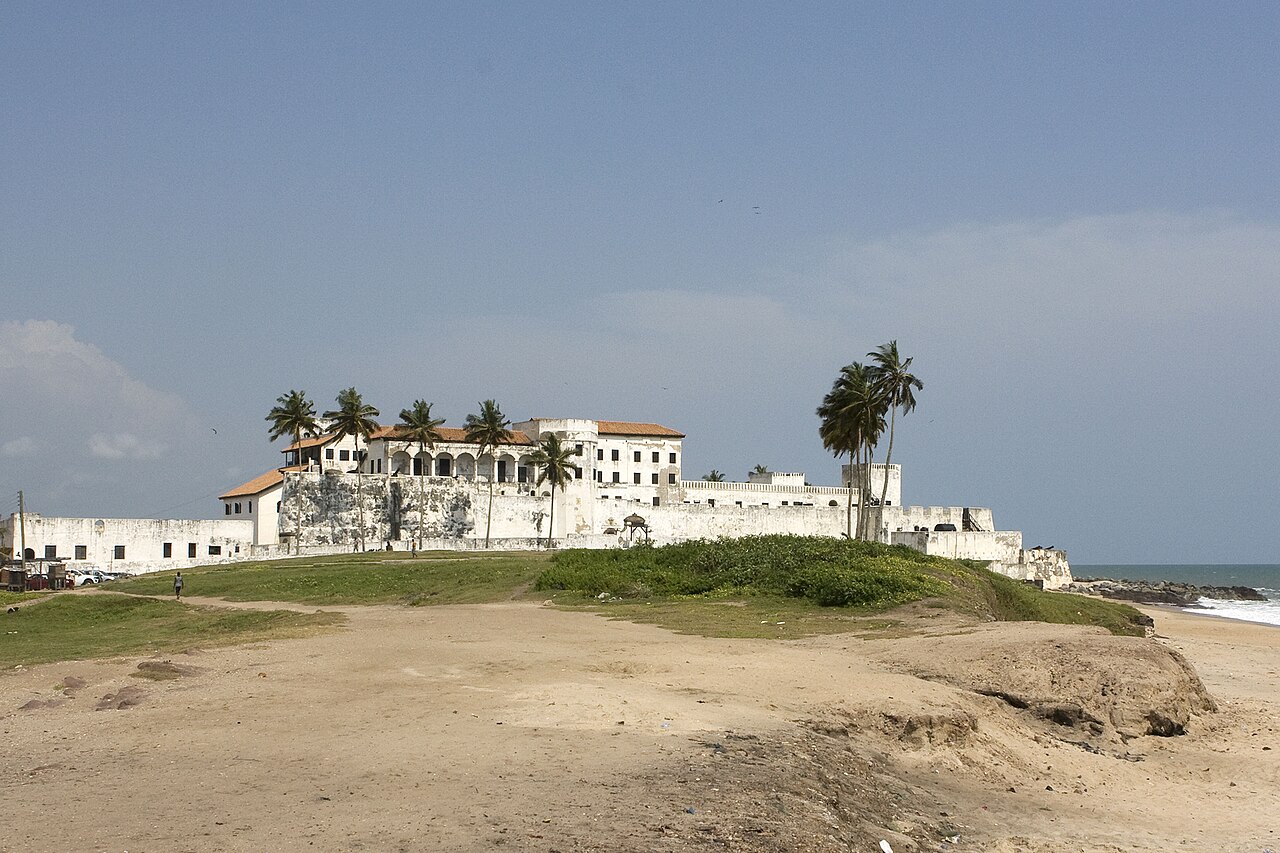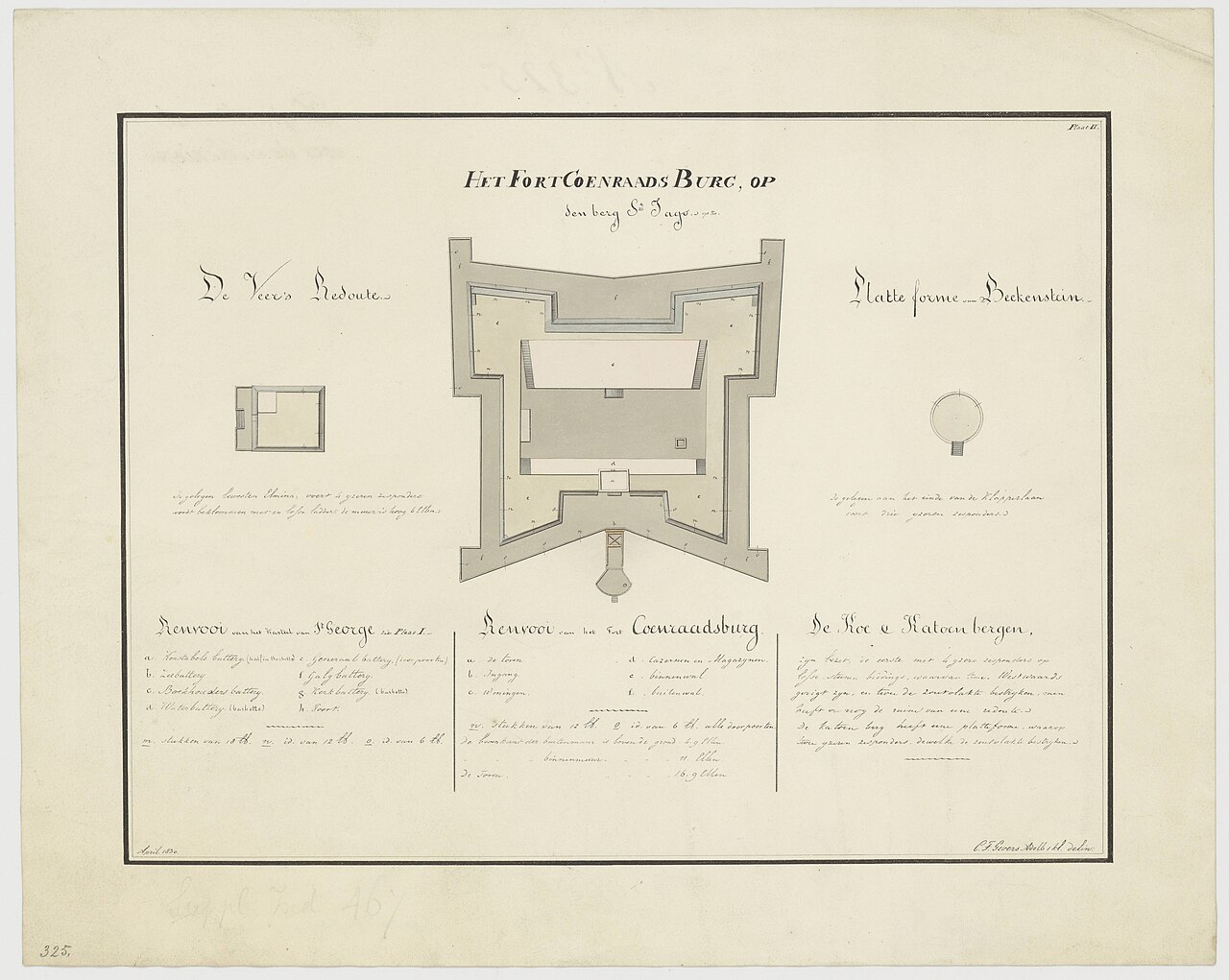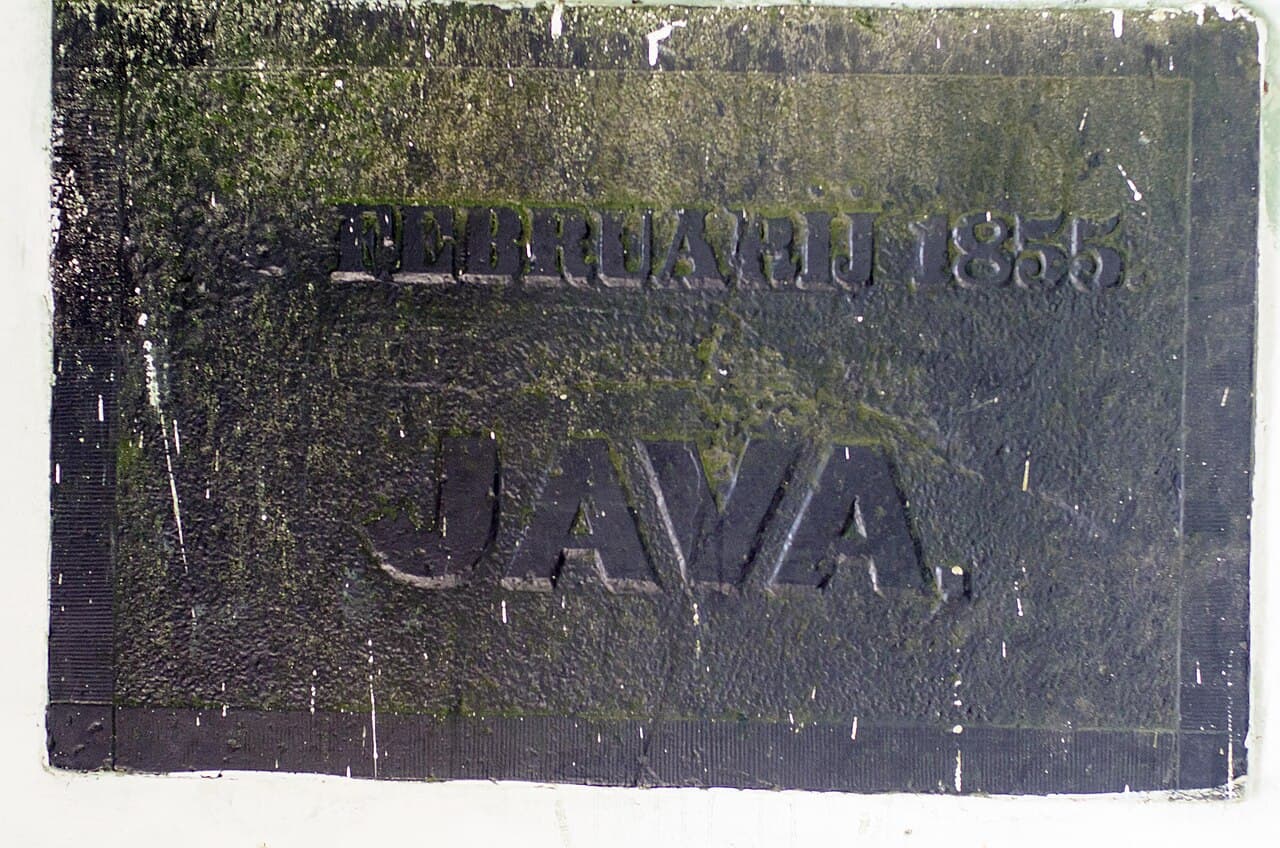
Fort Java stands as a significant example of 19th-century bastioned fortress architecture in Ghana. Constructed during the modern period, this fortress reflects the military and colonial strategies employed along the West African coast. Its design incorporates typical bastioned defensive structures that were prevalent in fortifications built to withstand artillery attacks and provide overlapping fields of fire.
Architectural design and fortifications
The fortress features a classic bastioned layout, characterized by angular bastions projecting from the main walls, allowing defenders to cover adjacent walls with defensive fire. This design was essential for coastal forts to repel both naval and land-based assaults. The walls were constructed from durable materials suitable for the local climate and to resist cannon fire, often including thick masonry and stone.
Fort Java likely included other typical elements such as ramparts, curtain walls, and a central courtyard. The bastions would have been equipped with artillery placements, while the interior spaces accommodated garrison quarters, storage rooms, and command facilities. These features were integral to the operational functionality of the fort.
Historical context and significance
Built in the 19th century, Fort Java was part of a network of coastal forts established by European powers during the era of colonial expansion and trade along the West African coast. These forts served multiple purposes: military defense, control of trade routes, and administration of colonial territories.
Ghana's coastline was dotted with such fortifications, each playing a role in the complex interactions between European colonizers and local African polities. Fort Java's strategic location would have been chosen to monitor maritime activities and protect colonial interests in the region.
Preservation and current status
While detailed information on the current condition of Fort Java is limited, bastioned forts of this era in Ghana often face challenges related to weathering and preservation. Many have been partially restored or remain in a state of ruin, reflecting the passage of time and changing political landscapes.
Efforts to preserve such sites are important for understanding the military architecture of the colonial period and the broader historical narratives of Ghana. Fort Java contributes to the cultural heritage of the region and offers insights into the defensive strategies employed during the modern period.
Visiting Fort Java
Visitors interested in military history and colonial architecture may find Fort Java a valuable site to explore, though access and visitor facilities may vary. It is advisable to check local resources for current visiting hours and any guided tours that provide historical context.
Architectural legacy and influence
The bastioned fortress design of Fort Java is part of a broader tradition of European military architecture adapted to African contexts. Its robust construction and strategic layout exemplify the adaptation of European fortification principles to the challenges of coastal defense in West Africa.
This architectural legacy influenced subsequent fortifications in the region and remains a subject of study for historians and architects interested in colonial-era military structures.
Frequently asked questions (FAQ)
- How do I get to Fort Java?
- Fort Java is located in Ghana and is accessible by both public transport and private vehicles. Visitors can take a bus or taxi to nearby towns and then follow local directions to reach the castle. It is advisable to check local maps or navigation apps for the best routes.
- What is the historical significance of Fort Java?
- Fort Java was built during the colonial era as a defense structure and served various purposes throughout its history. It played a crucial role in trade and military activities in the region. Today, it stands as a testament to Ghana's rich history and colonial past.
- When was Fort Java constructed?
- Fort Java was constructed in the late 17th century, with its establishment marking a significant point in Ghana's colonial history. Its architecture and design reflect the military styles of that period. Over the years, it has undergone several renovations to preserve its historical integrity.
- Can I take a guided tour of Fort Java?
- Yes, guided tours are available for visitors to explore and learn about Fort Java's history and architecture. These tours typically include knowledgeable guides who can provide insights into the castle's significance. It is recommended to book in advance, especially during peak tourist seasons.
- Why is Fort Java considered an important architectural site?
- Fort Java showcases a unique blend of indigenous and European architectural styles, making it a significant example of colonial military architecture. Its robust structure and strategic location highlight the engineering capabilities of the time. The fort's design also reflects the cultural influences that shaped Ghana's history.
- Is it possible to visit Fort Java year-round?
- Yes, Fort Java is open to visitors year-round, although certain holidays or events may affect access. It’s advisable to check the official website or contact local tourism offices for any special closures or events. The fort's historical value attracts visitors throughout the year.
- What are the opening hours for Fort Java?
- Fort Java typically opens at 9 AM and closes at 5 PM, with last admissions usually an hour before closing. However, it’s best to verify the hours before your visit, as they may vary seasonally or on holidays. Guided tours usually follow these hours as well.
- What are the ticket prices for visiting Fort Java?
- Ticket prices for Fort Java vary for local and international visitors, with discounts often available for children and students. It’s advisable to check the official website or local tourist information for the most current pricing. Keep in mind that guided tours may have separate fees.
- What nearby attractions can I visit after Fort Java?
- After visiting Fort Java, you can explore other historical sites and cultural attractions nearby, such as local markets and museums that showcase Ghana's heritage. Additionally, beautiful beaches and nature reserves are within a short drive, offering opportunities for relaxation and exploration. It's a great way to immerse yourself in the local culture.
Photo gallery

Information
Loading map...
Visitor reviews
No reviews yet. Been here? Write the first review and help other travelers!
Write the first reviewVisited this castle? Share your experience
Your review helps other travelers and adds first-hand knowledge to our encyclopedia.