Fort De Veer
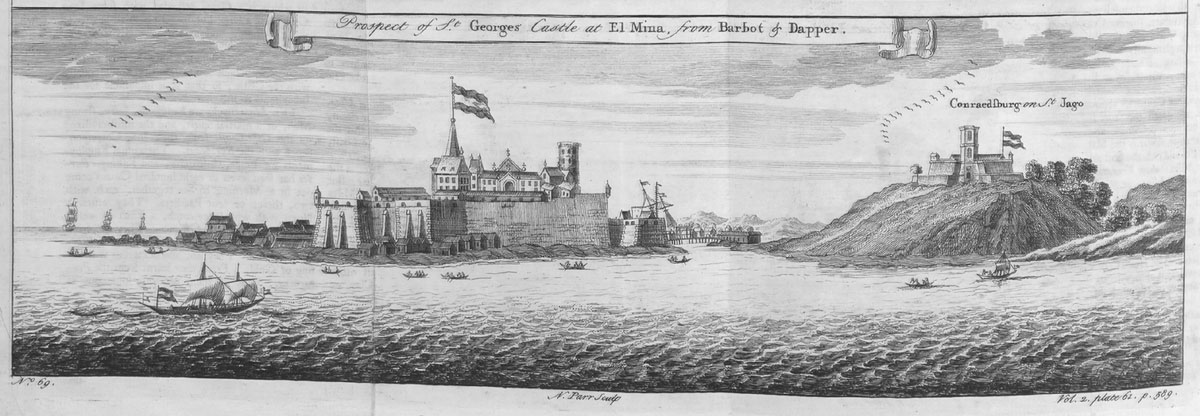
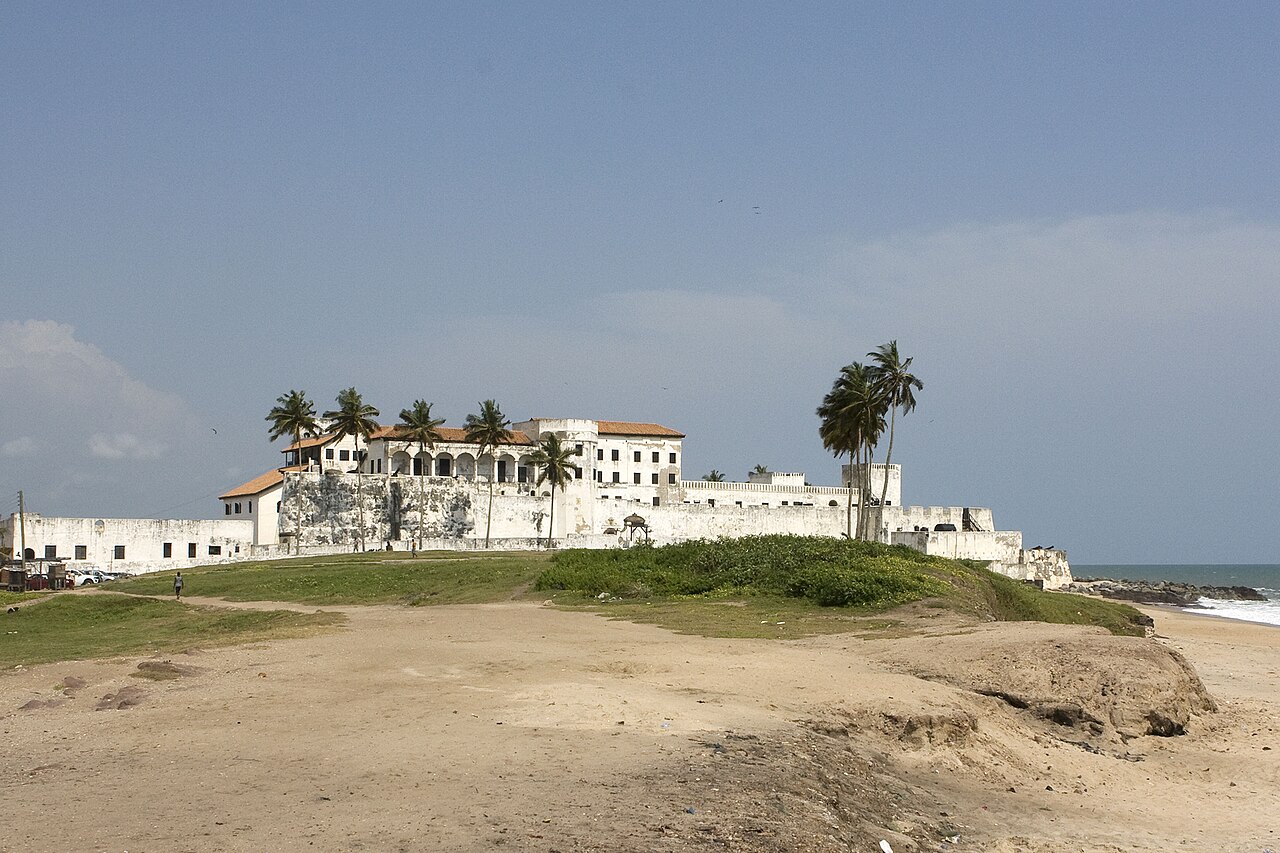
Fort De Veer is a historic bastioned fortress located along the coast of Ghana, West Africa. Constructed in the 17th century, it represents a significant example of European military architecture adapted for the African coastal environment during the era of colonial expansion and trade. The fort was strategically positioned to control maritime access and protect trading interests, especially during the height of the transatlantic trade period.
Historical context and construction
The construction of Fort De Veer dates back to the early 1600s, built by the Dutch as part of their efforts to establish a foothold on the Gold Coast. This period marked intense competition among European powers, including the Dutch, Portuguese, British, and Danes, for control of trade routes and resources in West Africa. The fort was named after the Dutch admiral Adriaan van der Veen, reflecting its Dutch origins.
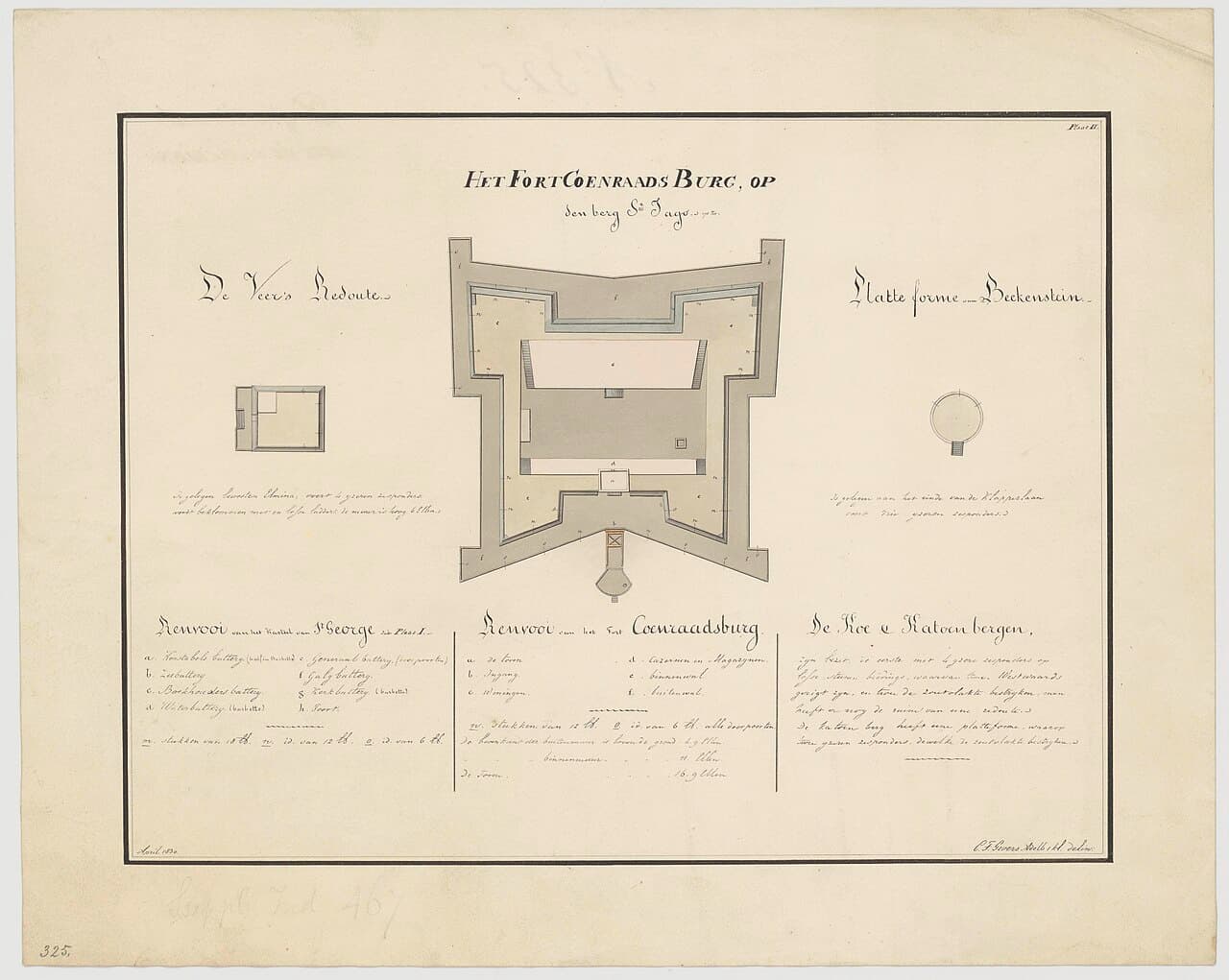
The fort's design follows the bastioned fortress style, which was a prevalent military architectural form in Europe during the Renaissance and early modern periods. This style features angular bastions projecting from the walls, allowing defenders to cover adjacent walls with gunfire, minimizing blind spots and enhancing defensive capabilities against artillery and infantry attacks.
Architectural features and layout
Fort De Veer exhibits typical characteristics of a bastioned fortress, including thick stone walls, angular bastions at the corners, and a compact, geometric layout optimized for defense. The fort's walls were constructed from locally sourced stone and mortar, designed to withstand cannon fire and sieges.
The fortress includes several key structures: gun batteries positioned on the bastions, officers' quarters, storage rooms for ammunition and provisions, and a that served as a central space for daily activities and troop assembly. The entrance is fortified with a heavy gate and guardhouses, providing controlled access to the interior.
Role in regional history
Throughout its active use, Fort De Veer played a crucial role in the control and facilitation of trade along the Gold Coast, particularly in gold, ivory, and unfortunately, enslaved people. It functioned as a military stronghold, trading post, and administrative center under Dutch colonial administration.
The fort witnessed several conflicts and power shifts as control of the Gold Coast changed hands between European powers. Its robust defensive design allowed it to resist attacks and maintain Dutch presence in the region for a significant period.
Preservation and current status
Today, Fort De Veer stands as a partially preserved monument reflecting the complex colonial history of Ghana and the broader West African coast. While some areas of the fort have suffered from weathering and neglect, restoration efforts have aimed to stabilize the remaining structures and promote the site as a cultural heritage landmark.
The fort is accessible to visitors interested in the history of European colonialism, military architecture, and the transatlantic trade era. Interpretive displays and guided tours help contextualize the fort's significance within Ghana's historical narrative.
Architectural significance and legacy
The bastioned design of Fort De Veer exemplifies the transfer of European military engineering techniques to African contexts during the early modern period. Its angular bastions and thick walls demonstrate adaptation to the evolving nature of warfare, particularly the use of gunpowder artillery.
As part of a network of forts along the Gold Coast, Fort De Veer contributes to understanding the architectural and historical landscape of colonial fortifications in West Africa. It remains a tangible link to the region's past, illustrating the intersection of European ambitions and African realities.
Frequently asked questions (FAQ)
- What is Fort De Veer?
- Fort De Veer is a 17th-century bastioned fortress located on the coast of Ghana, built by the Dutch to control trade and defend their interests.
- When was Fort De Veer built?
- The fort was constructed in the 17th century during the period of European colonial expansion along the Gold Coast.
- What architectural style characterizes Fort De Veer?
- Fort De Veer is designed in the bastioned fortress style, featuring angular bastions and thick defensive walls typical of early modern military architecture.
- Can I visit Fort De Veer today?
- Yes, Fort De Veer is partially preserved and open to visitors interested in Ghana's colonial history and military architecture.
- Why was Fort De Veer important historically?
- The fort played a strategic role in controlling trade routes on the Gold Coast, serving as a military stronghold and trading post for the Dutch.
Photo gallery

Photo by C.F. Gevers•Public domain
Information
Loading map...
Visitor reviews
No reviews yet. Been here? Write the first review and help other travelers!
Write the first reviewVisited this castle? Share your experience
Your review helps other travelers and adds first-hand knowledge to our encyclopedia.