Elmina Castle
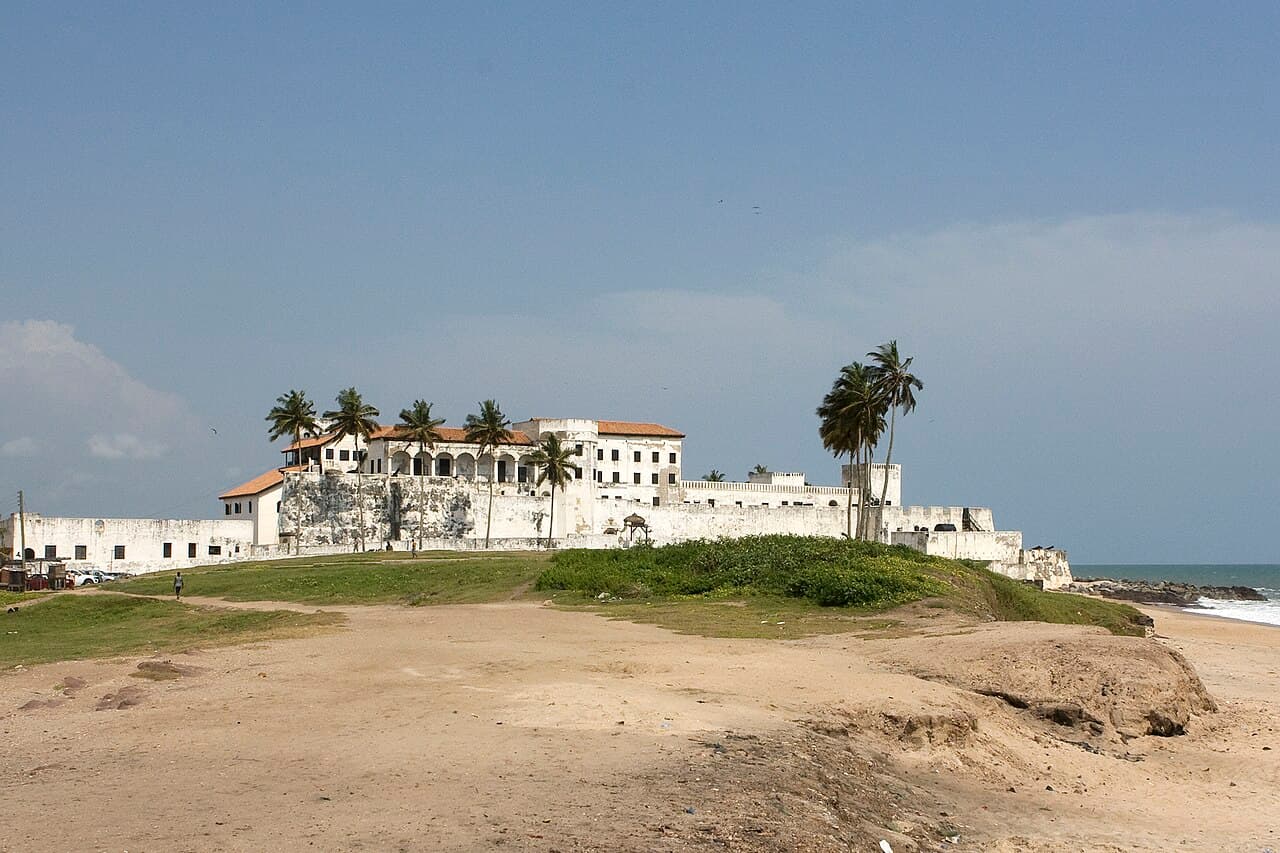
Elmina Castle, located in the town of Elmina on the coast of Ghana, stands as one of the most significant and oldest European architectural landmarks in sub-Saharan Africa. Founded in 1482 by the Portuguese, the castle was originally named São Jorge da Mina (St. George of the Mines) and was constructed to protect the valuable Gold Coast trading interests discovered in 1471. Completed by 1486, it served as a fortified trading post for gold, ivory, and later, the transatlantic slave trade, marking it as a pivotal site in the history of European colonization and commerce in West Africa.
Early construction and portuguese era
The initial construction of Elmina Castle was a strategic move by the Portuguese to establish dominance over the lucrative gold trade along the West African coast. The castle's design featured robust fortified walls, battlements, and a central courtyard that facilitated both defense and trade operations. The structure was built using local stone and European masonry techniques, blending functional military architecture with the needs of a trading hub.
Between 1550 and 1637, the Portuguese undertook significant rebuilding and reinforcement efforts to adapt the castle to evolving military threats and to expand its capacity. These renovations included strengthening the defensive walls and enhancing the bastions to withstand artillery attacks.
Dutch conquest and modifications
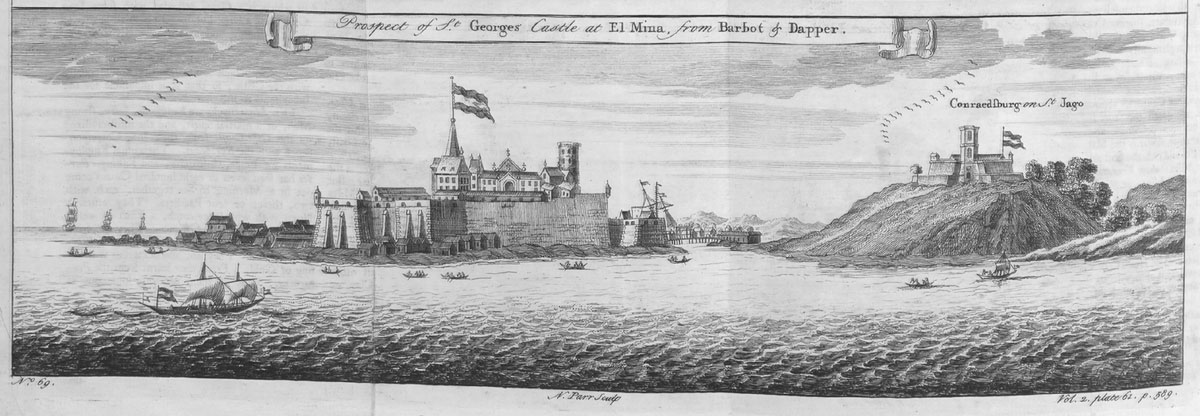
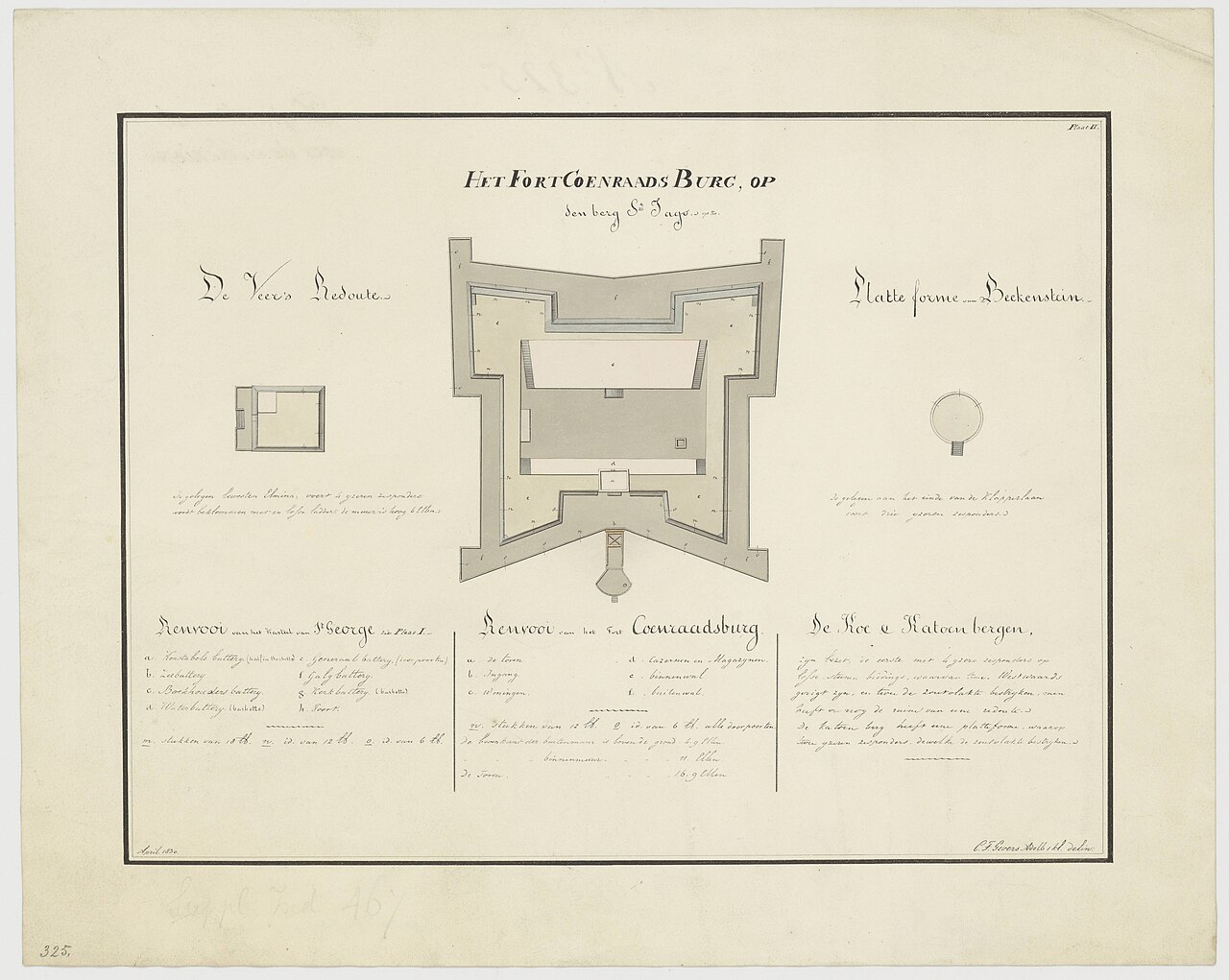
In 1637, the castle fell to the Dutch after a siege that involved bombardment from a hill north of the castle. Following their victory, the Dutch renamed the fortress Elmina Castle and constructed Fort Koenraadsburg (now known as Fort St. Jago) on the hill to prevent similar attacks in the future. This move was part of a broader Dutch strategy to secure their control over the Gold Coast and the transatlantic trade routes.
During the Dutch period from 1637 to 1774, the castle underwent extensive rebuilding and enlargement. The Portuguese church within the castle was converted into an auction hall for slaves and goods, and a Dutch chapel was established to serve the spiritual needs of the occupants. Defensive enhancements were made to fortify the castle against potential British and other European rivals. Additionally, specialized buildings were constructed on the north side for breeding civet cats, valued for their musk, indicating the diverse economic activities centered at the castle.
Role in the transatlantic slave trade
Elmina Castle became one of the most notorious centers of the transatlantic slave trade. During the Dutch control, it served as a major holding and departure point for enslaved Africans forcibly transported to the Americas. By the late 18th century, it is estimated that up to 30,000 slaves passed through the castle annually. The castle's dungeons, cramped and dark, were used to imprison captives before shipment, embodying the grim realities of the slave trade.
The slave trade was officially abolished by the Dutch in 1814, but the legacy of Elmina Castle as a site of immense human suffering remains a critical part of its history.
British period and modern use
Following the exchange of forts in 1872, Elmina Castle was ceded to the British. However, the British administration found little strategic use for the castle, and it gradually declined in military importance. Since Ghana's independence in 1957, the castle has been repurposed for various uses, including housing the Ghana Police Recruits Training Center and a school.
Today, Elmina Castle is recognized as a UNESCO World Heritage Site and operates as a museum that educates visitors about its complex history. Guided tours are available, offering insights into its architectural features and the harrowing history of the slave trade. The castle's preservation as a cultural heritage site ensures that it remains a powerful reminder of the region's colonial past and its enduring impact.
Architectural features and layout
The castle's design reflects its dual function as a military fortress and a commercial hub. Its thick stone walls and bastions provided formidable defense against attacks, while the interior included courtyards, dungeons, auction halls, and living quarters. The conversion of religious spaces, such as the Portuguese church into an auction hall and the establishment of a Dutch chapel, illustrates the adaptation of the castle's spaces to changing needs.
Elmina Castle's location on the Atlantic coast allowed for control over maritime trade routes, and its proximity to Fort St. Jago provided strategic high-ground defense. The castle's complex also included facilities for breeding civet cats, highlighting the economic diversity beyond the slave and gold trades.
Visiting elmina castle today
Visitors to Elmina Castle can explore its extensive grounds and learn about its multifaceted history through guided tours. The castle's museum exhibits artifacts and provides detailed narratives about the transatlantic slave trade, Portuguese and Dutch colonial periods, and the castle's architectural evolution. The site is accessible for tourism, with a modest entrance fee supporting its maintenance and educational programs.
The castle's somber history offers a profound educational experience, making it an essential destination for those interested in African history, colonialism, and the legacy of the slave trade.
Frequently asked questions (FAQ)
- How do I visit Elmina Castle?
- Elmina Castle is open to visitors with guided tours available for a small fee. It is located on Liverpool Road in Elmina, Ghana, and offers educational insights into its history and architecture.
- What is the historical significance of Elmina Castle?
- Elmina Castle is the oldest European building in sub-Saharan Africa, serving as a major trading post for gold, ivory, and slaves during Portuguese and Dutch colonial periods.
- When was Elmina Castle built?
- Elmina Castle was founded in 1482 by the Portuguese and completed in 1486, making it one of the earliest European fortifications in West Africa.
- Can I learn about the transatlantic slave trade at Elmina Castle?
- Yes, the castle's museum provides detailed information and exhibits about its role in the transatlantic slave trade, including the conditions enslaved Africans endured.
- Is Elmina Castle accessible for visitors with mobility issues?
- Due to its historic architecture and uneven terrain, some areas of Elmina Castle may be challenging for visitors with mobility impairments. It is advisable to inquire locally about accessibility options before visiting.
Photo gallery

Information
Address
Liverpool Road, Ghana
Loading map...
Visitor reviews
No reviews yet. Been here? Write the first review and help other travelers!
Write the first reviewVisited this castle? Share your experience
Your review helps other travelers and adds first-hand knowledge to our encyclopedia.