Fort Fredrick
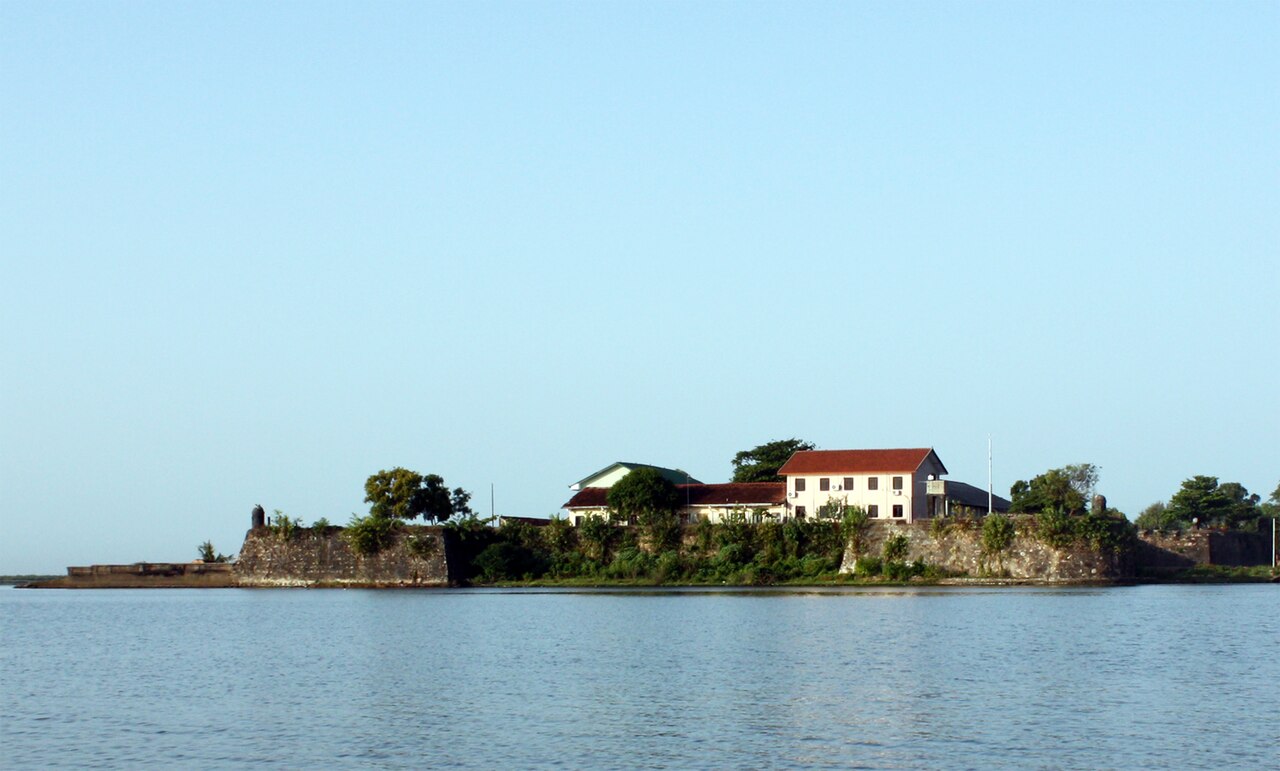
Fort Fredrick, also known as the Fort of Triquillimale or Trincomalee Fort, is a significant bastioned fortress located on the Konamamalai (Swami Rock) peninsula in Trincomalee, Eastern Province, Sri Lanka. Constructed originally by the Portuguese in 1624 CE, it was built using the debris from the ancient and renowned Koneswaram temple, a Hindu temple famously known as the Temple of a Thousand Pillars. This temple was destroyed under the orders of Constantino de Sá de Noronha, a Portuguese colonial governor, during the reign of Philip III of Spain, who then ruled over the Portuguese empire, including territories such as the Jaffna kingdom and parts of the Malabar coast.
The original Portuguese construction and historical context
The fort's location on the Konamalai cape was strategically chosen for its commanding views over the Bay of Trincomalee, a natural deep-water harbor of great military and commercial importance. The Portuguese established a small village near the fort for their soldiers and Tamil settlers, with a garrison of about 50 Portuguese soldiers stationed inside. Within the fort, they built a church dedicated to Our Lady of Guadalupe (Nossa Senhora de Guadalupe), reflecting the religious influence of the Portuguese colonial period.
Dutch reconstruction and renaming
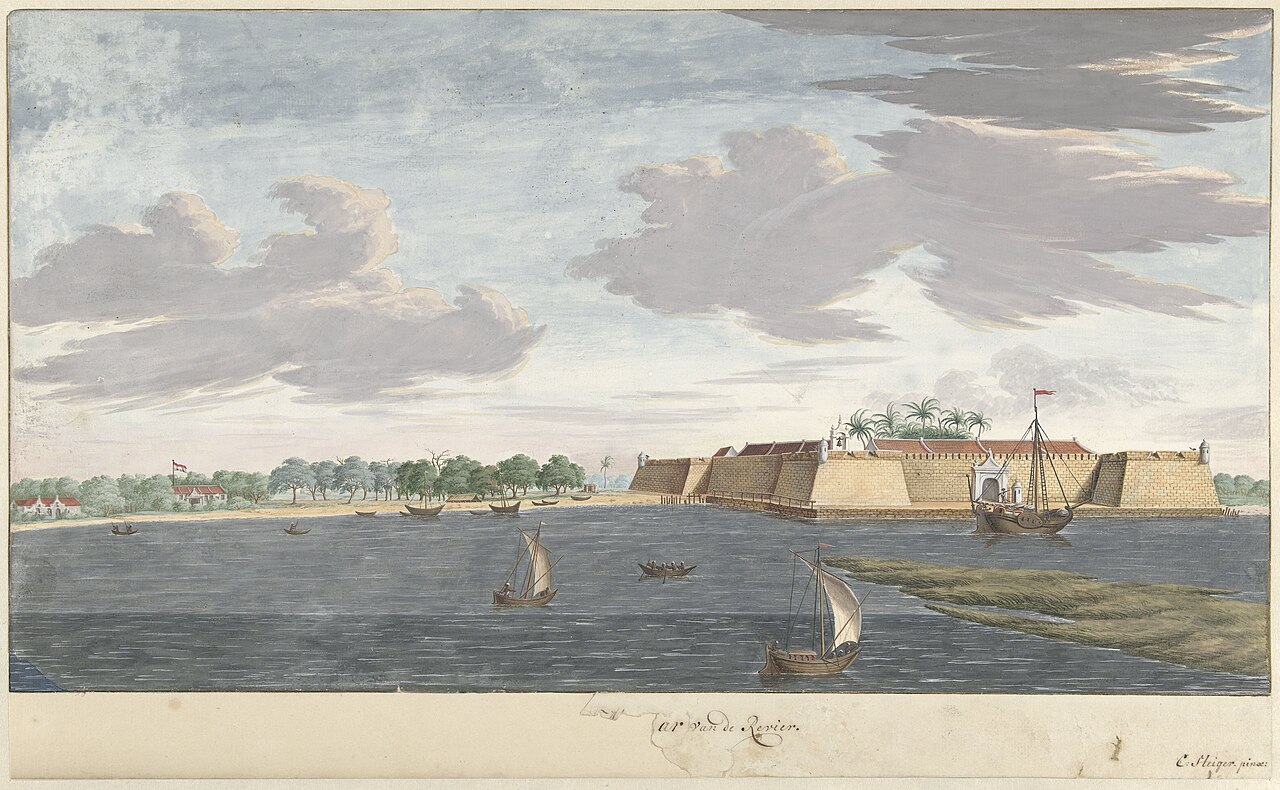
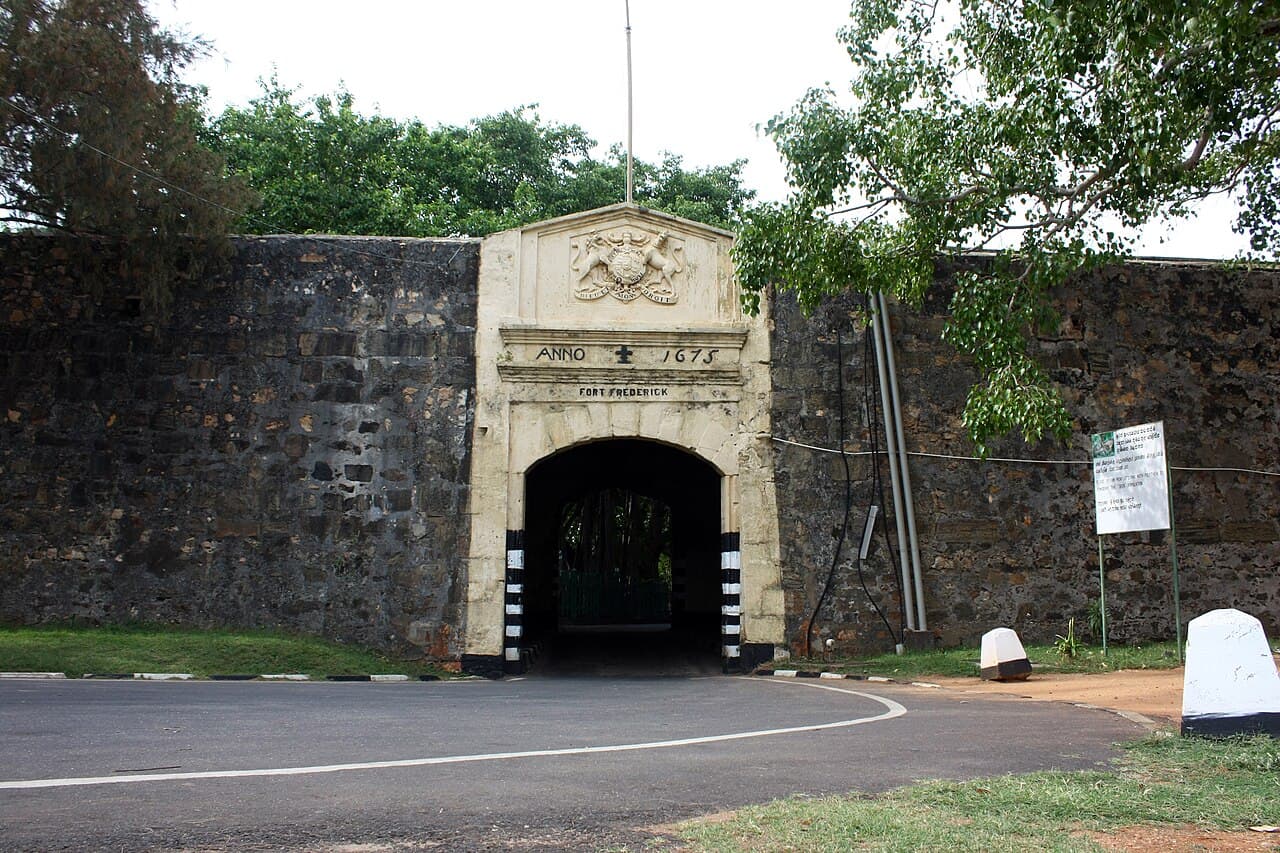
In 1665, the fort was captured by the Dutch East India Company during their campaign to oust the Portuguese from Sri Lanka. The Dutch dismantled the original Portuguese fortifications and rebuilt the structure, enhancing its defenses to meet the evolving military needs of the time. They renamed the fortress Fort Fredrick in honor of Frederick Henry, Prince of Orange, a prominent figure in the Dutch Republic. The Dutch modifications included strengthening the bastions and walls, adapting the fort to the Renaissance style of military architecture prevalent in Europe during the 17th century.
Architectural features and fortifications
Fort Fredrick is a classic example of a bastioned fortress, characterized by angled bastions designed to provide overlapping fields of fire and reduce blind spots, a defensive innovation of the Renaissance military architecture. The fort's walls are constructed of stone and coral, materials locally available and durable against the tropical climate. Its position on the rocky promontory allowed defenders to control access by sea and land, making it a formidable stronghold against naval and land-based attacks.
Layout and defensive structures
The fort features a roughly triangular layout with bastions at the corners, connected by thick curtain walls. A moat once surrounded parts of the fort, enhancing its defensive capabilities. Inside the walls, the fort contained barracks, storage facilities, and the Portuguese church, which was later repurposed or replaced by the Dutch. The elevated position also provided natural defense and visibility over the surrounding bay and coastline.
Historical significance and cultural impact
Fort Fredrick stands as a symbol of the colonial struggles between European powers for control over Sri Lanka's strategic ports and trade routes. Its construction marked the decline of the ancient Koneswaram temple, a site of great religious and cultural importance to the Tamil Hindu community. The fort's presence reflects the complex history of colonial conquest, religious conflict, and cultural transformation in the region.
Legacy of the Koneswaram temple
The destruction of the Koneswaram temple by the Portuguese was a significant event, as the temple was a major pilgrimage site with a history dating back over two millennia. The temple's ruins were used as building material for the fort, symbolizing the colonial imposition over indigenous religious heritage. Today, the site near Fort Fredrick includes archaeological remains and ongoing efforts to preserve the memory of the ancient temple.
Current condition and visitor information
Today, Fort Fredrick is well preserved and remains a popular historical site in Trincomalee. Visitors can explore the fort's bastions, walls, and the surrounding area, enjoying panoramic views of the Bay of Trincomalee. The fort is managed as a heritage site, with access typically available during daylight hours. It serves as a tangible reminder of Sri Lanka's colonial past and its maritime strategic importance.
Access and tourism
The fort is accessible by road from the city of Trincomalee, which is itself a destination known for its beaches and natural harbor. Tourists often combine visits to Fort Fredrick with trips to nearby cultural and religious sites, including the restored Koneswaram temple complex. The site offers educational opportunities about colonial history, military architecture, and local heritage.
Frequently asked questions (FAQ)
- How do I get to Fort Fredrick?
- Fort Fredrick is located in Trincomalee, Sri Lanka, and can be accessed by car, tuk-tuk, or public transport from the city center. It is a short distance from popular beaches and other attractions, making it a convenient stop during your visit.
- What is the historical significance of Fort Fredrick?
- Fort Fredrick was built by the Portuguese in the 17th century and later captured by the Dutch and British. It played a crucial role in the colonial history of Sri Lanka and is a testament to the island's strategic military importance during that era.
- When was Fort Fredrick constructed?
- Fort Fredrick was originally constructed in 1624 by the Portuguese, and it has been modified and expanded by the Dutch and British throughout the years. The fort's design reflects the military architecture of its time and its ongoing role in the defense of Trincomalee.
- Can I explore the interiors of Fort Fredrick?
- Visitors can explore certain areas of Fort Fredrick, including its ramparts and some historical structures within the fort. However, access to some parts may be restricted, so it's best to check with local guides for the most up-to-date information.
- Why is Fort Fredrick a popular tourist attraction?
- Fort Fredrick is popular due to its rich history, stunning coastal views, and architectural features. It provides a unique glimpse into Sri Lanka's colonial past, making it an essential stop for history enthusiasts and tourists alike.
- Is it possible to visit Fort Fredrick at night?
- Fort Fredrick generally has specific opening hours during the day, and nighttime visits are not typically allowed. It’s advisable to check local guidelines or contact local authorities for any special events or night tours that may be available.
- What are the opening hours for Fort Fredrick?
- Fort Fredrick is usually open to visitors from 8 AM to 5 PM, but these hours may vary on public holidays. It’s recommended to plan your visit accordingly and verify current hours before going to ensure a smooth experience.
- What are the ticket prices for visiting Fort Fredrick?
- Entrance to Fort Fredrick is generally free for local visitors, while foreign tourists may be charged a nominal fee. Always confirm the latest pricing information, as these can change based on government policies or special events.
- When is the best time to visit Fort Fredrick?
- The best time to visit Fort Fredrick is during the dry season, from May to September, when the weather is more pleasant for outdoor exploration. Additionally, visiting early in the morning or late in the afternoon can help you avoid the heat and enjoy a more comfortable experience.
- Are there any nearby attractions to visit after Fort Fredrick?
- Yes, nearby attractions include the beautiful Trincomalee beaches, Koneswaram Temple, and the scenic Nilaveli and Uppuveli beaches. These sites offer a perfect complement to your visit to Fort Fredrick, allowing you to experience more of the area's natural beauty and cultural heritage.
Photo gallery

Information
Current owner
Sri Lankan government
Loading map...
Visitor reviews
No reviews yet. Been here? Write the first review and help other travelers!
Write the first reviewVisited this castle? Share your experience
Your review helps other travelers and adds first-hand knowledge to our encyclopedia.