Batticaloa Fort is a historic bastioned fortress located in the eastern coastal region of Sri Lanka. Constructed in 1628 by the Portuguese colonial powers, the fort stands as a significant example of 17th-century military architecture during the Renaissance period. Its strategic position along the Batticaloa Lagoon and its surrounding waterways allowed it to serve as a defensive stronghold controlling access to the region.
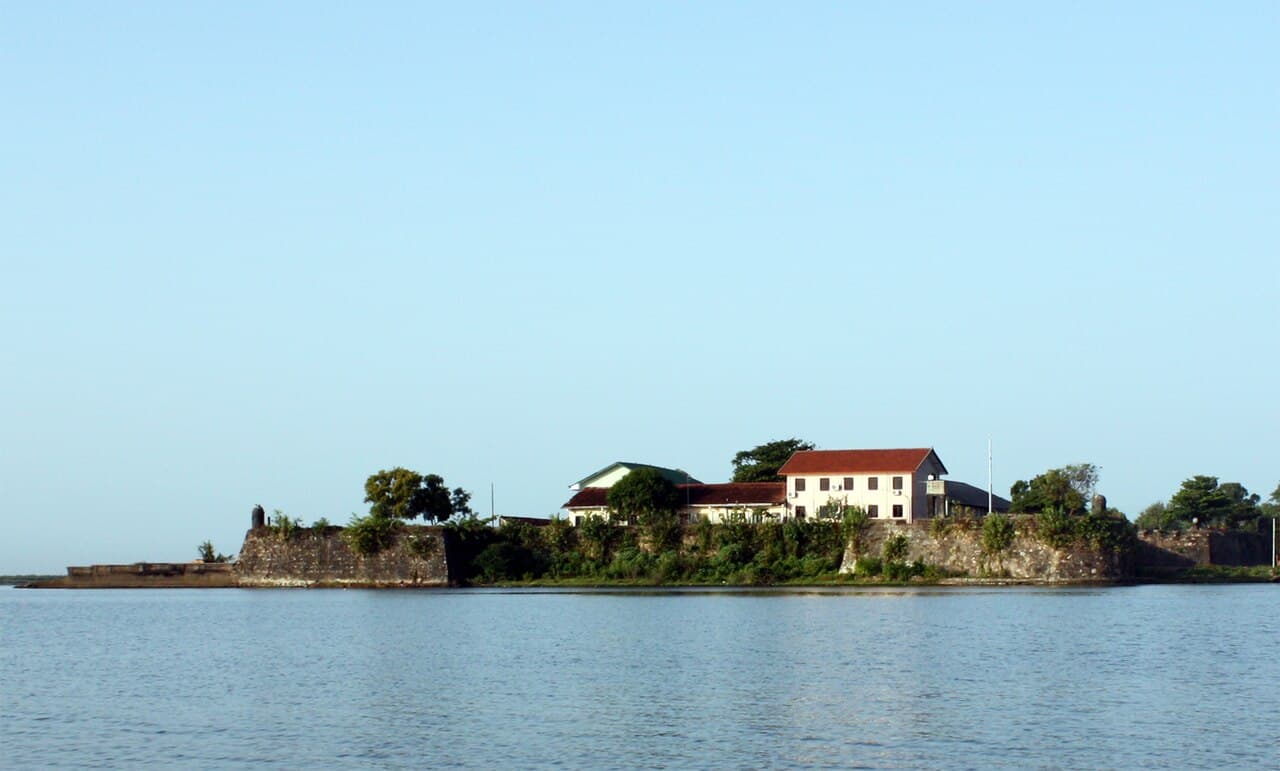
The fort's design incorporates four bastions, a common feature in European fortifications of the era, which provided overlapping fields of fire to protect against enemy assaults. The bastions are connected by thick curtain walls, forming a roughly square plan. Two sides of the fort are naturally defended by the Batticaloa Lagoon, while the other two sides are protected by a man-made canal, enhancing its defensive capabilities by limiting land-based approaches.
Construction and architectural features
The original builders, the Portuguese, constructed the fort primarily using local materials such as coral stone and lime mortar. The fortress reflects the Renaissance military engineering principles that emphasized angular bastions designed to deflect cannon fire and provide effective artillery coverage. The walls are relatively low but thick, suitable for mounting cannons and resisting bombardment.
After the Portuguese, the fort was captured by the Dutch East India Company on 18 May 1638. The Dutch made several modifications to the fort's structure, reinforcing bastions and improving the fortifications to suit their military needs. Later, from 1795, the British took control and used the fort as a military garrison and administrative center, which continued its strategic importance during colonial rule.
Historical significance and usage
Batticaloa Fort played a pivotal role in the colonial power struggles in Sri Lanka, shifting hands between the Portuguese, Dutch, and British. It was part of a network of coastal forts that secured trade routes and colonial territories in the Indian Ocean region. Its location was vital for controlling maritime access to the eastern parts of the island.
Throughout the centuries, the fort witnessed various military engagements and served as a base for colonial administration. The British adapted the fort for civil uses after the decline of military threats, and today, the fort's interior houses several local government offices. New buildings constructed within the fort's walls accommodate administrative functions while preserving the historic exterior.
Current condition and preservation
The fort remains in a well-preserved state considering its age and historical use. Although some parts have been adapted for modern use, the structural integrity of the bastions and curtain walls is largely intact. The surrounding water defenses, including the lagoon and canal, continue to define the fort's perimeter and contribute to its distinctive setting.
Efforts to maintain the fort focus on balancing preservation with functional use. The site is accessible to visitors interested in colonial military architecture and Sri Lanka’s history. Its combination of natural and man-made defenses makes it a notable example of European fortification adapted to a tropical island environment.
Architectural context and influences
The design of Batticaloa Fort reflects the Renaissance era European military architecture that spread globally through colonial expansion. The bastioned layout was influenced by the trace italienne style, which revolutionized fort construction by introducing angular bastions to counter artillery advances.
The fort’s location by the lagoon and canal exemplifies the strategic use of natural geography in fortification design. This integration of water defenses with the bastioned walls enhanced its defensibility against both land and sea attacks, a characteristic feature of coastal forts built during this period.
Frequently asked questions (FAQ)
- What is the historical significance of Batticaloa Fort?
- Batticaloa Fort, built by the Portuguese in the 17th century, is a key historical site that reflects the colonial history of Sri Lanka. It played a strategic role during conflicts with the Dutch and British, serving as a military stronghold and a center for trade. Today, it stands as a testament to the region's rich cultural heritage.
- When was Batticaloa Fort built?
- The construction of Batticaloa Fort began in 1628 by the Portuguese and was later expanded by the Dutch in the 17th century. Its enduring structure showcases the architectural styles of the colonial powers that occupied the area. The fort has been preserved over the centuries, maintaining its historical integrity.
- What are the opening hours for Batticaloa Fort?
- Batticaloa Fort is typically open to visitors daily from 8 AM to 5 PM. However, it’s advisable to check local listings or contact the site for any changes in hours or special holiday schedules. Visiting during the day offers the best opportunity to explore its historic features.
- Can I enter Batticaloa Fort without a ticket?
- Visitors are generally required to purchase a ticket to enter Batticaloa Fort, with prices being quite affordable. The ticket fees contribute to the maintenance and preservation of this historical site. Discounts may be available for students and local residents.
- Is it possible to access Batticaloa Fort by public transport?
- Yes, Batticaloa Fort is accessible by public transport, including buses and tuk-tuks from various parts of Batticaloa. Local transportation options are convenient and allow visitors to admire the surrounding area en route to the fort. It’s a great way to experience the local culture while visiting.
- What is the best time to visit Batticaloa Fort?
- The best time to visit Batticaloa Fort is during the dry season, which typically runs from May to September. The weather is more pleasant for exploring the fort and its surroundings. Early mornings or late afternoons also provide cooler temperatures and beautiful lighting for photography.
- Are there nearby attractions to visit after Batticaloa Fort?
- Yes, several attractions are located near Batticaloa Fort, including the beautiful beaches of Batticaloa and the historic Dutch Reformed Church. Visitors can also explore the local markets and enjoy the vibrant culture of the town. These nearby sites add to the overall experience of a visit to the fort.
- How do I get more information before visiting Batticaloa Fort?
- For more information about visiting Batticaloa Fort, including current events and special tours, you can check local tourism websites or contact the Batticaloa tourism office. Social media pages may also provide updates and visitor tips. This ensures you have the most accurate and up-to-date information for your visit.
Photo gallery

Information
Loading map...
Visitor reviews
No reviews yet. Been here? Write the first review and help other travelers!
Write the first reviewVisited this castle? Share your experience
Your review helps other travelers and adds first-hand knowledge to our encyclopedia.