Fort Elize Carthago
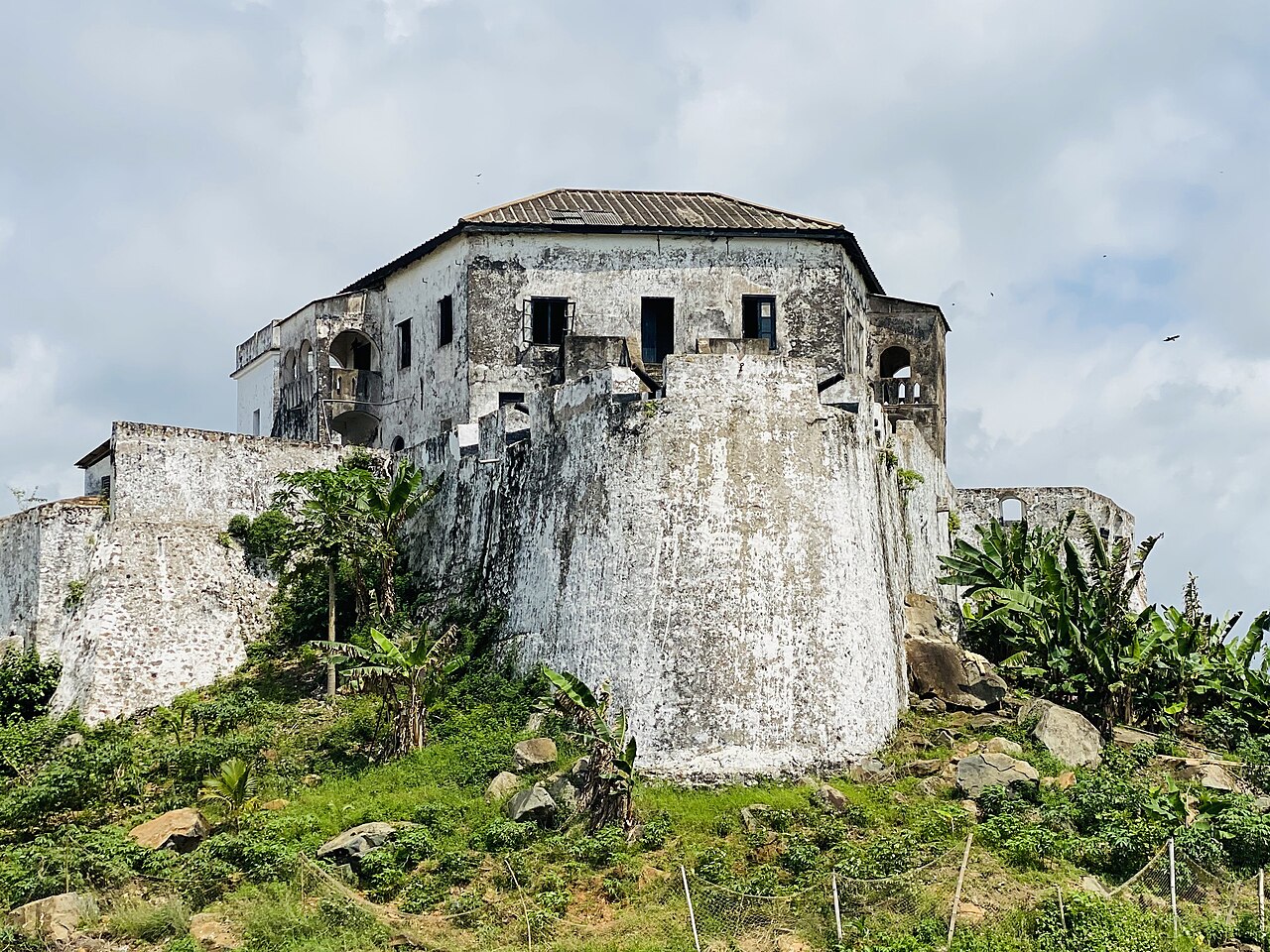
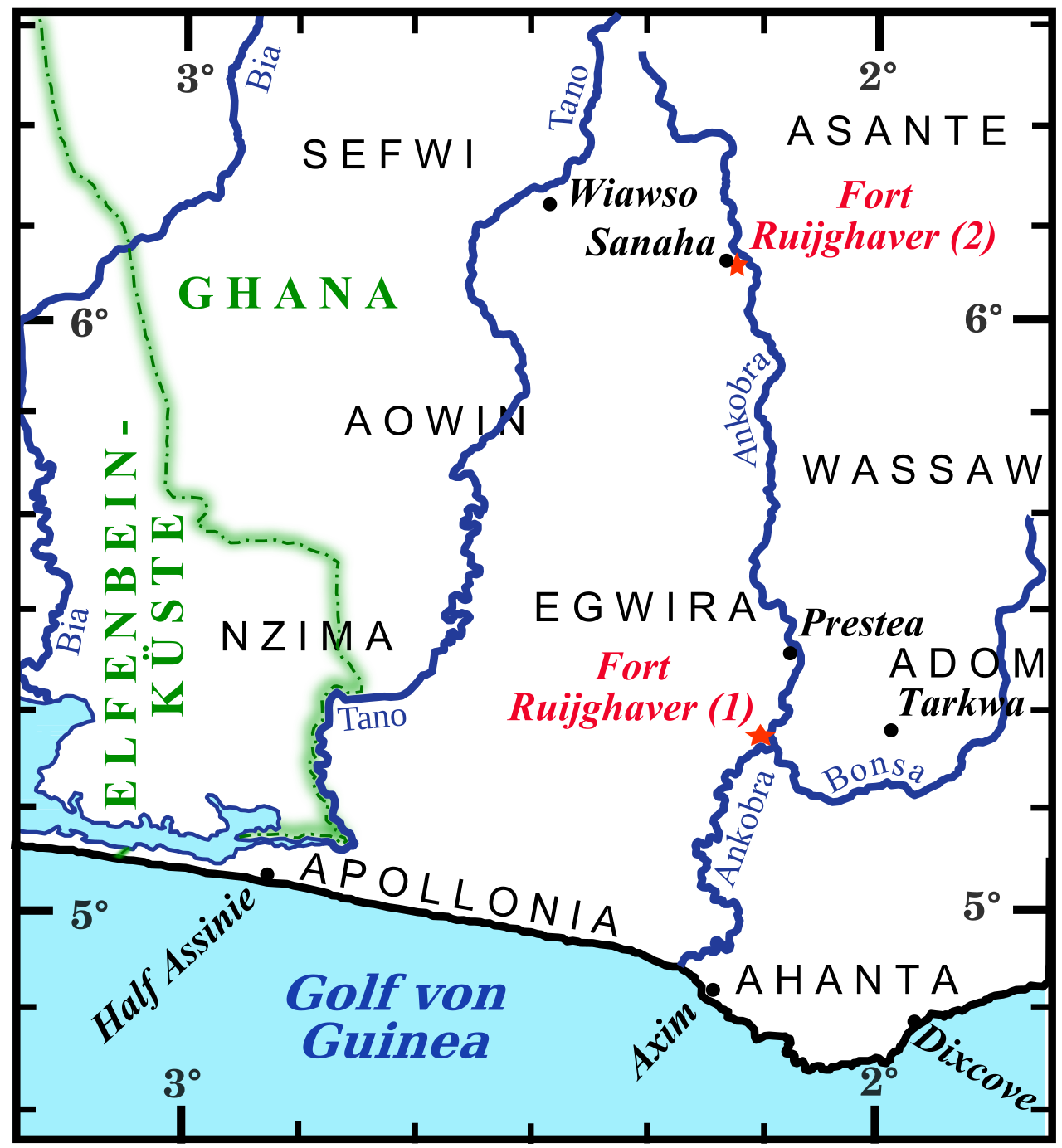
Fort Elize Carthago stands as a historical site on the Western coast of Ghana, near the mouth of the Ankobra River. Constructed in 1702 by the Dutch West India Company, this fort was part of the Dutch efforts to establish and maintain control over trade along the Western Gold Coast. The fort was strategically positioned on a hill near the base of Fort Saint Anthony, another significant Dutch fortification, to oversee and protect Dutch commercial interests in the region.
The fort's location was chosen for its commanding view over the river and the Atlantic Ocean, allowing the Dutch to monitor maritime traffic and defend against rival European powers and local resistance. Although Fort Elize Carthago was not as large or as well-preserved as some other coastal forts, it played a role in the complex network of forts and castles that facilitated the trans-Atlantic trade, including the trade in gold, ivory, and enslaved people during the 18th century.
Architectural features and layout
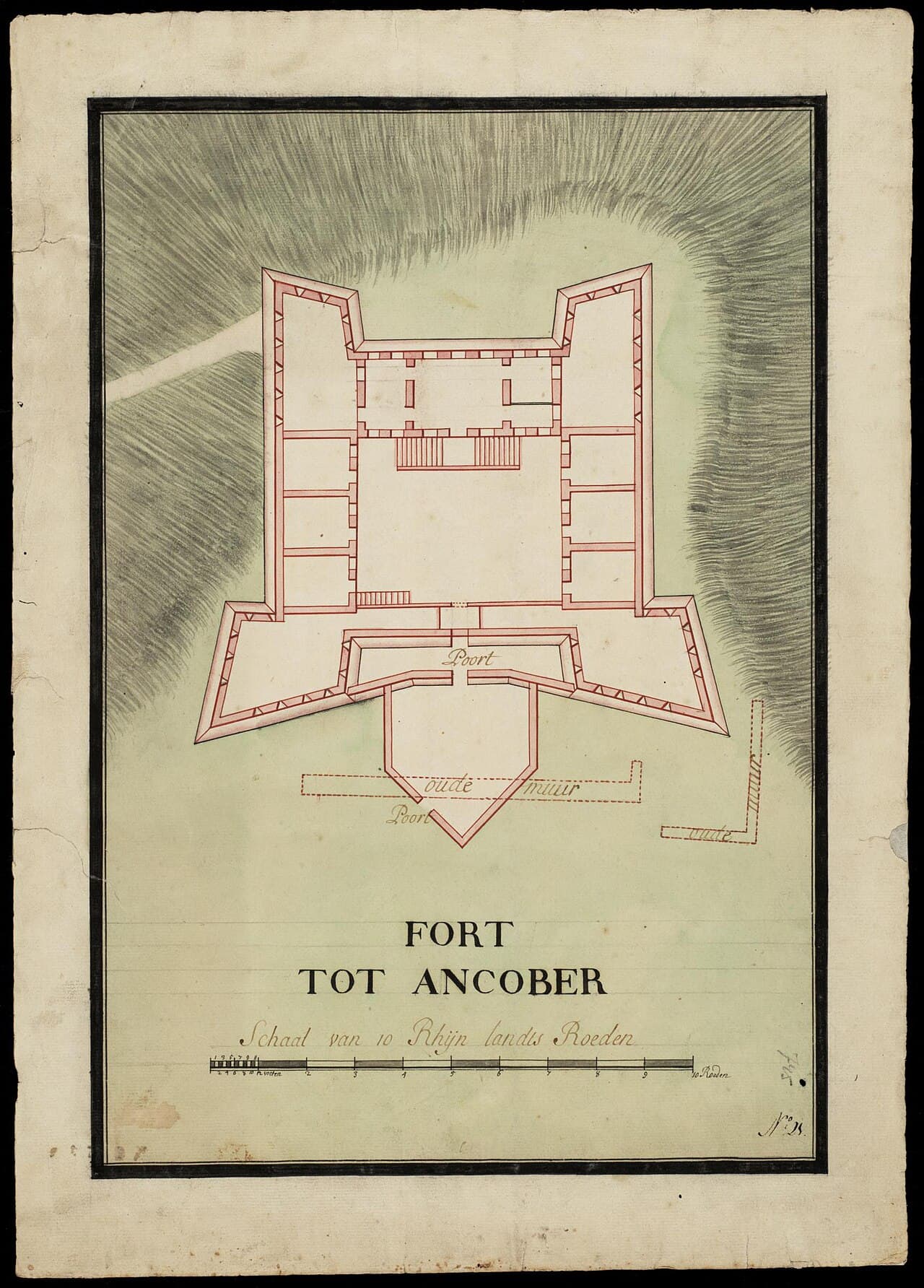
Fort Elize Carthago was constructed primarily as a hill castle with defensive walls adapted to the terrain. The fort included bastions and ramparts designed to mount cannons and repel attacks. The remains suggest a compact structure, typical of smaller trading forts of the period, with a central courtyard surrounded by living quarters, storage rooms, and defensive positions.
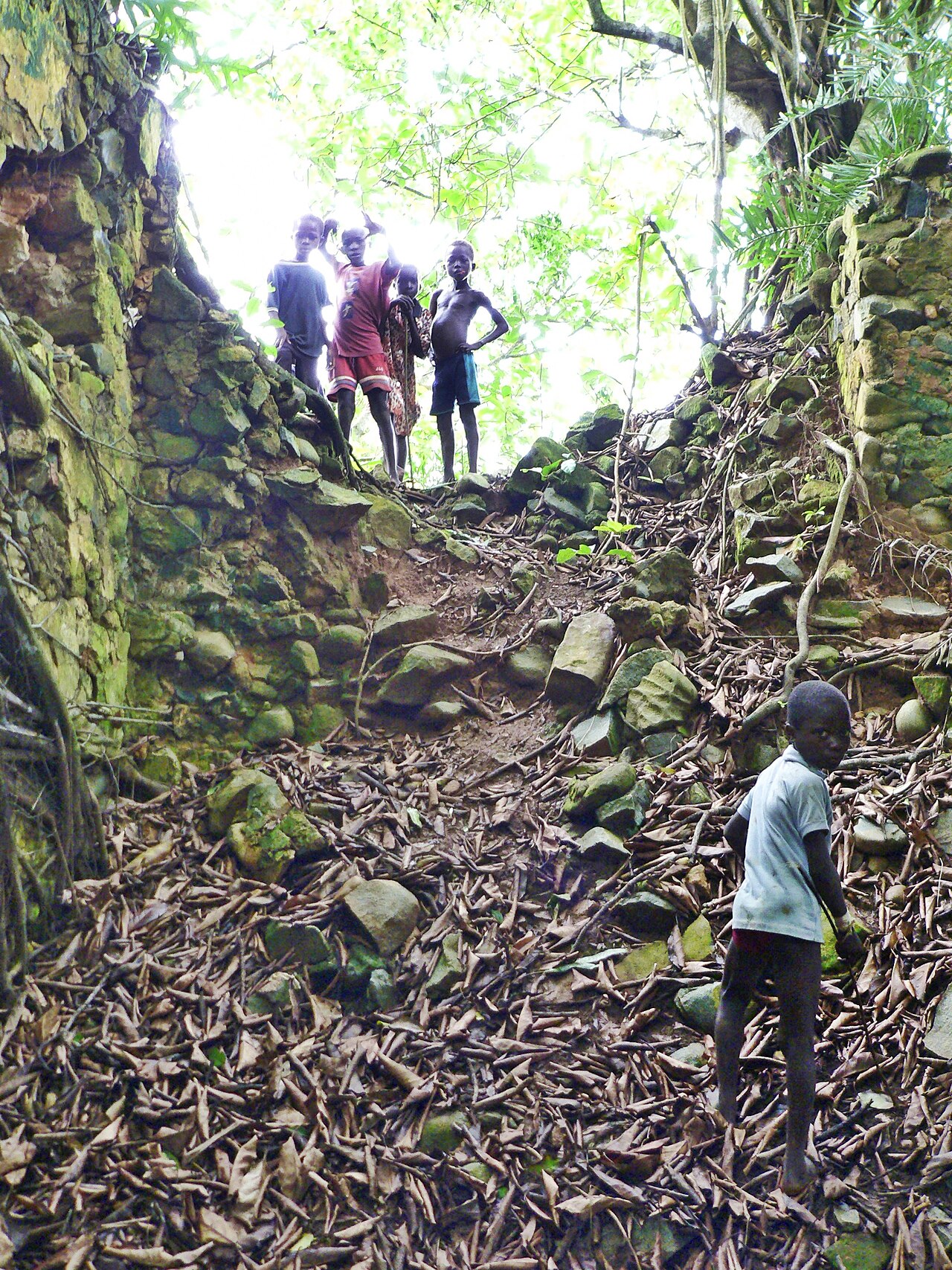
The fort's walls were built from local stone and mortar, with some wooden elements likely used for internal structures. Its elevated position provided natural defense advantages, while the fortifications enhanced its ability to withstand assaults. Today, only ruins remain, but the layout is still discernible, offering insights into 18th-century military architecture on the Gold Coast.
Historical context and significance
During the post-Renaissance period, European powers competed fiercely for control over trade routes and resources in West Africa. The Dutch West India Company established Fort Elize Carthago as part of its strategy to dominate the lucrative gold and slave trades. The fort was one of several Dutch establishments along the coast, which also included the well-known Elmina Castle and Fort Saint Anthony.
The fort's proximity to Fort Saint Anthony allowed the Dutch to consolidate their presence in the region, though Fort Elize Carthago itself was less prominent. It served primarily as a trading post and defensive outpost rather than a major administrative center. Over time, the fort fell into disuse and disrepair, especially as Dutch influence waned in the late 18th and early 19th centuries.
Current condition and tourism
Today, Fort Elize Carthago exists as archaeological ruins accessible to visitors interested in Ghana's colonial history and the legacy of European fortifications on the African coast. The site is reachable by a pathway from the nearby Ankobra Beach Hotel, making it a popular destination for tourists seeking panoramic views of the river mouth and the Atlantic Ocean.
The ruins provide a tangible connection to the past and serve as a reminder of the complex interactions between European traders and West African societies. Preservation efforts are limited, and the site remains largely in its ruined state, offering an authentic glimpse into the challenges of maintaining such coastal forts over centuries.
Visiting information and nearby attractions
Visitors to Fort Elize Carthago can explore the remains of the fort and enjoy scenic views of the Ankobra River and the surrounding coastline. The nearby Ankobra Beach Hotel offers convenient accommodation and access to the site. The region is also known for its natural beauty, including beaches and forested areas, which complement the historical experience with opportunities for outdoor activities.
While the fort itself is not extensively developed for tourism, its accessibility and historical significance make it a worthwhile stop for those interested in the colonial history of Ghana and the broader context of European-African trade relations in the 18th century.
Frequently asked questions (FAQ)
- What is the historical significance of Fort Elize Carthago?
- Fort Elize Carthago is a notable historical site in Ghana, built during the colonial period to serve as a strategic military outpost. It played a vital role in trade and military operations, reflecting the complexities of colonial interactions in West Africa.
- When was Fort Elize Carthago constructed?
- The construction of Fort Elize Carthago began in the late 17th century and was completed in the early 18th century. This fortification is a testament to the architectural and military strategies of the time, showcasing the influence of European powers in the region.
- How do I get to Fort Elize Carthago?
- Fort Elize Carthago is accessible by road from major cities in Ghana, with local transportation options available including taxis and buses. It is recommended to check local travel advisories and maps for the best routes and travel conditions.
- What are the opening hours for visiting Fort Elize Carthago?
- Fort Elize Carthago is open to visitors daily from 9 AM to 5 PM. It is advisable to visit earlier in the day to fully explore the site and engage with any guided tours that may be available.
- Are there any nearby attractions to Fort Elize Carthago?
- Yes, several attractions are located near Fort Elize Carthago, including local markets, museums, and beautiful coastal areas. Exploring these sites can enhance your visit and provide a deeper understanding of the region's culture and history.
- Can I take photographs inside Fort Elize Carthago?
- Photography is generally allowed at Fort Elize Carthago, but it is recommended to check for any specific restrictions upon arrival. Capturing the unique architecture and surrounding landscapes can enhance your experience and memories of the visit.
- What are the ticket prices for entering Fort Elize Carthago?
- Ticket prices for Fort Elize Carthago are relatively affordable, with discounts available for students and group visits. It is advisable to check the official website or local tourism information for the most current pricing details before your visit.
- Is it possible to arrange guided tours at Fort Elize Carthago?
- Yes, guided tours can typically be arranged at Fort Elize Carthago, offering deeper insights into its history and architecture. It is best to inquire about availability and booking options upon arrival or through local tourism services.
- What is the best time to visit Fort Elize Carthago?
- The best time to visit Fort Elize Carthago is during the dry season, from November to March, when the weather is more pleasant. This season allows for comfortable exploration and enjoyment of outdoor activities in the surrounding area.
Photo gallery

Photo by Anoniem / Anonymous (land surveyor / mapmaker)•Public domain
Information
Loading map...
Visitor reviews
No reviews yet. Been here? Write the first review and help other travelers!
Write the first reviewVisited this castle? Share your experience
Your review helps other travelers and adds first-hand knowledge to our encyclopedia.