Fort Delgrès
Fort Delgrès, originally known as Fort Saint-Charles, is a significant bastioned fortress located overlooking the town of Basse-Terre on the island of Guadeloupe, a French overseas region in the Caribbean. Constructed in the 17th century, the fort was designed as a strategic military installation during the Renaissance period, embodying the principles of star-shaped bastioned fortifications that were prevalent in European military architecture of the time. These fortifications were intended to withstand artillery sieges and provide overlapping fields of fire, a response to the evolution of gunpowder weaponry.
Architectural features and defensive design
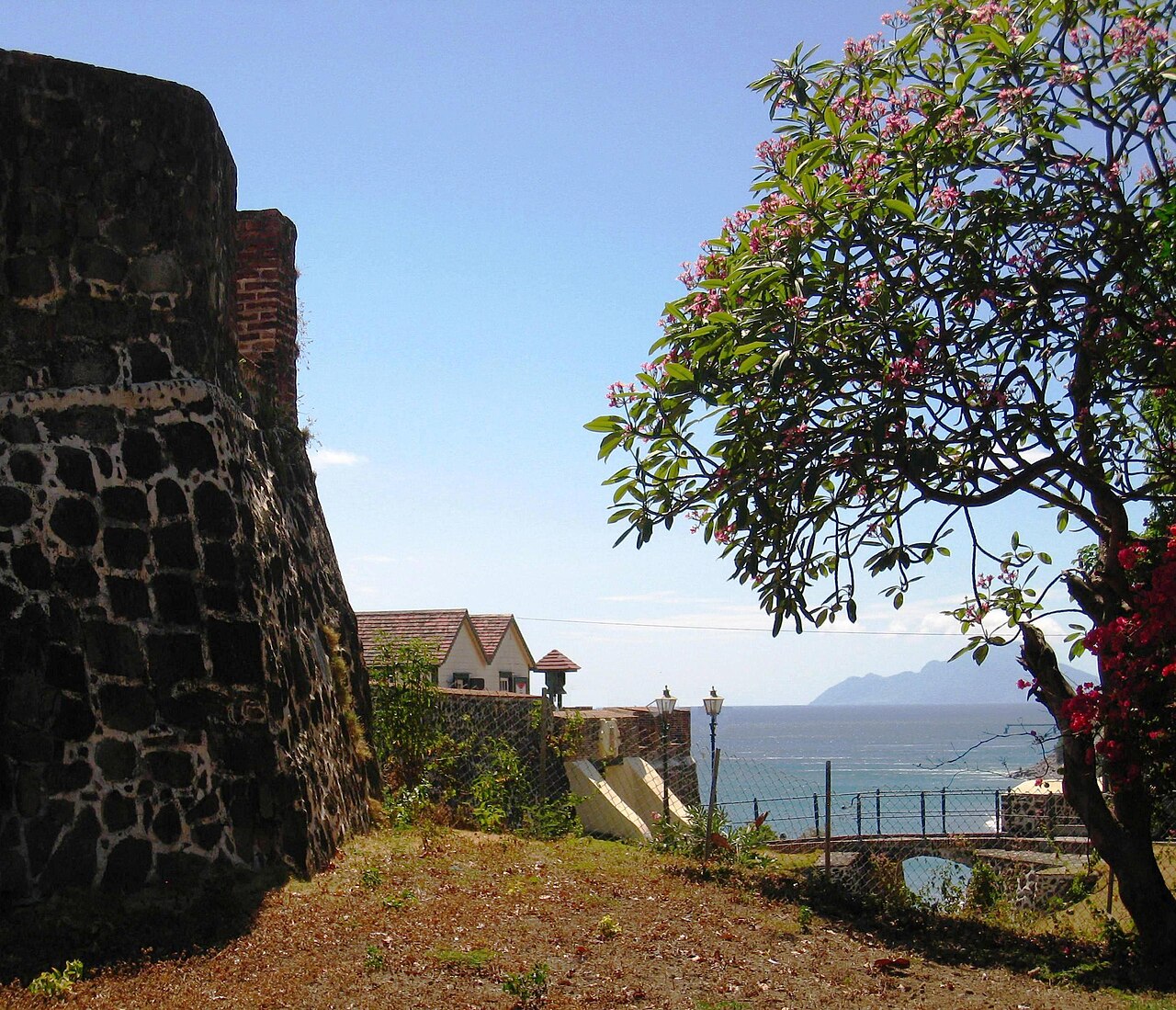
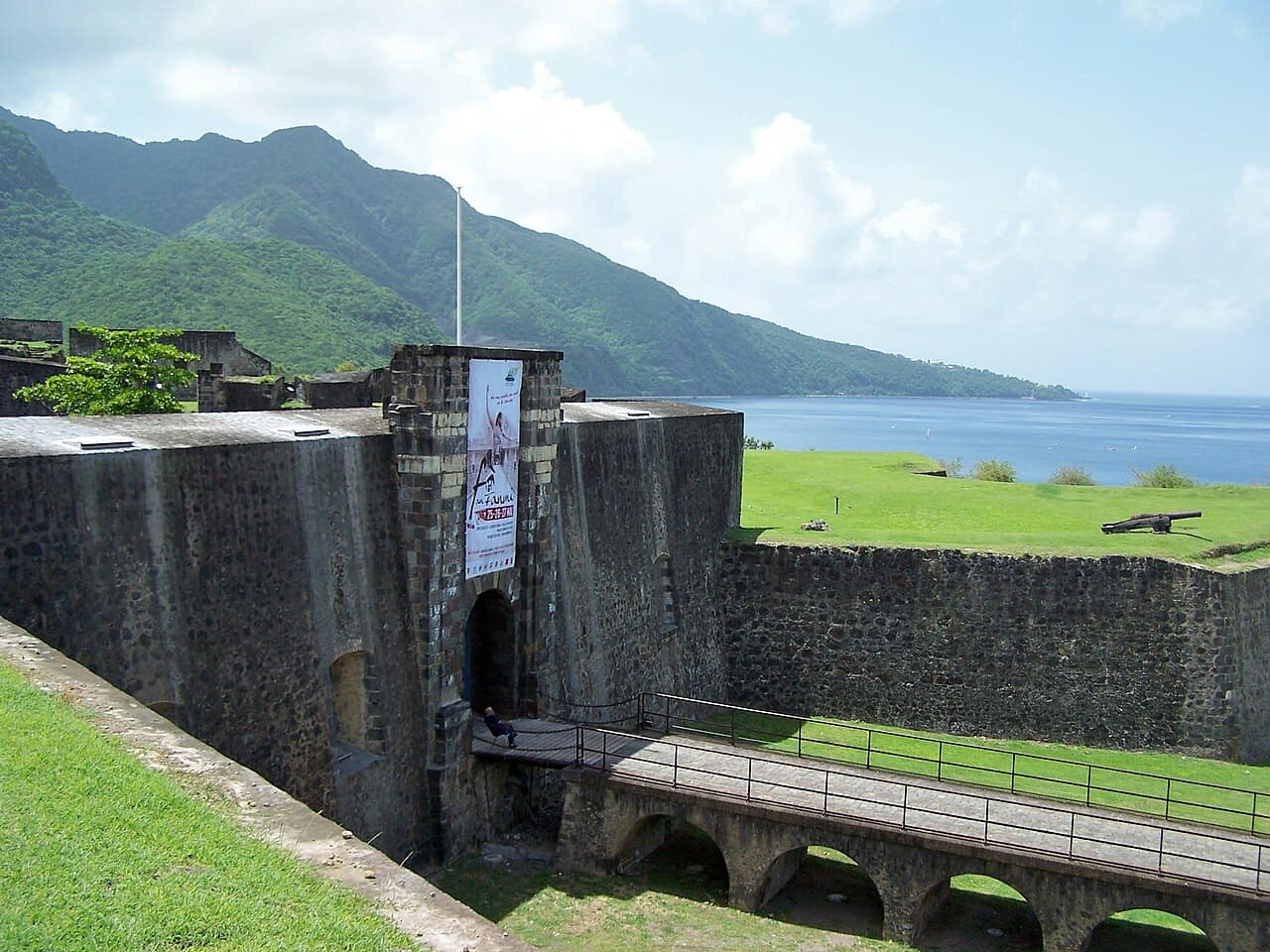
The fortress features robust bastions at its corners, allowing defenders to cover adjacent walls with cannon and musket fire. Thick stone walls and ramparts surround the complex, with embrasures for artillery placement. The fort's elevated position on a promontory offered commanding views over the Caribbean Sea and the surrounding landscape, crucial for early detection of approaching enemy fleets or forces.
The layout includes a central courtyard, barracks, powder magazines, and a commander's residence, reflecting the dual military and administrative functions of the fort. The design also incorporated moats and drawbridges in earlier phases, typical of bastioned fortresses, although these features were adapted over time to suit local conditions and technological changes.
Historical significance in colonial conflicts
Throughout its history, Fort Delgrès played a pivotal role in the Franco-British struggles for control of the Caribbean during the 17th and 18th centuries. The fort was a key defensive position protecting the capital of Guadeloupe, Basse-Terre, from British naval and land assaults. Its strategic importance was underscored during various sieges and battles, where its bastioned defenses helped repel enemy advances.
In addition to its military role, the fort was central to the colonial administration's efforts to maintain control over the island and its valuable sugar plantations. The fort's presence symbolized French authority in the region and served as a deterrent against foreign incursions.
Fort delgrès and the resistance against slavery
The fort is most famously associated with Louis Delgrès, a leader of the Guadeloupean resistance against the re-establishment of slavery by Napoleon I in the early 19th century. After slavery had been abolished in the French colonies during the revolutionary period, Napoleon sought to reinstate it, sending Antoine Richepanse to enforce this policy in Guadeloupe.
Louis Delgrès and his followers made a last stand at the fort in 1802, resisting the French troops' attempts to subjugate the island's formerly enslaved population. The defenders chose to detonate the fort rather than surrender, an act of defiance that has become a powerful symbol of resistance and freedom in Guadeloupean history.
Preservation and cultural heritage
Recognizing its historical and cultural importance, Fort Delgrès was designated an official French historical monument by decree in 1977. The fort today is well preserved, with ongoing efforts to maintain its structure and promote its legacy. It serves as a museum and educational site, attracting visitors interested in colonial history, military architecture, and the struggle against slavery.
The site hosts commemorations and cultural events that honor the memory of Louis Delgrès and the broader themes of resistance and emancipation. Its commanding location and imposing architecture continue to draw attention as a landmark of Guadeloupe's complex colonial past and its enduring spirit of resilience.
Visiting fort delgrès
Visitors to Fort Delgrès can explore the extensive fortifications, including the bastions, walls, and internal buildings. Interpretive displays provide context on the fort's military functions and its role in the anti-slavery movement. The site offers panoramic views of Basse-Terre and the surrounding Caribbean landscape, making it a popular destination for history enthusiasts and tourists alike.
Photo gallery

Information
Loading map...
Visitor reviews
No reviews yet. Been here? Write the first review and help other travelers!
Write the first reviewVisited this castle? Share your experience
Your review helps other travelers and adds first-hand knowledge to our encyclopedia.