Fort Amsterdam (Sint Eustatius)
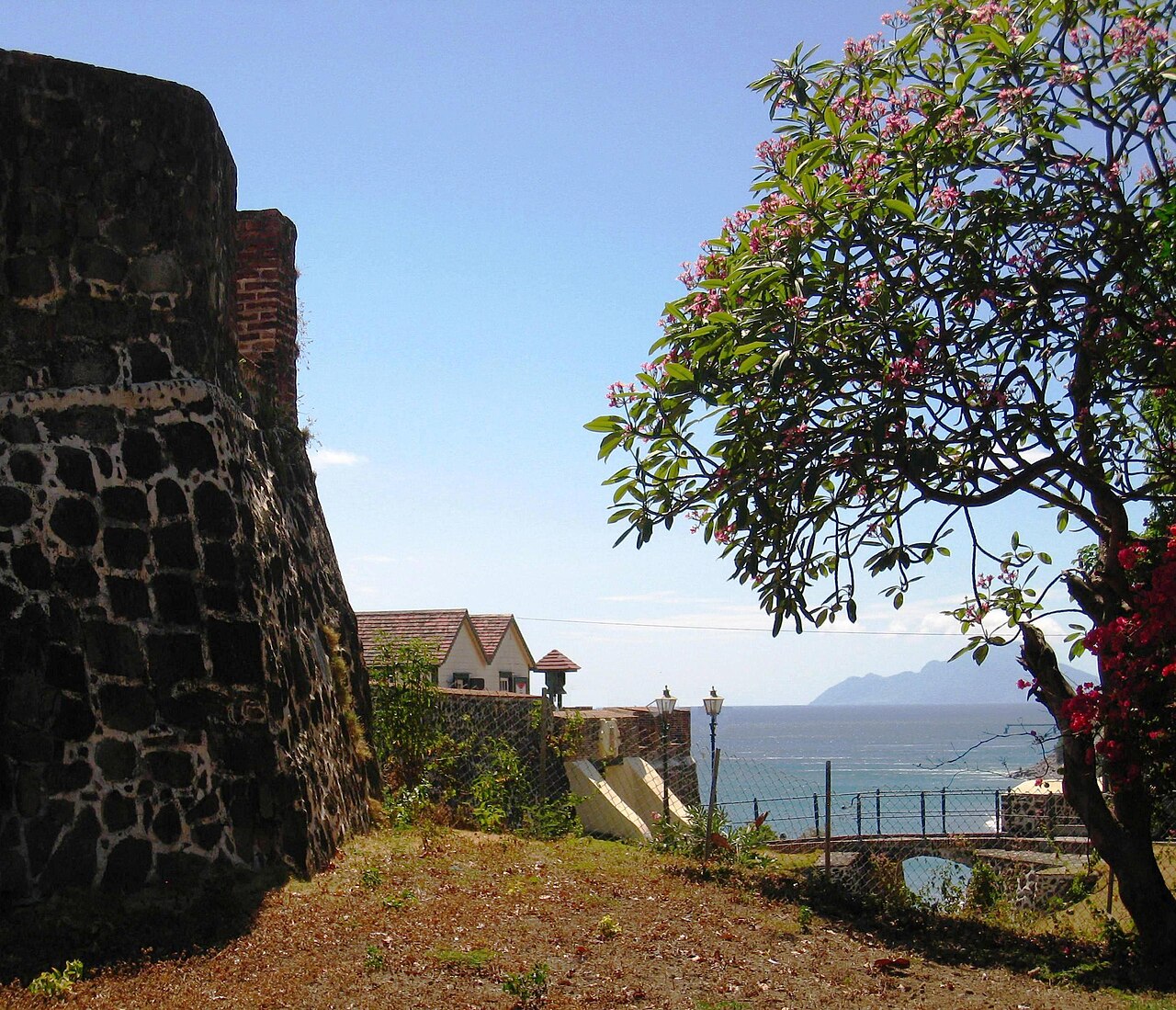
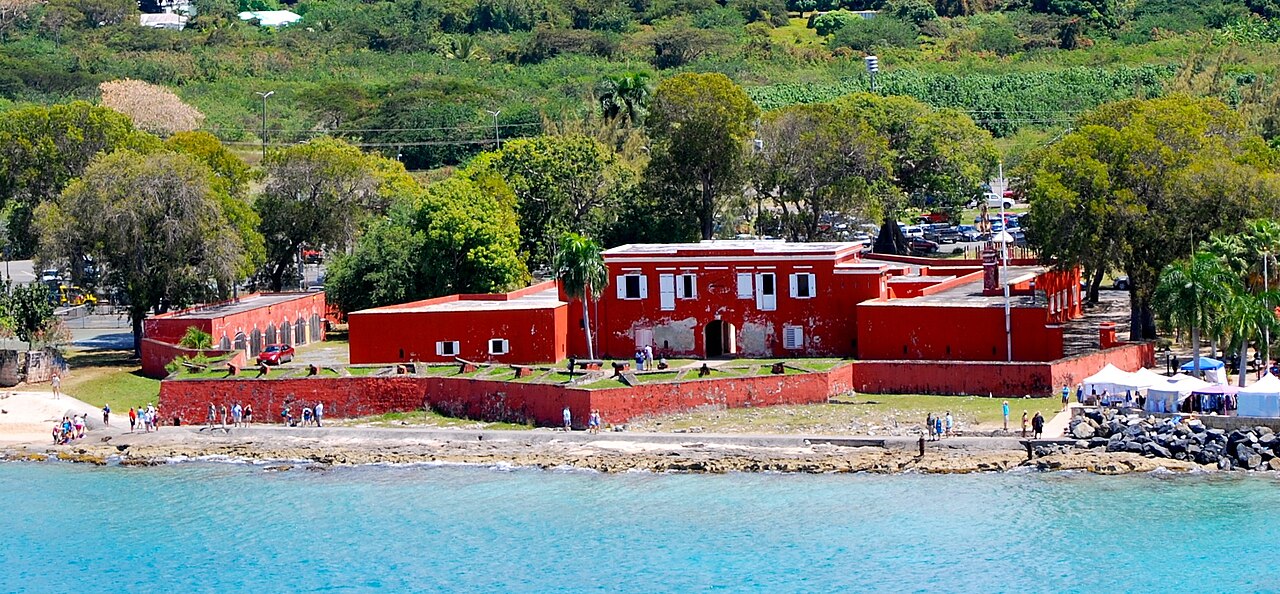
Fort Amsterdam, also known as the Waterfort, is a significant historical fortress located on the southwest coast of Sint Eustatius in the Dutch Caribbean. Constructed in the 18th century, this fortress played a crucial role in the defense and economic activities of the island during the height of the transatlantic slave trade. Today, only ruins of the fort remain, threatened by persistent sea currents and surf, offering a poignant reminder of the island's colonial past.
Historical context and strategic importance
During the 18th century, Sint Eustatius was one of the most prosperous possessions of the Dutch West India Company. The island served as a vital transit point for enslaved Africans and a key hub for trade in the Caribbean. Fort Amsterdam was strategically positioned to guard the entrance to the Oranjebaai harbor, the primary port where ships docked to unload goods destined for the island's warehouses in the lower town. This location made the fort essential for protecting the economic interests of the Dutch colonial powers against rival European nations and pirates.
Architectural features and layout
The fort was constructed as a waterfort, designed to withstand attacks from the sea. Its layout included robust bastions and defensive walls facing the harbor. One of the notable structures within the fort was a two-storey slave house, built between 1724 and 1726 under the direction of Commander Johannes Lindesay. This building was used to house approximately 450 enslaved Africans, with women and children accommodated on the upper floor. The presence of the slave house within the fort highlights the direct involvement of Fort Amsterdam in the transatlantic slave trade and the island's role as a major slave market and transit point.
The slave house
The two-storey slave house was a grim yet critical component of the fort's infrastructure. It functioned as a holding facility for enslaved people before they were sold or transported elsewhere. The segregation of women and children on the second floor reflects the harsh and calculated management of enslaved populations during this period. The slave house was in use until around 1740, coinciding with the peak of Sint Eustatius's prominence in the slave trade.
Connection to the Godet African Burial Ground
Just north of Fort Amsterdam lies the Godet African Burial Ground, a historic cemetery containing the unmarked graves of enslaved African men, women, and children. This burial ground serves as a somber reminder of the human cost of the slave trade and the lives of those who passed through Sint Eustatius. The proximity of the burial ground to the fort underscores the intertwined history of defense, commerce, and human suffering on the island.
Current condition and preservation challenges
Today, Fort Amsterdam stands as archaeological ruins, with much of its original structure eroded by time and the relentless impact of the sea. The fort's location along the coast exposes it to natural threats such as wave action and coastal erosion, which continue to endanger what remains of this historic site. Conservation efforts face challenges due to these environmental factors, but the ruins remain an important cultural heritage site that offers insight into the colonial and maritime history of Sint Eustatius.
Fort Amsterdam's role in Caribbean heritage
As one of the sixteen known fortresses on Sint Eustatius, Fort Amsterdam is a key element in understanding the island's colonial past and its role in global trade networks. The fort's history is deeply connected to the Dutch West India Company and the broader economic systems of the post-Renaissance Caribbean. It provides valuable archaeological and historical evidence of the military, commercial, and human aspects of 18th-century Caribbean life.
Visitors to the site can explore the ruins and reflect on the complex legacy of colonialism and the transatlantic slave trade. The nearby Godet African Burial Ground further enriches this narrative, offering a place of remembrance for those who suffered under enslavement.
Frequently asked questions (FAQ)
- How do I get to Fort Amsterdam?
- Fort Amsterdam is located on the island of Sint Eustatius in the Caribbean Netherlands. You can reach the island by taking a direct flight from St. Maarten or by ferry services. Once on the island, the fort is a short drive from the main town, Oranjestad.
- What is the historical significance of Fort Amsterdam?
- Fort Amsterdam played a crucial role in the Caribbean during the 17th and 18th centuries as a strategic military outpost. It was established by the Dutch West India Company and served as a center for trade and defense. The fort's ruins today symbolize the rich colonial history of Sint Eustatius.
- When was Fort Amsterdam built?
- Construction of Fort Amsterdam began in 1629, making it one of the earliest fortifications in the Caribbean. The fort was expanded and modified over the years to accommodate the changing needs of its military presence. It remained an important site until the decline of Dutch influence in the region.
- Can I visit Fort Amsterdam?
- Yes, Fort Amsterdam is open to the public, allowing visitors to explore its historic ruins and enjoy stunning views of the surrounding area. While there are no admission fees, donations are appreciated to help maintain the site. Guided tours may also be available to enhance your experience.
- Why is Fort Amsterdam important for architecture enthusiasts?
- Fort Amsterdam showcases a mix of colonial military architecture, with its strategic layout and stone structures reflecting the design principles of the era. The fort's remains include walls, bastions, and barracks, which provide insight into 17th-century fortification techniques. Architecture lovers will appreciate the blend of history and design that characterizes this site.
- Is it possible to access Fort Amsterdam for those with mobility challenges?
- Access to Fort Amsterdam may present challenges for visitors with mobility difficulties due to uneven terrain and the remnants of the fort. However, efforts are made to accommodate all visitors, and staff can provide guidance on the best routes to explore the site. It’s advisable to contact local tourism services for specific accessibility information.
- What are the opening hours for Fort Amsterdam?
- Fort Amsterdam is typically open daily from 9:00 AM to 5:00 PM, but it's best to check local resources for any seasonal changes. During special events or holidays, hours may vary, so it's recommended to plan ahead. Visitors are encouraged to arrive early to fully enjoy the site without crowds.
- What nearby attractions can I visit while at Fort Amsterdam?
- While visiting Fort Amsterdam, you can also explore Oranjestad, the capital of Sint Eustatius, known for its charming streets and historical buildings. Nearby, the island offers beautiful beaches, hiking trails, and opportunities for snorkeling and diving. The rich natural beauty and cultural heritage of the island make it a perfect destination for a full day of exploration.
- What are the ticket prices for visiting Fort Amsterdam?
- There are no formal ticket prices to enter Fort Amsterdam; however, donations to support the site are greatly appreciated. This allows visitors to contribute to the preservation of the fort and its surrounding areas. Be sure to check for any special events that might have associated costs.
Photo gallery

Information
Loading map...
Visitor reviews
No reviews yet. Been here? Write the first review and help other travelers!
Write the first reviewVisited this castle? Share your experience
Your review helps other travelers and adds first-hand knowledge to our encyclopedia.