Fort de Tancrémont
Fort de Tancrémont is a significant Belgian bastioned fortress constructed in the 1930s as part of Belgium's strategic defense efforts prior to World War II. Situated approximately 3 kilometres south of Pepinster in the province of Liège, Belgium, the fort was designed to strengthen the fortified position of Liège. This defensive network originally consisted of twelve forts built in the 1880s, but the increasing threat from Germany in the early 20th century prompted the addition of four more modern forts closer to the frontier, including Fort de Tancrémont.
Historical context and strategic importance
During the interwar period, Belgium sought to modernize its military fortifications in response to evolving military technology and the rising tensions in Europe. The original forts around Liège, constructed in the late 19th century, were becoming obsolete due to advances in artillery and warfare tactics. Fort de Tancrémont was part of this modernization effort, embodying the principles of a bastioned fortress with reinforced concrete and improved defensive features to withstand aerial bombardment and heavy artillery.
The fort played a crucial role during the early days of World War II. It was one of the last Belgian forts to hold out against the German invasion in May 1940. The fort's resistance was particularly notable following the swift and dramatic capture of its sister fort, Fort Eben-Emael, which was neutralized by German airborne forces in a surprise assault. Despite the fall of Eben-Emael, Fort de Tancrémont continued to resist, demonstrating the resilience of Belgium's upgraded fortifications.
Architectural design and features
Fort de Tancrémont exemplifies the characteristics of a bastioned fortress, a style of fortification that incorporates angular bastions projecting outward from the main walls to provide overlapping fields of fire and eliminate blind spots. This design was adapted in the 20th century with modern materials and construction techniques.
The fort was primarily built using reinforced concrete, a significant advancement over the masonry used in earlier forts. This construction method enhanced the fort's ability to absorb and resist artillery shells and aerial bombs. The layout includes multiple gun turrets, artillery casemates, and infantry positions designed to cover all approaches. Defensive features such as barbed wire entanglements, anti-tank obstacles, and underground tunnels connected various parts of the fort, allowing secure movement of troops and supplies during combat.
The fort's internal facilities included living quarters, command posts, ammunition storage, and ventilation systems to support extended defense operations. The design reflected lessons learned from World War I, emphasizing protection against chemical attacks and prolonged sieges.
Role in World War II and military significance
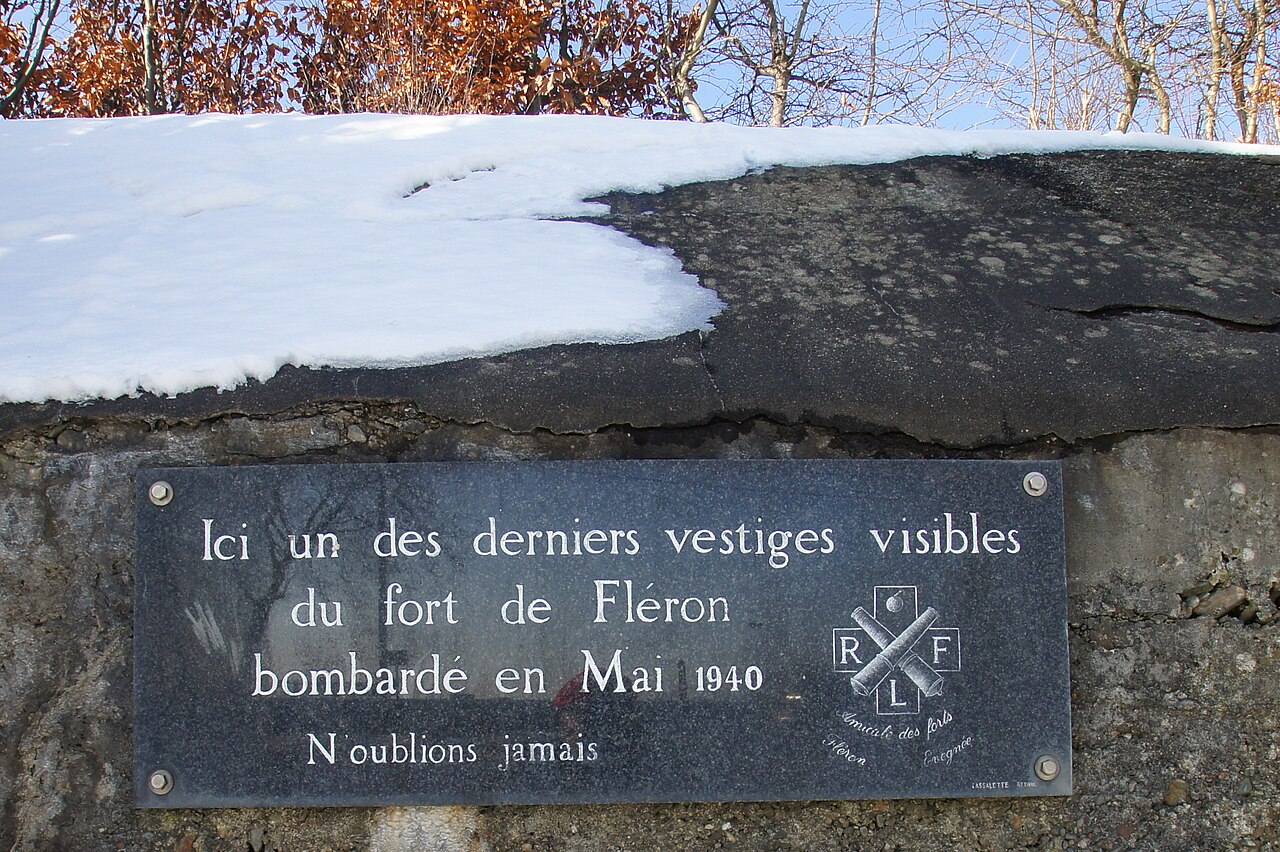
In May 1940, during the German invasion of Belgium, Fort de Tancrémont was among the last forts to surrender. Its defenders held out for several days after the fall of other key positions, including the nearby Fort Eben-Emael, which had been taken by surprise in a daring airborne assault. The fort's resistance delayed German advances and provided a stronghold for Belgian forces during the chaotic early phase of the war.
The fort's stout construction and strategic location contributed to its defensive success, but ultimately, the overwhelming German military campaign forced its capitulation. The fort's defense is remembered as a testament to the effectiveness of Belgium's interwar fortification program and the determination of its defenders.
Preservation and public access
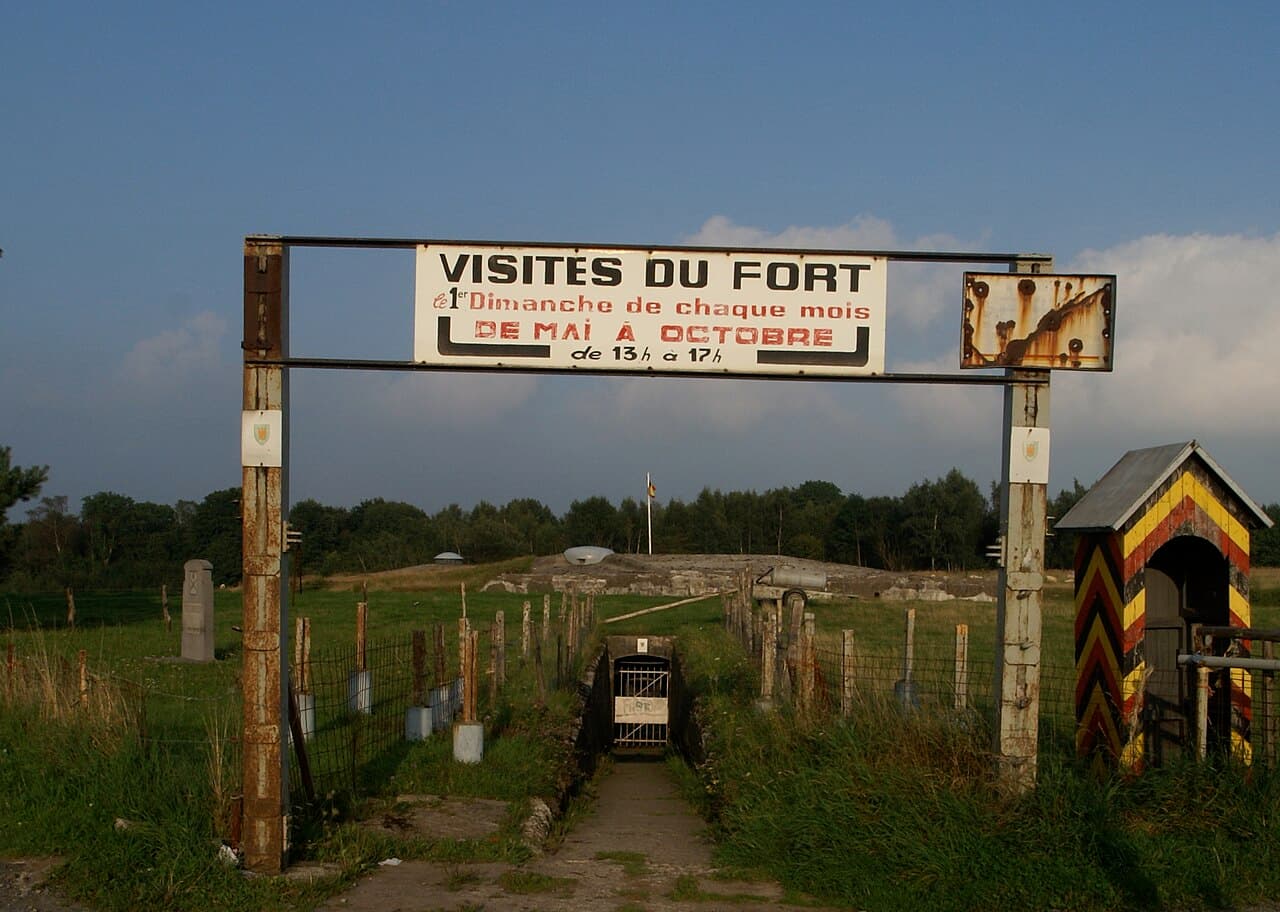
Today, Fort de Tancrémont is well preserved and serves as a historical monument open to the public. It offers visitors a unique glimpse into 20th-century military architecture and Belgium's wartime history. The site includes guided tours that explain the fort's design, its role in the defense of Liège, and the broader context of World War II fortifications.
Visitors can explore the extensive underground galleries, artillery positions, and living quarters, gaining insight into the daily life of soldiers stationed there. The fort is an important cultural heritage site, contributing to public understanding of Belgium's military past and the evolution of fortification technology.
Location and regional significance
Located near the city of Pepinster in the Liège region, Fort de Tancrémont is part of a broader network of fortifications that once protected Belgium's eastern frontier. The region's strategic importance stems from its proximity to Germany and its role as a gateway into Western Europe. The fortifications around Liège, including Tancrémont, reflect Belgium's efforts to maintain sovereignty and defend against invasion during a turbulent period in European history.
Frequently asked questions (FAQ)
- What is the historical significance of Fort de Tancrémont?
- Fort de Tancrémont, built in the late 19th century, played a crucial role in the defense strategy of Belgium. It was part of the fortifications established to protect against potential invasions and has witnessed various military events throughout its history, reflecting the military architecture of its time.
- When was Fort de Tancrémont constructed?
- The construction of Fort de Tancrémont began in 1888 and was completed in 1892. It was built as part of a series of fortifications around Liège, designed to enhance the defensive capabilities of the region during a period of military tension in Europe.
- Is it possible to visit Fort de Tancrémont?
- Yes, Fort de Tancrémont is open to visitors, allowing them to explore its fascinating history and architecture. Guided tours are often available, providing insights into the fort's past and its strategic importance in Belgium's military history.
- What are the opening hours for Fort de Tancrémont?
- Fort de Tancrémont typically opens for visitors from 10:00 AM to 5:00 PM, but it's advisable to check the official website for any seasonal changes or special events that may affect these hours. Visiting during weekends may offer the best opportunities for guided tours.
- Can I find nearby attractions when visiting Fort de Tancrémont?
- Absolutely! The area around Fort de Tancrémont is rich in history and natural beauty. Nearby attractions include the charming town of Pepinster, the picturesque Meuse River, and other historical sites that enhance your visit to the region.
- What is the best time to visit Fort de Tancrémont?
- The best time to visit Fort de Tancrémont is during the spring and summer months when the weather is pleasant, and outdoor activities are more enjoyable. These seasons often feature special events and guided tours, providing a more engaging experience.
- How do I purchase tickets for Fort de Tancrémont?
- Tickets for Fort de Tancrémont can be purchased on-site or through their official website, where you may find information about pricing and any available discounts. It's recommended to book in advance during peak tourist seasons to ensure your spot on guided tours.
- Is Fort de Tancrémont accessible for visitors with disabilities?
- Fort de Tancrémont is committed to accessibility, with efforts made to accommodate visitors with disabilities. However, some areas may present challenges due to the fort's historical architecture, so it's best to contact the site directly for specific accessibility information and assistance.
Photo gallery

Information
Loading map...
Visitor reviews
No reviews yet. Been here? Write the first review and help other travelers!
Write the first reviewVisited this castle? Share your experience
Your review helps other travelers and adds first-hand knowledge to our encyclopedia.