Fort de Fléron
Fort de Fléron is one of the twelve forts constructed around the city of Liège, Belgium, in the late 19th century as part of the Fortified Position of Liège. This network of forts formed a critical component of Belgium's National Redoubt, a defensive strategy designed to protect the country from invasion. Built between 1881 and 1891, Fort de Fléron was designed by the prominent military engineer General Henri Alexis Brialmont, whose work marked a significant evolution in fortress construction during the Modern period.
Innovative construction and architectural design
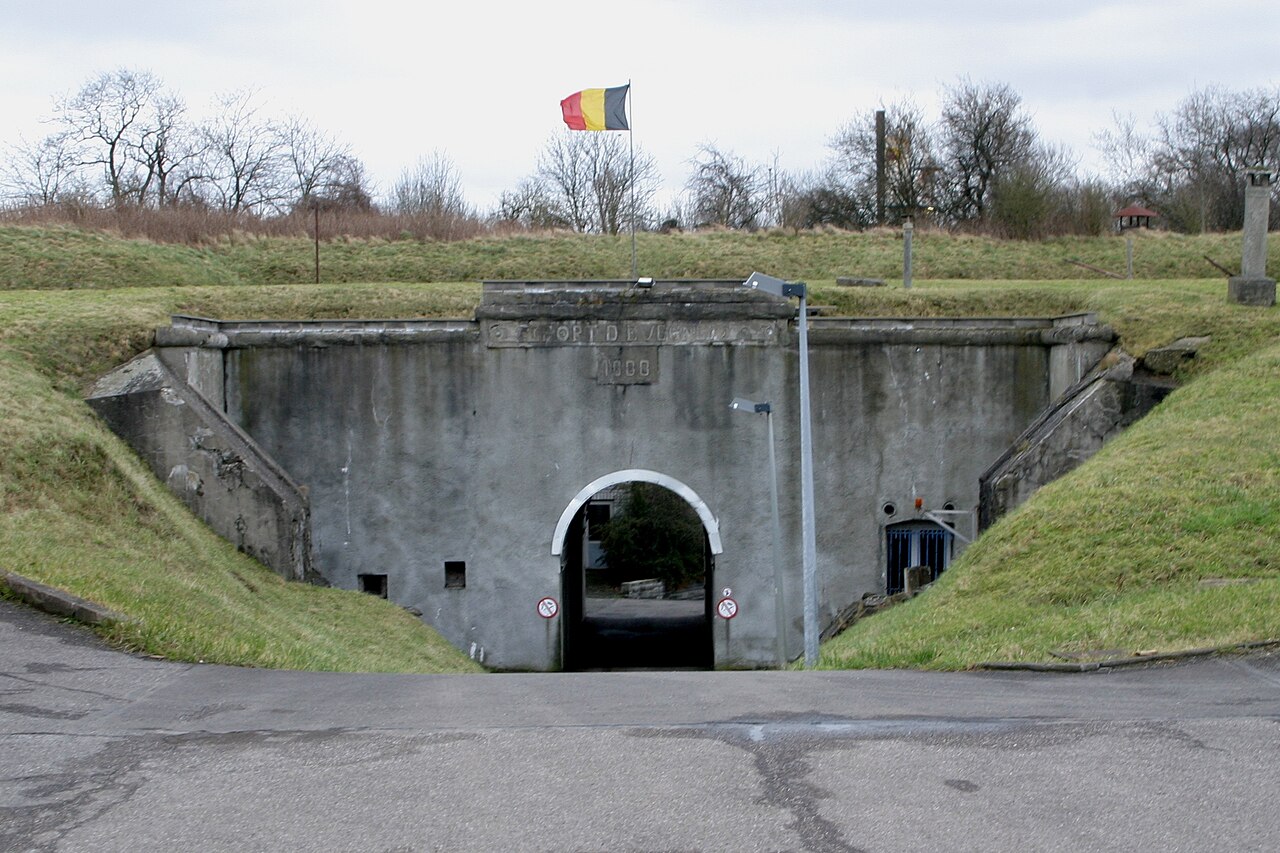
Unlike the contemporaneous French forts designed by Raymond Adolphe Séré de Rivières, which primarily used masonry, Fort de Fléron was constructed exclusively of unreinforced concrete. This was a pioneering use of concrete in military architecture, representing a shift towards new materials that could better withstand the increasing power of artillery. The fort's layout reflected the bastioned fortress style, characterized by angular bastions designed to cover each other with defensive fire, minimizing blind spots and maximizing protection.
Structural features and defensive elements
The fort's design included a central massif housing the main artillery batteries, protected by thick concrete walls and armored turrets. Surrounding the core were defensive ditches and counterscarp galleries, which allowed defenders to fire on attackers attempting to cross the moat. The fort also included underground barracks, ammunition magazines, and command posts, all designed to sustain prolonged defense under siege conditions.
Role in the Battle of Liège
Fort de Fléron played a significant role during the Battle of Liège in August 1914, one of the opening engagements of World War I. The fort endured heavy bombardment from German artillery, including the use of the massive Big Bertha howitzers, which were capable of firing shells weighing over 400 kilograms. Despite the intense shelling, the fort's concrete construction allowed it to resist longer than many traditional masonry forts, delaying the German advance and contributing to the overall Belgian defense effort.
Impact and aftermath
The resistance of Fort de Fléron and the other Liège forts demonstrated the evolving nature of military fortifications in the face of modern artillery. However, the fort was eventually overcome, and the siege revealed vulnerabilities in the design, such as the lack of reinforced concrete and limited ventilation. These lessons influenced later upgrades and fortification strategies.
Interwar upgrades and World War II
In the 1930s, Fort de Fléron underwent significant upgrades to improve its defenses against the threat of renewed German aggression. These modifications included reinforced concrete additions, improved artillery, and enhanced living quarters for the garrison. Despite these efforts, the fort did not see major action during World War II and was eventually rendered obsolete by advances in military technology and tactics.
Current state and preservation
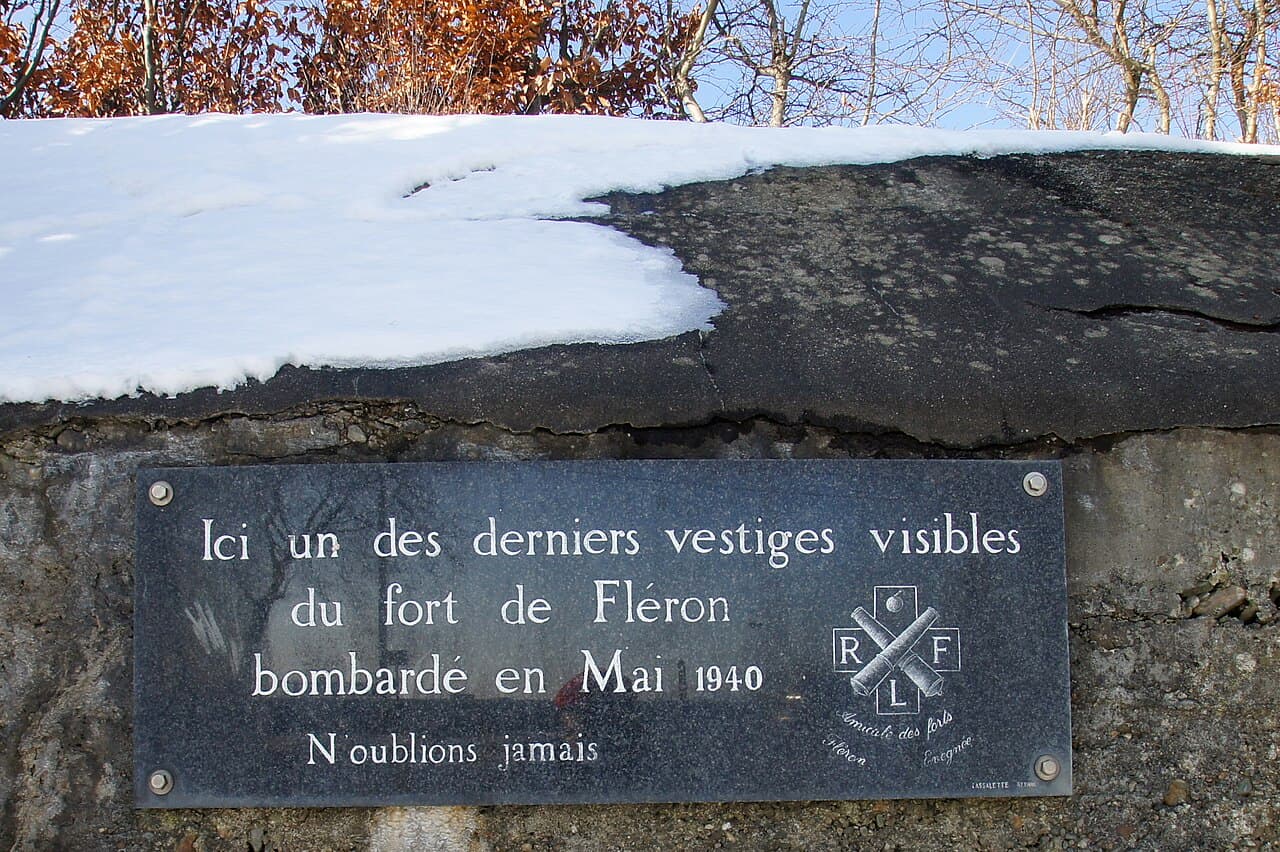
Today, Fort de Fléron is largely buried beneath modern urban development in the center of the town of Fléron. The fort is surrounded by residential apartments, and much of its structure is no longer visible. Although the fort is not accessible to the public, it remains an important historical site that reflects the evolution of military architecture in Belgium and the broader European context during the late 19th and early 20th centuries.
Legacy and cultural significance
Fort de Fléron stands as a testament to the transition from traditional masonry fortifications to modern concrete military structures. Its role in the National Redoubt and the Battle of Liège highlights its strategic importance in Belgian history. The fort's construction techniques and defensive features continue to be studied by historians and military architects interested in the development of fortress design.
Frequently asked questions (FAQ)
- What is the historical significance of Fort de Fléron?
- Fort de Fléron was part of the Fortified Position of Liège and Belgium's National Redoubt, playing a key role in delaying the German advance during World War I's Battle of Liège.
- Can I visit Fort de Fléron today?
- Fort de Fléron is largely buried beneath modern buildings in Fléron and is not open to the public for visits.
- What materials were used in the construction of Fort de Fléron?
- The fort was constructed exclusively of unreinforced concrete, a pioneering choice at the time, which distinguished it from contemporary masonry forts.
- When was Fort de Fléron built?
- Construction of Fort de Fléron took place between 1881 and 1891, during the late 19th century.
- How was Fort de Fléron involved in World War I?
- During the Battle of Liège in 1914, Fort de Fléron endured heavy bombardment from German artillery, including the powerful Big Bertha howitzers, contributing to the Belgian defense effort.
Photo gallery

Information
Architect
Henri Alexis Brialmont
Loading map...
Visitor reviews
No reviews yet. Been here? Write the first review and help other travelers!
Write the first reviewVisited this castle? Share your experience
Your review helps other travelers and adds first-hand knowledge to our encyclopedia.