Fort de Saint-Héribert
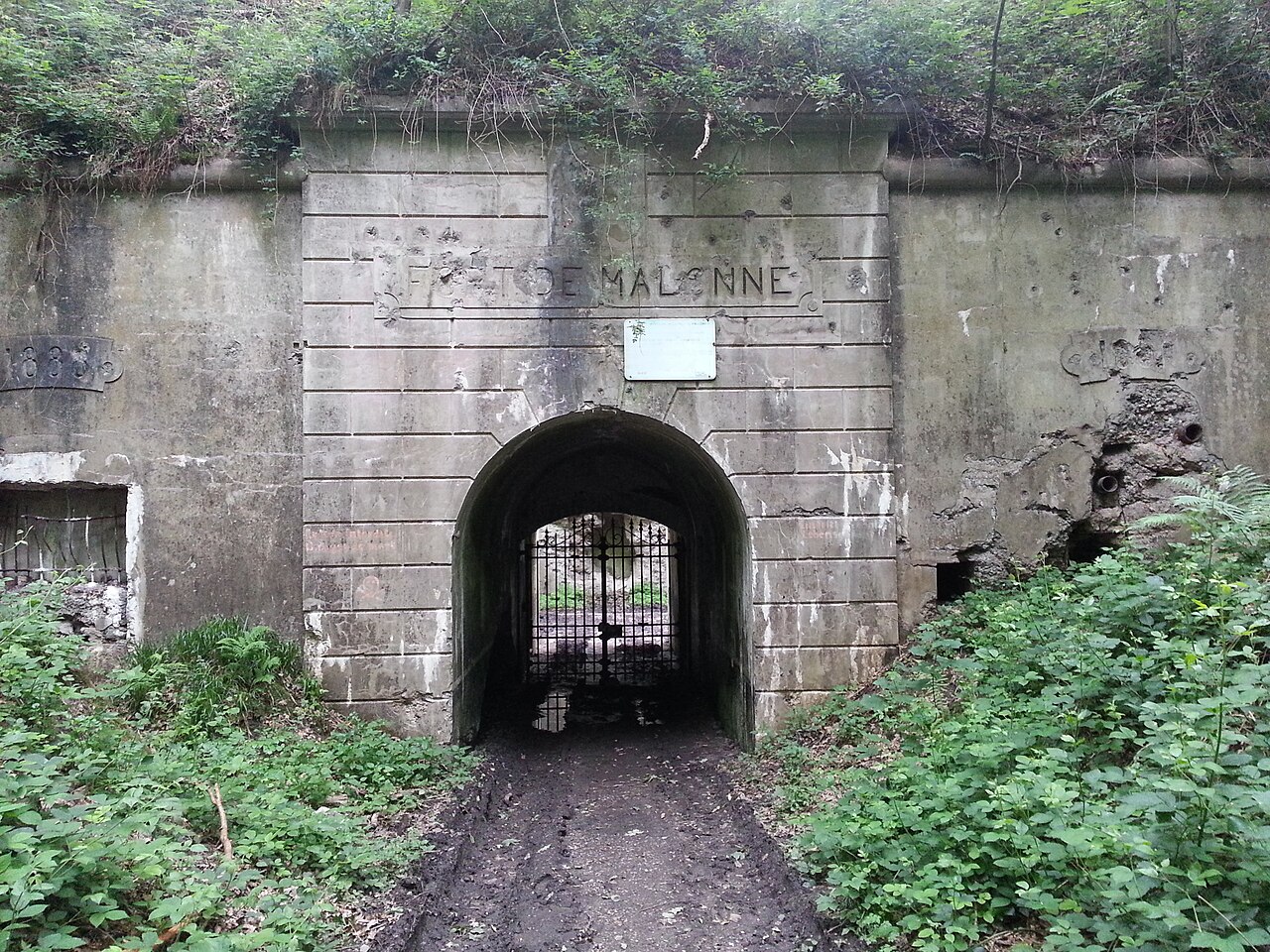
Fort de Saint-Héribert, also known as Fort de Wépion, is a significant example of late 19th-century military architecture in Belgium. Constructed between 1888 and 1892, it was one of the nine forts forming the Fortifications of Namur, designed by the renowned military engineer General Henri Alexis Brialmont. This fortification was part of Belgium's strategic effort to defend the city of Namur against potential invasions, particularly from Germany.
The fort is classified as a bastioned fortress, a type of fortification characterized by angular bastions protruding from the main walls, allowing defensive fire in multiple directions and eliminating blind spots. Unlike the contemporary French forts designed by Raymond Adolphe Séré de Rivières that relied heavily on masonry, Fort de Saint-Héribert was constructed exclusively using unreinforced concrete, a pioneering material at the time. This innovation marked a shift in fortress construction, as concrete offered better resistance to artillery bombardment compared to traditional stone and brick.
Architectural design and construction
The fort's layout follows Brialmont's principles, emphasizing a compact polygonal shape with bastions at the corners to maximize defensive coverage. The walls and roofs were thickly layered with concrete to absorb and deflect incoming shells. The fort included multiple artillery batteries positioned to cover approaches from all sides, surrounded by a moat and protected by caponiers—fortified structures projecting into the ditch for enfilading fire.
Internally, the fort housed magazines for ammunition storage, barracks for the garrison, command posts, and casemates for artillery. Ventilation systems were integrated to mitigate the effects of gas attacks and smoke from firing. The use of concrete allowed for a more monolithic structure with fewer joints, reducing vulnerability to shell impacts.
Historical significance and military engagements
During the Battle of Namur in 1914, Fort de Saint-Héribert endured intense bombardment by German heavy artillery. Despite its innovative construction, the fort was subjected to new artillery calibers and explosive shells that challenged its defenses. The battle demonstrated both the strengths and limitations of Brialmont's design in the face of modern warfare.
Between the wars, the fort was upgraded in the 1930s as part of the fortified position of Namur, reflecting evolving military doctrines and the increasing threat posed by Germany. These upgrades included reinforced concrete repairs, improved artillery placements, and modernization of defensive systems to delay or repel attacks.
In 1940, during the Battle of Belgium, Fort de Saint-Héribert again saw combat and was ultimately captured by German forces. Its role in both world wars underscores its strategic importance in Belgium's defense network.
Current status and preservation efforts
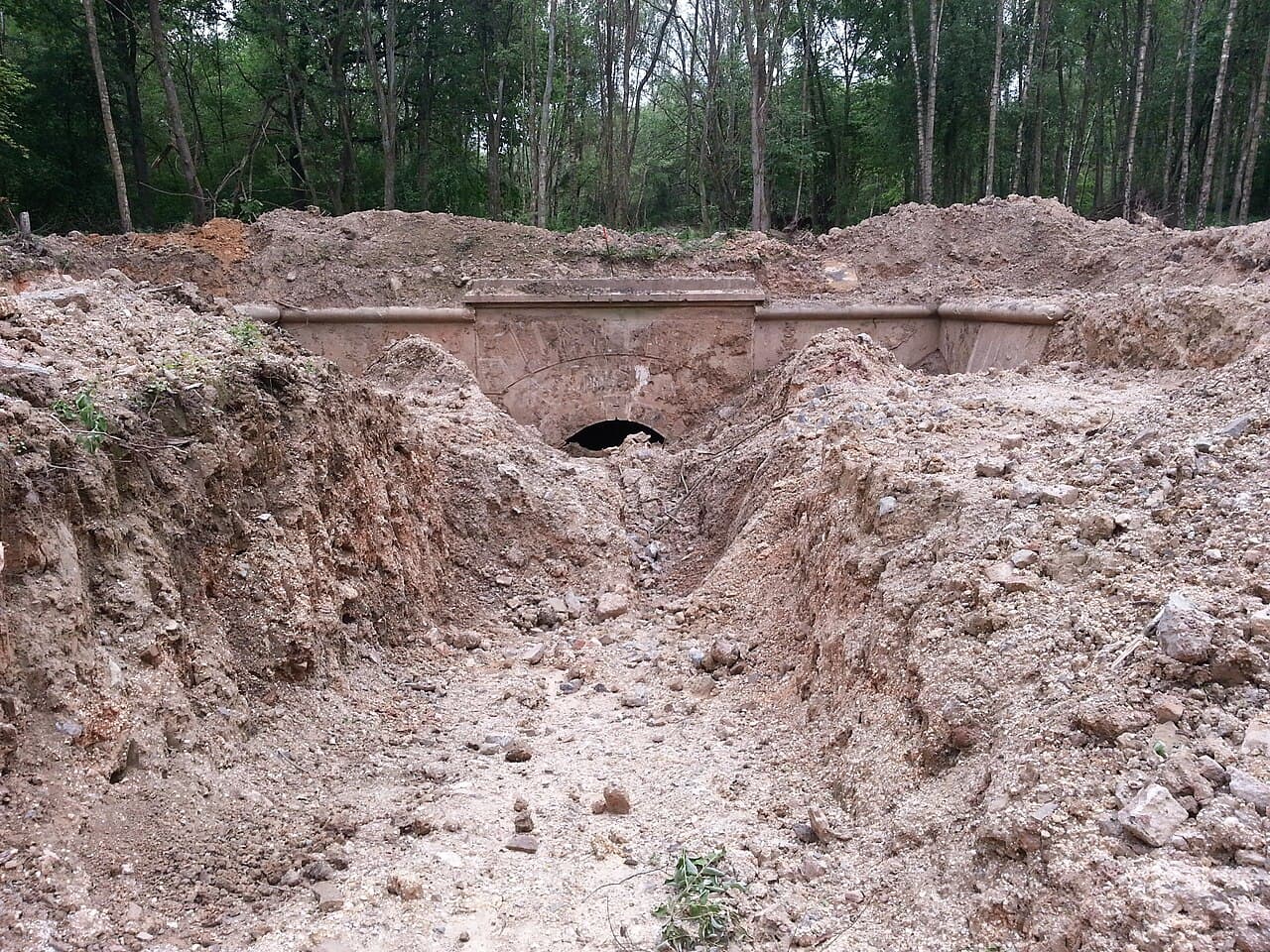
Today, Fort de Saint-Héribert is under the care of the Fondation Emile Legros, a private organization dedicated to preserving this historic site. The foundation has undertaken archaeological work, including the excavation of the main entrance and other key areas, to reveal the fort's original features and make them accessible for study and public interest.
The fort remains a valuable example of 19th-century military engineering and the transition to modern fortification techniques. Its preservation contributes to understanding the evolution of defensive architecture and the historical context of Belgium's military heritage.
Frequently asked questions (FAQ)
- When was Fort de Saint-Héribert built and by whom?
- Fort de Saint-Héribert was constructed between 1888 and 1892 based on the designs of General Henri Alexis Brialmont as part of the Fortifications of Namur.
- What materials were used in the construction of the fort?
- The fort was built exclusively with unreinforced concrete, a novel material at the time, instead of traditional masonry, to better withstand artillery bombardment.
- What role did the fort play during the World Wars?
- The fort was heavily bombarded in 1914 during the Battle of Namur and saw action again in 1940 during the Battle of Belgium, where it was captured by German forces.
- Is Fort de Saint-Héribert open to the public?
- The fort is currently managed by the Fondation Emile Legros, which has conducted excavations, but public visiting hours and access may be limited or by appointment.
- What architectural features distinguish Fort de Saint-Héribert?
- Key features include its bastioned design, thick concrete walls, artillery batteries, moats, and caponiers for defensive fire coverage.
Photo gallery

Information
Architect
General Henri Alexis Brialmont
Current owner
Fondation Emile Legros
Loading map...
Visitor reviews
No reviews yet. Been here? Write the first review and help other travelers!
Write the first reviewVisited this castle? Share your experience
Your review helps other travelers and adds first-hand knowledge to our encyclopedia.