Dave Castle
Dave Castle, also known as Fernan-Núñez Castle, is a historic hill castle located in the district of Dave within the city of Namur, Belgium. Positioned strategically on the banks of the river Meuse, this castle complex has served as a seat of power since the late medieval period. Originally constructed in the 15th century, it was the stronghold of the influential local lords known as the sieurs de Dave. Over centuries, the castle has witnessed significant historical events, noble ownership transitions, and architectural transformations, reflecting the region's turbulent past and evolving tastes.
Medieval origins and feudal significance
The earliest records of the estate date back to 1284, with Warnier de Daules recognized as an early lord of the lands that would become Dave Castle. The original fortress was erected by Godefroi de Dave on a rocky promontory, a typical defensive choice for hill castles of the era, offering commanding views of the surrounding landscape and the Meuse River. In 1372, Godefroi secured formal feudal recognition from Count Guillaume I of Namur, solidifying the estate's noble status and its role in regional governance.
Throughout the late medieval and early modern periods, the castle served as the power base for several noble families, including the Houses of Boulant and Barbançon. Notably, Octave, Prince of Barbançon, governed Namur from 1643 to 1693, underscoring the castle's political importance. However, the 17th century brought conflict and decline, culminating in the castle's ruin amid regional instability.
18th and 19th century reconstruction and ownership
In 1737, the estate passed into Spanish hands through the marriage of Marie-Gabrielle de Wignacourt to Alonso de Solis, Duke of Montellano. Their descendants, the Dukes of Fernan-Núñez, undertook extensive rebuilding efforts in the 18th and 19th centuries, transforming the medieval fortress into a more refined château suited to the tastes and residential needs of the period. This reconstruction preserved some medieval elements while incorporating contemporary architectural styles and comforts.
The château remained a private residence of the Fernan-Núñez family well into the 20th century. The last feudal lord recorded was Alphonse de Solis, born in 1756. Ownership continues within the family lineage, currently held by Manuel Falco y de Anchorena, born in 1936.
Architectural features and estate layout
The château complex is composed of multiple buildings aligned along the Namur-Dinant railway, with the oldest structures situated near the tracks. The main château, dating from the 18th century, stands prominently on the Meuse's banks, forming the centerpiece of the estate. The surrounding grounds include a park of approximately seven hectares, notable for its collection of rare tree species, contributing to the estate's aesthetic and ecological value.
To the west, the estate extends into managed woodlands used for timber production, preserving a natural buffer around the property. Opposite the Île de Dave lies a smaller château from the early 18th century, which received an English-style extension in 1865. This addition was designed by Alphonse Balat, a prominent architect renowned for his work on the Royal Greenhouses of Laeken. This smaller château, associated with the de Wasseige banking family, is sometimes referred to as Château de Wasseige.
Medieval remnants and preservation
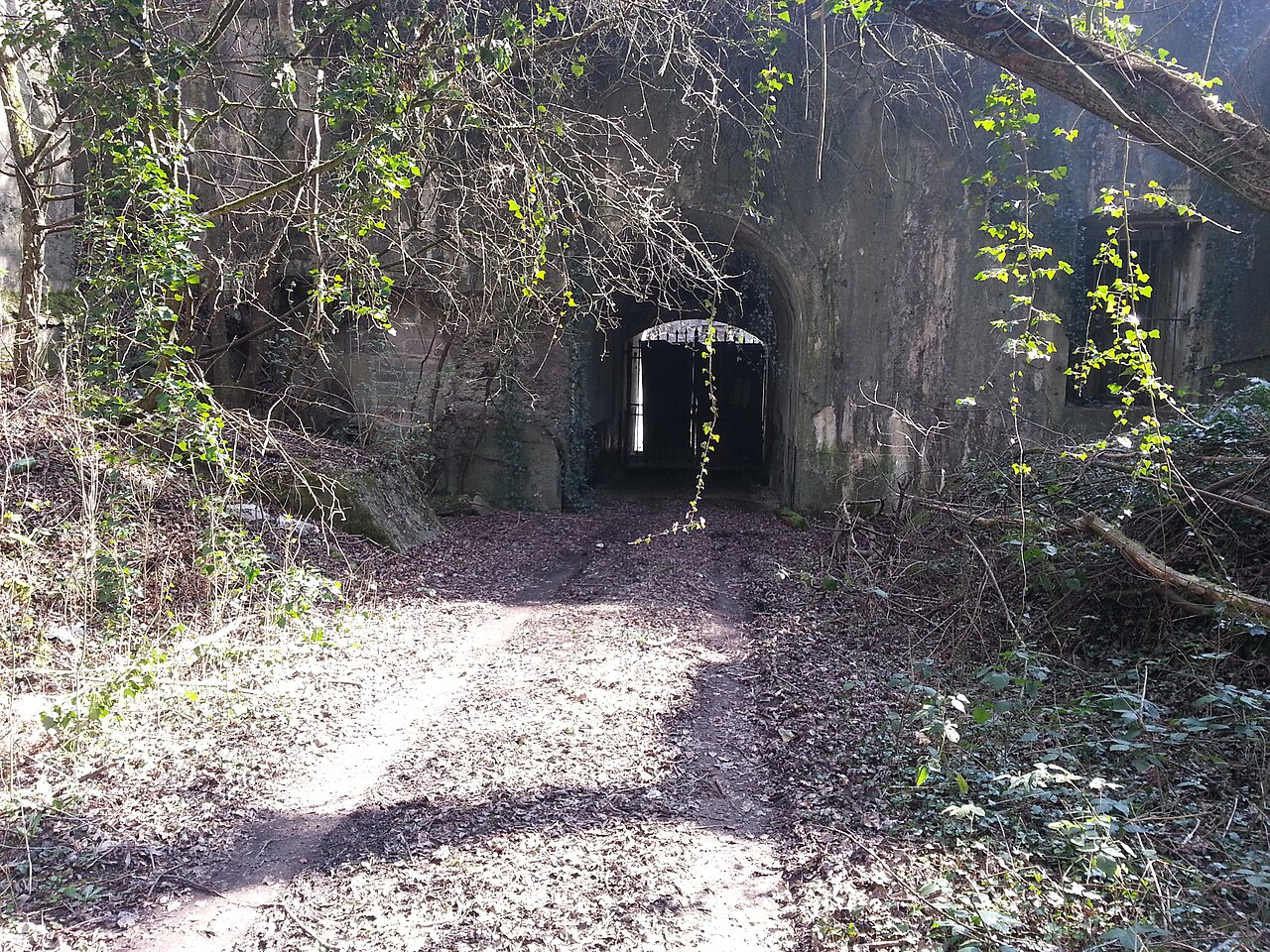
While much of the original medieval fortress was destroyed in the 17th century, some elements of the medieval construction remain integrated into the later buildings. The exact condition of these remnants is not extensively documented, but they contribute to the château's layered architectural narrative. The estate's preservation as a private property has limited public access, maintaining its historical integrity and exclusivity.
Historical context and cultural significance
Dave Castle reflects the complex history of the Namur region, marked by feudal power struggles, noble alliances, and shifting sovereignties. Its evolution from a medieval stronghold to an elegant château encapsulates broader European trends in castle architecture and aristocratic residence development. The castle's association with prominent families such as the sieurs de Dave, the Barbançon princes, and the Dukes of Fernan-Núñez underscores its enduring importance.
The estate's location on the Meuse River not only provided strategic defense advantages but also facilitated control over regional trade and communication routes. The preservation of the château and its parkland contributes to the cultural heritage of Namur, offering insights into aristocratic life and landscape design from the medieval period through the 19th century.
Visiting information and accessibility
Dave Castle remains a private residence and is not open to the public. Its secluded nature and maintained grounds ensure the preservation of its historical and architectural features. Visitors interested in the castle's history and architecture can explore the surrounding region of Namur, which offers numerous other heritage sites and scenic views along the Meuse River.
Although direct access to Dave Castle is restricted, the nearby village of Dave and the city of Namur provide opportunities to appreciate the castle's setting and the rich historical landscape of Wallonia.
Frequently asked questions (FAQ)
- How do I get to Dave Castle?
- Dave Castle is located in the charming town of Dave, Belgium, easily accessible by car or public transport. If you're driving, ample parking is available nearby. For those using public transport, local buses and trains connect to nearby cities, making it convenient for visitors.
- What is the historical significance of Dave Castle?
- Dave Castle dates back to the 12th century and has played a vital role in the region's history, serving as a defensive stronghold during various conflicts. Its architecture reflects the evolution of medieval design, showcasing both military and residential features. Visitors can explore the fascinating stories of the castle's past through exhibitions and guided tours.
- When was Dave Castle built?
- Construction of Dave Castle began in the early 1100s, with subsequent renovations and expansions occurring over the centuries. The castle's design has evolved from a simple fortification to a grand residence, illustrating the changing architectural styles of the time. Today, it stands as a testament to the rich history of the region.
- Can I take guided tours of Dave Castle?
- Yes, guided tours are available for visitors who wish to learn more about the castle's history and architecture. These tours are led by knowledgeable guides who share intriguing stories and insights. It's advisable to book in advance, especially during peak tourist seasons.
- Why is Dave Castle considered an architectural gem?
- Dave Castle is renowned for its unique blend of medieval and Renaissance architectural styles, characterized by its imposing towers and intricate stonework. The castle's layout and design reflect the strategic military needs of its time, while also showcasing the luxurious living spaces of its inhabitants. This combination makes it a fascinating site for architecture enthusiasts.
- Is it possible to host events at Dave Castle?
- Yes, Dave Castle offers facilities for hosting various events, including weddings and corporate gatherings. The castle's picturesque setting and historical ambiance provide a unique backdrop for special occasions. Interested parties should contact the castle's administration for more details on booking and availability.
- What are the opening hours for Dave Castle?
- Dave Castle is open to visitors from 10 AM to 6 PM, Tuesday through Sunday. It is closed on Mondays and certain public holidays, so be sure to check the schedule before planning your visit. Extended hours may apply during peak tourist seasons to accommodate more guests.
- What are the ticket prices for visiting Dave Castle?
- Ticket prices for Dave Castle are reasonably set to ensure access for all visitors. Adults typically pay around €10, while children and seniors enjoy discounted rates. Family packages are also available, making it an affordable day out for everyone.
- What nearby attractions should I visit while in Dave?
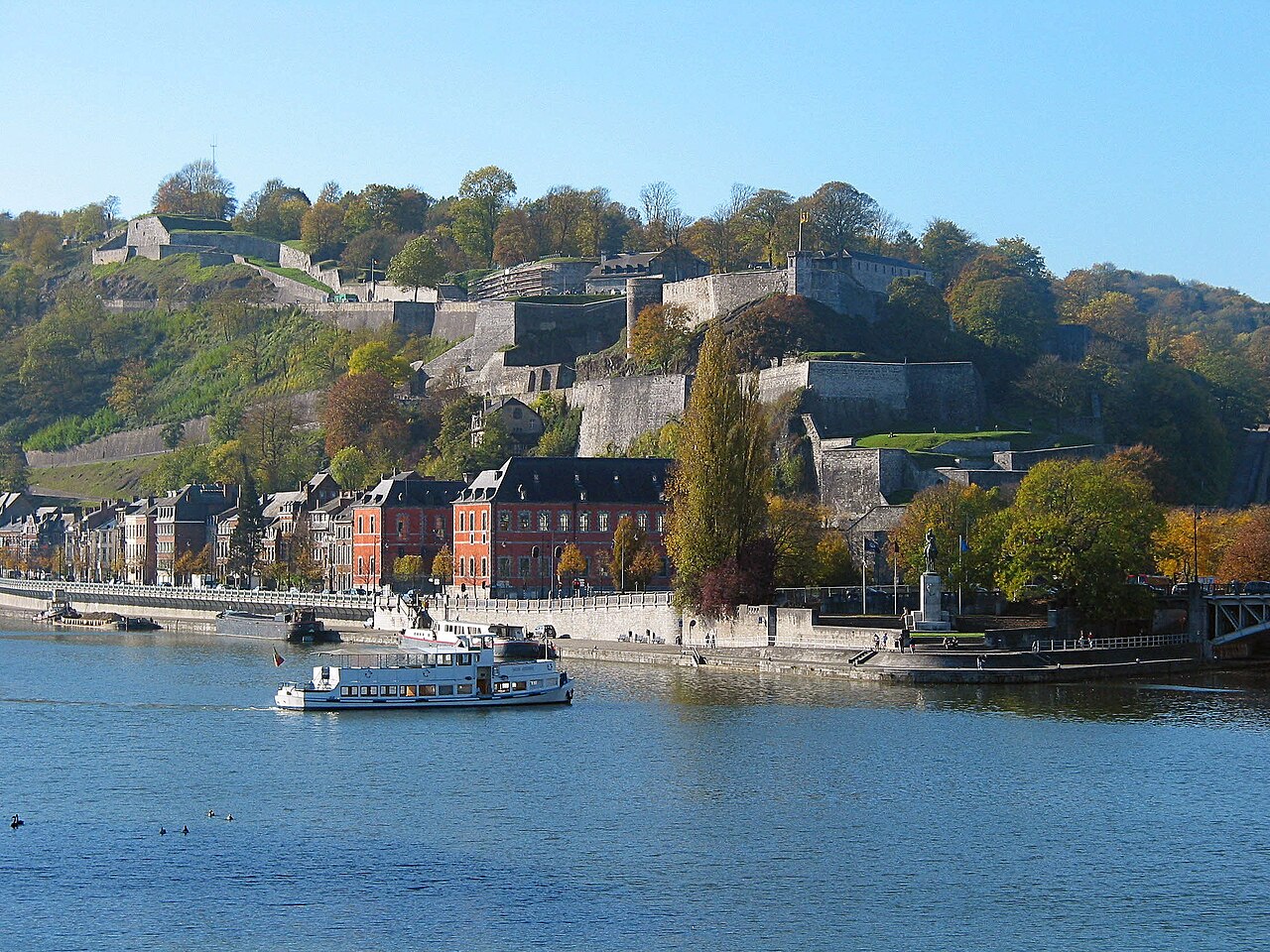
- While visiting Dave Castle, be sure to explore the nearby historic town of Namur, known for its charming streets and the Citadel of Namur. Additionally, the picturesque Meuse River offers opportunities for scenic walks and boat tours. These attractions complement your castle visit and enhance your experience in the region.
Information
Website
Visit websiteSources & official resources
Verify the information above using these authoritative references.
Loading map...
Visitor reviews
No reviews yet. Been here? Write the first review and help other travelers!
Write the first reviewVisited this castle? Share your experience
Your review helps other travelers and adds first-hand knowledge to our encyclopedia.