Fort de Malonne
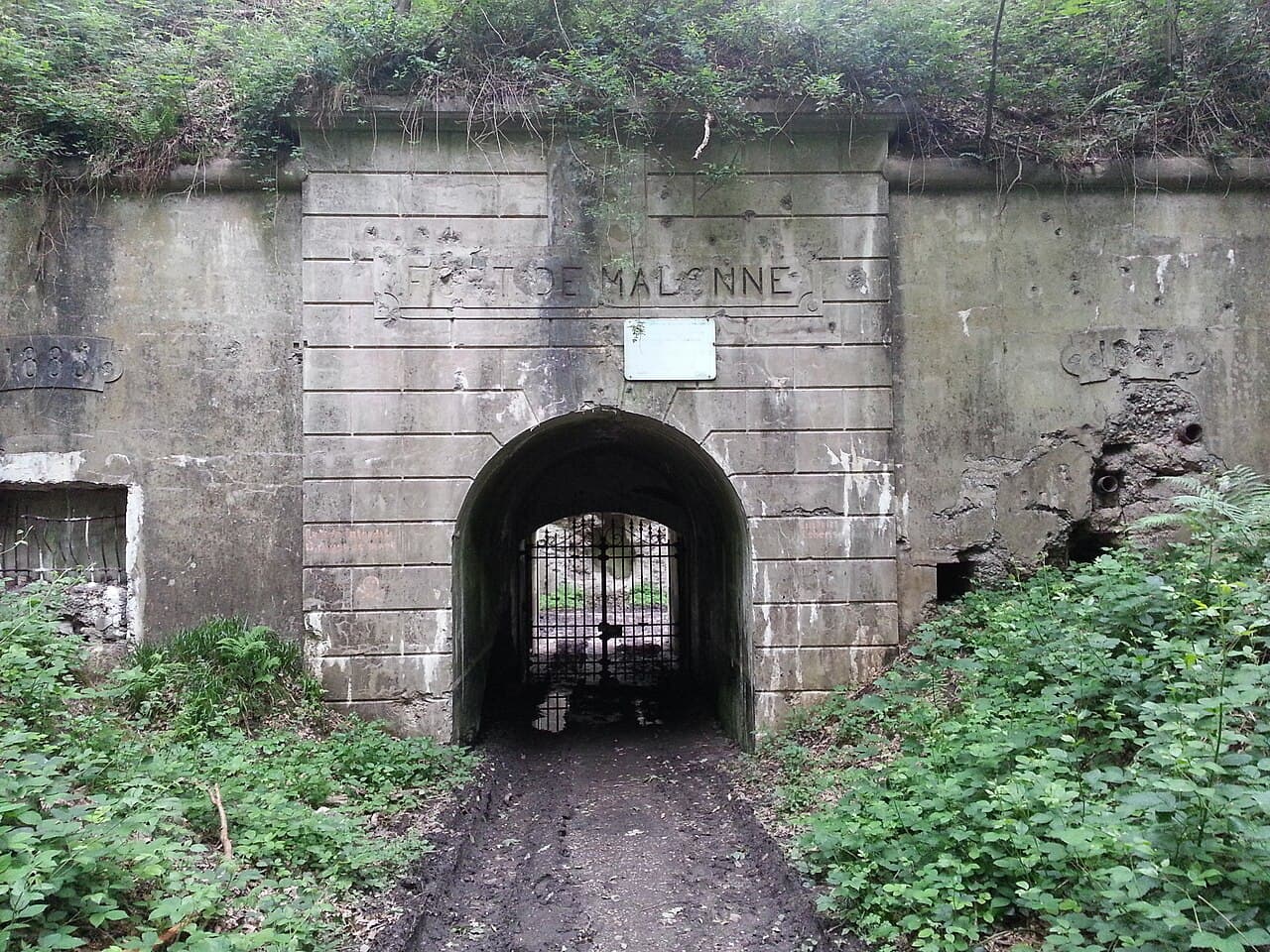
Fort de Malonne is a significant example of late 19th-century military architecture in Belgium, constructed as part of the Fortifications of Namur. Built between 1888 and 1892 under the direction of General Henri Alexis Brialmont, it was one of nine forts designed to defend the strategic city of Namur and control the Meuse valley. Unlike contemporary French forts designed by Raymond Adolphe Séré de Rivières, Fort de Malonne was constructed exclusively of unreinforced concrete, a pioneering material at the time, replacing traditional masonry. This choice reflected advances in military engineering and the evolving nature of artillery warfare.
Architectural design and construction
The fort exemplifies the bastioned fortress typology, characterized by angular bastions projecting outward to provide overlapping fields of fire and eliminate blind spots. The use of unreinforced concrete allowed for thick, monolithic walls and roofs designed to withstand heavy bombardment, a crucial feature given the increasing power of late 19th-century artillery. The layout included artillery casemates, underground galleries, and armored turrets housing heavy guns. Defensive features such as moats, caponiers for close defense, and reinforced entry gates were integrated to resist infantry assaults.
Historical context and military significance
Fort de Malonne was part of Belgium's efforts to fortify the traditional invasion route between Germany and France through Belgium. The Fortifications of Namur formed a ring of nine forts constructed to deter or delay invading armies. The fort's strategic location near Namur was vital in controlling movement along the Meuse River and protecting the city as a military and logistical hub.
Role in World War I
During the Battle of Namur in 1914, Fort de Malonne was subjected to intense bombardment by German heavy artillery. Despite the fort's innovative concrete construction, it suffered significant damage due to the unprecedented power of German siege guns, which exposed vulnerabilities in Brialmont's design. The fort was eventually overwhelmed, contributing to the fall of Namur to German forces early in the war.
Interwar modernization
In the 1930s, recognizing the shortcomings revealed during World War I, the Belgian military undertook extensive upgrades to Fort de Malonne and the other Namur forts. These improvements were part of the fortified position of Namur initiative, aimed at strengthening defenses against a potential German invasion. Modernization included reinforced concrete additions, improved ventilation, updated artillery, and enhanced living quarters for the garrison. The goal was to create a more resilient defensive network capable of delaying enemy advances.
World War II and later use
Fort de Malonne again saw combat during the Battle of Belgium in 1940. Despite the upgrades, the fort was captured by German forces during the rapid German advance through Belgium. After the war, the fort ceased military operations and eventually became part of a nature preserve. Today, it serves as an important habitat for bats and other wildlife, illustrating a transition from military use to conservation.
Preservation and current status
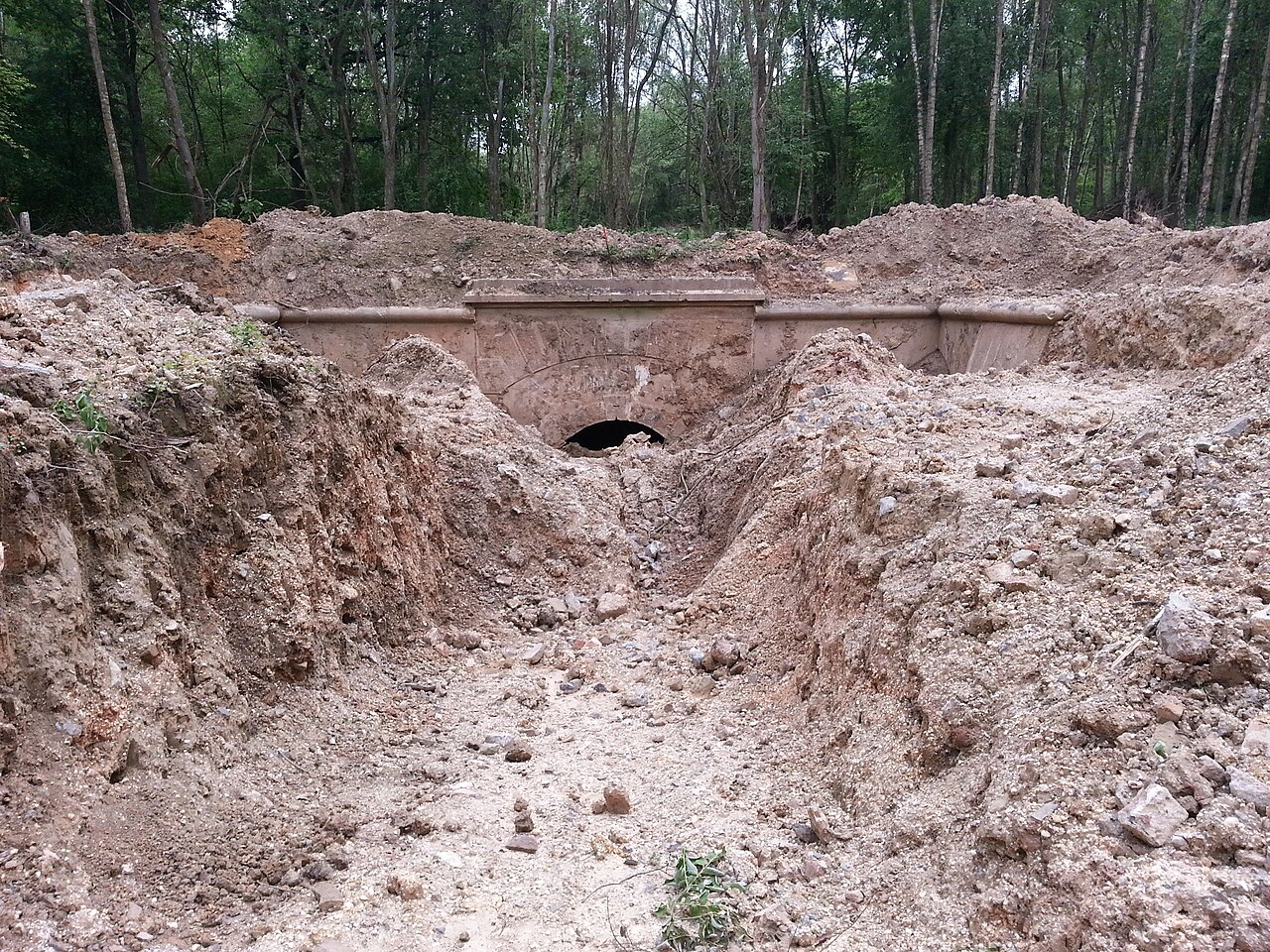
Currently, Fort de Malonne is classified as a well-preserved bastioned fortress, although it remains largely in a state reflecting its military past rather than being fully restored for tourism. Its inclusion in a nature reserve helps protect the site and its ecological value. Visitors interested in military history and fortification architecture can explore the remains, which provide insight into late 19th and early 20th-century defensive strategies.
Architectural legacy and significance
Fort de Malonne represents a transitional phase in fortress design, bridging older masonry techniques and modern concrete construction. It highlights the evolution of military engineering in response to advances in artillery technology. The fort is a testament to General Brialmont's influence on European fortifications and Belgium's strategic military planning. Its history encapsulates key moments in both World Wars and reflects broader themes in European military history.
Frequently asked questions (FAQ)
- How do I visit Fort de Malonne?
- Fort de Malonne is accessible to the public as part of a nature preserve. Visitors should check local tourism websites for access guidelines and any restrictions due to conservation efforts.
- What is the historical significance of Fort de Malonne?
- Fort de Malonne played a key role in the defense of Namur during both World Wars. It was part of a ring of forts designed by General Henri Alexis Brialmont to protect Belgium from invasion.
- When was Fort de Malonne built?
- The fort was constructed between 1888 and 1892 as part of Belgium's late 19th-century fortification efforts around Namur.
- Can I explore the interior of the fort?
- While some areas of Fort de Malonne are accessible, much of the interior may be restricted due to safety and conservation. Guided tours may be available through local heritage organizations.
- Why was unreinforced concrete used in the fort's construction?
- Unreinforced concrete was a new material at the time and allowed for thick, durable walls capable of withstanding heavy artillery bombardment, marking a shift from traditional masonry.
Photo gallery

Information
Current owner
Nature preserve
Loading map...
Visitor reviews
No reviews yet. Been here? Write the first review and help other travelers!
Write the first reviewVisited this castle? Share your experience
Your review helps other travelers and adds first-hand knowledge to our encyclopedia.