Fort de Roppe
Fort de Roppe, also known as Fort Ney, is a significant example of late 19th-century military architecture located near the city of Belfort in northeastern France. Constructed between 1875 and 1877, this fort was part of the strategic second ring of fortifications designed to protect Belfort, a key stronghold on France's eastern border. The fortification was developed under the Séré de Rivières system, a comprehensive network of defensive structures commissioned by the French military following the Franco-Prussian War of 1870-71 to address advances in artillery and warfare technology.
Historical context and strategic importance
The construction of Fort de Roppe took place during a period of intense military innovation and geopolitical tension in Europe. The Franco-Prussian War had exposed the vulnerabilities of traditional fortifications against modern artillery, prompting France to overhaul its defensive strategy. The Séré de Rivières system, named after its chief engineer General Raymond Adolphe Séré de Rivières, aimed to create a series of modern forts equipped with improved defensive features to withstand the increasing power and range of rifled artillery.
Fort de Roppe was strategically positioned to form part of the second defensive ring around Belfort, complementing the older fortifications and enhancing the city's ability to resist sieges. Belfort's location near the borders of Germany and Switzerland made it a critical military hub, controlling important routes and serving as a barrier against invasions.
Architectural design and fortification features
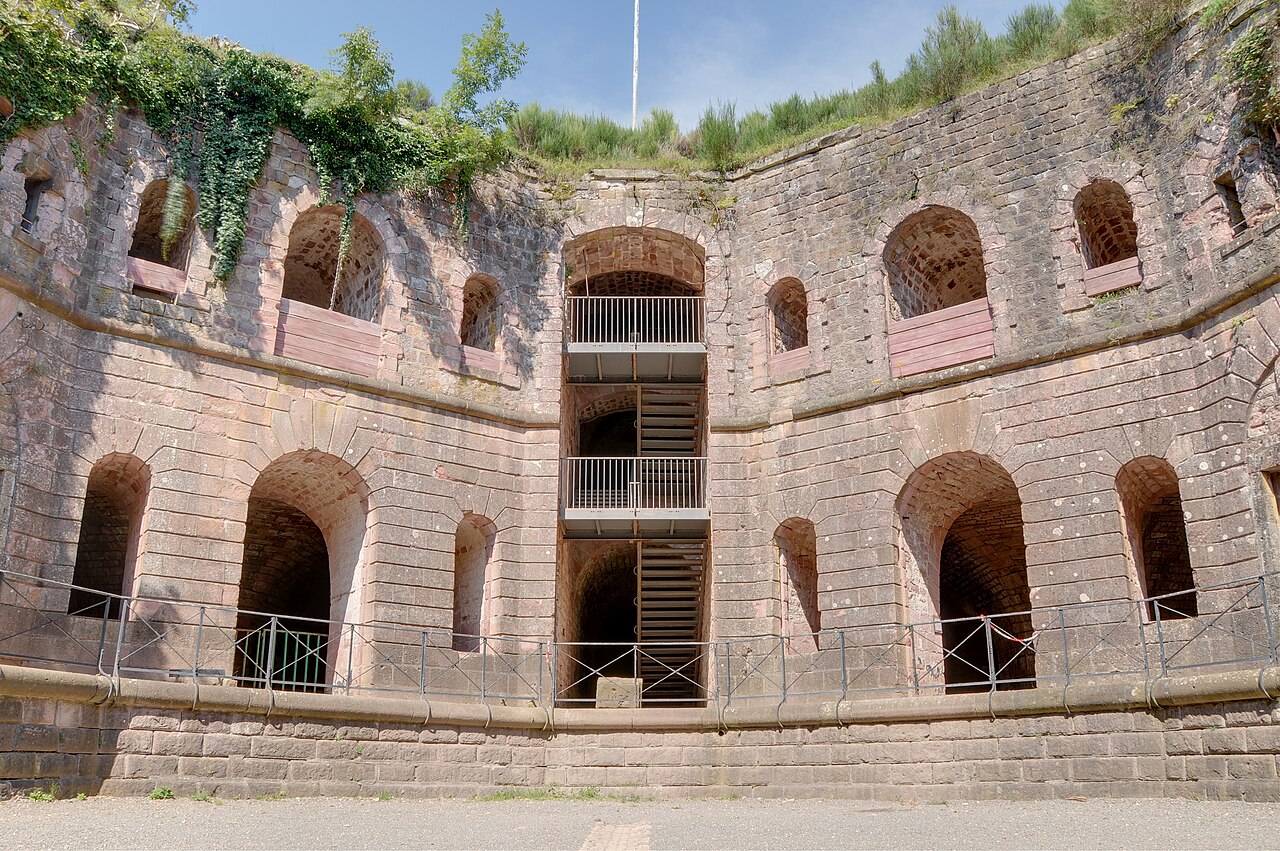
As a bastioned fortress, Fort de Roppe exemplifies the military architectural principles of the late 19th century, combining traditional bastion elements with innovations to counter artillery threats. The fort's layout includes angular bastions designed to provide overlapping fields of fire, minimizing blind spots and allowing defenders to cover all approaches effectively.
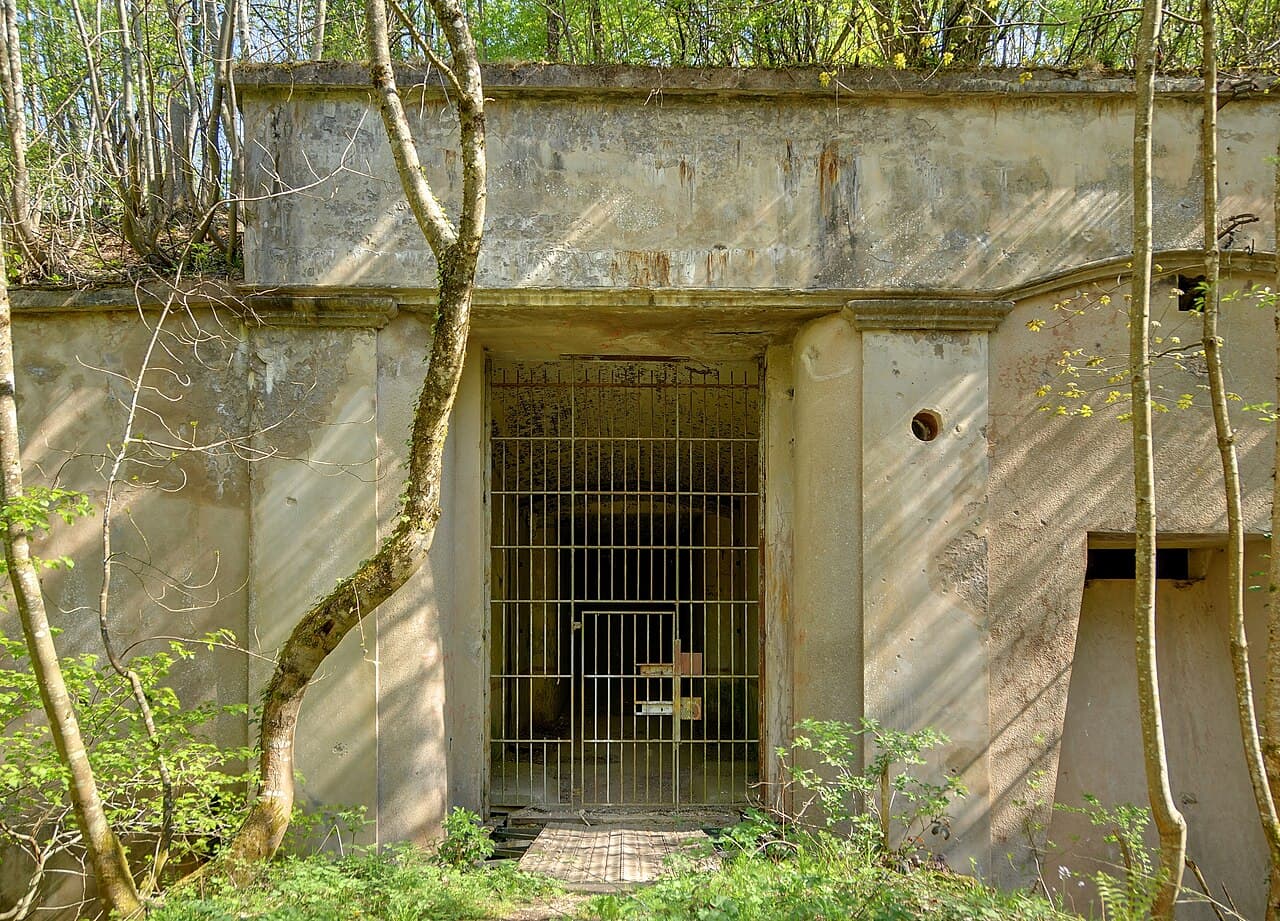
The construction utilized thick masonry walls reinforced with concrete, a relatively new material at the time, to absorb and deflect artillery shells. The fort was also equipped with underground galleries and casemates to protect troops and munitions from bombardment. Defensive ditches and glacis slopes surrounded the fort to hinder enemy advances and improve the defenders' line of sight.
Fort de Roppe's armament originally included a variety of artillery pieces positioned in protected emplacements, allowing the fort to engage attackers at long range. The design also incorporated armored gun turrets and observation posts to enhance its defensive capabilities.
Role in military history and later use
Although Fort de Roppe was never directly involved in major battles, its presence contributed to the overall deterrence and defense strategy of the Belfort region. The fort was maintained and upgraded through the early 20th century, adapting to evolving military technologies and tactics.
During both World Wars, the fort served as a military strongpoint and observation post, though its role diminished with the advent of more mobile warfare and air power. After World War II, the fort gradually lost its military significance and was eventually decommissioned.
Current condition and preservation
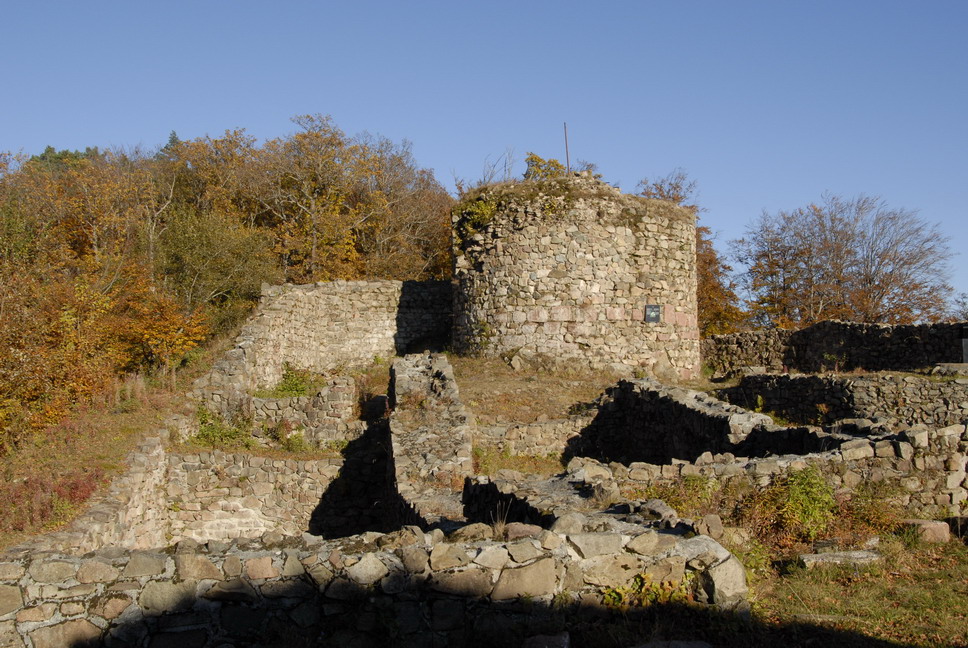
Today, Fort de Roppe remains a well-preserved example of 19th-century bastioned fortress architecture. Its substantial masonry and concrete structures have endured, offering valuable insights into the military engineering of the period. The site is accessible to visitors interested in military history and fortifications, though some areas may be in varying states of preservation.
The fort's historical and architectural significance has led to efforts to maintain and protect the site as part of France's cultural heritage. It stands as a testament to the military innovations of the late 19th century and the strategic importance of Belfort in European defense history.
Visiting Fort de Roppe
Visitors to Fort de Roppe can explore its extensive defensive works, including the bastions, ditches, and underground passages. Interpretive materials and guided tours often provide context about the fort's construction, its role in the Séré de Rivières system, and its place in French military history.
The fort's location near Belfort makes it accessible for day trips, and it is often included in broader tours of the region's fortifications. Visitors are advised to check opening hours and any access restrictions in advance, as some parts of the fort may be closed for safety or conservation reasons.
Frequently asked questions (FAQ)
- When was Fort de Roppe built and why?
- Fort de Roppe was constructed between 1875 and 1877 as part of the Séré de Rivières system to strengthen the defenses of Belfort after the Franco-Prussian War.
- What architectural features characterize Fort de Roppe?
- The fort features angular bastions, thick masonry walls reinforced with concrete, underground galleries, and armored gun turrets, typical of late 19th-century bastioned fortresses.
- Is Fort de Roppe open to visitors?
- Yes, Fort de Roppe is accessible to visitors interested in military history, though some areas may have restricted access for safety or preservation reasons.
- What role did Fort de Roppe play in military history?
- While it did not see major combat, Fort de Roppe was a key part of Belfort's defensive network and served as a military strongpoint through both World Wars.
- Where is Fort de Roppe located?
- Fort de Roppe is located near the city of Belfort in the Grand Est region of northeastern France, close to the German and Swiss borders.
Photo gallery

Information
Current owner
French government
Loading map...
Visitor reviews
No reviews yet. Been here? Write the first review and help other travelers!
Write the first reviewVisited this castle? Share your experience
Your review helps other travelers and adds first-hand knowledge to our encyclopedia.