Fort de Giromagny
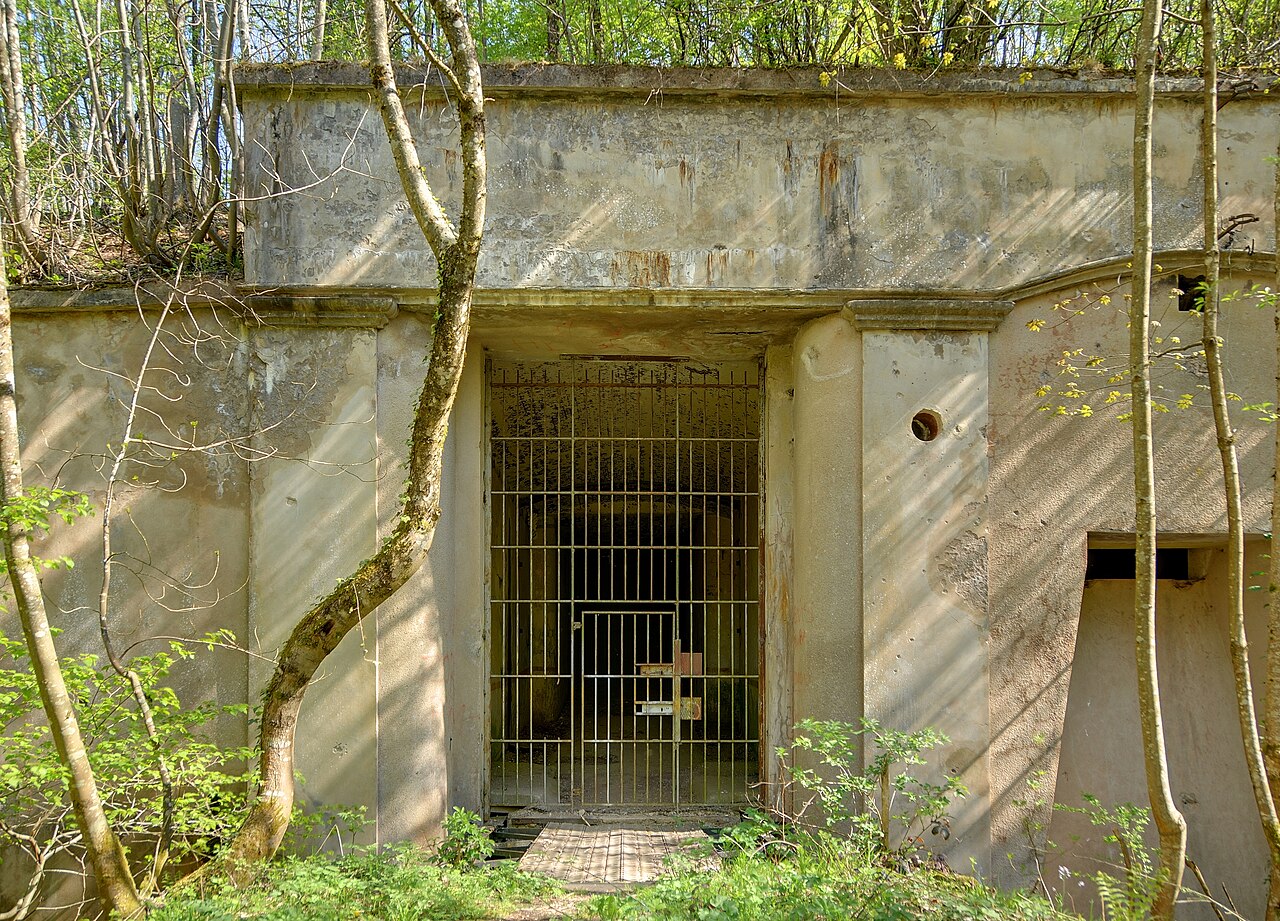
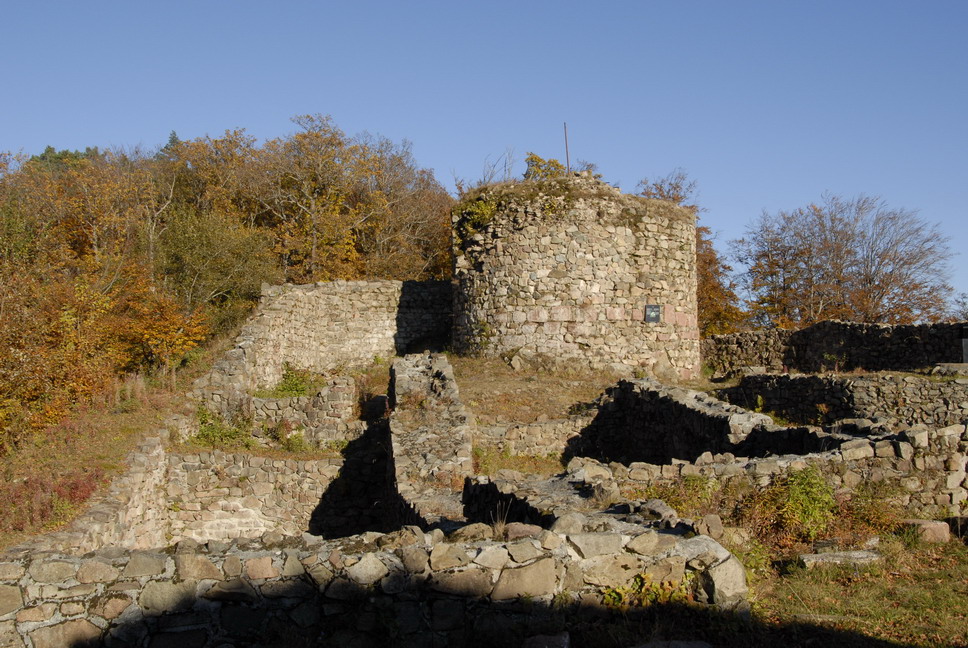
Fort de Giromagny, also known as Fort Dorsner, is a significant 19th-century bastioned fortress located near Belfort in northeastern France. Constructed between 1875 and 1879, the fort was a key component of the Séré de Rivières system, a network of fortifications designed to protect France from future invasions following the Franco-Prussian War of 1870-71. Positioned at the southern end of the defensive curtain of the Haute Moselle Region, it forms a strategic link between the fortified encampments of Épinal and Belfort.
Strategic location and military purpose
The fort overlooks crucial crossroads formed by the main roads to the northeast of Belfort, at the town of Giromagny. This vantage point allowed it to control movement through the region and provide defensive coverage for the fortified region of Belfort to its south. The location was carefully chosen to strengthen the defensive line guarding the eastern frontier of France against potential German aggression.
Architectural design and innovations
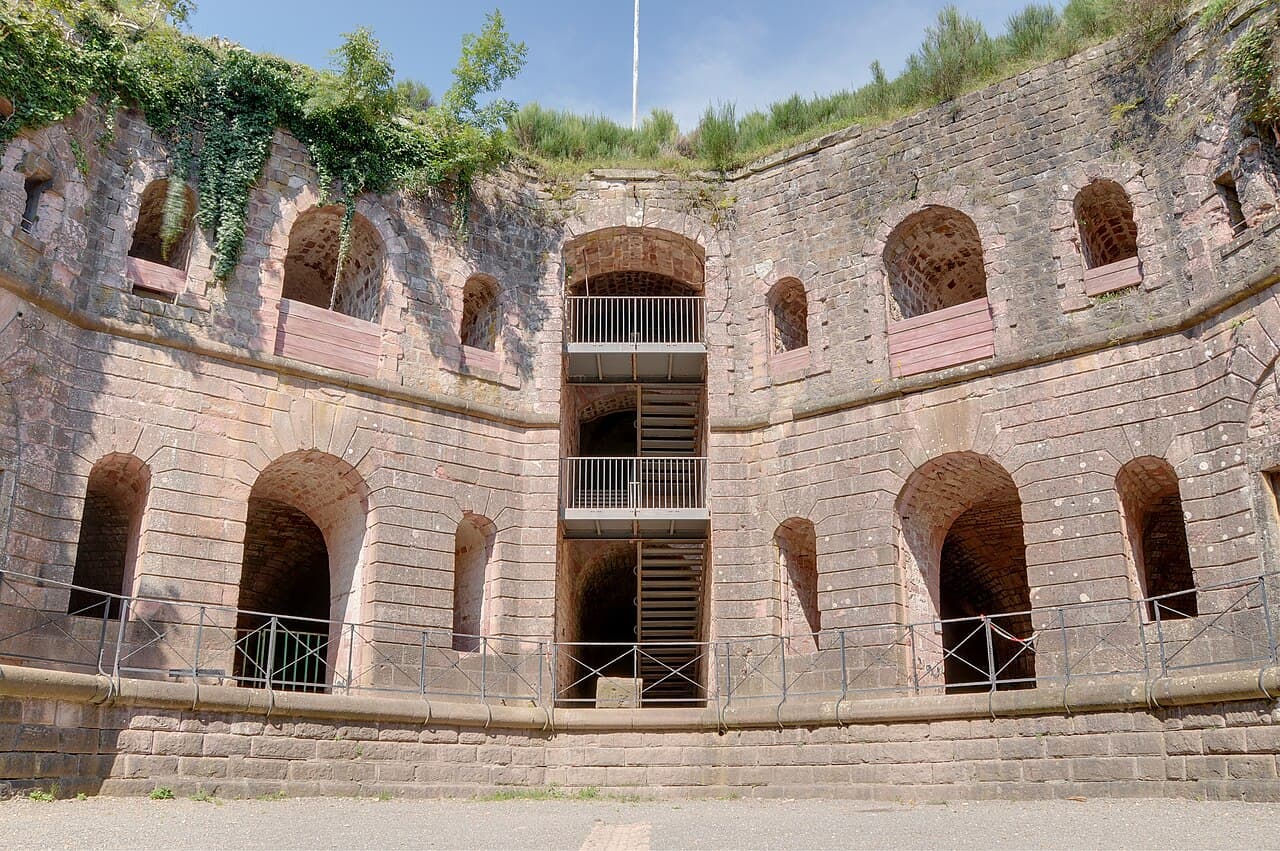
Fort de Giromagny was constructed as a bastioned fortress, a style characterized by angular bastions projecting outward from the main walls, enabling defenders to cover adjacent walls with gunfire and eliminate blind spots. This design was part of the broader Séré de Rivières fortification system, which modernized French defenses with improved artillery placements and reinforced masonry.
One of the fort's most notable features was its pioneering use of rotating armored turrets, marking the first installation of such turrets in a French land fortification. These turrets allowed artillery pieces to have a wide field of fire while being protected from enemy attack, representing a significant advancement in military engineering during the late 19th century.
Historical context and significance
The fort's construction followed the devastating defeat of France in the Franco-Prussian War, which exposed the vulnerabilities of France's eastern defenses. The Séré de Rivières system, named after its chief engineer General Raymond Adolphe Séré de Rivières, was France's response to modernize and strengthen its border fortifications. Fort de Giromagny was among the most heavily armed forts in northeastern France during the late 19th and early 20th centuries, reflecting the heightened military tensions of the period.
The fort's official name, Fort Dorsner, honors General Jean Philippe Raymond Dorsner, a French military leader who served during the French Revolutionary Wars and the Napoleonic Wars. This naming reflects a tradition of commemorating notable military figures in French fortifications.
Structural features and layout
The fort's layout includes multiple bastions arranged to provide overlapping fields of fire, thick masonry walls designed to withstand artillery bombardment, and deep ditches or moats to hinder enemy infantry assaults. The incorporation of armored turrets provided both offensive and defensive capabilities, allowing the fort to engage enemy forces at a distance while protecting its artillery crews.
Additional defensive features included casemates for protected troop accommodation and storage, as well as underground galleries connecting different parts of the fort, enabling safe movement during combat. The fort's design reflected the evolving nature of warfare, emphasizing protection against increasingly powerful artillery.
Role during conflicts and later history
While Fort de Giromagny was built to deter and defend against German invasions, its active military role evolved with changes in warfare technology and strategy. The fort was part of the broader defensive network that shaped military planning in the region through both World Wars. Its robust construction and strategic location ensured it remained a significant military asset well into the 20th century.
Today, Fort de Giromagny stands as a preserved example of post-Franco-Prussian War military architecture and the Séré de Rivières system. It offers insights into the technological and strategic innovations of its time and the historical context of French defensive efforts in the late 19th century.
Frequently asked questions (FAQ)
- What is the historical significance of Fort de Giromagny?
- Fort de Giromagny is an important example of 19th-century military architecture, built during the French defense reforms. It played a crucial role in the regional defense strategy and is a testament to the military history of France. The fort's design reflects the evolving techniques of fortification during that period, making it a significant site for history enthusiasts.
- When was Fort de Giromagny constructed?
- Construction of Fort de Giromagny began in 1875 and was completed in 1883. It was part of a series of fortifications established to protect the region from potential invasions. The fort was strategically built to oversee the surrounding landscape, showcasing the military engineering of its time.
- Can I visit Fort de Giromagny?
- Yes, Fort de Giromagny is open to the public for visits. Guided tours are available, allowing visitors to explore its historical features and learn about its significance. It is advisable to check the official website for any specific visitor guidelines before planning your trip.
- What are the opening hours for Fort de Giromagny?
- Fort de Giromagny typically opens to visitors from Tuesday to Sunday, with specific hours varying by season. During peak tourist months, the fort may extend its hours to accommodate more visitors. Always check the current schedule on their official website before your visit.
- Is it possible to access Fort de Giromagny with public transportation?
- Yes, Fort de Giromagny is accessible by public transportation, with regular bus services running from nearby towns. Visitors can also consider combining their trip with a scenic walk from the nearest bus stop to enjoy the surrounding landscape. For the most convenient experience, plan your route ahead of time.
- What is the ticket price for visiting Fort de Giromagny?
- Ticket prices for Fort de Giromagny are generally affordable, with discounts available for students and seniors. Children under a certain age may enter for free or at a reduced rate. It’s recommended to check the official site for the latest pricing and any special offers.
- What is the best time to visit Fort de Giromagny?
- The best time to visit Fort de Giromagny is during the spring and early autumn months when the weather is mild and pleasant. These seasons also offer fewer crowds, allowing for a more enjoyable experience. Additionally, special events or historical reenactments may take place during this time, enhancing your visit.
- Are there any nearby attractions to visit after Fort de Giromagny?
- Yes, there are several attractions nearby, including beautiful hiking trails and charming villages that showcase the region's natural beauty. Additionally, visitors can explore local museums that delve into the area's history and culture. Combining your trip with these nearby sites can create a more enriching experience.
Photo gallery

Information
Loading map...
Visitor reviews
No reviews yet. Been here? Write the first review and help other travelers!
Write the first reviewVisited this castle? Share your experience
Your review helps other travelers and adds first-hand knowledge to our encyclopedia.