Fort de Romainville
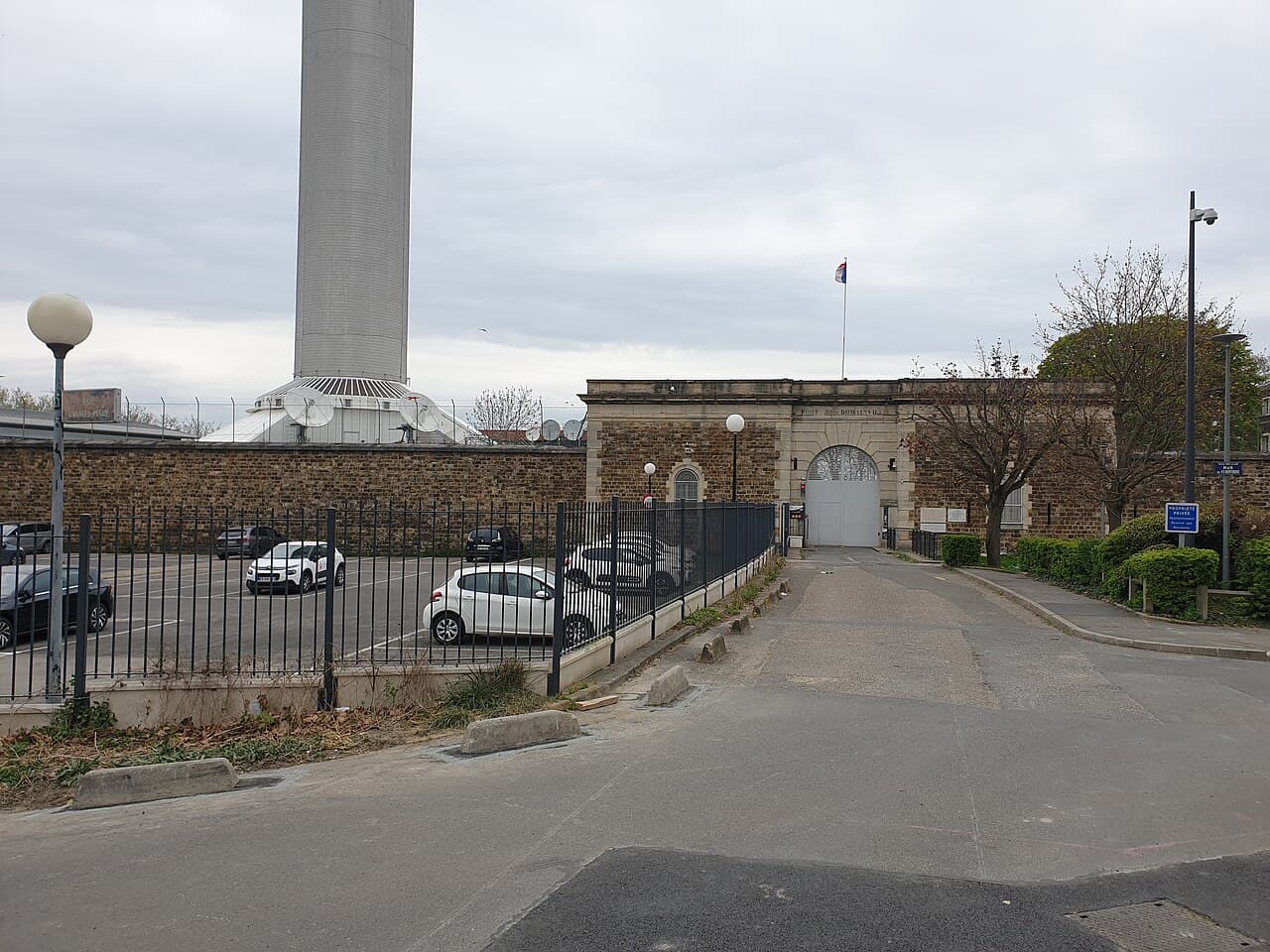
Fort de Romainville is a 19th-century bastioned fortress located near Paris, France. Constructed in the 1830s as part of the extensive fortification system surrounding the French capital, the fort was designed to protect the city from potential invaders during the turbulent post-Napoleonic era. It exemplifies the military architectural principles of the modern period, incorporating thick walls, angular bastions, and strategic defensive features typical of bastioned fortresses.
Architectural design and military function
The fortress was built following the principles of the Vauban-style bastioned fortifications, which emphasize low, thick walls and angular bastions to maximize defensive fire coverage and minimize blind spots. The bastions allowed defenders to cover the curtain walls with overlapping fields of fire, creating a formidable obstacle for any attacking force. Fort de Romainville's design includes multiple layers of defense, such as a dry moat, thick ramparts, and reinforced gates, which were standard features for military fortifications of the 19th century.
The fort's layout was carefully planned to accommodate artillery placements, troop barracks, ammunition stores, and command posts. Its strategic location near Paris made it a critical component of the city's defensive ring, serving both as a deterrent and a stronghold in case of siege or invasion.
Historical significance and world war ii usage
While originally constructed for military defense, Fort de Romainville gained a grim reputation during World War II. After the German occupation of France, the fort was repurposed by the Nazis as a concentration camp and prison. It was used primarily to detain members of the French Resistance, political prisoners, and other detainees considered threats by the occupying forces.
The conditions within the fort during this period were harsh and brutal. Many prisoners were subjected to interrogation, torture, and deportation to other concentration camps. The fort's role in this dark chapter of history marks it as a significant site of memory and reflection on the atrocities committed during the war.
Post-war status and preservation
Following the liberation of France, Fort de Romainville ceased its function as a military installation and prison. Today, the fort stands as a historical monument and a reminder of both its military origins and its wartime use. Preservation efforts have focused on maintaining the structural integrity of the bastioned fortress while commemorating the victims held there during World War II.
Visitors to the site can explore the remnants of the fortifications and learn about its dual legacy through exhibitions and memorials dedicated to the prisoners and resistance fighters associated with Fort de Romainville.
Location and accessibility
Fort de Romainville is situated in the eastern suburbs of Paris, within the Île-de-France region. Its proximity to the capital makes it accessible for visitors interested in military history and World War II heritage sites. The fort's location within an urban setting contrasts with its original purpose as a defensive stronghold on the outskirts of the city.
Access to the site may be subject to specific visiting hours and guided tours, which provide detailed insights into the fort's architecture and historical context.
Frequently asked questions (FAQ)
- What is the historical significance of Fort de Romainville?
- Fort de Romainville was built in the 1830s as a bastioned fortress to defend Paris and later used by the Nazis as a concentration camp during World War II.
- Can I visit Fort de Romainville today?
- Yes, Fort de Romainville is partially preserved and open to visitors, often featuring exhibitions about its military and wartime history.
- Where is Fort de Romainville located?
- The fort is located in Romainville, a suburb in the Île-de-France region near Paris, France.
- What architectural style characterizes Fort de Romainville?
- Fort de Romainville is designed in the bastioned fortress style typical of 19th-century military architecture, emphasizing defensive bastions and thick walls.
- Why was Fort de Romainville used as a concentration camp during World War II?
- During the German occupation of France, the Nazis repurposed Fort de Romainville to detain members of the French Resistance and political prisoners due to its secure fortifications.

Information
Current owner
Municipality
Loading map...
Visitor reviews
No reviews yet. Been here? Write the first review and help other travelers!
Write the first reviewVisited this castle? Share your experience
Your review helps other travelers and adds first-hand knowledge to our encyclopedia.