Fort de Chaudfontaine
Fort de Chaudfontaine is one of the twelve forts constructed in the late 19th century as part of the Fortified Position of Liège in Belgium. This network of forts was integral to the country's National Redoubt, designed to protect the strategic city of Liège from potential invasions. Built between 1881 and 1884, the fort was designed by General Henri Alexis Brialmont, a prominent military engineer known for his innovative fortification concepts during the Modern period.
Innovative construction and design features
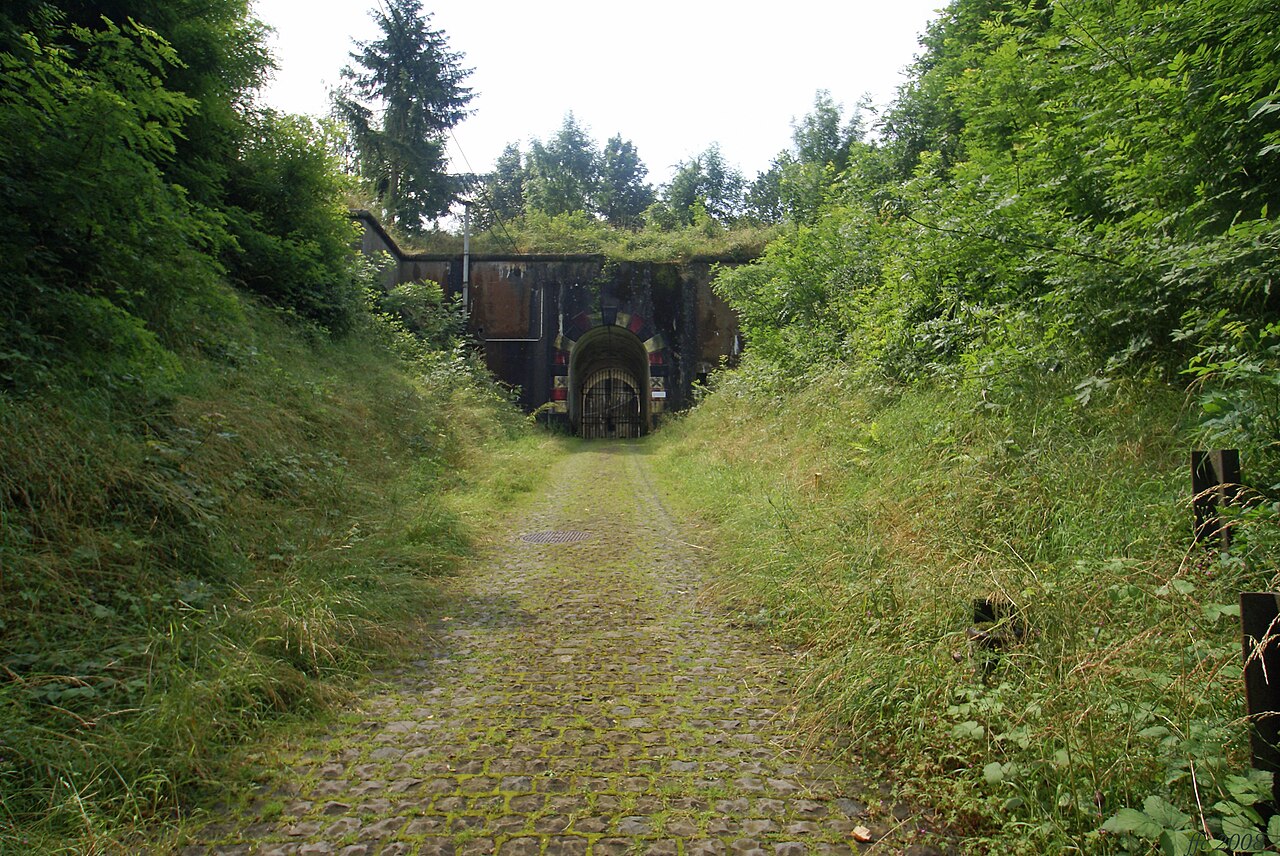
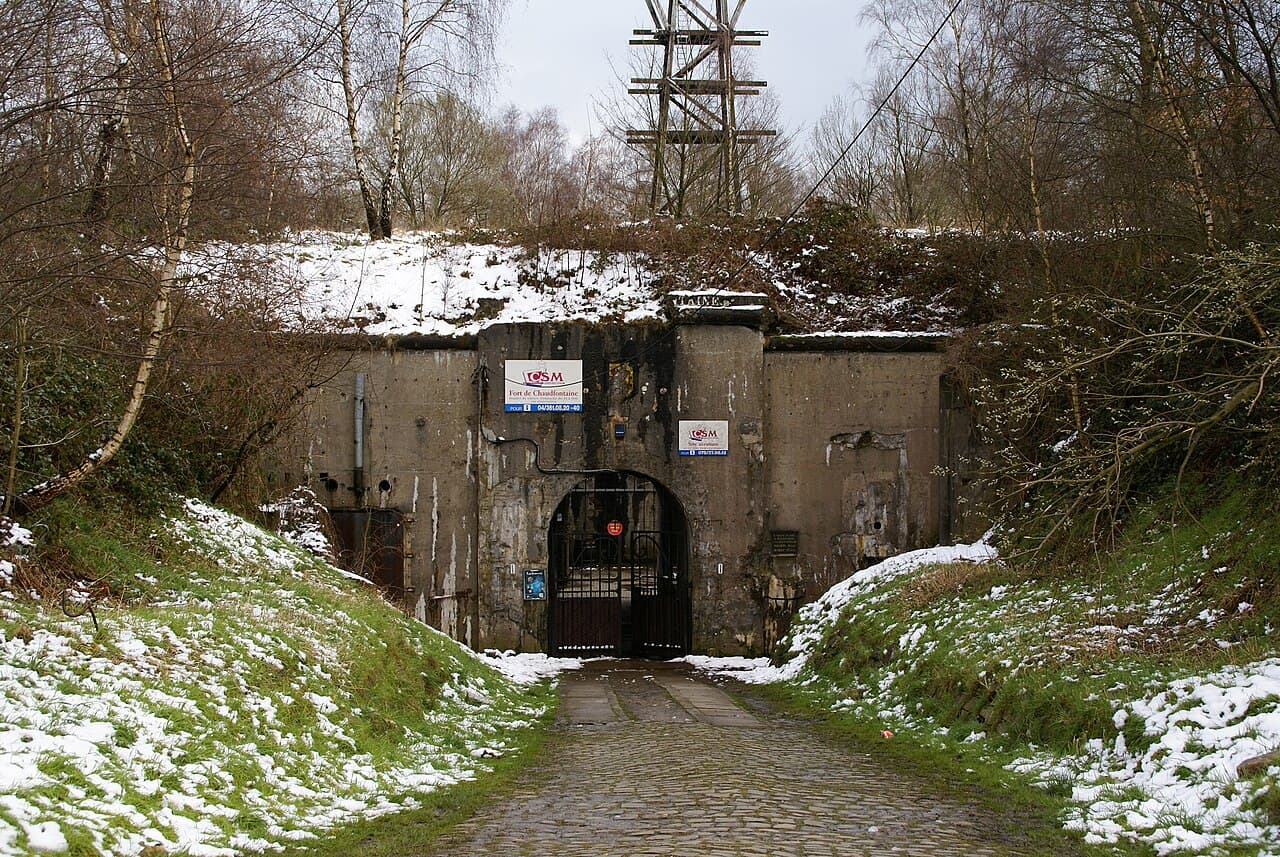
Unlike many contemporary French forts of the same era, which were constructed primarily with masonry, Fort de Chaudfontaine was built exclusively with unreinforced concrete. This use of concrete was pioneering at the time, marking a significant shift in military architecture. The fort's design follows the bastioned fortress model, featuring angular bastions that provided overlapping fields of fire and enhanced defensive capabilities. The fort's layout includes thick concrete walls, deep ditches, and strategically placed artillery positions designed to withstand heavy bombardment.
Strategic importance and military history
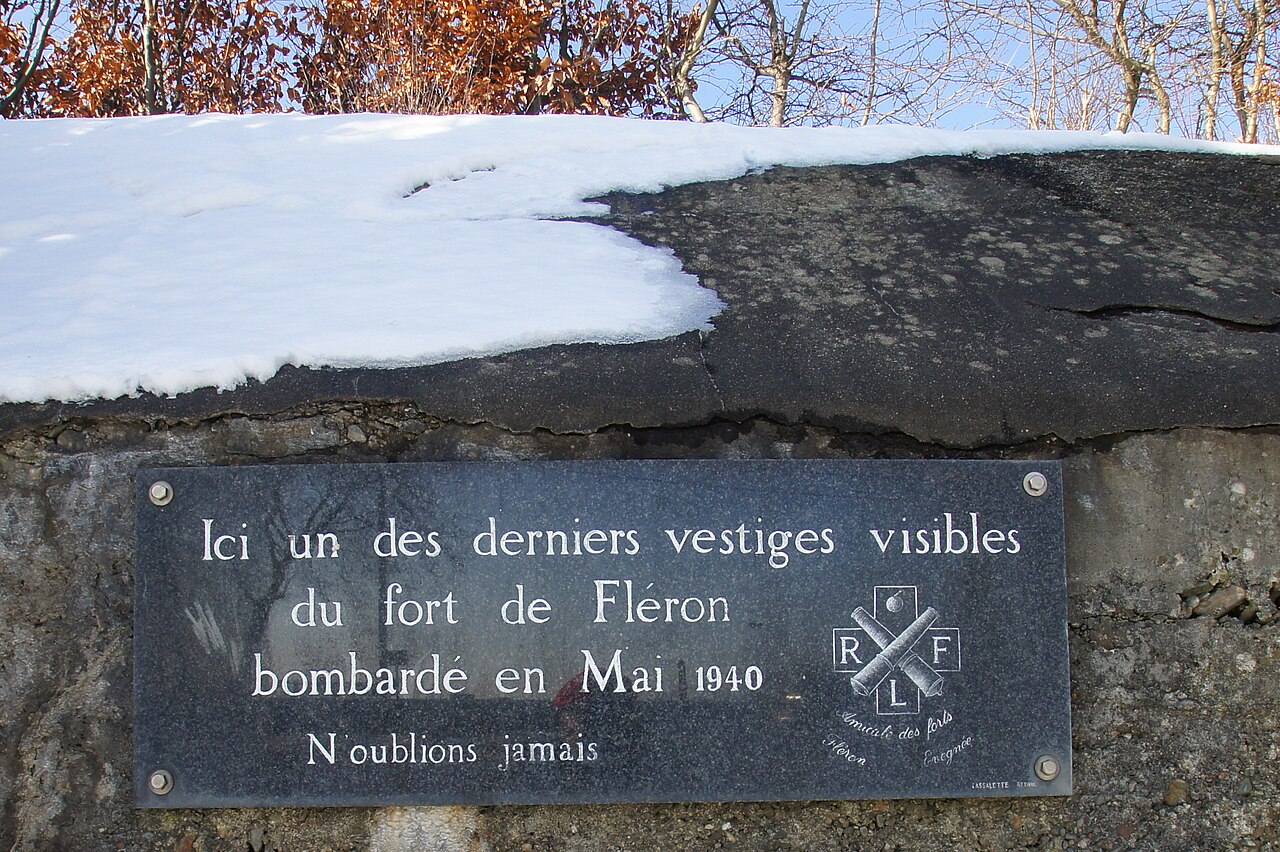
As part of the Fortified Position of Liège, the fort played a crucial role in Belgium's defense strategy during the late 19th and early 20th centuries. During the Battle of Liège in August 1914, the fort endured intense bombardment from German artillery. Despite its robust construction, the fort was eventually overcome, but its resistance delayed the German advance, providing valuable time for Belgian and Allied forces. The battle highlighted both the strengths and limitations of Brialmont's fort designs under modern artillery fire.
Architectural elements and layout
The fort's structure includes a central massif housing the main armaments and living quarters, surrounded by a deep moat and defensive ditches. The bastions are equipped with turrets and casemates for artillery, enabling crossfire coverage of the surrounding terrain. The use of concrete allowed for thicker walls and more resilient defensive positions compared to traditional masonry forts. The design also incorporated ventilation systems and protected communication routes within the fort to maintain operational effectiveness during sieges.
Post-military use and current status
Today, Fort de Chaudfontaine no longer serves a military function. The site has been repurposed as an adventure park, offering recreational activities that attract visitors to the historic location. While the fort's original defensive purpose has faded, its architectural significance and role in Belgium's military history remain important. The preservation of the fort allows for public engagement with this example of 19th-century bastioned fortress design and the evolution of military fortifications.
Legacy of general henri alexis brialmont
General Henri Alexis Brialmont was a key figure in the development of modern fortifications in Belgium and beyond. His work on the forts around Liège, including Fort de Chaudfontaine, introduced new construction techniques and defensive concepts that influenced military architecture. Brialmont's emphasis on concrete construction and strategic placement of artillery made these forts notable examples of Modern period military engineering.
Frequently asked questions (FAQ)
- What is the historical significance of Fort de Chaudfontaine?
- Fort de Chaudfontaine was part of the Fortified Position of Liège and played a key role in delaying the German advance during the Battle of Liège in 1914.
- Can I visit Fort de Chaudfontaine today?
- Yes, the fort is currently used as an adventure park and is open to visitors who want to explore its historic structures and enjoy recreational activities.
- When was Fort de Chaudfontaine built and who designed it?
- The fort was built between 1881 and 1884 and was designed by General Henri Alexis Brialmont, a notable military engineer of the Modern period.
- What materials were used in the construction of Fort de Chaudfontaine?
- Unlike many forts of its time, Fort de Chaudfontaine was constructed exclusively with unreinforced concrete, which was innovative for the late 19th century.
- What architectural features characterize Fort de Chaudfontaine?
- The fort features bastioned walls, thick concrete defenses, artillery turrets, casemates, deep moats, and internal communication routes designed for defense and resilience.
Photo gallery

Information
Current owner
Adventure park management
Loading map...
Visitor reviews
No reviews yet. Been here? Write the first review and help other travelers!
Write the first reviewVisited this castle? Share your experience
Your review helps other travelers and adds first-hand knowledge to our encyclopedia.