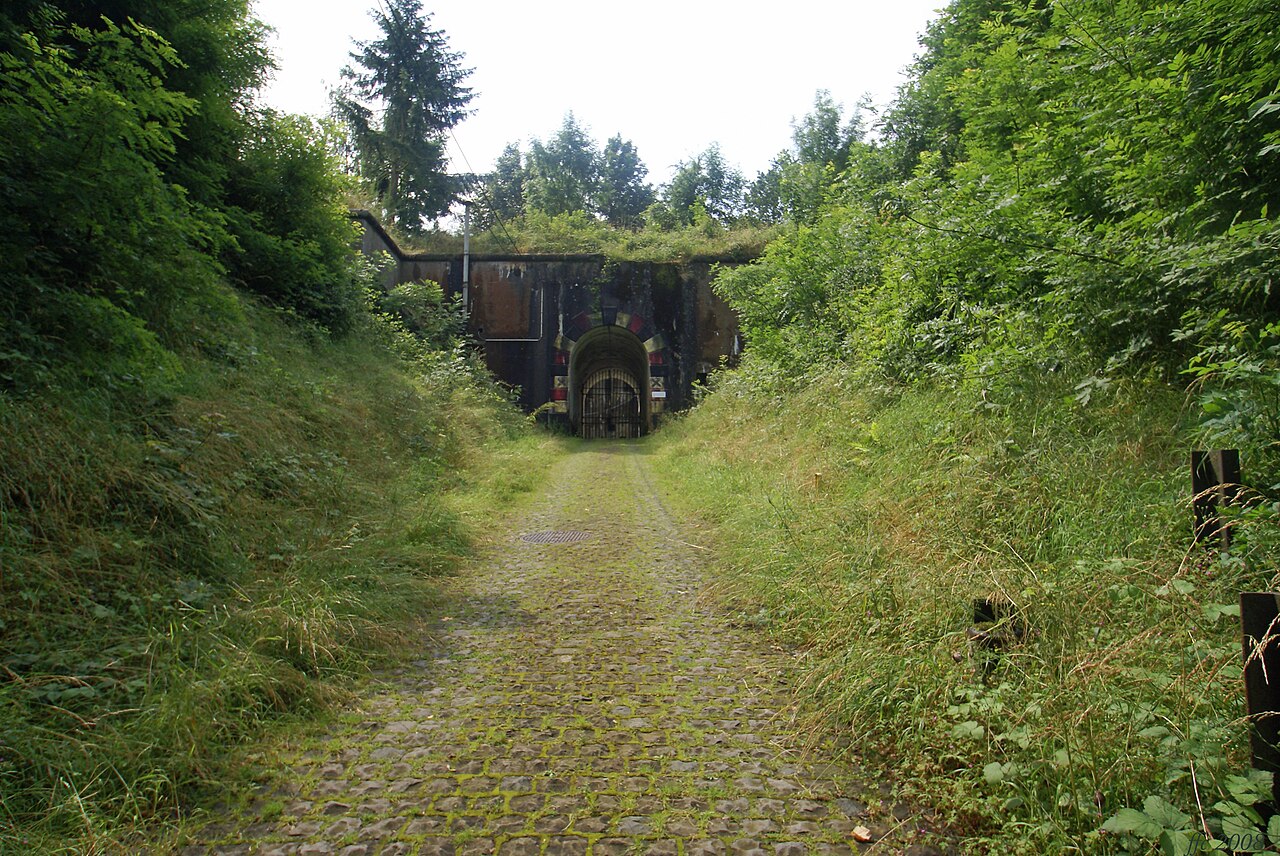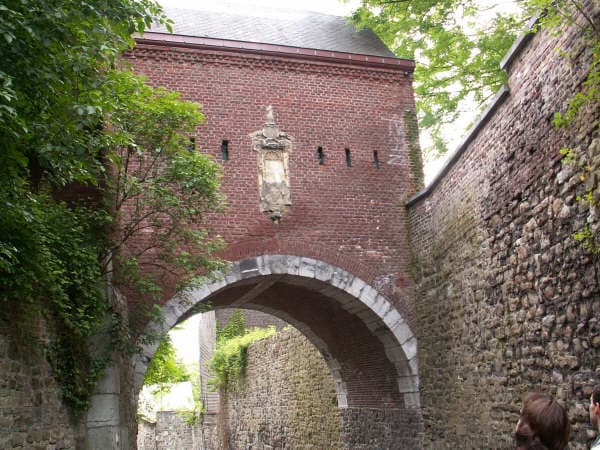
Fort de la Chartreuse — Belgium castle

Fort de la Chartreuse

Fort de la Chartreuse, Liège: 19th-century bastioned fortress in Belgium
Liège, Belgium
Modern (19th–20th c.)
Partially Preserved

The Fort de la Chartreuse is a significant 19th-century bastioned fortress located in the Amercœur neighborhood of Liège, Belgium. Constructed between 1817 and 1823, it was designed as part of a strategic defensive system to protect the city of Liège, a key industrial and commercial center in the region.

Historical context and strategic importance

The fort was built during the Modern period following the Napoleonic Wars, a time when military engineering was evolving rapidly to respond to advances in artillery and siege tactics. Liège's position along the Meuse River made it a vital point for controlling access to the interior of Belgium and neighboring territories. The Fort de la Chartreuse was part of a network of fortifications intended to strengthen the city's defenses against potential invasions.

Architectural design and features

Designed as a bastioned fortress, Fort de la Chartreuse exemplifies the principles of star fort design, which were popular in the 17th to 19th centuries for their effectiveness against cannon fire. The fortress features angled bastions that allowed defenders to cover all approaches with overlapping fields of fire, minimizing blind spots. Its walls were constructed with thick masonry to absorb artillery impacts.

The layout includes ramparts, moats, and defensive ditches that enhanced its resilience. The fort's position on elevated terrain in the Amercœur area provided a commanding view over the city and surrounding landscape, enabling early detection of enemy movements.

Construction and materials

Construction of the fort utilized local stone and brick materials, typical of military architecture of the period. The masonry work was robust, designed to withstand prolonged bombardment. The internal structures included barracks, ammunition magazines, and storage rooms, arranged to support a garrison capable of sustained defense.

Role in military history

While the fort was built for defense, it saw limited direct combat action. Its presence, however, contributed to the deterrence of attacks on Liège during periods of conflict in the 19th and early 20th centuries. The fort's strategic value declined with the advent of more advanced artillery and changes in military tactics in the 20th century.

Current condition and preservation

Today, Fort de la Chartreuse remains partially preserved. Its walls and bastions are still visible, although some areas have suffered from neglect and natural decay. Efforts to preserve the site highlight its importance as a cultural and historical landmark in Liège. The fort is accessible to visitors interested in military history and fortification architecture.

Visiting Fort de la Chartreuse

Visitors to the fort can explore its ramparts and gain insight into early 19th-century military engineering. The elevated location offers panoramic views of Liège and the Meuse River valley. Informational signage and guided tours provide context about the fort's construction, purpose, and historical significance.

Nearby attractions

The fort's proximity to Liège city center allows visitors to combine their visit with exploring other historical sites, museums, and cultural venues in the city.

Frequently asked questions (FAQ)

How do I get to Fort de la Chartreuse?
Fort de la Chartreuse is located in Liège, Belgium, easily accessible by public transport. You can take a train or bus to Liège and then use local trams or taxis to reach the fort. For those driving, there are parking facilities nearby.
What is the historical significance of Fort de la Chartreuse?
Fort de la Chartreuse was built in the 19th century as part of the defensive fortifications of Liège. It played a crucial role during various military conflicts, showcasing the strategic military architecture of its time. Today, it serves as a reminder of Liège's rich historical heritage.
When was Fort de la Chartreuse constructed?
Construction of Fort de la Chartreuse began in 1817 and was completed in 1823. It was designed as a part of a series of fortifications to protect the city from potential invasions. The fort's construction reflects the military architecture trends of the early 19th century.
Can I visit Fort de la Chartreuse?
Yes, Fort de la Chartreuse is open to visitors, offering guided tours that delve into its history and architecture. It is advisable to check the official website for any specific visiting requirements or restrictions before planning your visit. Guided tours are a fantastic way to learn more about the fort's significance.
Why is Fort de la Chartreuse a popular tourist attraction?
Fort de la Chartreuse is popular due to its unique historical significance and impressive architecture. Visitors enjoy exploring the fort's extensive grounds and learning about its role in Belgian military history. The panoramic views of Liège from the fort also add to its appeal.
Is it possible to access the fort with limited mobility?
Yes, the site has made efforts to accommodate visitors with limited mobility. While some areas may be challenging due to the natural terrain, there are accessible routes and facilities available. It's recommended to contact the visitor center in advance to ensure a smooth experience.
What are the opening hours for Fort de la Chartreuse?
Fort de la Chartreuse typically opens from 10 AM to 6 PM, with extended hours during peak tourist season. However, it's best to verify the current hours on their official website, as they may vary by season or for special events. Planning ahead will ensure you have ample time to explore.
What are the ticket prices for visiting Fort de la Chartreuse?
Ticket prices for Fort de la Chartreuse are generally affordable, with discounts available for students and seniors. Children under a certain age may enter for free. Check the official website for the latest pricing information and any special promotions or group rates.
What nearby attractions can I visit while at Fort de la Chartreuse?
While visiting Fort de la Chartreuse, you can also explore other attractions in Liège, such as the Liège-Guillemins train station and the Montagne de Bueren. The city is rich in culture, with several museums and parks within walking distance. It's an excellent opportunity to make a day of your visit.

Photo gallery

Fort de la Chartreuse
Click to view

Photo by Maxime Metzmacher•CC BY 3.0

1 photo • Click any image to view in full screen

Information

Bastioned Fortress

Loading map...

Visitor reviews

No reviews yet. Been here? Write the first review and help other travelers!

Write the first review

Visited this castle? Share your experience

Your review helps other travelers and adds first-hand knowledge to our encyclopedia.
Write a review

(5/5)

0/2000 characters

Your review will be visible after admin approval

Nearby castles

5.5 km
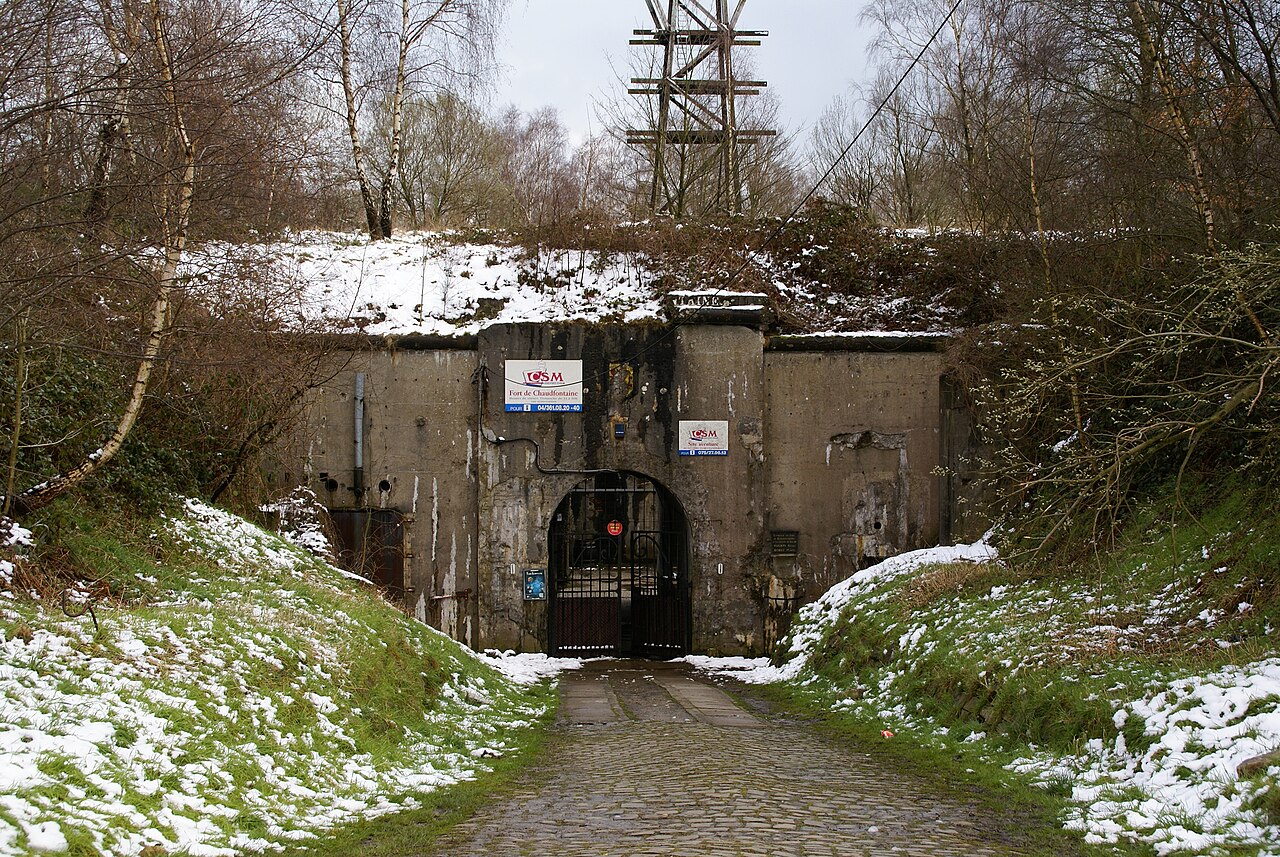
Fort de Chaudfontaine — Belgium castle

Fort de Chaudfontaine

Chaudfontaine, Belgium

Fort de Chaudfontaine is one of the twelve forts constructed in the late 19th century as part of the Fortified Position of Liège in Belgium. This network of forts was integral to the country's National Redoubt, designed to protect the strategic city of Liège from potential invasions. Built between 1881 and 1884, the fort was designed by General Henri Alexis Brialmont, a prominent military engineer known for his innovative fortification concepts during the Modern period. Innovative construction and design features Unlike many contemporary French forts of the same era, which were constructed primarily with masonry, Fort de Chaudfontaine was built exclusively with unreinforced concrete. This use of concrete was pioneering at the time, marking a significant shift in military architecture. The fort's design follows the bastioned fortress model, featuring angular bastions that provided overlapping fields of fire and enhanced defensive capabilities. The fort's layout includes thick concrete walls, deep ditches, and strategically placed artillery positions designed to withstand heavy bombardment. Strategic importance and military history As part of the Fortified Position of Liège, the fort played a crucial role in Belgium's defense strategy during the late 19th and early 20th centuries. During the Battle of Liège in August 1914, the fort endured intense bombardment from German artillery. Despite its robust construction, the fort was eventually overcome, but its resistance delayed the German advance, providing valuable time for Belgian and Allied forces. The battle highlighted both the strengths and limitations of Brialmont's fort designs under modern artillery fire. Architectural elements and layout The fort's structure includes a central massif housing the main armaments and living quarters, surrounded by a deep moat and defensive ditches. The bastions are equipped with turrets and casemates for artillery, enabling crossfire coverage of the surrounding terrain. The use of concrete allowed for thicker walls and more resilient defensive positions compared to traditional masonry forts. The design also incorporated ventilation systems and protected communication routes within the fort to maintain operational effectiveness during sieges. Post-military use and current status Today, Fort de Chaudfontaine no longer serves a military function. The site has been repurposed as an adventure park, offering recreational activities that attract visitors to the historic location. While the fort's original defensive purpose has faded, its architectural significance and role in Belgium's military history remain important. The preservation of the fort allows for public engagement with this example of 19th-century bastioned fortress design and the evolution of military fortifications. Legacy of general henri alexis brialmont General Henri Alexis Brialmont was a key figure in the development of modern fortifications in Belgium and beyond. His work on the forts around Liège, including Fort de Chaudfontaine, introduced new construction techniques and defensive concepts that influenced military architecture. Brialmont's emphasis on concrete construction and strategic placement of artillery made these forts notable examples of Modern period military engineering.

Modern (19th–20th c.)
Details
5.8 km
Fort d'Embourg — Belgium castle

Fort d'Embourg

Liège, Belgium

Fort d'Embourg is a significant bastioned fortress constructed in the late 19th century as part of the Fortified Position of Liège, a defensive ring of twelve forts surrounding the city of Liège, Belgium. Designed by the renowned military engineer General Henri Alexis Brialmont, the fort was built between 1881 and 1884 to strengthen Belgium's National Redoubt, a strategic defense system intended to protect the country from invasion. Innovative construction and architectural design Unlike contemporary French forts designed by Raymond Adolphe Séré de Rivières that primarily used masonry, Fort d'Embourg was pioneering in its exclusive use of unreinforced concrete. This material was novel at the time and represented a significant advancement in military architecture, offering improved resistance to artillery bombardment. The fort's layout follows the bastioned fortress model, featuring angular defensive walls designed to cover all approaches with overlapping fields of fire. Structural features and defenses The fort includes a central massif housing the main armaments, surrounded by a ditch and protected by caponiers—fortified structures projecting into the ditch to provide flanking fire. Its defensive perimeter is reinforced with battlements and gun emplacements designed for both artillery and infantry defense. The use of concrete allowed for thicker, more resilient walls and roofs compared to traditional masonry forts. Historical significance and military engagements Fort d'Embourg played a critical role during the Battle of Liège in World War I, where it endured intense bombardment by German artillery. The fort's robust construction delayed German advances, contributing to the overall resistance of the Liège fortifications. Despite heavy damage, it remained a symbol of Belgian resilience. During the opening of World War II, the fort again faced German attacks, reaffirming its strategic importance even as military technology evolved. The fort's ability to withstand repeated assaults highlights the effectiveness of Brialmont's design and the pioneering use of concrete in fortifications. Preservation and current status Today, Fort d'Embourg is well preserved and serves as a museum open to the public. It offers visitors insight into late 19th and early 20th-century military engineering and the history of Belgium's national defenses. Exhibits include the fort's original artillery, defensive structures, and interpretive materials explaining its role in both World Wars. The site is an important cultural and historical landmark, providing educational opportunities and commemorating Belgium's military heritage. Visiting Fort d'Embourg The museum welcomes visitors interested in military history, architecture, and the evolution of fortifications. Guided tours often cover the fort's construction techniques, armaments, and the experiences of soldiers stationed there. The surrounding landscape also offers context for the fort's strategic placement within the Liège defensive network. Visitors are advised to check opening hours and ticket prices in advance, as these can vary seasonally. The fort is accessible to those with a keen interest in historical military sites and is a notable destination for heritage tourism in Belgium.

Modern (19th–20th c.)
Details
6.7 km

Saive Castle

Saive, Belgium

Saive Castle, also known locally as the Vieux Château or Old Castle, is a medieval fortress situated in the village of Saive, just east of the city of Liège in the province of Liège, within the Wallonia region of Belgium. This castle occupies a commanding position on a steep, rocky hill overlooking the valley of the Julienne river and the surrounding roads, a strategic location that highlights its historical military importance. Architectural features and defensive design The core of Saive Castle is its imposing square keep, which measures approximately 10 by 10 meters and rises to a height of about 20 meters. The keep's walls are notably thick, with a base thickness of two meters, reflecting the defensive design typical of the High Medieval period. The keep was likely constructed in the 12th century, predating the rest of the castle, which dates primarily from the 13th century. This central tower was protected by a double defensive wall equipped with towers and surrounded by a moat, all designed to safeguard the stronghold against invaders. Strategic location and fortifications Built on a rocky elevation, Saive Castle's position allowed control over the Julienne river valley and key access routes, making it a vital military and administrative center during its time. The combination of natural terrain and man-made defenses exemplifies medieval military architecture aimed at maximizing protection and surveillance. Historical context and ownership The castle's history is closely tied to the Principality of Liège, a significant ecclesiastical state in the region during the Middle Ages. The earliest known lord of Saive Castle was Jean de Jupille. In the 14th century, ownership passed to the Charneux family, who maintained control until a series of subsequent transfers led to the castle being acquired by the de Ryckel family in 1458. Conflict and civil war impact During the late 15th century, Saive Castle became embroiled in the violent civil strife that afflicted the region. Its lord at the time, Jean de Ryckel, allied himself with William de La Marck, infamously known as the "Wild Boar of the Ardennes" for his brutal military campaigns. William's brother, Erard III de la Marck, repeatedly occupied the castle with his forces until William's eventual capture and execution. Following these events, the Prince-bishop Jean de Homes ordered the partial demolition of Saive Castle to reduce its military threat. Later history and decline Throughout the 16th and 17th centuries, the title of Lord of Saive was contested by various noble families, leading to further damage and necessitating partial reconstruction of the castle in the early 17th century. In 1692, the seigniory was sold to the Méan family, who constructed a new mansion nearby and largely neglected the old castle. Efforts to lease the castle were unsuccessful, leading to its gradual abandonment and decline. Ruination and present condition By the early 20th century, the roof of the keep had collapsed, accelerating the ruinous state of the structure. Today, Saive Castle remains a ruin, with the keep standing as a prominent reminder of its medieval past. The ruins are located within the garden of the current owners, who reside in the farm buildings on the castle's former bailey. As private property, public access to the site is prohibited, but the keep can be viewed from the village, offering a glimpse into the castle's historic architecture. Architectural significance and heritage value Saive Castle exemplifies the characteristics of a High Medieval hill castle with its robust keep and defensive walls. Its construction and subsequent modifications reflect the turbulent history of the Liège region during the Middle Ages, including feudal conflicts and civil wars. The castle's strategic location and surviving architectural elements provide valuable insight into medieval military engineering and noble residence design. Although in ruins, Saive Castle remains an important cultural landmark within the Wallonia region, symbolizing the medieval heritage of Belgium and the historical dynamics of the Principality of Liège. Its enduring presence on the rocky hill continues to attract interest from historians and castle enthusiasts alike.

High Medieval (11th–13th c.)
Details