Fort de Battice
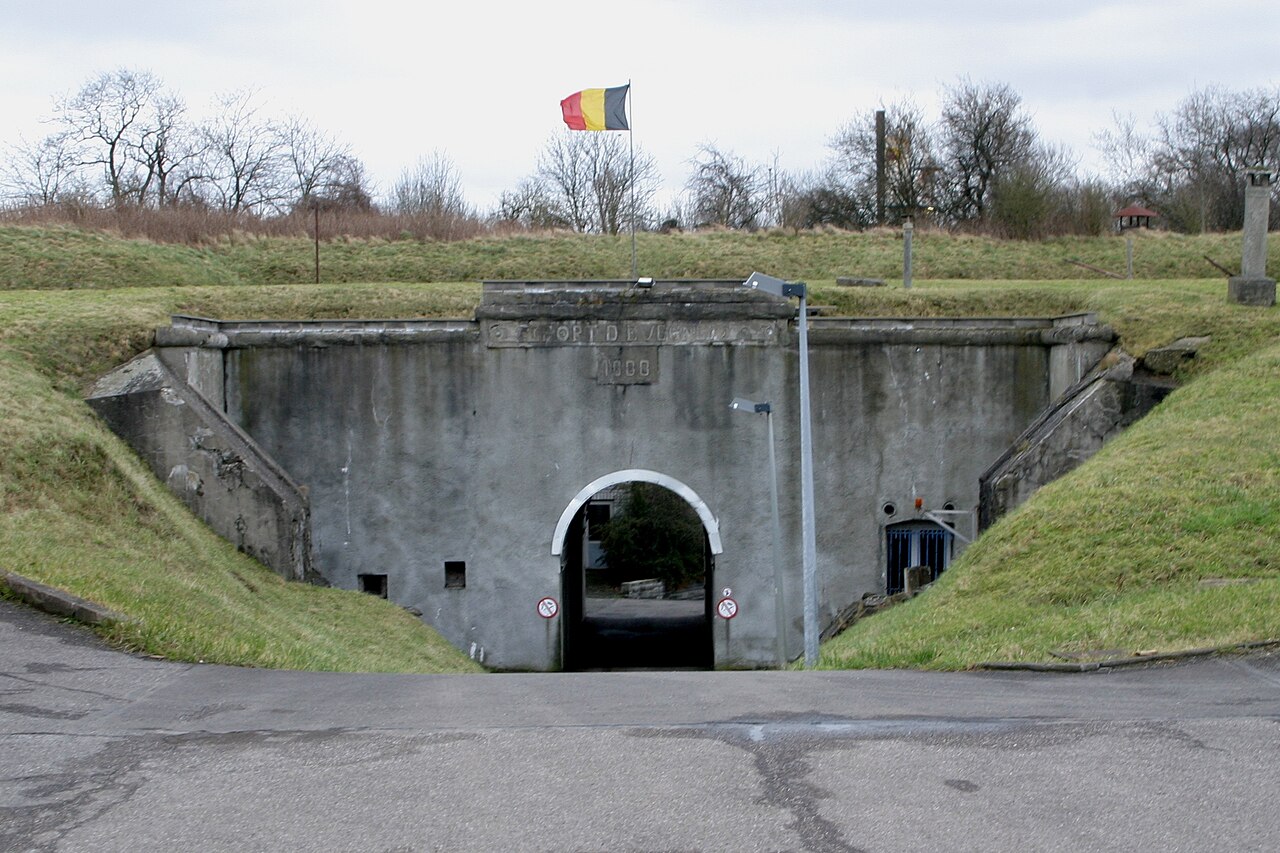
Fort de Battice is a significant Bastioned fortress located just east of the town of Battice in Belgium. Constructed in the 1930s as part of the fortified position of Liège, it was designed to strengthen Belgium's defenses against potential German aggression. This fortification complemented the original twelve forts built in the 1880s by adding four newer forts closer to the Belgian-German frontier, reflecting advances in military architecture and strategy during the interwar period.
Strategic role and historical context
The fort was built amid growing tensions in Europe following World War I, during a time when Belgium sought to modernize its defensive network. Starting construction in April 1934, Fort de Battice was intended to serve as a key stronghold in the defense of eastern Belgium. Its proximity to Germany made it a frontline defense point in the event of an invasion.
Work on the fort continued until 1940, with some finishing touches still being applied as World War II erupted. Despite the rapid fall of other fortifications, Fort de Battice demonstrated remarkable resilience during the German invasion in May 1940. While the nearby and more famous Fort Eben-Emael fell swiftly due to a surprise airborne assault, Battice held out for 12 days, surrendering only on 22 May 1940. The overall Belgian forces capitulated on 28 May 1940.
Architectural features and design
Fort de Battice is one of Belgium's largest forts, nearly matching the scale of Fort Eben-Emael. Its design follows the bastioned fortress model, characterized by angular bastions projecting outward to provide overlapping fields of fire and reduce blind spots. This design was adapted to incorporate modern artillery and anti-tank defenses relevant to the 20th century.
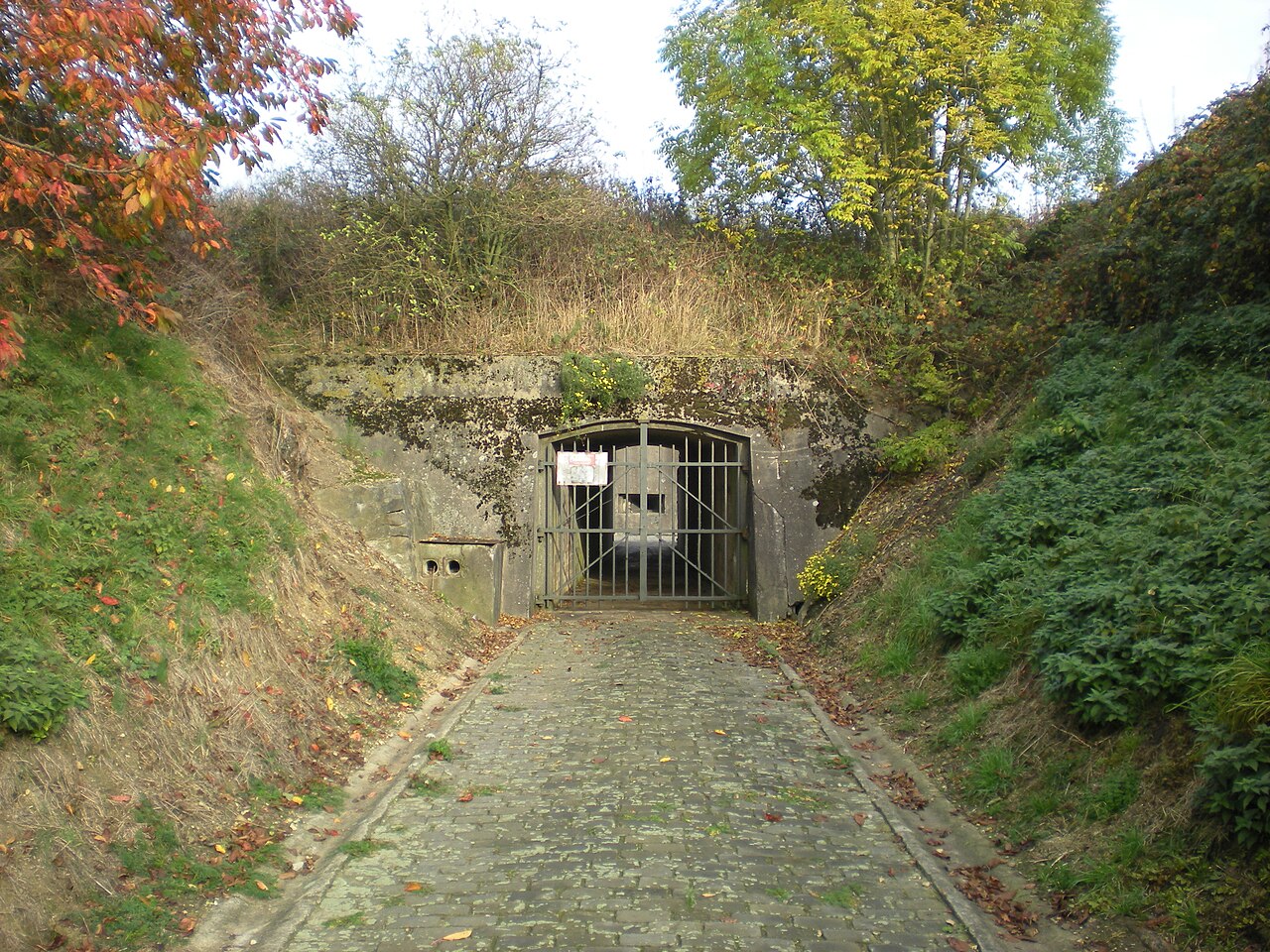
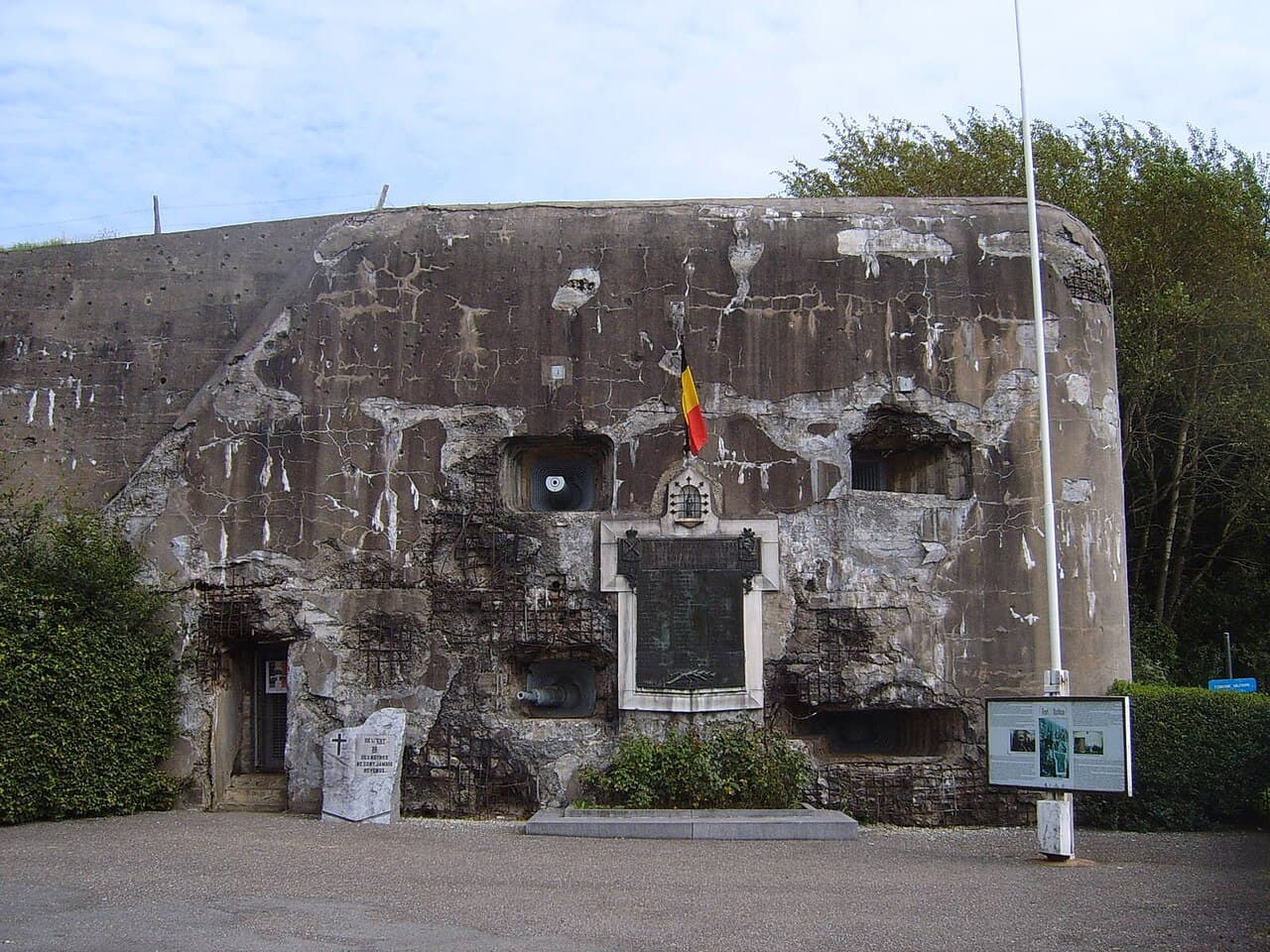
The fort includes extensive underground galleries, reinforced concrete structures, and multiple defensive positions. The layout was carefully planned to optimize defense against artillery bombardment and infantry assault. Defensive works included heavy gun turrets, machine gun emplacements, observation posts, and protected entrances.
Unlike earlier 19th-century forts that relied heavily on masonry, Fort de Battice was constructed primarily using reinforced concrete to withstand the more powerful explosives and artillery shells of the era. The fort also featured underground living quarters, ammunition storage, and command centers designed to sustain prolonged defense under siege conditions.
Military engagements and legacy
During the Battle of Belgium in May 1940, Fort de Battice played a crucial role in delaying the German advance. Its defenders managed to resist despite heavy bombardment and isolation from other Belgian forces. The fort's endurance contrasted sharply with the rapid fall of other forts in the fortified position of Liège, highlighting its robust construction and tactical importance.
After the surrender of Belgian forces, Fort de Battice was occupied by German troops. Post-war, the fort was preserved rather than demolished or abandoned, recognizing its historical and military significance.
Current status and visitor information
Today, Fort de Battice is well preserved and accessible to the public. It serves as a museum and historical site, offering visitors insight into Belgium's military history and fortification architecture of the early 20th century. The site includes guided tours that explain the fort's construction, armaments, and role during World War II.
Visitors can explore the underground passages, defensive structures, and exhibits detailing the fort's operational history. The preservation of Fort de Battice allows for a tangible connection to the strategic military efforts Belgium undertook between the world wars and during the German invasion.
Architectural significance in the 20th century
Fort de Battice exemplifies the evolution of fortress design from 19th-century masonry forts to modern reinforced concrete bastioned fortresses. Its construction incorporates lessons learned from World War I, emphasizing protection against aerial and artillery attacks. The fort's scale and complexity reflect Belgium's strategic priorities in the interwar period and its attempt to deter or delay mechanized invasion forces.
The fort's design and preservation provide valuable study material for military historians and architects interested in fortification engineering and defensive strategies of the early 20th century. It stands as a rare surviving example of Belgium's efforts to modernize its national defense infrastructure before World War II.
Frequently asked questions (FAQ)
- How do I visit Fort de Battice?
- Fort de Battice is open daily from 10:00 to 17:00. Visitors can explore the fort through guided tours that provide detailed historical and architectural information.
- What is the historical significance of Fort de Battice?
- Fort de Battice was a key part of Belgium's fortified position of Liège, built in the 1930s to defend against German invasion during World War II. It notably resisted German forces for 12 days in May 1940.
- What architectural features distinguish Fort de Battice?
- The fort is a bastioned fortress featuring reinforced concrete construction, underground galleries, heavy gun turrets, and machine gun emplacements, designed to withstand modern artillery and mechanized attacks.
- Is Fort de Battice wheelchair accessible?
- Due to its historic design and underground passages, accessibility is limited. Visitors with mobility issues should inquire in advance about accommodations.
- When is the best time to visit Fort de Battice?
- Spring through early autumn offers the best weather for visiting. The fort is open year-round, but outdoor areas are more enjoyable in milder weather.
Photo gallery

Photo by Vberger•Public domain
Information
Opening hours
10:00-17:00, daily
Ticket prices
€7 adult, €4 child
Current owner
State museum
Loading map...
Visitor reviews
No reviews yet. Been here? Write the first review and help other travelers!
Write the first reviewVisited this castle? Share your experience
Your review helps other travelers and adds first-hand knowledge to our encyclopedia.