Fort Capuzzo
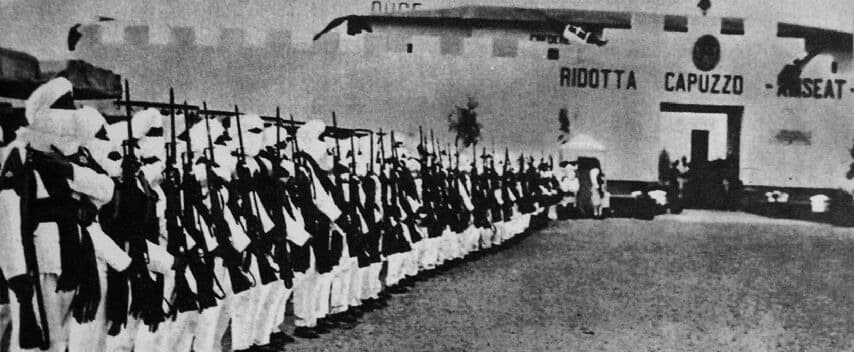
Fort Capuzzo, known in Italian as Ridotta Capuzzo, is a bastioned fortress located near the Libya–Egypt border in what was once the Italian colony of Libya. Constructed in the 1920s during the Second Italo-Senussi War (1923–1931), the fort was part of Italy's efforts to suppress the Senussi resistance and secure its colonial frontiers. It was strategically positioned next to the Italian Frontier Wire, a fortified barrier designed to control movement across the border and prevent the Senussi from freely crossing into Egypt and Sudan.
Historical context and strategic importance
During the early 20th century, Italy sought to consolidate its control over Libya, facing persistent resistance from the Senussi, a religious and political movement. The Second Italo-Senussi War was a campaign by Italy to quell this opposition, and Fort Capuzzo was constructed as a key military installation in this effort. The fort's location near the border was crucial for monitoring and controlling cross-border movements, especially along the Litoranea Balbo (Via Balbo), a coastal road connecting Bardia to Fort Capuzzo and further east into Egypt.
The fort was integral to a network of defensive positions including Fort Maddalena, Sidi Omar, and Giarabub, which together formed a defensive line along the frontier. These installations served both as military bases and as checkpoints to enforce the border, backed by patrols of Italian army armoured cars and border guards.
Architectural features and layout
Fort Capuzzo was designed as a bastioned fortress, a style characterized by angular bastions projecting from the walls to provide defensive coverage against attackers. The fort featured four crenellated walls enclosing a central yard, which was typical of military architecture aimed at providing strong defensive positions and clear lines of fire.
Within the walls, living quarters and support buildings were constructed around the perimeter, housing the garrison and facilitating the fort's operational needs. The design allowed for both defense and the accommodation of troops, including facilities for Italian border guards and armoured car units tasked with patrolling the surrounding area.
The fort's location inland, approximately 8 miles (13 km) from the coastal town of Sollum, placed it strategically to control inland routes and the movement of forces across the desert frontier.
Role in the Second World War
Fort Capuzzo's strategic position made it a focal point during the Western Desert campaign (1940–1943) of the Second World War. The fort changed hands multiple times between Axis and Allied forces as control of the border region was contested fiercely.
Its proximity to the border and to key supply routes made it a valuable military objective. The fort's defenses, while originally intended for colonial border control, were tested in the desert warfare that characterized the North African campaign. The battles around Fort Capuzzo reflected the broader struggle for control over the desert frontier between Italy, Germany, and the British Commonwealth forces.
Legacy and current condition
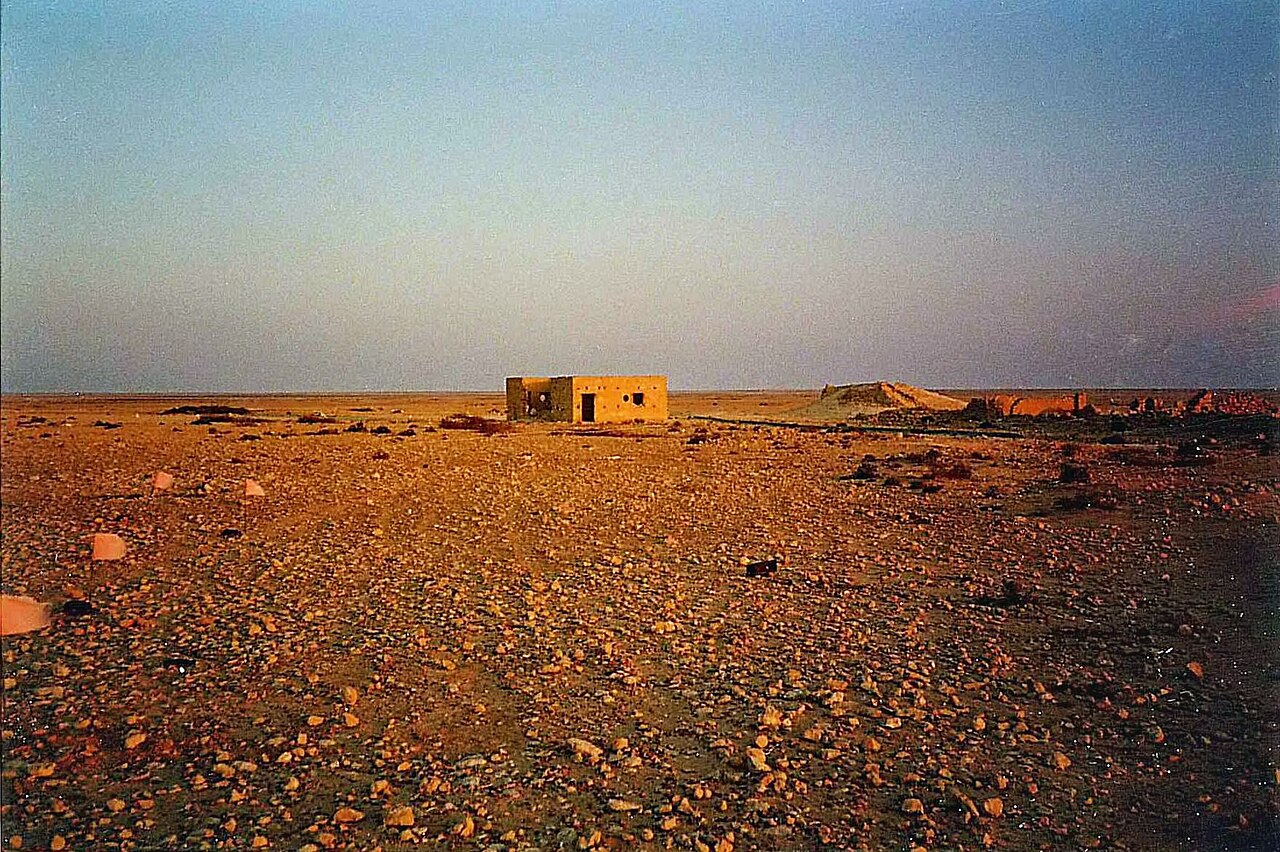
Today, Fort Capuzzo stands as a relic of Italian colonial military architecture and the turbulent history of the Libya-Egypt border region. The fort's remains provide insight into the military strategies employed during the colonial period and the Second World War. Although much of the structure has suffered from time and conflict, its basic layout and bastioned walls remain identifiable.
The fort is an important site for understanding the intersection of colonial ambitions, military engineering, and the geopolitical dynamics of North Africa in the early 20th century.
Frequently asked questions (FAQ)
- What was the primary purpose of Fort Capuzzo during Italian colonial rule?
- Fort Capuzzo was built to control the Libya-Egypt border and suppress the Senussi resistance during the Second Italo-Senussi War in the 1920s.
- How did Fort Capuzzo contribute to the Western Desert campaign in World War II?
- The fort was a strategic military position that changed hands several times between Axis and Allied forces, serving as a key point in desert warfare along the Libya-Egypt frontier.
- What architectural features define Fort Capuzzo?
- Fort Capuzzo is a bastioned fortress with four crenellated walls enclosing a courtyard and living quarters arranged around the perimeter for defense and troop accommodation.
- Is Fort Capuzzo accessible to visitors today?
- Currently, Fort Capuzzo is partially preserved and may be visited, but facilities and access can be limited due to its remote location and condition.
- Where is Fort Capuzzo located in relation to nearby landmarks?
- The fort is situated about 8 miles inland from Sollum, near the Libya-Egypt border, along the historic Litoranea Balbo road used during Italian colonial times.
Photo gallery

Photo by Unknown authorUnknown author•Public domain
Information
Loading map...
Visitor reviews
No reviews yet. Been here? Write the first review and help other travelers!
Write the first reviewVisited this castle? Share your experience
Your review helps other travelers and adds first-hand knowledge to our encyclopedia.