Fort Cacela Velha
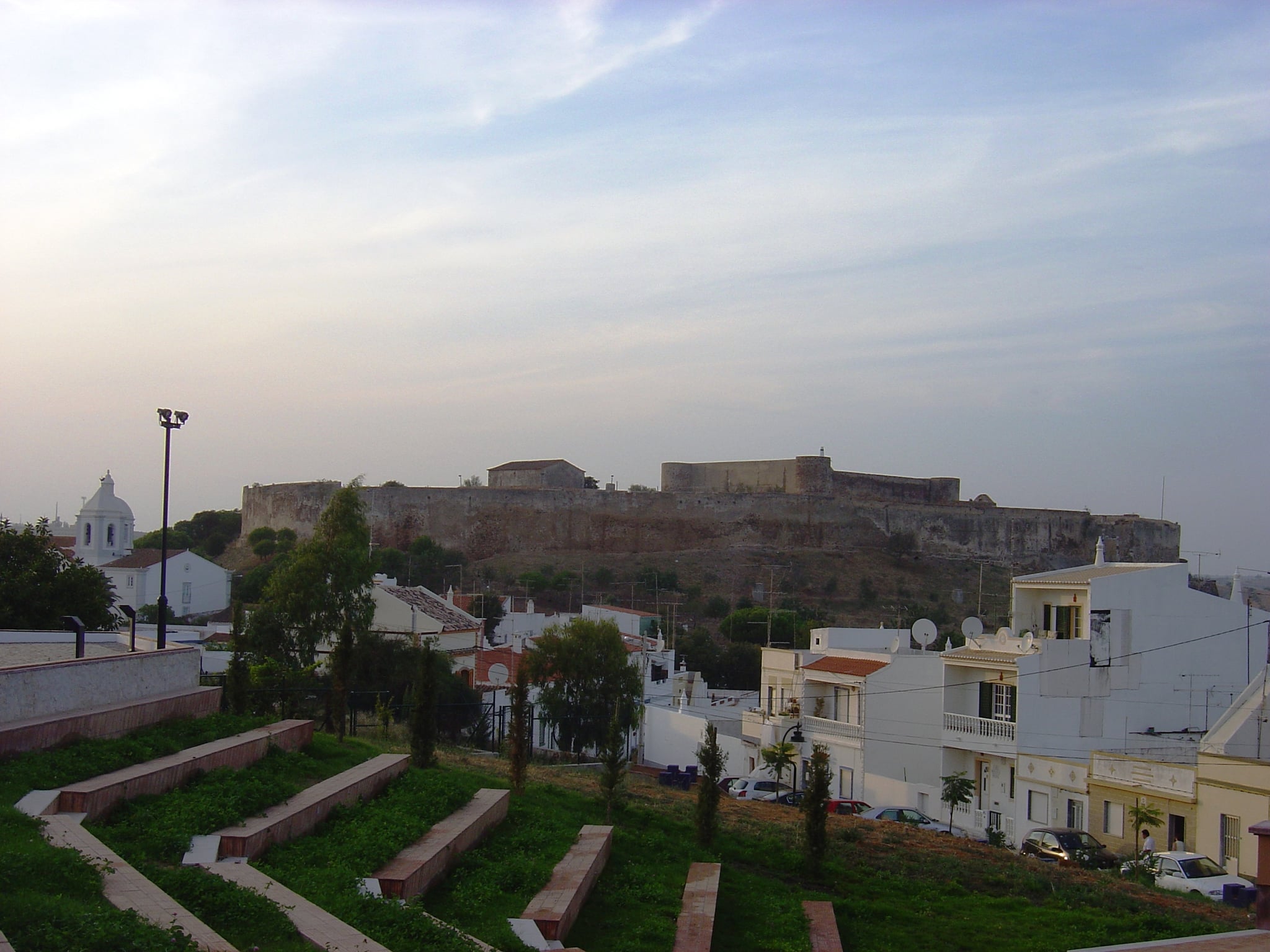
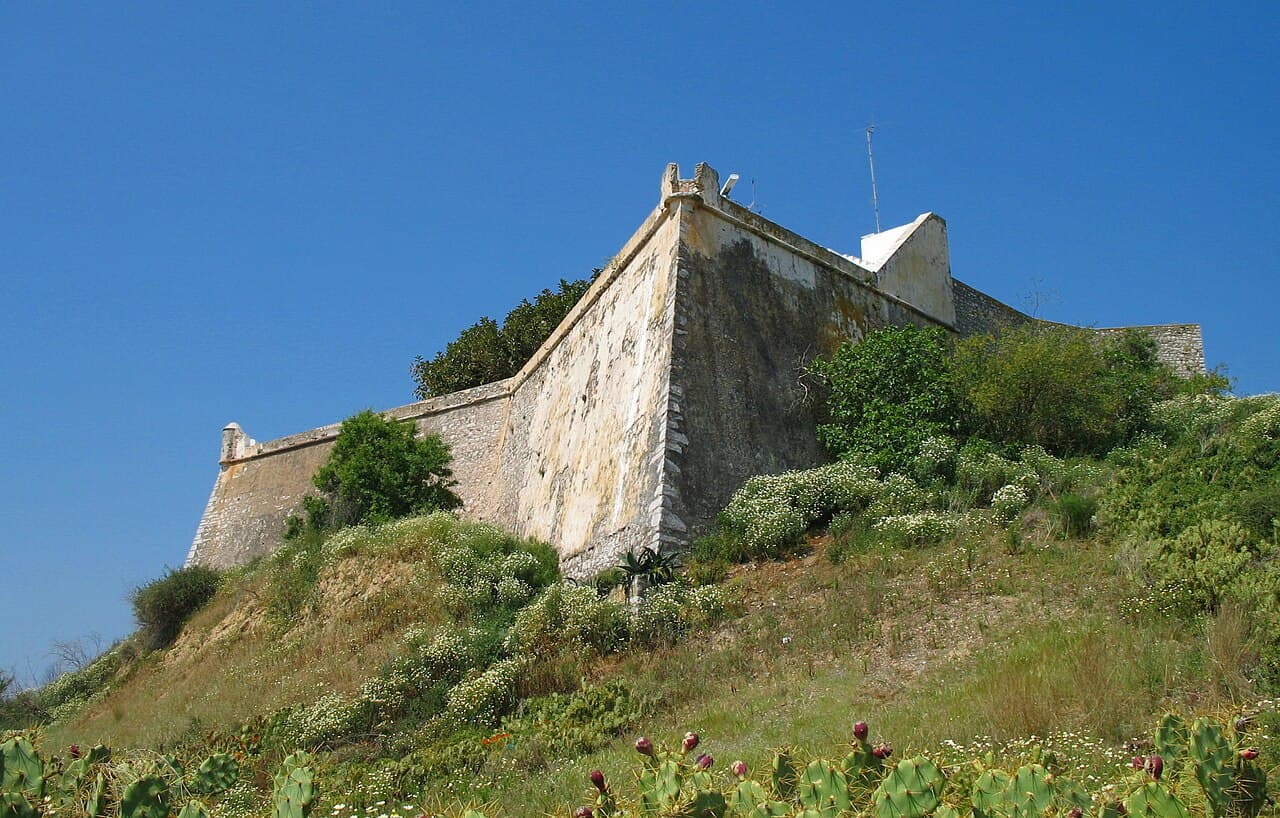
Fort Cacela Velha, also known locally as Forte de Cacela Velha or Fortaleza de Cacela, is a bastioned fortress situated in the small village of Cacela Velha in the Algarve region of Portugal. This historic site stands on a strategic cliff overlooking the Ria Formosa lagoon, a protected natural park known for its rich biodiversity and scenic coastal landscapes.
Medieval origins and reconquest history
The earliest known fortification at this site was a Muslim castle mentioned in records dating back to the early 12th century. During the Reconquista, Christian forces captured the castle in the mid-13th century. Subsequently, King Afonso III of Portugal granted the castle and its lands to the Order of Santiago, a military religious order tasked with defending the territory and aiding in the Christian reconquest efforts. The Order undertook significant reconstruction of the castle, adapting it to the military needs of the time.
Decline and coastal defense transformation
By the mid-16th century, the original medieval castle had fallen into ruin. Recognizing the strategic importance of this coastal point, the Portuguese crown ordered the rebuilding of the fortifications to protect against increasing threats from pirates and maritime incursions. Despite these efforts, by 1617 the walls on the cliff side were again in a state of disrepair.
The devastating 1755 Lisbon earthquake caused extensive damage to the fortress, leaving it largely in ruins. The earthquake's impact on the Algarve coast was severe, and Fort Cacela Velha was no exception.
18th-century bastioned fortress construction
The present-day structure of Fort Cacela Velha was constructed between 1770 and 1794 on the foundations and remnants of the earlier medieval fortifications. This reconstruction followed the principles of the bastioned fortress style, which was prevalent in European military architecture during the late Renaissance and early modern periods.
The fort is designed as a square plan with two square corner towers on the northern side, facing inland, and two star-shaped bastions on the southern side, oriented toward the sea. These bastions were intended to provide overlapping fields of fire to defend against naval attacks. A small turret is located on the western bastion, while the turret on the eastern bastion remains incomplete.
Location and environmental significance
Fort Cacela Velha is located within the boundaries of the Nature Park of Ria Formosa, an important protected area under the Rede Natura 2000 network. The fort and its surroundings are part of the Special Protection Zone of Cacela Velha and designated as a Sítio de Interesse Comunitário (Community Site of Interest) for the Ria Formosa and Castro Marim regions. This status highlights the area's ecological value and the need for conservation alongside cultural heritage preservation.
Current use and visitor information
Today, the fort is not open to the public as it is used by the GNR (National Republican Guard) for operational purposes. Visitors to the village of Cacela Velha can enjoy the quiet atmosphere and scenic views over the lagoons and coastline. During the summer months, the village's few restaurants attract tourists who come to experience the peaceful surroundings and natural beauty.
Architectural features and military significance
The fort's bastioned design reflects the military architectural evolution from medieval castles to modern coastal defenses. The star-shaped bastions allowed defenders to cover blind spots and provided better protection against cannon fire and siege tactics. The combination of square towers and angular bastions illustrates the transition in fortification styles adapting to gunpowder weaponry.
Although the fort is relatively small, its location on a cliff gave it a commanding view of the sea approaches and the Ria Formosa lagoon, making it a critical point for monitoring and defending the Algarve coast.
Historical context within the Algarve region
The Algarve has a long history of fortifications due to its strategic position along the Atlantic coast and proximity to the Mediterranean. Fort Cacela Velha is one of several coastal forts built or rebuilt during the 18th century to counter threats from pirates and foreign navies. Its history mirrors the broader military and political changes in Portugal from the medieval period through the early modern era.
Preservation and cultural heritage
While the fort itself is not accessible to visitors, its preservation as part of the Natura 2000 and Nature Park of Ria Formosa ensures its protection. The site represents an important link between Portugal's medieval past and its coastal defense strategies in the age of sail and early artillery. Efforts to maintain the fort and its surroundings contribute to the cultural landscape of the Algarve and offer insight into the region's historical military architecture.
Frequently asked questions (FAQ)
- What is the historical significance of Fort Cacela Velha?
- Fort Cacela Velha is a historic military fortification that dates back to the 16th century, originally built to defend against pirate invasions and foreign attacks. Its strategic location offers stunning views of the coastline and the surrounding landscape, making it a vital point for monitoring maritime activities. The fort has witnessed numerous historical events, reflecting Portugal's rich maritime history and military architecture.
- When was Fort Cacela Velha constructed?
- The construction of Fort Cacela Velha began in 1680 and was completed in the early 18th century. It was built to replace earlier structures that had been damaged over time, solidifying its role as a key defensive site in the region. The fort is an example of the military architecture prevalent during the Portuguese Age of Discovery.
- Can I visit Fort Cacela Velha?
- Yes, visitors are welcome to explore Fort Cacela Velha and its surroundings. The site offers a glimpse into the past with its well-preserved walls and panoramic views. It is advisable to check the official website for any visitor guidelines or restrictions before your visit.
- What are the opening hours for Fort Cacela Velha?
- Fort Cacela Velha is generally open to the public from 9 AM to 6 PM, but hours may vary based on the season. It is recommended to check the official site or local information for any updates or changes to the schedule. The fort can be enjoyed at various times of the day, especially during sunset for breathtaking views.
- Is it possible to enter the fort?
- Yes, visitors can enter the fort and explore its interior, including the scenic viewpoints and historical structures inside. There may be a small entrance fee, which helps with the maintenance of the site. Ensure to follow any posted guidelines during your visit to enhance your experience.
- What is the best time to visit Fort Cacela Velha?
- The best time to visit Fort Cacela Velha is during the spring and autumn months when the weather is mild and pleasant. These seasons also attract fewer tourists, allowing for a more serene experience. Summer can be hot, while winter may bring rainy conditions, so planning accordingly is advisable.
- Are there nearby attractions to Fort Cacela Velha?
- Yes, Fort Cacela Velha is located near beautiful beaches, such as Praia da Cacela Velha, and charming towns like Vila Nova de Cacela. Visitors can also explore the surrounding natural parks and enjoy local gastronomy in nearby restaurants. Combining your visit with these attractions can enhance your overall experience in the region.
- How much are the ticket prices for Fort Cacela Velha?
- The entrance fee for Fort Cacela Velha is typically around €2, making it an affordable destination for visitors. There may be discounts for children, students, or seniors, so it's best to inquire on-site or check the official website. The nominal fee contributes to the preservation of this historical site.
- Is Fort Cacela Velha accessible for people with disabilities?
- Fort Cacela Velha has limited accessibility due to its historic structure and uneven surfaces. However, the site is making efforts to improve access for all visitors. It is recommended to contact the site in advance to inquire about specific accessibility options that may be available during your visit.
Photo gallery

Information
Address
Rua de Cacela Velha, Portugal
Loading map...
Visitor reviews
No reviews yet. Been here? Write the first review and help other travelers!
Write the first reviewVisited this castle? Share your experience
Your review helps other travelers and adds first-hand knowledge to our encyclopedia.