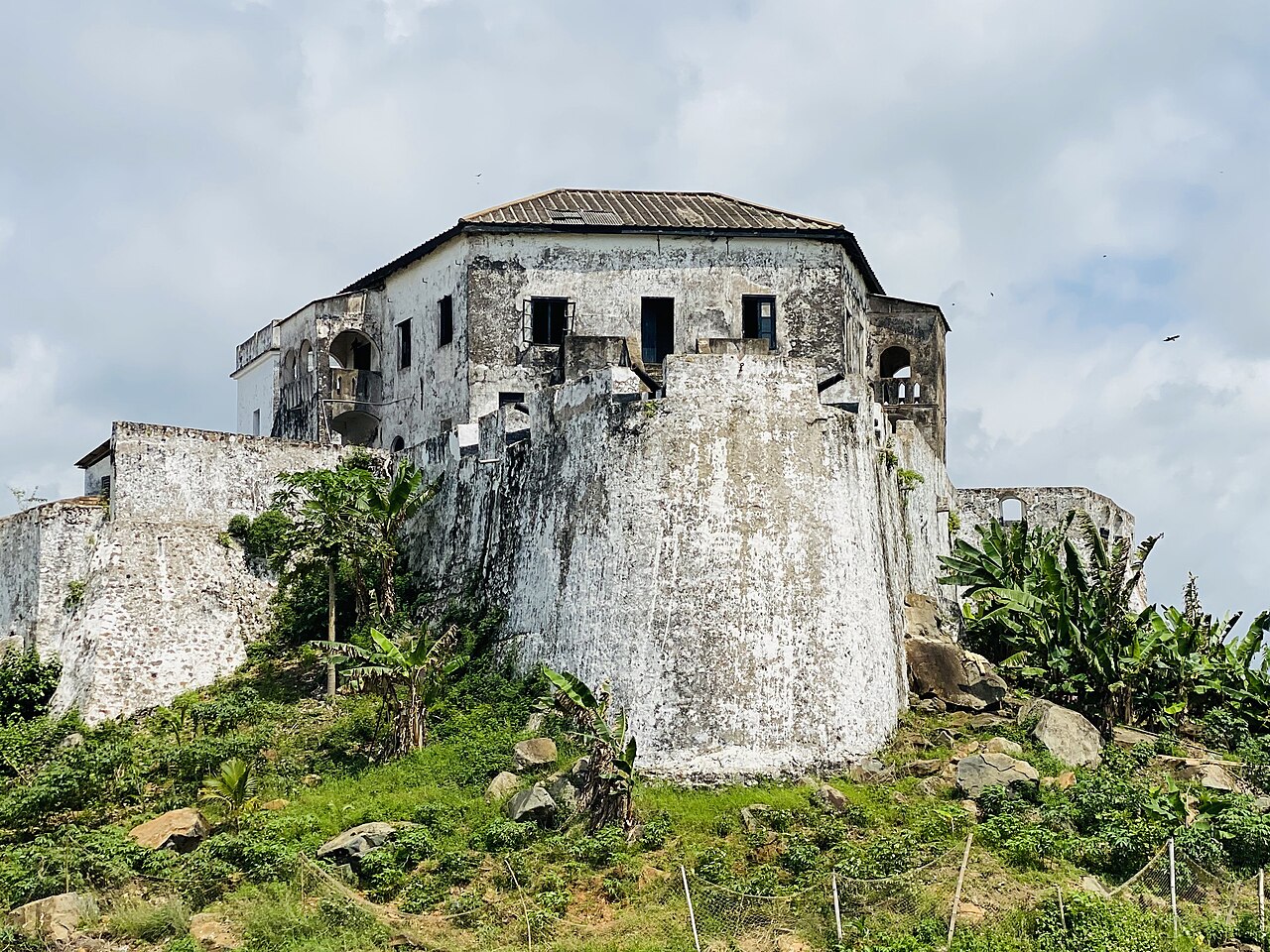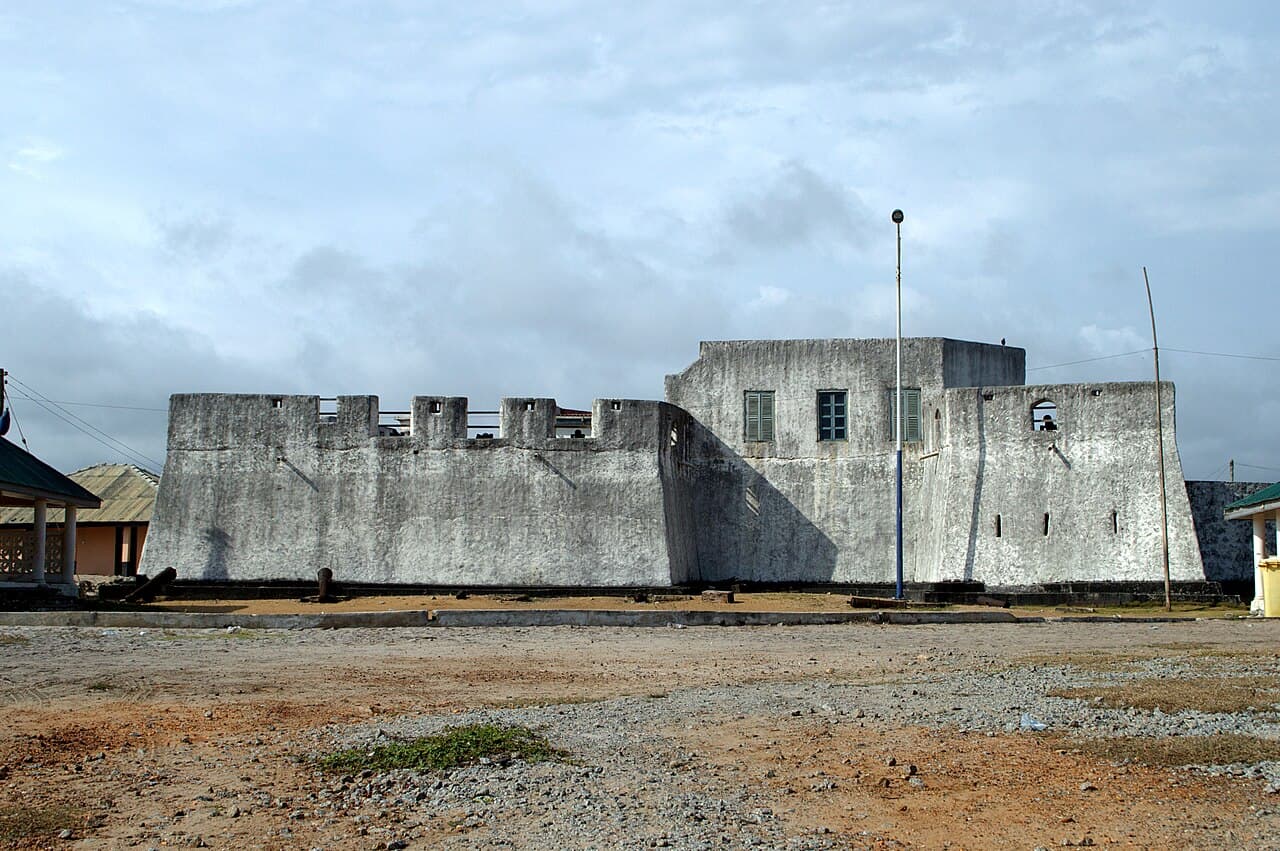
Fort Apollonia is a significant historical bastioned fortress located in Beyin, Ghana. The fort's name originates from a Portuguese explorer who first sighted the site on the Feast of Saint Apollonia, 9 February, a date that gave the fort its distinctive name. Constructed during the period of European colonial expansion along the West African coast, Fort Apollonia served as a strategic military and trading post, reflecting the intense competition among European powers for control over trade routes and resources.
Historical context and colonial significance
The fort was established in the late 17th century as part of a network of coastal fortifications built by European powers, including the Portuguese, Dutch, and British, to secure their interests in the region. Fort Apollonia was particularly important in the context of the Atlantic slave trade, acting as a holding and trading point where enslaved Africans were detained before being shipped across the Atlantic. This role places the fort among the many Ghanaian forts and castles that bear witness to the tragic history of slavery and colonial exploitation.
Throughout its operational history, the fort changed hands multiple times, reflecting the shifting power dynamics between European nations vying for dominance in West Africa. Its position on the coast allowed it to control maritime access and protect trading interests, contributing to the economic and military strategies of the colonial era.
Architectural features and design
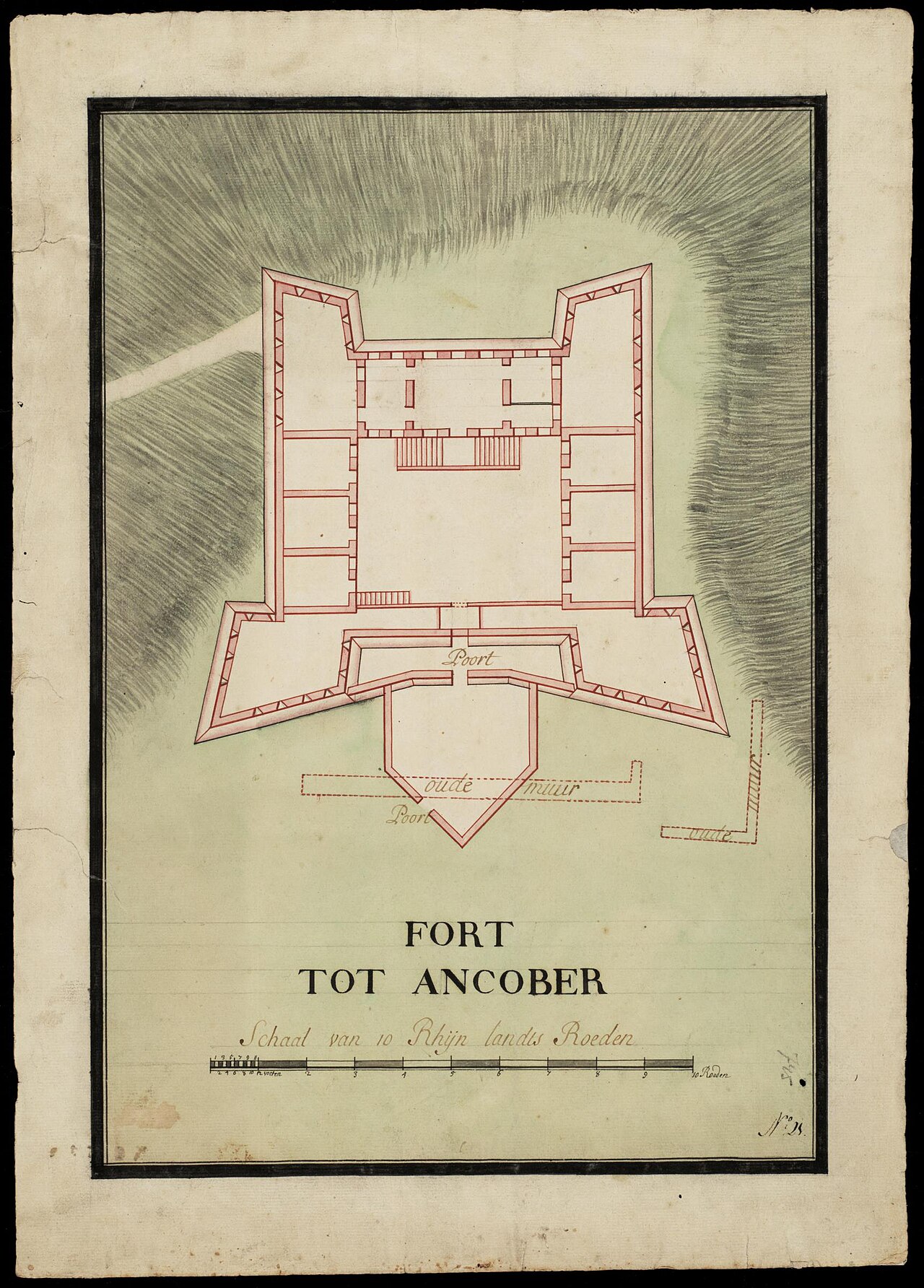
Fort Apollonia is classified as a bastioned fortress, a style characterized by angular bastions projecting from the main walls, designed to provide overlapping fields of fire and improved defense against artillery attacks. This architectural style was common in the 17th and 18th centuries, reflecting advances in military engineering.
The fort's layout includes thick defensive walls, bastions at key points for cannon placement, and internal structures such as barracks, storage rooms, and holding cells. The design was intended to withstand sieges and attacks from rival European forces as well as local resistance. The use of local materials combined with European construction techniques resulted in a robust and enduring structure.
Preservation and cultural heritage
Today, Fort Apollonia stands as a well-preserved monument to Ghana's colonial past and the complex history of European involvement in West Africa. It was inscribed on the UNESCO World Heritage List in 1979 along with several other forts and castles in Ghana, recognizing its importance as part of the collective heritage linked to the Atlantic slave trade and colonialism.
The fort is managed as a cultural site, attracting visitors interested in history, architecture, and the legacy of the transatlantic slave trade. Efforts to maintain and restore the fort help preserve its structural integrity and educational value, allowing it to serve as a reminder of the region's historical struggles and resilience.
Visiting Fort Apollonia
Visitors to Fort Apollonia can explore the fortress grounds, including the bastions, walls, and internal chambers. The site offers insights into the military architecture of the period and the harsh realities of the slave trade era. Interpretive displays and guided tours provide historical context, enhancing the educational experience.
The fort's coastal location in Beyin also offers scenic views of the surrounding landscape, adding to its appeal as a tourist destination. Visitors are encouraged to respect the site's historical significance while enjoying its unique architectural features.
Frequently asked questions (FAQ)
- What is the historical significance of Fort Apollonia?
- Fort Apollonia is a key historical site in Ghana, representing the European colonial influence in West Africa during the 17th century. Originally built by the Dutch, it later changed hands and played a crucial role in the transatlantic slave trade, making it an important landmark for understanding the region's history.
- When was Fort Apollonia built?
- Construction of Fort Apollonia began in 1637 and was completed in 1642. Over the years, it underwent several modifications and repairs, reflecting the changes in colonial powers and military needs in the region.
- What are the opening hours for Fort Apollonia?
- Fort Apollonia is open to visitors from 9:00 AM to 5:00 PM, Monday through Saturday. It is advisable to check for any updates on opening hours during public holidays or special events.
- Can I take photographs inside Fort Apollonia?
- Yes, visitors are allowed to take photographs inside Fort Apollonia. However, it is recommended to be respectful of the site and avoid using flash photography to preserve the integrity of the historical artifacts.
- Is it possible to access Fort Apollonia with public transportation?
- Yes, Fort Apollonia is accessible by public transportation. Local taxis and buses frequently operate routes to Beyin, making it convenient for visitors to reach the site without a private vehicle.
- What is the best time to visit Fort Apollonia?
- The best time to visit Fort Apollonia is during the dry season, which runs from November to March. This period offers pleasant weather, making your exploration of the fort and its surroundings more enjoyable.
- Are there any nearby attractions to visit while at Fort Apollonia?
- Yes, nearby attractions include the beautiful beaches of Beyin, the Nzulezo stilt village, and the historic Fort Batenstein. These sites provide additional cultural and natural experiences for visitors exploring the area.
- How much are the ticket prices for visiting Fort Apollonia?
- Ticket prices for Fort Apollonia are generally affordable, with adult tickets typically costing around 5 GHS. Children and students may enjoy discounted rates, making it an economical option for families and groups.
Photo gallery

Information
Loading map...
Visitor reviews
No reviews yet. Been here? Write the first review and help other travelers!
Write the first reviewVisited this castle? Share your experience
Your review helps other travelers and adds first-hand knowledge to our encyclopedia.