Cherven
The fortress of Cherven (Bulgarian: Червен, meaning "red") was a major military, administrative, economic, and cultural centre of the Second Bulgarian Empire from the 12th to the 14th century. Situated near the village of Cherven, approximately 30 to 35 kilometres south of Rousse in northeastern Bulgaria, this fortress played a pivotal role in the defense and governance of the region during the High Medieval period.
Historical significance of Cherven fortress
Cherven was one of the most important strongholds of the Second Bulgarian Empire, serving as a key bastioned fortress that combined military strength with administrative functions. Its strategic location on the banks of the Cherni Lom River allowed control over vital trade routes and communication lines. The fortress witnessed numerous military campaigns and sieges, particularly during the late 13th and early 14th centuries when the empire faced threats from the Byzantine Empire and the advancing Ottoman Turks.
Architectural features and layout
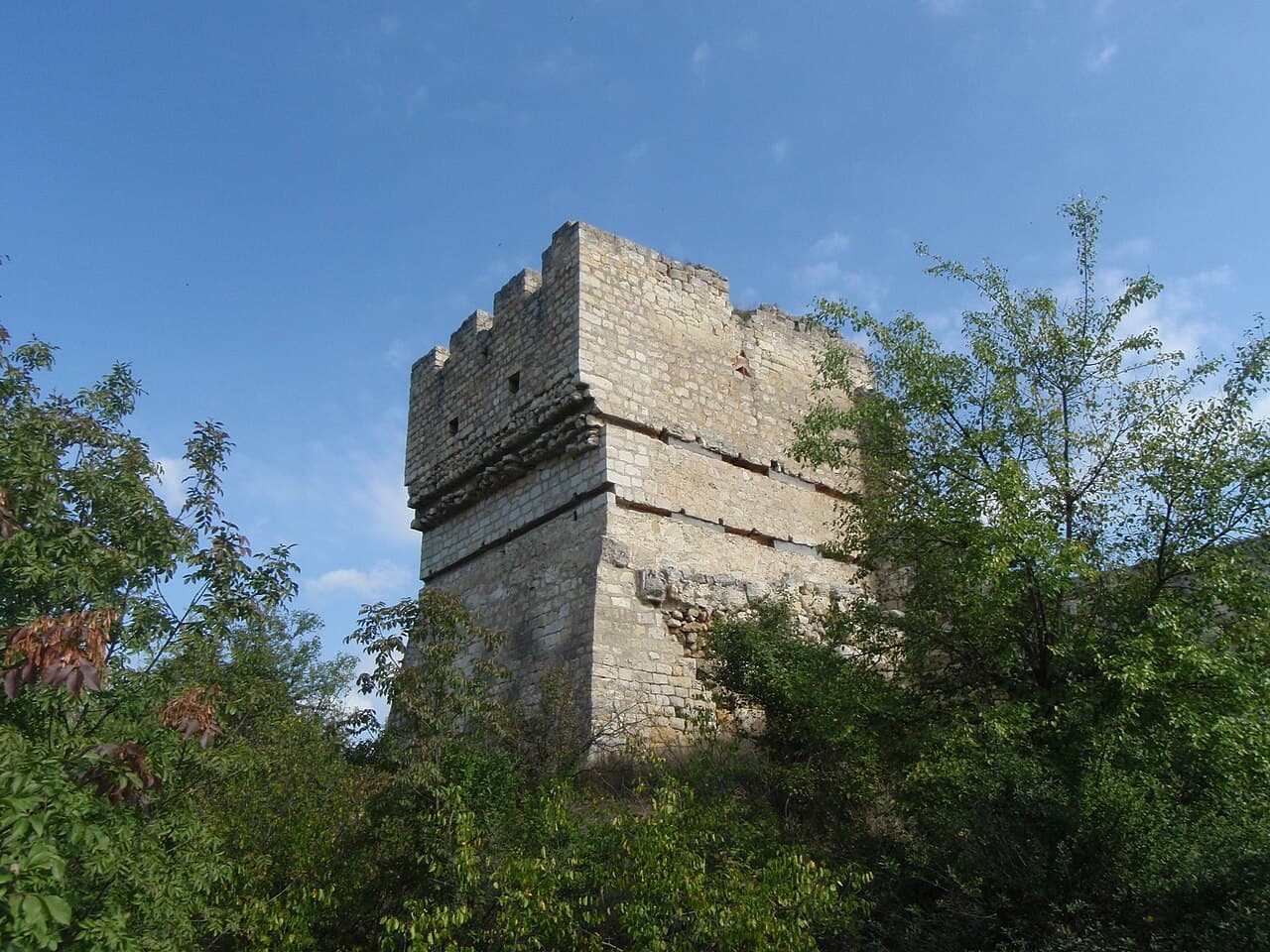
The fortress is classified as a bastioned fortress, characterized by its robust defensive walls, bastions, and towers designed to withstand sieges and artillery attacks. The ruins reveal a complex layout including massive stone walls reinforced with bastions at key points for artillery defense. The fortress encompassed multiple residential quarters, military barracks, administrative buildings, and religious structures, reflecting its multifaceted role.
Defensive structures
The fortress walls were built using local stone and mortar, with thickness varying to resist different forms of attack. Several towers provided vantage points for surveillance and defense, while gatehouses controlled access through the main entrances. The bastions, protruding from the walls, allowed defenders to cover blind spots and deliver flanking fire against attackers.
Internal buildings and cultural sites
Within the fortress, archaeological excavations have uncovered remains of residential buildings that housed the garrison and officials, as well as churches that served the spiritual needs of the inhabitants. The presence of craft workshops and economic facilities indicates that Cherven was not only a military site but also a thriving economic hub.
Construction and historical timeline
The fortress was initially constructed in the 11th century, with significant expansions and fortifications added during the High Medieval period. Its development reflects the evolving military architecture of the time, adapting to new siege technologies and the political needs of the Bulgarian state. Cherven reached its zenith in the 13th century before gradually declining in importance following the Ottoman conquest of Bulgaria in the late 14th century.
Current condition and archaeological importance
Today, Cherven stands as partially preserved ruins that offer valuable insights into medieval Bulgarian fortification techniques and urban planning. The site is an important archaeological and cultural heritage destination, attracting historians and tourists interested in Bulgaria's medieval past. Conservation efforts aim to stabilize the ruins and facilitate educational access while preserving the site's historical integrity.
Visiting Cherven fortress
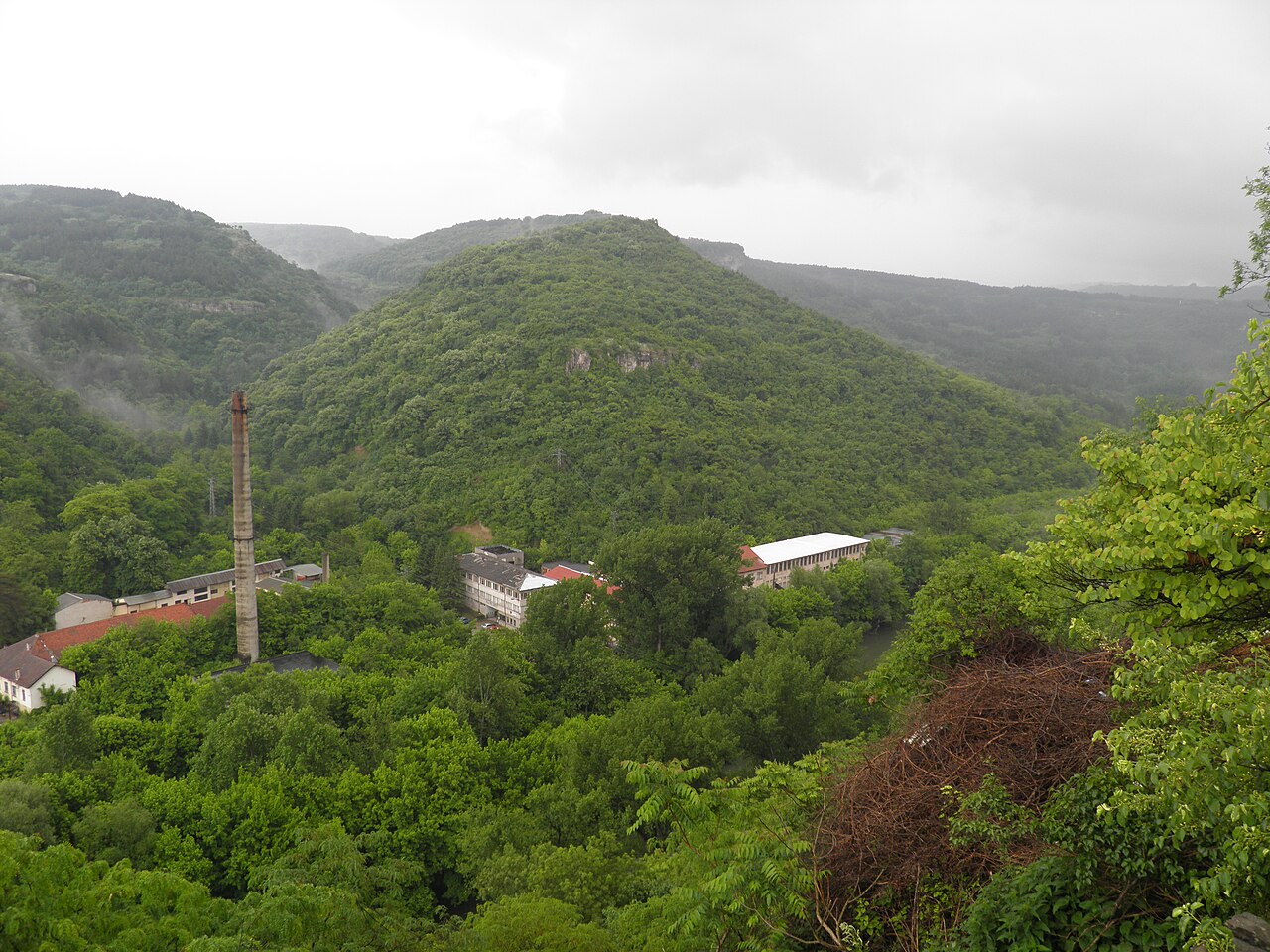
Visitors to the site can explore the remains of the fortress walls, towers, and internal structures, gaining a tangible sense of medieval military architecture. The surrounding landscape, including the Cherni Lom River valley, provides a scenic backdrop that complements the historical experience. Informational panels and guided tours help contextualize the fortress's significance within Bulgarian and Balkan history.
Frequently asked questions (FAQ)
- How do I get to Cherven Castle?
- Cherven Castle is located near the town of Ruse in Bulgaria. You can reach it by car or public transport; the nearest bus stop is in Ruse, from where you can take a taxi or a local bus to the castle site.
- What is the historical significance of Cherven Castle?
- Cherven Castle dates back to the 10th century and served as a crucial stronghold for the Second Bulgarian Empire. It played a vital role in the region's defense and administration, showcasing the power and influence of Bulgaria during the Middle Ages.
- When was Cherven Castle built?
- Cherven Castle was initially constructed in the late 10th century, with significant expansions and renovations occurring over the following centuries. Its strategic location allowed it to thrive until the Ottoman conquest in the late 14th century.
- Can I visit Cherven Castle year-round?
- Yes, Cherven Castle is open to visitors throughout the year, but it's best to check for any seasonal hours or maintenance closures. The warmer months provide the most pleasant experience for exploring the castle grounds and surrounding nature.
- Why is the architecture of Cherven Castle unique?
- Cherven Castle features a combination of medieval military architecture, with massive stone walls and towers, and elements that reflect the Byzantine influence of the time. Its well-preserved ruins provide insight into the engineering techniques used in the past.
- Is it possible to take guided tours at Cherven Castle?
- Yes, guided tours are available at Cherven Castle, offering visitors a deeper understanding of its history and architecture. These tours are typically conducted in Bulgarian, but English-speaking guides can often be arranged with prior notice.
- What are the ticket prices for Cherven Castle?
- Entrance fees for Cherven Castle are generally affordable, with discounts available for students and seniors. It is advisable to check the official website or local tourist information for the latest pricing details before your visit.
- What are the opening hours for Cherven Castle?
- Cherven Castle typically opens daily from 9 AM to 6 PM during the tourist season, but hours may vary in the off-season. Always confirm the current hours before planning your visit to ensure a smooth experience.
- What nearby attractions can I visit while at Cherven Castle?
- While visiting Cherven Castle, you can also explore the picturesque town of Ruse, known for its beautiful architecture and vibrant culture. Additionally, the Danube River offers scenic views and opportunities for outdoor activities nearby.
Photo gallery

Information
Loading map...
Visitor reviews
No reviews yet. Been here? Write the first review and help other travelers!
Write the first reviewVisited this castle? Share your experience
Your review helps other travelers and adds first-hand knowledge to our encyclopedia.