Cherven Fortress
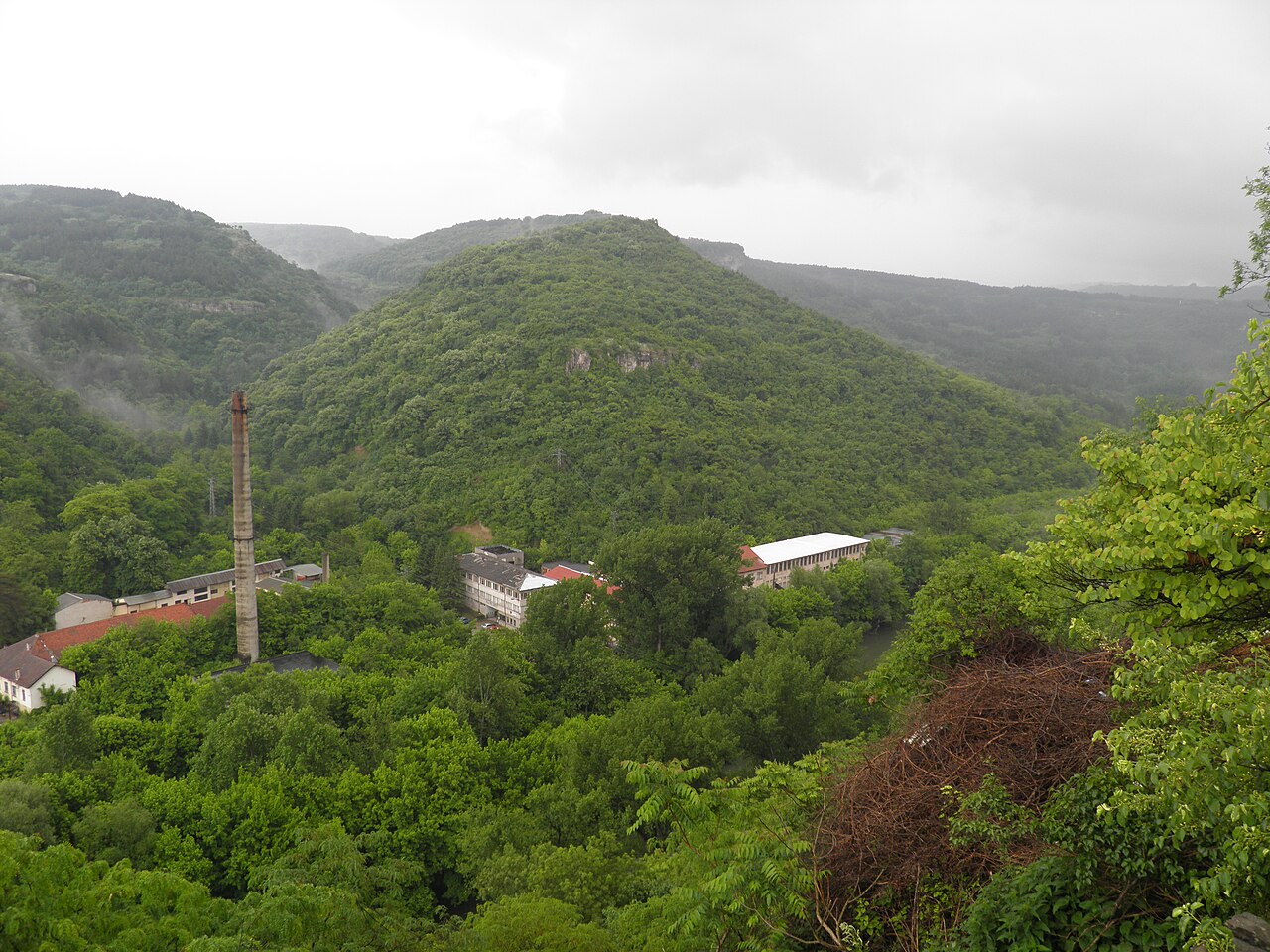
Cherven fortress stands as a significant monument of the Second Bulgarian Empire, serving as a major military, administrative, economic, and cultural center from the 12th to the 14th century. Located near the modern town of Ivanovo, Bulgaria, it occupies a strategic position on a rocky plateau formed by a bend of the Cherni Lom river. The site reflects a long history of human settlement, with origins tracing back to the Thracians and later a 6th-century Byzantine fortress.
The fortress was first documented in the 11th century in an Old Bulgarian apocryphal chronicle, marking the beginning of its recorded medieval prominence. Its importance grew significantly after 1235 when it became the seat of the Bulgarian Orthodox Bishopric of Cherven, elevating its religious and administrative status. By the 14th century, Cherven had expanded into a thriving urban center featuring a complex and robust fortification system.
Architectural layout and fortifications
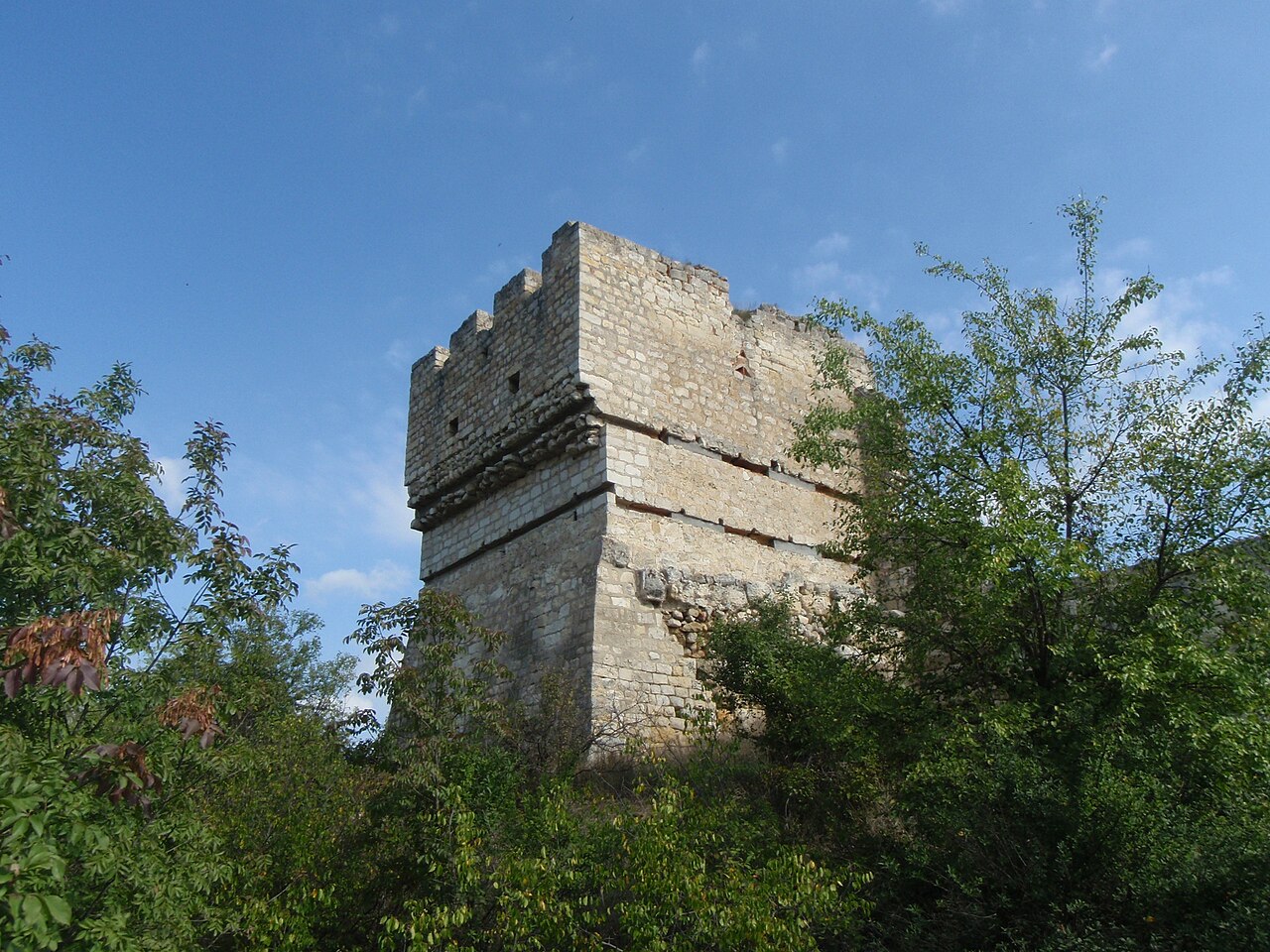
The fortress covered an area exceeding 1 square kilometer during its peak in the late 14th century. It consisted of a fortified inner city perched on the rocky ground and an outer city sprawling over the surrounding hills and foothills. The fortifications included thick defensive walls up to 3 meters wide, numerous towers, and gates designed to withstand sieges. The natural rocky terrain was skillfully integrated into the defenses, enhancing the fortress's resilience.
Among the most remarkable features are the two well-preserved underground water supply passages, which ensured the fortress could sustain prolonged sieges by maintaining access to fresh water. Excavations have revealed 13 churches, reflecting the religious significance of the site, alongside various administrative and residential buildings, workshops, and a network of streets indicating advanced urban planning.
Economic and cultural significance
Cherven was not only a military bastion but also a vibrant center of craftsmanship and trade during the 14th century. The town specialized in iron extraction and ironworking, with evidence of goldsmithing and other artisanal crafts. Its location at the crossroads of roads connecting the Danube River to Bulgaria's interior made it a crucial hub for commerce and communication.
The cultural life of Cherven flourished alongside its economic activity. The presence of numerous churches and the bishopric seat underscore its role in the spiritual and cultural development of the region. Art and construction were well developed, contributing to the town's reputation as a center of medieval Bulgarian culture.
Historical events and decline
Cherven's strategic importance made it a target during the Bulgarian-Ottoman Wars. The fortress fell to the Ottoman Turks in 1388, marking the beginning of its decline. Initially, the Ottomans retained its administrative functions, but over time, the town's significance diminished, and it gradually fell into ruin.
Despite its decline, parts of the fortress have been remarkably preserved. A notable feature is the three-storey tower, standing 12 meters high from the 14th century. This tower was used as a model for the reconstruction of Baldwin's Tower in Tsarevets, Veliko Tarnovo, in 1930, highlighting its architectural importance.
Archaeological research and preservation
Extensive archaeological excavations have uncovered a wealth of structures within the fortress, including a large feudal palace with fortified walls, numerous churches, workshops, and residential quarters. These findings provide valuable insights into the urban organization and daily life of a medieval Bulgarian stronghold.
Since 1965, the site has been protected as a national archaeological reserve, attracting scholars and tourists alike. Visitors can explore the ruins, including the well-preserved towers, walls, and underground passages, gaining a tangible connection to Bulgaria's medieval past.
Visiting cherven fortress today
Cherven fortress remains a popular tourist destination for those interested in medieval history and architecture. The site offers a glimpse into the complex fortifications and vibrant urban life of the Second Bulgarian Empire. Its location near Ivanovo also allows visitors to explore other cultural landmarks in the region.
The fortress's combination of natural defensive features and man-made structures exemplifies medieval military engineering. Its preservation provides an important educational resource and a testament to Bulgaria's rich historical heritage.
Information
Loading map...
Visitor reviews
No reviews yet. Been here? Write the first review and help other travelers!
Write the first reviewVisited this castle? Share your experience
Your review helps other travelers and adds first-hand knowledge to our encyclopedia.