Fonmon Castle
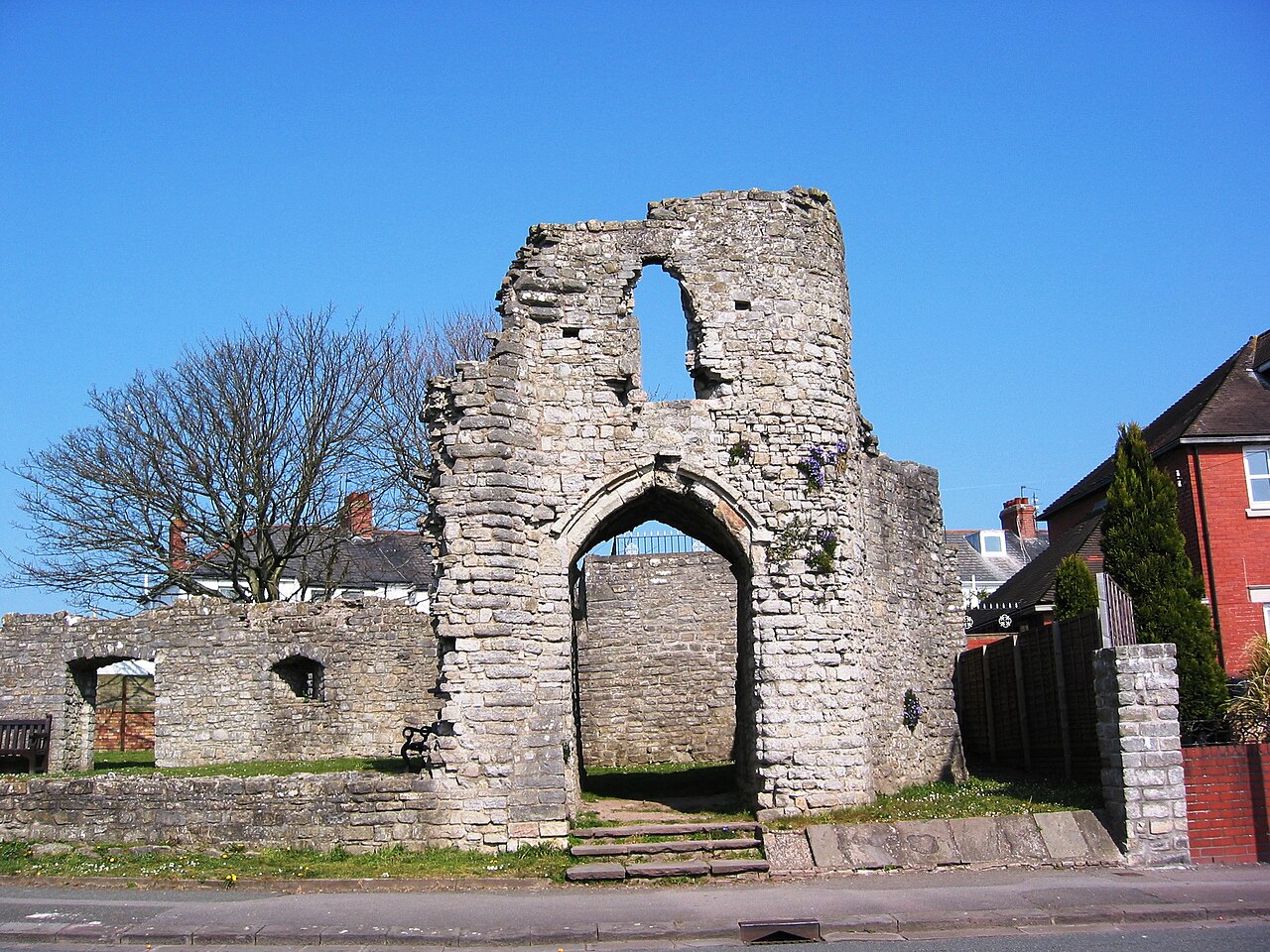
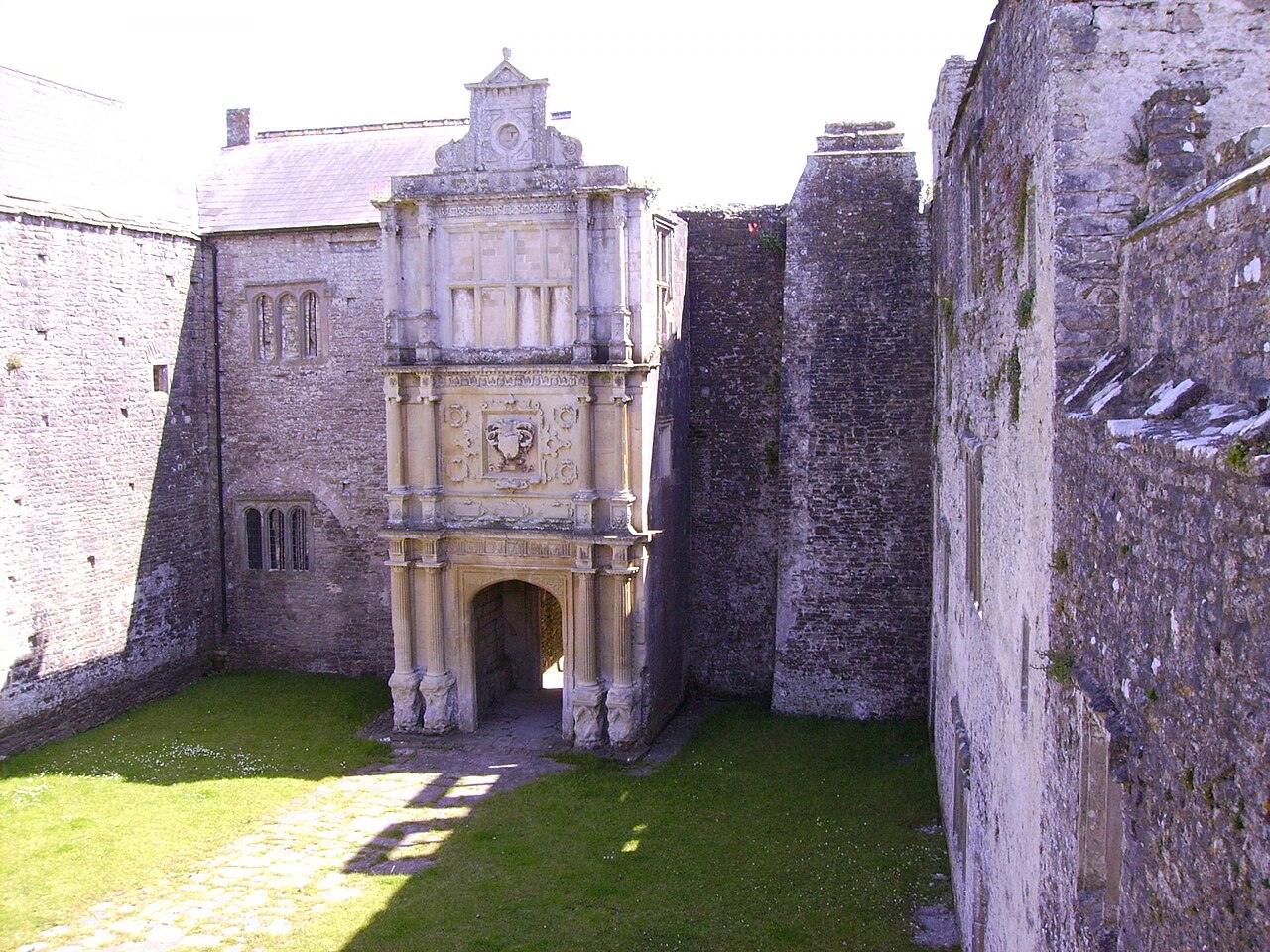
Fonmon Castle stands as a remarkable example of a fortified medieval hill castle nestled near the village of Fonmon in the Vale of Glamorgan, South Wales. Originating in the 12th century, the castle is distinguished by its rare architectural evolution, having undergone significant remodeling in the 18th century without succumbing to the then-popular Gothic revival styles. This unique characteristic makes Fonmon Castle an exceptional study in the continuity of medieval defensive architecture blended with Georgian refinement.
The castle's history is deeply intertwined with the Norman conquest of Wales, initially established as a timber fortification before transitioning to stone construction around the year 1200. It has been under the stewardship of only two families since its inception: the St John family from Norman times until the mid-17th century, and the descendants of Colonel Philip Jones from 1656 onward. This continuity of ownership has preserved much of the castle's authentic character and historical fabric.
Historical development and ownership
Norman origins and medieval fortifications
The origins of Fonmon Castle date to the immediate aftermath of the Norman invasion of Wales in the late 11th and early 12th centuries. Initially constructed as a timber stronghold, the castle was soon rebuilt in stone to provide a more durable defensive position. The core structure includes a rectangular keep approximately 8 by 13 meters in dimension, featuring notably thick walls, especially on the eastern side overlooking a ravine, a strategic defensive advantage.
By the 13th century, the castle had been enhanced with a curtain wall and a south-east corner tower to fortify vulnerable approaches. These additions reflect typical high medieval military architecture intended to withstand sieges and raids common in the turbulent Welsh Marches.
St john family and tudor connections
The St John family held the castle as their hereditary seat from the Norman period until 1656. Their prominence was bolstered by marital ties to the Tudor dynasty; notably, Oliver St John married Margaret Beauchamp, grandmother of King Henry VII. This connection underscores the castle's importance not only as a military bastion but also as a site of significant social and political influence during the late medieval and early modern periods.
Civil war era and transfer to the jones family
During the English Civil War in the 17th century, the St John family supported the Parliamentarian cause. Despite the conflict's widespread destruction, Fonmon Castle remarkably avoided damage or siege. However, financial pressures led to the sale of the estate in 1656 to Colonel Philip Jones, whose descendants would continue to develop and maintain the property for centuries.
18th-century remodeling and architectural features
Georgian renovations and rococo interiors
In 1762, Robert Jones III initiated extensive renovations that transformed Fonmon Castle's interiors while respecting its medieval exterior. The Bristol architect Thomas Paty was commissioned for remodeling work, introducing refined Georgian elements. The castle's interiors were adorned with exquisite rococo plasterwork by Thomas Stocking, particularly evident in the grand combined drawing room and library.
This room, described by architectural historian John Newman as the "glory of Fonmon," features two Venetian windows—one stone window facing west and a timber oriel window to the east—that flood the space with natural light. The ceiling is richly decorated with plaster motifs including hunting trophies in the spandrels, flowing arabesques, laurel wreaths, and a central Apollo head encircled by a sunburst pattern, exemplifying the artistic tastes of the period.
Castle structure and materials
Constructed primarily of locally sourced limestone and blue lias rubble, the castle's walls are coated with grey render that conceals much of the stonework. The roofs are composed of mixed slates with lead gutters and dressings. The main building rises two to three stories, with battlements crowning the walls, and a slightly taller south-east corner tower enhancing its defensive silhouette.
Additional structural developments include a 16th-century north wing built atop a vaulted semi-basement and a later double-depth wing on the northern side, expanding the castle's residential capacity while maintaining its fortified character.
Outbuildings and landscape features
Stable block and polygonal chimney
To the south-west of the main castle lies an 18th-century stable block incorporating a late medieval barn. The stable's south and east walls are castellated, designed to impress visitors arriving from the south. A notable architectural feature within the stable is a rare polygonal stone chimney, originally from East Orchard Farm in nearby St Athan, relocated and integrated into the structure, representing a significant surviving element of medieval rural architecture.
Battlemented watchtower
Further south stands a battlemented watchtower dating from the 17th or 18th century, believed to have been constructed in two phases atop medieval foundations. Its design was likely inspired by the tower at St Donat's Castle, reflecting the medievalizing architectural trends of the Georgian era under Robert Jones III's direction. Built of roughly coursed limestone with lime plaster finishing, the watchtower is recognized for its architectural and historical significance with a Grade II* listing.
Archaeological significance and surrounding landscape
Early medieval and iron age findings
Recent archaeological investigations near Fonmon Castle have uncovered a 6th or 7th-century cemetery containing predominantly female skeletons accompanied by grave goods such as pottery shards and etched glass fragments. These findings highlight the site's long-standing cultural importance predating the castle itself.
Additionally, remains of an Iron Age settlement were discovered nearby, including a carefully placed dog skeleton believed to serve as a symbolic protector dating from approximately 700 to 500 BCE. These discoveries provide valuable insights into the prehistoric occupation of the landscape surrounding Fonmon Castle.
Gardens and setting
The castle is set within extensive historic gardens registered for their cultural significance. The landscape is predominantly flat, with the Bristol Channel to the south and the city of Cardiff approximately 15.7 kilometers to the northeast. This setting offers both strategic views and a picturesque environment, enhancing the castle's historical and aesthetic appeal.
Notable interior features
Grand drawing room and library
The combined grand drawing room and library is a highlight of Fonmon Castle's interior, showcasing the finest rococo plasterwork in Wales. The room's division into three sections with segmental arches, the intricate ceiling decorations, and the natural light from the Venetian windows create an elegant and refined atmosphere, reflecting the tastes of the 18th-century gentry.
The presence of hunting trophies and classical motifs like the Apollo head emphasize the cultural aspirations of the castle's owners during the Georgian period, blending artistic sophistication with the castle's martial heritage.
Frequently asked questions (FAQ)
- How do I get to Fonmon Castle?
- Fonmon Castle is located in Barry, United Kingdom. It is easily accessible by car and public transport, with ample parking available on-site. If you are traveling by train, the nearest station is Barry, from which you can take a short taxi ride to the castle.
- What is the history of Fonmon Castle?
- Fonmon Castle dates back to the 12th century and is one of the oldest continuously inhabited castles in Wales. It has a rich history that includes significant events during the English Civil War and has been home to the same family for generations. The castle's architecture reflects its medieval roots and subsequent renovations over the centuries.
- When is Fonmon Castle open to visitors?
- Fonmon Castle is typically open to the public from April to September, with specific opening hours varying by day. It's advisable to check the official website for the most current visiting hours and any special events that may affect access. During the off-season, the castle may be open for private tours by appointment.
- Can I take photographs inside Fonmon Castle?
- Yes, visitors are welcome to take photographs inside Fonmon Castle; however, some areas may have restrictions to preserve the site. It is best to ask the staff upon arrival about any specific guidelines regarding photography. Capture the beauty of the castle and its grounds while being respectful of the historical significance.
- Why is Fonmon Castle significant?
- Fonmon Castle holds historical significance as a well-preserved example of medieval architecture and has been a pivotal site in Welsh history. Its continuous habitation offers insights into the evolution of castle life over the centuries. The castle's gardens and surrounding landscape also provide a glimpse into the past, making it a fascinating destination for history enthusiasts.
- Is it possible to hold events at Fonmon Castle?
- Yes, Fonmon Castle is available for private events such as weddings, corporate meetings, and special celebrations. The castle offers a unique and picturesque setting for gatherings, with several indoor and outdoor spaces to choose from. Interested parties should contact the castle management for more details on booking and arrangements.
- What are the ticket prices for visiting Fonmon Castle?
- Ticket prices for Fonmon Castle vary based on age and whether visitors are part of a group. Children under a certain age may receive discounted admission or free entry. It’s recommended to check the official website for the latest pricing information and any available family or group packages.
- What are some nearby attractions to Fonmon Castle?
- In addition to exploring Fonmon Castle itself, visitors can enjoy nearby attractions such as the beautiful beaches of Barry and the scenic coastal paths. The nearby Barry Island offers amusement parks and entertainment for families. Nature lovers can explore the surrounding countryside and gardens, which provide excellent opportunities for walking and picnicking.
Information
Website
Visit websiteSources & official resources
Verify the information above using these authoritative references.
Loading map...
Visitor reviews
No reviews yet. Been here? Write the first review and help other travelers!
Write the first reviewVisited this castle? Share your experience
Your review helps other travelers and adds first-hand knowledge to our encyclopedia.