Fischburg Castle
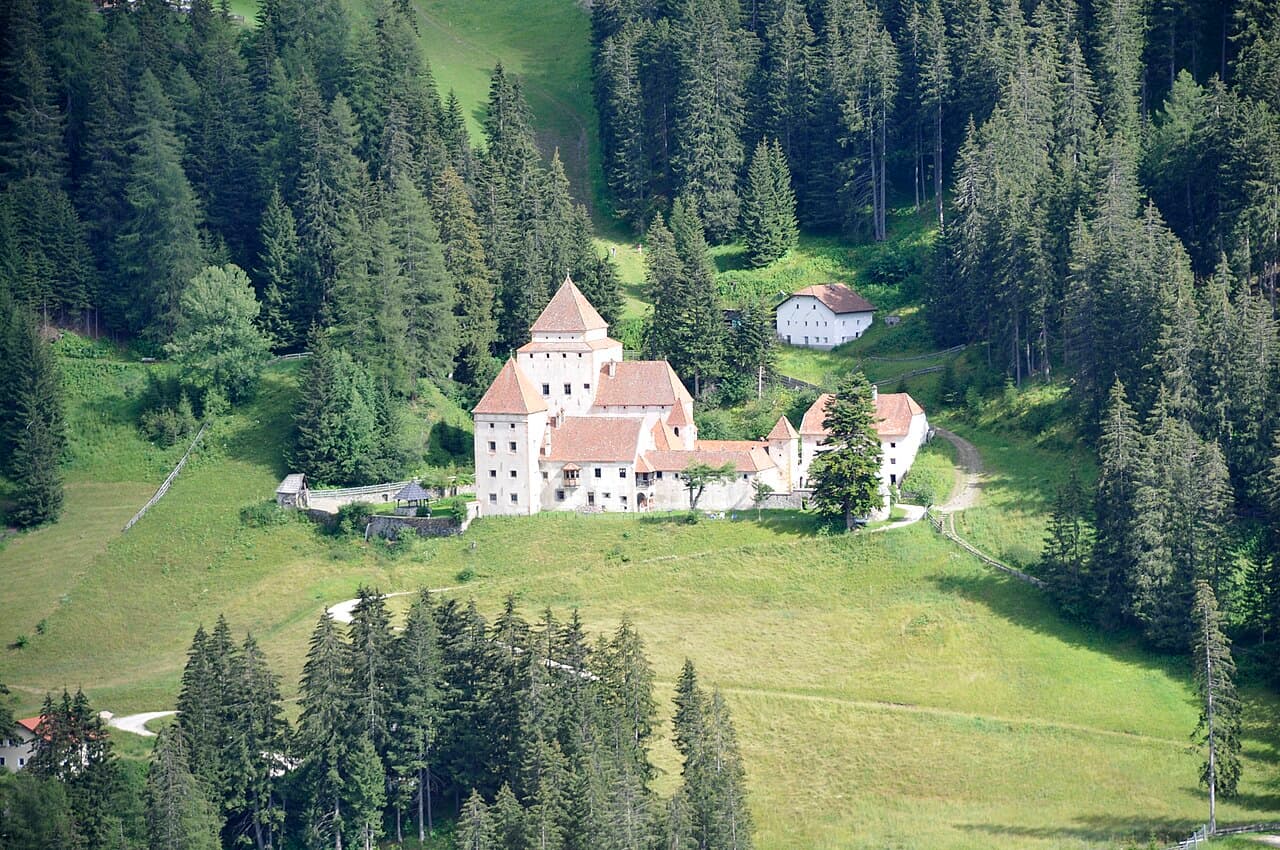
Fischburg Castle, also known as Castel Gardena or Ciastel de Gherdëina, is a remarkable example of a Renaissance hill castle located in Santa Cristina Valgardena, Italy. Built between 1622 and 1641, it was commissioned by Engelhard Dietrich von Wolkenstein-Trostburg as a summer residence and hunting retreat. Despite its imposing medieval appearance, the castle's primary function was leisure rather than military defense, as evidenced by its extensive inventory of hunting weapons and fishing equipment. The castle is uniquely surrounded by numerous fish ponds, which gave the castle its name, reflecting the Wolkenstein family's interest in trout farming and fishing.
Historical background and construction
The construction of Fischburg Castle began in the early 17th century under the direction of Engelhard Dietrich von Wolkenstein-Trostburg, a member of the influential Wolkenstein noble family. The design was created by Hans Reichle, a sculptor and architect trained under the renowned artist Giambologna. The castle was intended as a hunting lodge, reflecting the leisure pursuits of its owner, who was an avid hunter and fisherman. While the castle includes some defensive features, it was never primarily used as a fortress.
During the 17th and 18th centuries, Fischburg served as the seat of the Wolkenstein court, overseeing local administration and justice in the region. The Wolkenstein family also established extensive fish ponds nearby, which supported trout farming and contributed to the castle’s name, meaning "fish castle." This combination of leisure, administration, and resource management illustrates the multifaceted role of the castle in the region.
Architectural features and layout
Fischburg Castle exemplifies Renaissance architectural principles with a layout that balances residential comfort with modest defensive elements. The castle features a prominent main tower, which dominates the structure and provides a commanding view of the surrounding valley. The northern façade and western side face the nearby Saslong ski slope, integrating the castle into the natural landscape.
The castle was constructed using traditional regional materials, ensuring harmony with the surrounding environment. Inside, the castle houses two chapels: one dedicated to Saint Cassian within the castle walls and another devoted to Saint Ulrich at the entrance. Both chapels are protected as cultural monuments under South Tyrol's heritage conservation laws, underscoring their historical and religious significance.
Interior restoration and furnishings
In the early 20th century, Baron Carlo Franchetti of Venice acquired Fischburg Castle and undertook extensive restoration work. He furnished the interiors with antique wood paneling, stoves, and other chattels sourced from South Tyrol and the Val Gardena valley. These restorations aimed to revive the castle’s historical character and preserve the craftsmanship of the region. The interiors today reflect a blend of noble residence aesthetics and regional cultural heritage.
Decline and restoration
By the late 18th century, Fischburg Castle began to deteriorate. Following the disruptions caused by the Napoleonic Wars and French military incursions in the early 19th century, the castle's fortunes waned. In 1826, parts of the castle’s inventory were sold at public auction, signaling a period of decline.
In the mid-19th century, the castle was transferred to the municipality of Santa Cristina with plans to convert it into a retirement home or poorhouse. This change in use contributed to further deterioration. However, in 1926, the castle was purchased by Baron Carlo Franchetti, who restored the building both inside and out, preserving its architectural integrity and historical furnishings.
Surrounding landscape and cultural significance
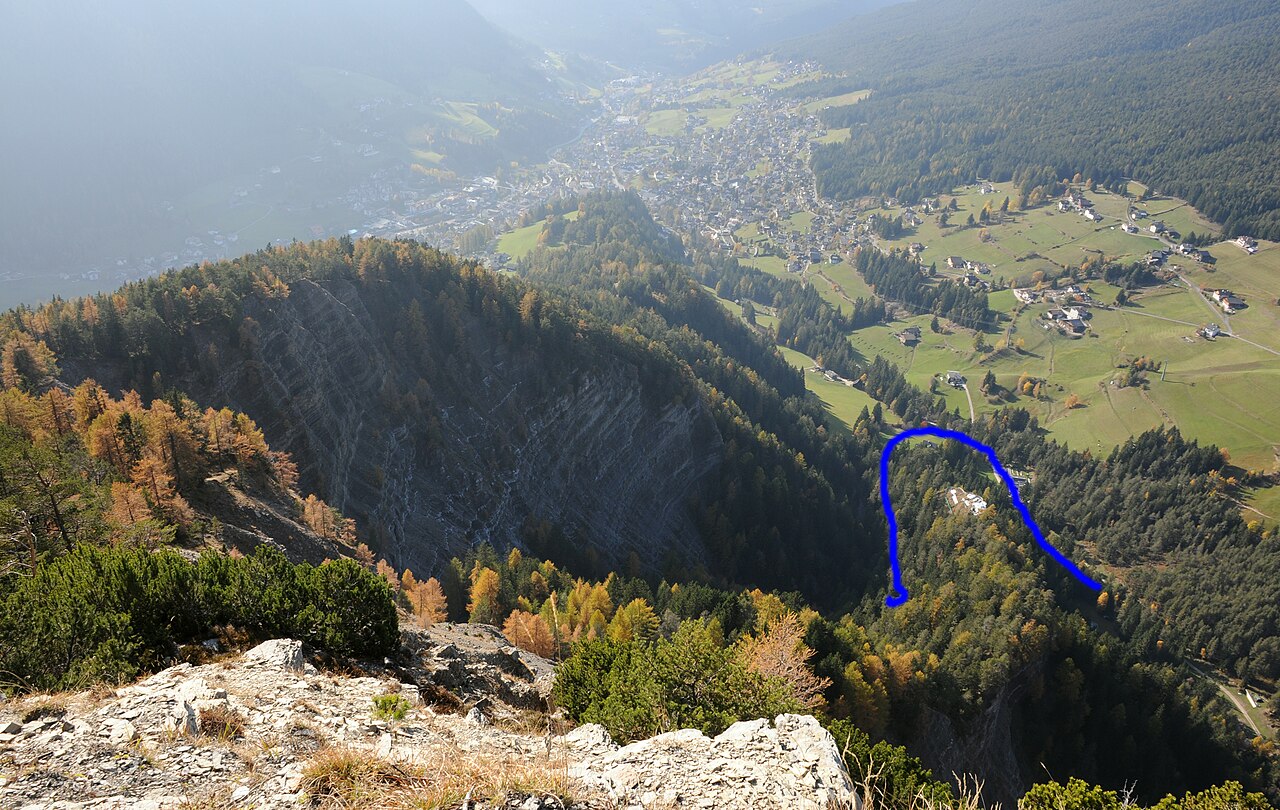
The castle is set amidst a landscape marked by fish ponds historically used for trout farming, a practice initiated by the Wolkenstein family. These ponds remain a distinctive feature of the site, linking the castle to its name and original function as a leisure estate focused on hunting and fishing.
Fischburg Castle also holds cultural significance beyond its architectural and historical value. It served as a filming location for Roman Polanski’s 1967 film Dance of the Vampires, connecting the castle to modern artistic endeavors. The presence of the two chapels within the castle complex further adds to its cultural and religious importance in the region.
Current status and visitor information
Today, Fischburg Castle remains in the possession of the Franchetti family and is well preserved. Its architectural features, chapels, and interiors offer a glimpse into the lifestyle of the Renaissance nobility in South Tyrol. The castle's location near the ski slopes of Val Gardena makes it accessible to visitors interested in history, architecture, and regional culture.
As a protected cultural monument, Fischburg Castle represents a valuable heritage site that illustrates the intersection of noble leisure, regional administration, and resource management in early modern Europe. Its preservation ensures that the legacy of the Wolkenstein family and their contributions to the region are remembered and appreciated.
Frequently asked questions (FAQ)
- How do I get to Fischburg Castle?
- Fischburg Castle is located in Santa Cristina Valgardena, Italy, easily accessible by car or public transport. The nearest major city is Bolzano, from where you can take a bus to Santa Cristina. Once in the village, follow the signs leading to the castle for a pleasant hike.
- What is the historical significance of Fischburg Castle?
- Fischburg Castle dates back to the 12th century and played a crucial role in the region's defense during the Middle Ages. It is a remarkable example of medieval architecture and was once the residence of the noble family of the same name. The castle's history reflects the cultural and political changes in the Dolomites region.
- When was Fischburg Castle built?
- Fischburg Castle was constructed in the early 12th century, making it one of the oldest fortifications in the Val Gardena area. The castle has undergone several renovations over the centuries, preserving its historical essence while adapting to different eras. Its enduring structure showcases the architectural styles of its time.
- Can I visit Fischburg Castle year-round?
- Yes, Fischburg Castle is open to visitors throughout the year, although the best time to visit is during the warmer months from May to October. During this time, the weather is more favorable for exploring the grounds and enjoying the stunning scenery. Be sure to check for any seasonal events or guided tours that may enhance your visit.
- Why is Fischburg Castle a popular tourist attraction?
- Fischburg Castle attracts visitors for its rich history, stunning architecture, and breathtaking views of the Dolomite mountains. The castle offers a unique glimpse into medieval life and serves as a picturesque backdrop for photography. Additionally, its location provides numerous hiking trails and outdoor activities nearby.
- Is it possible to take guided tours of Fischburg Castle?
- Yes, guided tours of Fischburg Castle are available and highly recommended for an in-depth understanding of its history and architecture. Tours typically run during the peak tourist season and provide insights into the castle's past, including its role in local folklore. Check the castle's official website for tour schedules and availability.
- What are the opening hours for Fischburg Castle?
- Fischburg Castle generally opens from 10 AM to 5 PM during the tourist season, with extended hours in July and August. However, these hours may vary, so it's advisable to check ahead before planning your visit. The castle may also have reduced hours during winter months.
- What are the ticket prices for Fischburg Castle?
- Ticket prices for Fischburg Castle are quite reasonable, with discounts available for children, students, and seniors. Typically, adult tickets range from €5 to €10, while children under 12 may enter for free. Special family packages may also be available, making it accessible for everyone.
- Are there any nearby attractions to visit along with Fischburg Castle?
- Yes, there are several nearby attractions including the stunning Val Gardena valley and the Seceda mountain area, both offering fantastic hiking and skiing opportunities. Additionally, the town of Santa Cristina itself is charming, with local shops and restaurants to explore. Don't miss the chance to visit other castles and historical sites in the region to enrich your experience.
Photo gallery

Information
Current owner
Private owner
Loading map...
Visitor reviews
No reviews yet. Been here? Write the first review and help other travelers!
Write the first reviewVisited this castle? Share your experience
Your review helps other travelers and adds first-hand knowledge to our encyclopedia.