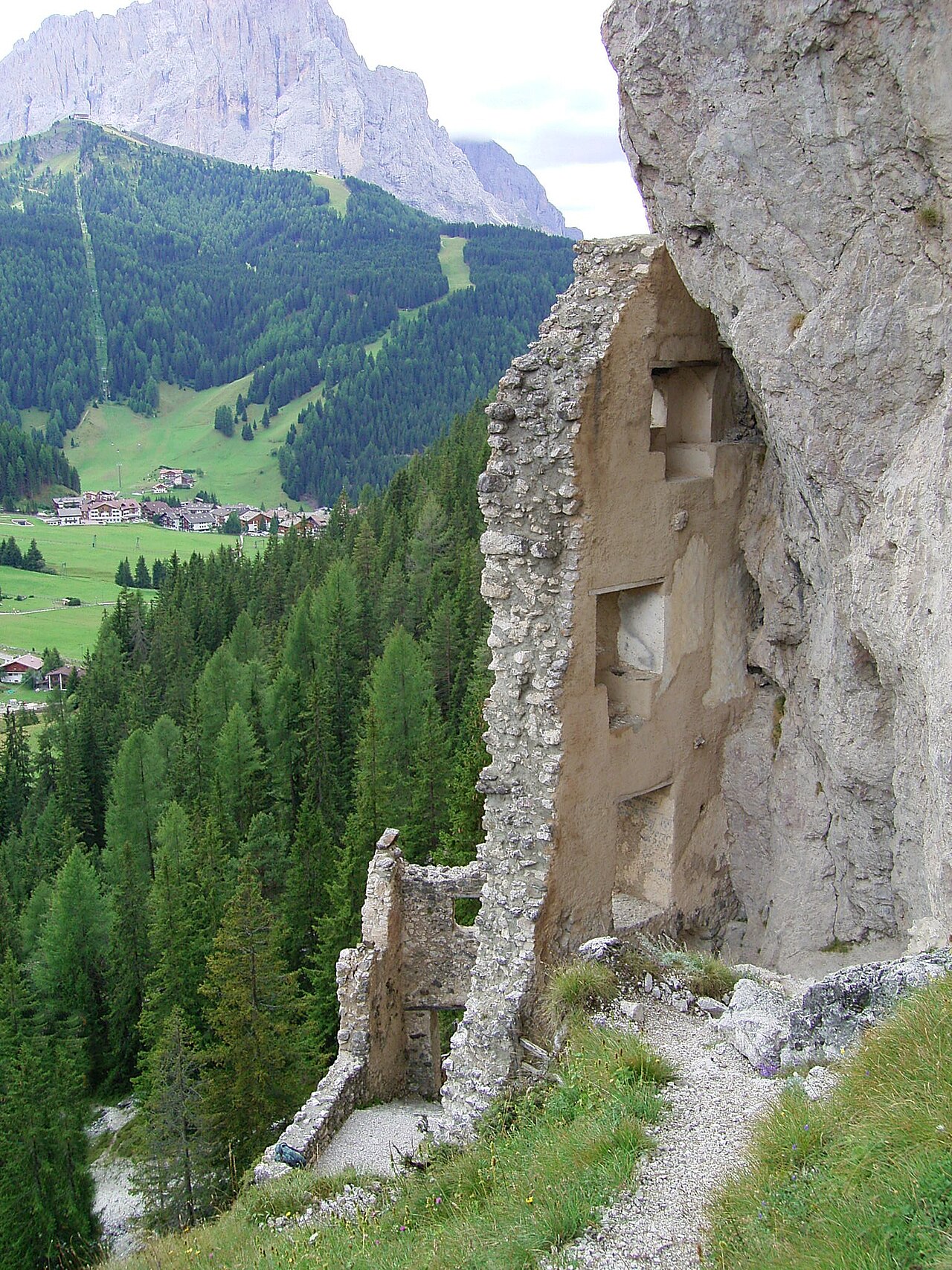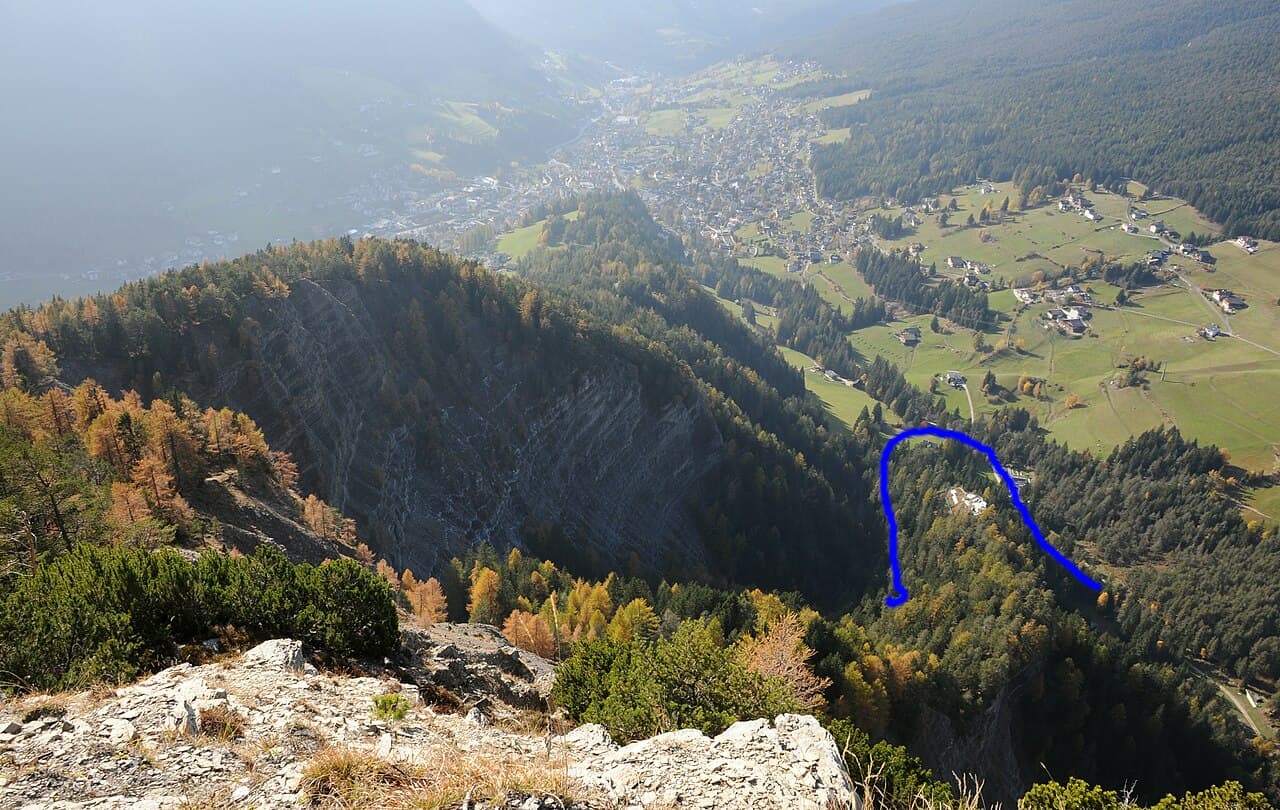
Castle Stetteneck — Italy castle

Castle Stetteneck

Castle stetteneck: a high medieval hill castle in italy
High Medieval (11th–13th c.)

Castle Stetteneck is a notable example of a high medieval hill castle located in Italy, dating back to the 13th century. Its strategic position atop a hill provided significant defensive advantages, typical of castles built during this period to oversee and control surrounding territories.

Historical context and significance

Constructed in the high medieval period, Castle Stetteneck reflects the military and feudal dynamics of its time. The 13th century was marked by frequent territorial disputes and the need for fortified structures to assert control and provide protection. The castle likely served as both a military stronghold and a residence for local nobility or feudal lords, playing a key role in regional governance and defense.

Architectural features and layout

As a hill castle, Castle Stetteneck is characterized by its elevated position, which maximizes visibility and defensibility. The castle's design typically includes robust stone walls, a keep or main tower serving as the stronghold, and battlements for archers and defenders. The layout would have included a courtyard surrounded by various outbuildings such as stables, workshops, and living quarters.

The entrance was likely fortified with a gatehouse and possibly a drawbridge or defensive ditch, common defensive features in hill castles of this era. The use of Romanesque or early Gothic architectural elements would be consistent with the period, including rounded or pointed arches and narrow windows designed for defense.

Construction techniques and materials

The castle was constructed primarily from locally sourced stone, a durable material that provided substantial protection against siege weaponry and the elements. Masonry techniques of the 13th century emphasized thick walls and compact construction to withstand attacks. Timber would have been used for floors, roofing, and internal structures.

Preservation and current condition

While specific details on the current condition of Castle Stetteneck are limited, hill castles from this period often survive in varying states from well preserved to partially restored. Preservation efforts typically focus on maintaining structural integrity and preventing further decay, ensuring the castle remains a cultural and historical landmark.

Cultural and touristic importance

Castle Stetteneck holds cultural significance as a representation of medieval fortification architecture in Italy. It attracts visitors interested in medieval history, architecture, and the feudal era. The castle’s commanding views and historical ambiance provide an immersive experience for tourists and scholars alike.

Visitors can explore the castle’s defensive features, architectural details, and its surrounding landscape, gaining insight into the strategic considerations of medieval castle construction.

Frequently asked questions (FAQ)

How do I get to Castle Stetteneck?
Castle Stetteneck is located in the picturesque area of Italy, easily accessible by car or public transportation. The nearest major city is Bolzano, from where you can take a bus or taxi to reach the castle. Enjoy the scenic drive through the Italian countryside as you approach this historical site.
What is the historical significance of Castle Stetteneck?
Castle Stetteneck, dating back to the 12th century, played a crucial role in the region's defense and governance. It served as a stronghold for local nobility and has witnessed significant historical events throughout the centuries. Today, it stands as a testament to the medieval architecture and strategic importance of the era.
When was Castle Stetteneck built?
Construction of Castle Stetteneck began in the early 12th century, around 1130, and it has undergone several renovations since then. The castle's architecture reflects various styles that evolved over the centuries. Its enduring presence makes it a fascinating site for history enthusiasts.
Can I take guided tours of Castle Stetteneck?
Yes, guided tours of Castle Stetteneck are available, offering visitors in-depth insights into its history and architecture. Tours are typically conducted in multiple languages and last about an hour. Be sure to check the schedule in advance as times may vary throughout the year.
Why is Castle Stetteneck a popular tourist attraction?
Castle Stetteneck is popular for its stunning views of the surrounding landscape and its well-preserved medieval architecture. Visitors are drawn to its rich history and the unique opportunity to explore a castle that has stood the test of time. Additionally, the castle often hosts cultural events that enhance the visitor experience.
Is it possible to host events at Castle Stetteneck?
Yes, Castle Stetteneck offers facilities for hosting various events, including weddings and corporate gatherings. The beautiful surroundings and historic ambiance make it a unique venue. It is advisable to contact the castle administration for details on availability and arrangements.
What are the opening hours for Castle Stetteneck?
Castle Stetteneck is typically open to visitors from 10 AM to 6 PM during the tourist season, which runs from April to October. However, hours may vary during off-peak months, so it is recommended to check the official website for the most current information. Planning your visit during opening hours ensures you have ample time to explore.
What are the ticket prices for visiting Castle Stetteneck?
Ticket prices for Castle Stetteneck are generally affordable, with discounts available for students and seniors. A standard adult ticket costs around €8, while children under 12 can enter for free. Group rates are also offered, making it a great option for schools and tour groups.
What is the best time to visit Castle Stetteneck?
The best time to visit Castle Stetteneck is during the spring and early autumn months, when the weather is mild and the surrounding landscapes are vibrant. These seasons also feature fewer crowds, allowing for a more enjoyable experience. Additionally, you can enjoy seasonal events and festivals that may be taking place during your visit.
Are there any nearby attractions to visit after Castle Stetteneck?
Yes, there are several attractions near Castle Stetteneck, including the charming town of Bolzano and the breathtaking Dolomites. Visitors can explore local museums, hiking trails, and vineyards in the area. Each destination offers its own unique cultural and natural experiences, making it easy to fill your day with adventure.

Photo gallery

Castle Stetteneck
Click to view

Photo by Wolfgang Moroder•CC BY-SA 3.0

1 photo • Click any image to view in full screen

Information

Hill Castle

Loading map...

Visitor reviews

No reviews yet. Been here? Write the first review and help other travelers!

Write the first review

Visited this castle? Share your experience

Your review helps other travelers and adds first-hand knowledge to our encyclopedia.
Write a review

(5/5)

0/2000 characters

Your review will be visible after admin approval

Nearby castles

4.3 km
Fischburg Castle — Italy castle

Fischburg Castle

Santa Cristina Valgardena, Italy

Fischburg Castle, also known as Castel Gardena or Ciastel de Gherdëina, is a remarkable example of a Renaissance hill castle located in Santa Cristina Valgardena, Italy. Built between 1622 and 1641, it was commissioned by Engelhard Dietrich von Wolkenstein-Trostburg as a summer residence and hunting retreat. Despite its imposing medieval appearance, the castle's primary function was leisure rather than military defense, as evidenced by its extensive inventory of hunting weapons and fishing equipment. The castle is uniquely surrounded by numerous fish ponds, which gave the castle its name, reflecting the Wolkenstein family's interest in trout farming and fishing. Historical background and construction The construction of Fischburg Castle began in the early 17th century under the direction of Engelhard Dietrich von Wolkenstein-Trostburg, a member of the influential Wolkenstein noble family. The design was created by Hans Reichle, a sculptor and architect trained under the renowned artist Giambologna. The castle was intended as a hunting lodge, reflecting the leisure pursuits of its owner, who was an avid hunter and fisherman. While the castle includes some defensive features, it was never primarily used as a fortress. During the 17th and 18th centuries, Fischburg served as the seat of the Wolkenstein court, overseeing local administration and justice in the region. The Wolkenstein family also established extensive fish ponds nearby, which supported trout farming and contributed to the castle’s name, meaning "fish castle." This combination of leisure, administration, and resource management illustrates the multifaceted role of the castle in the region. Architectural features and layout Fischburg Castle exemplifies Renaissance architectural principles with a layout that balances residential comfort with modest defensive elements. The castle features a prominent main tower, which dominates the structure and provides a commanding view of the surrounding valley. The northern façade and western side face the nearby Saslong ski slope, integrating the castle into the natural landscape. The castle was constructed using traditional regional materials, ensuring harmony with the surrounding environment. Inside, the castle houses two chapels: one dedicated to Saint Cassian within the castle walls and another devoted to Saint Ulrich at the entrance. Both chapels are protected as cultural monuments under South Tyrol's heritage conservation laws, underscoring their historical and religious significance. Interior restoration and furnishings In the early 20th century, Baron Carlo Franchetti of Venice acquired Fischburg Castle and undertook extensive restoration work. He furnished the interiors with antique wood paneling, stoves, and other chattels sourced from South Tyrol and the Val Gardena valley. These restorations aimed to revive the castle’s historical character and preserve the craftsmanship of the region. The interiors today reflect a blend of noble residence aesthetics and regional cultural heritage. Decline and restoration By the late 18th century, Fischburg Castle began to deteriorate. Following the disruptions caused by the Napoleonic Wars and French military incursions in the early 19th century, the castle's fortunes waned. In 1826, parts of the castle’s inventory were sold at public auction, signaling a period of decline. In the mid-19th century, the castle was transferred to the municipality of Santa Cristina with plans to convert it into a retirement home or poorhouse. This change in use contributed to further deterioration. However, in 1926, the castle was purchased by Baron Carlo Franchetti, who restored the building both inside and out, preserving its architectural integrity and historical furnishings. Surrounding landscape and cultural significance The castle is set amidst a landscape marked by fish ponds historically used for trout farming, a practice initiated by the Wolkenstein family. These ponds remain a distinctive feature of the site, linking the castle to its name and original function as a leisure estate focused on hunting and fishing. Fischburg Castle also holds cultural significance beyond its architectural and historical value. It served as a filming location for Roman Polanski’s 1967 film Dance of the Vampires, connecting the castle to modern artistic endeavors. The presence of the two chapels within the castle complex further adds to its cultural and religious importance in the region. Current status and visitor information Today, Fischburg Castle remains in the possession of the Franchetti family and is well preserved. Its architectural features, chapels, and interiors offer a glimpse into the lifestyle of the Renaissance nobility in South Tyrol. The castle's location near the ski slopes of Val Gardena makes it accessible to visitors interested in history, architecture, and regional culture. As a protected cultural monument, Fischburg Castle represents a valuable heritage site that illustrates the intersection of noble leisure, regional administration, and resource management in early modern Europe. Its preservation ensures that the legacy of the Wolkenstein family and their contributions to the region are remembered and appreciated.

Renaissance (15th–17th c.)
Details
6.4 km
Castle Wolkenstein — Italy castle

Castle Wolkenstein

, Italy

Castle Wolkenstein is a notable hill castle located in northern Italy, distinguished by its commanding position on a rocky outcrop. This strategic location allowed it to oversee and control important mountain passes, serving both defensive and administrative functions during the medieval period. The castle's origins trace back to the High Medieval era, with construction likely beginning in the 13th century, a time when fortifications were essential for regional power and protection. Historical context and significance The castle played a crucial role in the control of trade routes and local territories in the mountainous regions of northern Italy. It was part of a network of fortifications that secured the area against invasions and rival noble families. Throughout its history, Castle Wolkenstein was owned and managed by various noble families who contributed to its expansion and fortification, adapting its structure to the evolving military technologies and political needs of the time. Architectural features and layout The castle exemplifies typical hill castle architecture with its integration into the natural rocky landscape, enhancing its defensive capabilities. Its main features include a central keep or donjon, surrounded by thick stone walls and a series of defensive towers strategically placed to cover all approaches. The walls are punctuated by battlements and arrow slits, which allowed defenders to repel attackers while remaining protected. The entrance is fortified with a gatehouse and possibly a drawbridge, common in medieval fortifications to control access. Inside the castle grounds, there would have been living quarters, a great hall for gatherings and administration, storage rooms, and possibly a chapel, reflecting the self-sufficient nature of such fortresses. Defensive elements Castle Wolkenstein features multiple layers of defense including a curtain wall and a fortified gate complex. The castle's elevated position provided natural protection, while the man-made defenses ensured that it could withstand sieges. The use of narrow staircases and confined spaces inside the castle was a deliberate design to slow down invading forces. Preservation and current status Today, Castle Wolkenstein remains a significant historical monument, although it is partially preserved with some sections in ruins. Efforts have been made to stabilize and restore parts of the structure to prevent further decay and to make it accessible to visitors interested in medieval architecture and history. Its setting offers spectacular views of the surrounding landscape, attracting tourists and scholars alike. Cultural and touristic importance The castle is a valued cultural heritage site, representing the medieval history of northern Italy and the architectural ingenuity of the era. It is often included in regional tours and hiking routes due to its location and historical significance. Visitors can explore the remains, learn about the castle's role in local history, and appreciate the rugged beauty of its mountainous environment. Visitor information Access to Castle Wolkenstein typically involves a hike up the hill on which it stands, so visitors should be prepared for uneven terrain. The site may have limited facilities, emphasizing the importance of planning ahead. Guided tours or informational signage may be available to enrich the visitor experience.

High Medieval (11th–13th c.)
Details
10.1 km

Summersberg Castle

Gudon, Italy

Summersberg Castle, located in Gudon, Italy, is a significant example of a late medieval fortress with origins dating back to the 14th century. The castle's most ancient structure is the distinctive round Witch Tower, which stands as a testament to the defensive architectural techniques of the period. This tower was originally constructed in the 14th century, serving as a key fortification element designed to provide a vantage point and protection against invaders. Architectural evolution through centuries Over the course of several centuries, Summersberg Castle underwent numerous extensions and modifications. These changes span from the 15th to the 18th centuries, reflecting evolving military technologies and residential needs. The castle's fabric demonstrates a blend of architectural styles and construction methods that correspond with these periods, showcasing adaptations such as reinforced walls, expanded living quarters, and updated defensive features. The Witch Tower The Witch Tower is the castle's oldest and most iconic structure. Its round shape was typical for watchtowers and defensive turrets in the late medieval period, allowing for a wider field of view and better deflection of projectiles. The tower's thick stone walls and narrow slit windows were designed for archers and lookouts, emphasizing its role in surveillance and defense. Later additions and structural enhancements Following the initial construction, the castle saw significant additions that expanded its footprint and enhanced its functionality. The 15th-century expansions likely included the addition of curtain walls and bastions to improve fortification against artillery, which became more prominent in warfare during this time. By the 18th century, residential and administrative buildings were integrated, reflecting a shift towards more comfortable living spaces within the castle complex. Historical ownership and significance Summersberg Castle was under the ownership of the Counts of Wolkenstein from 1619 to 1828. The Wolkenstein family was a notable noble lineage in the region, and their stewardship likely influenced the castle's maintenance and status as a regional power center. Their tenure coincided with periods of political and military change in northern Italy, which may have necessitated the castle's fortification upgrades. In 1880, the castle was purchased by Ignaz Vinzenz Zingerle, a figure known for his contributions to the cultural and literary heritage of the region. The Zingerle family has retained ownership since then, preserving the castle as a private estate. This continuity of ownership has helped maintain the castle's historical integrity and prevented extensive modern alterations. Architectural features and layout The castle's layout is typical of a hill castle, positioned strategically to oversee the surrounding landscape and control local routes. The combination of defensive towers, curtain walls, and residential buildings illustrates the dual military and domestic functions of the complex. The Witch Tower remains a focal point, with its sturdy masonry and commanding views. The curtain walls, reinforced over the centuries, create a secure perimeter enclosing courtyards and ancillary buildings. Inside, the castle contains halls and chambers that reflect the changing tastes and requirements of its noble inhabitants, including later period renovations that introduced more comfortable living quarters and decorative elements. Defensive elements Summersberg Castle's defenses include thick stone walls, battlements, and narrow arrow slits designed for archers. The elevated position on a hill enhances its defensive capacity by providing natural barriers and visibility. The castle's gatehouse and entrance pathways were likely designed to slow and expose attackers, a common feature in medieval fortifications. Preservation and current status Today, Summersberg Castle is well preserved, retaining much of its medieval character despite the centuries of change. The castle is privately owned by the descendants of the Zingerle family, who have maintained the property carefully. While not generally open to the public, the castle remains an important cultural landmark in the region and a subject of interest for historians and architectural scholars. The castle's combination of medieval fortifications and later residential adaptations offers valuable insight into the evolution of noble residences in northern Italy from the 14th century onward. Its survival through periods of conflict and change highlights the resilience of such structures and their ongoing significance in the cultural landscape.

Late Medieval (14th–15th c.)
Details