Fischbach Castle
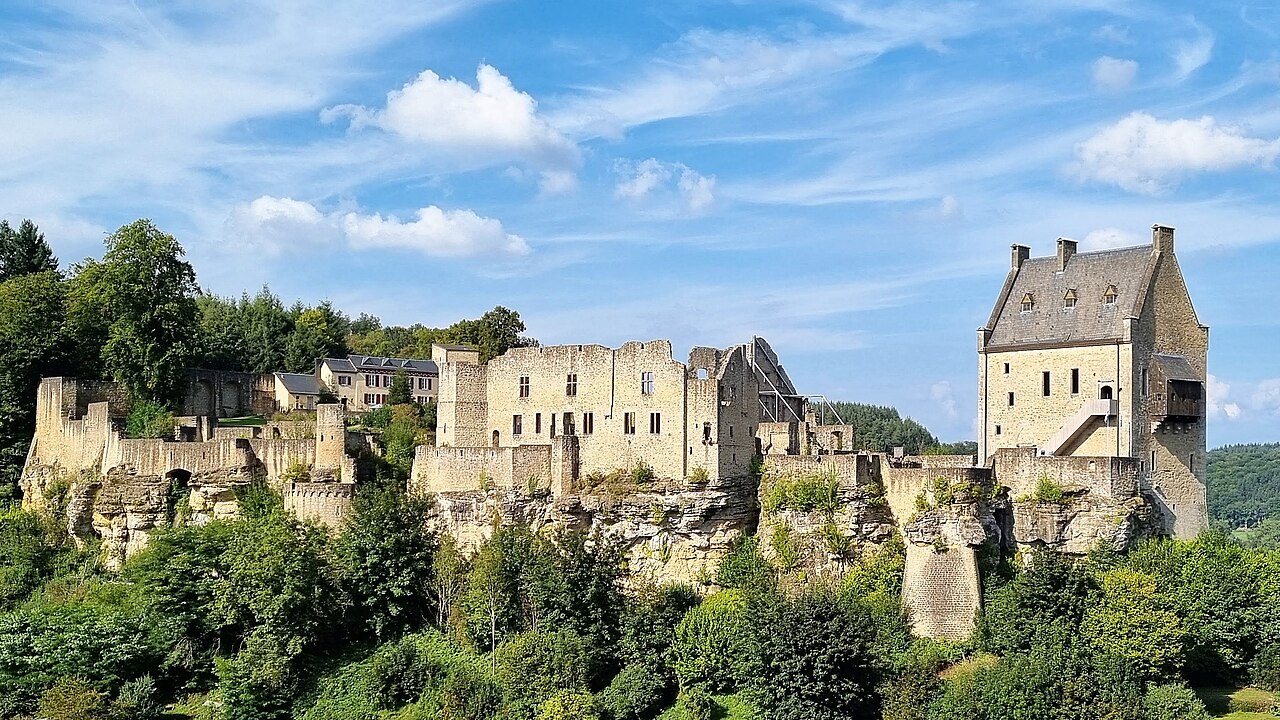
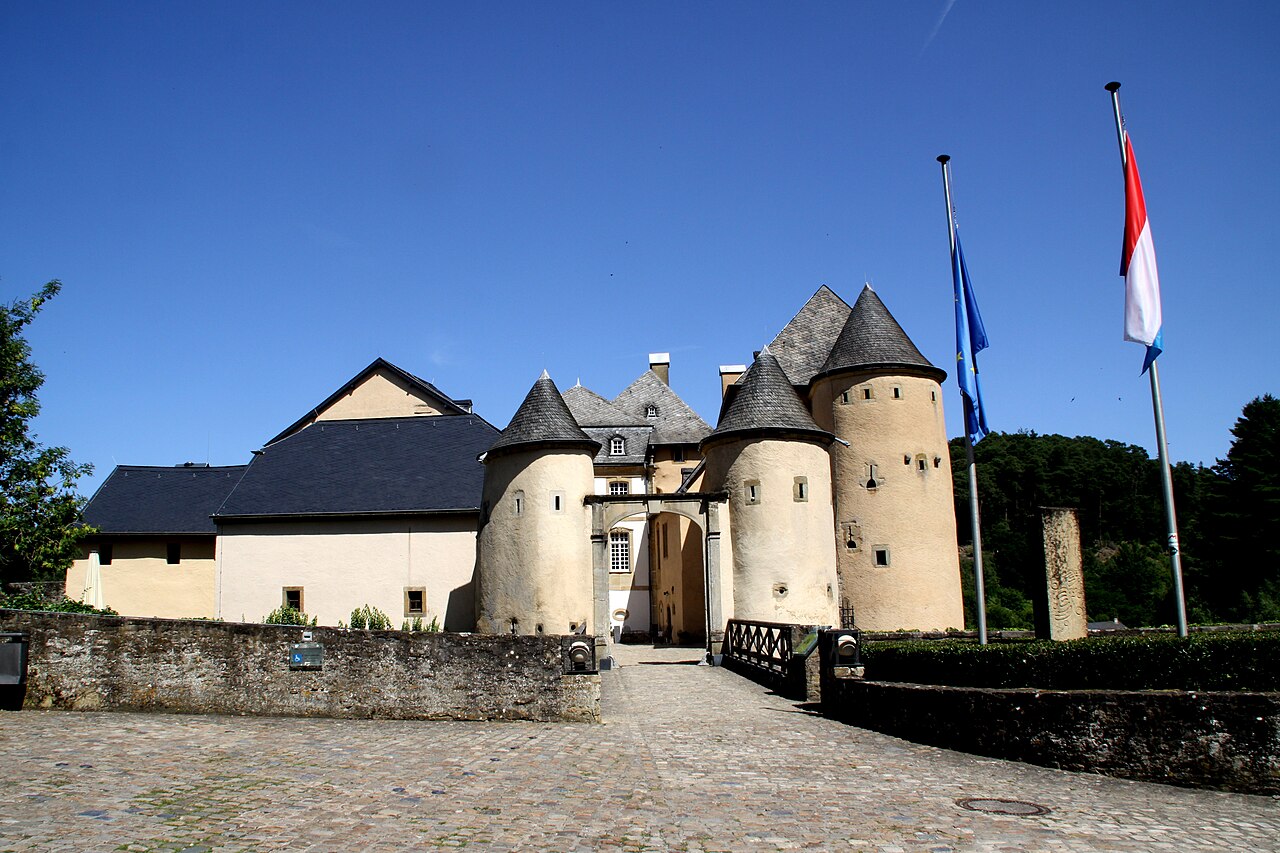
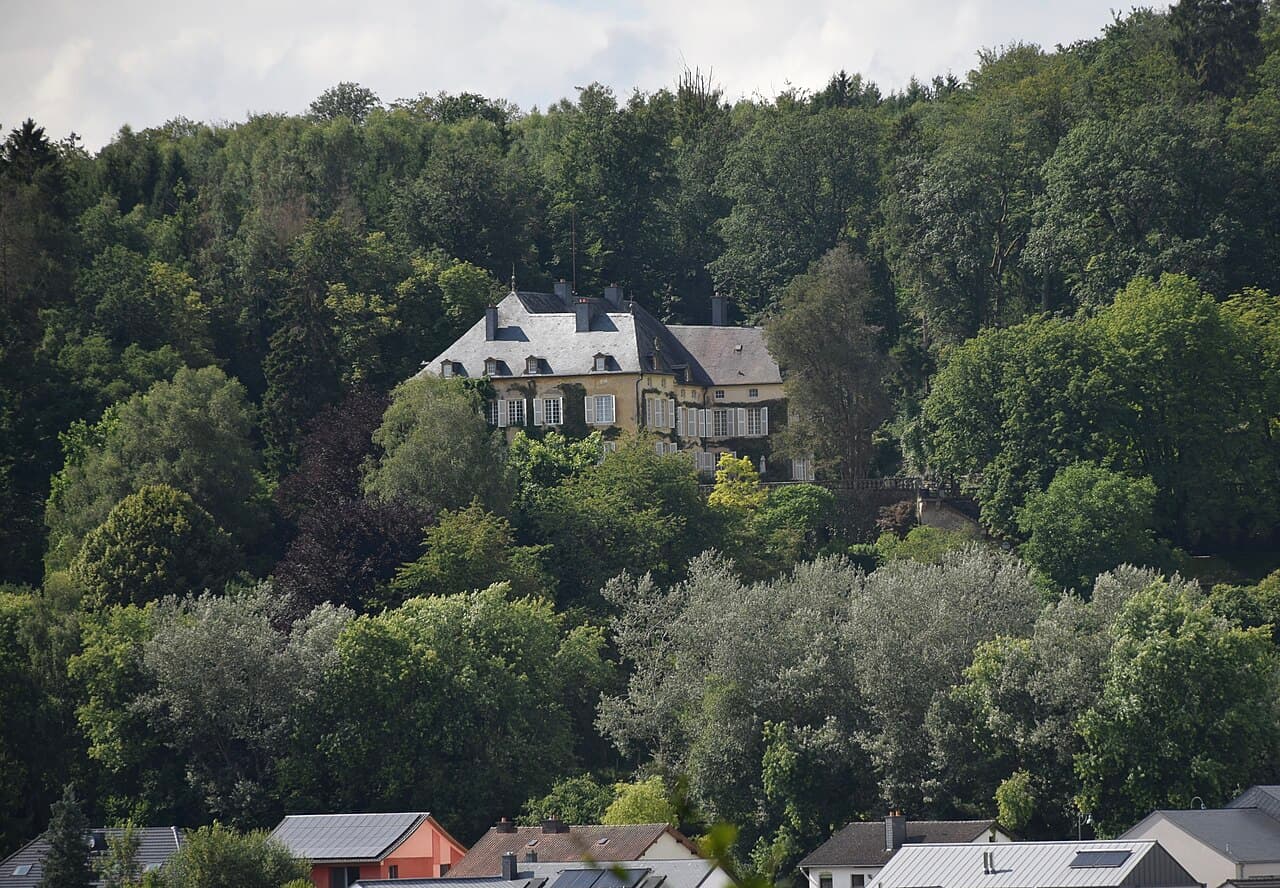
Fischbach Castle (Luxembourgish: Schlass Fëschbech, French: Château de Fischbach, German: Schloss Fischbach) is a prominent hill castle located near the town of Fischbach in central Luxembourg. This castle holds significant historical and architectural value, reflecting the region's medieval heritage and later adaptations.
Historical background and location
Situated on an elevated site, Fischbach Castle overlooks the surrounding landscape, a strategic position typical of hill castles built during the medieval period. The castle's origins date back several centuries, although exact construction dates are not definitively recorded, placing it generally within the High Medieval period. The castle's location near Fischbach town allowed it to serve as a defensive stronghold and a noble residence overseeing local territories.
Architectural features and structure
The castle exemplifies typical hill castle architecture, featuring robust stone walls adapted to the natural terrain. While detailed architectural plans are scarce, Fischbach Castle likely included a fortified keep or donjon, curtain walls, and defensive towers. The elevated position would have enabled clear sightlines for surveillance and defense against potential invaders.
Over time, the castle underwent various modifications, reflecting changing military technologies and residential needs. Some elements may show influences from later architectural styles, but the predominant character remains medieval.
Role in regional history
Fischbach Castle played a part in the feudal system of Luxembourg and the broader region, serving as a residence for local lords and a center of administration. Its strategic location made it a point of interest during regional conflicts and power struggles, although it did not feature prominently in major battles documented in Luxembourg's history.
The castle's ownership likely shifted among noble families, adapting to the political landscape of Luxembourg through the centuries.
Current condition and preservation
Today, Fischbach Castle stands as a partially preserved structure, retaining significant portions of its original medieval fabric. Efforts to maintain and restore the castle have helped preserve its historical essence, making it accessible for visitors interested in Luxembourg's medieval heritage.
The castle is not only a cultural landmark but also a testament to the architectural and historical developments of hill castles in the region.
Visiting Fischbach Castle
Visitors to Fischbach Castle can explore its grounds and appreciate the castle's setting within the Luxembourgish landscape. While some areas may be restricted due to preservation work or private ownership, the castle remains an important destination for those interested in medieval architecture and Luxembourg's history.
Nearby, the town of Fischbach offers additional cultural and historical attractions, enhancing the visitor experience in this part of central Luxembourg.
Frequently asked questions (FAQ)
- What is the historical significance of Fischbach Castle?
- Fischbach Castle served as a medieval hill castle overseeing local territories in central Luxembourg, reflecting the feudal system and regional defense strategies.
- Can I visit Fischbach Castle?
- Yes, visitors can explore the grounds of Fischbach Castle, although some areas may be restricted due to preservation efforts or private ownership.
- Where is Fischbach Castle located?
- Fischbach Castle is located near the town of Fischbach in central Luxembourg, positioned on a strategic hilltop for defense and surveillance.
- What architectural style characterizes Fischbach Castle?
- Fischbach Castle primarily reflects medieval hill castle architecture with robust stone walls and defensive features adapted to its elevated terrain.
Photo gallery

Information
Loading map...
Visitor reviews
No reviews yet. Been here? Write the first review and help other travelers!
Write the first reviewVisited this castle? Share your experience
Your review helps other travelers and adds first-hand knowledge to our encyclopedia.