Finkenstein Castle
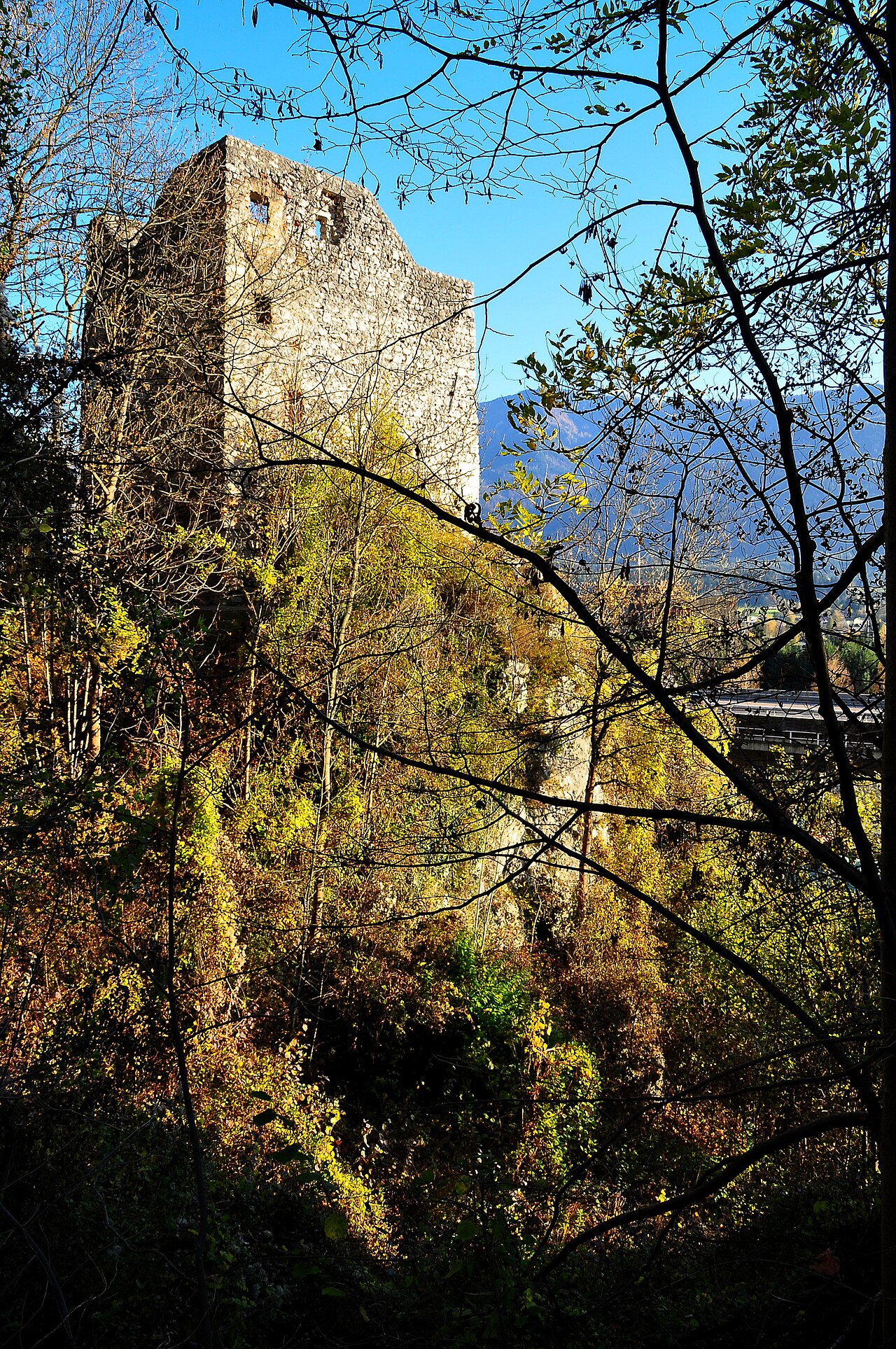
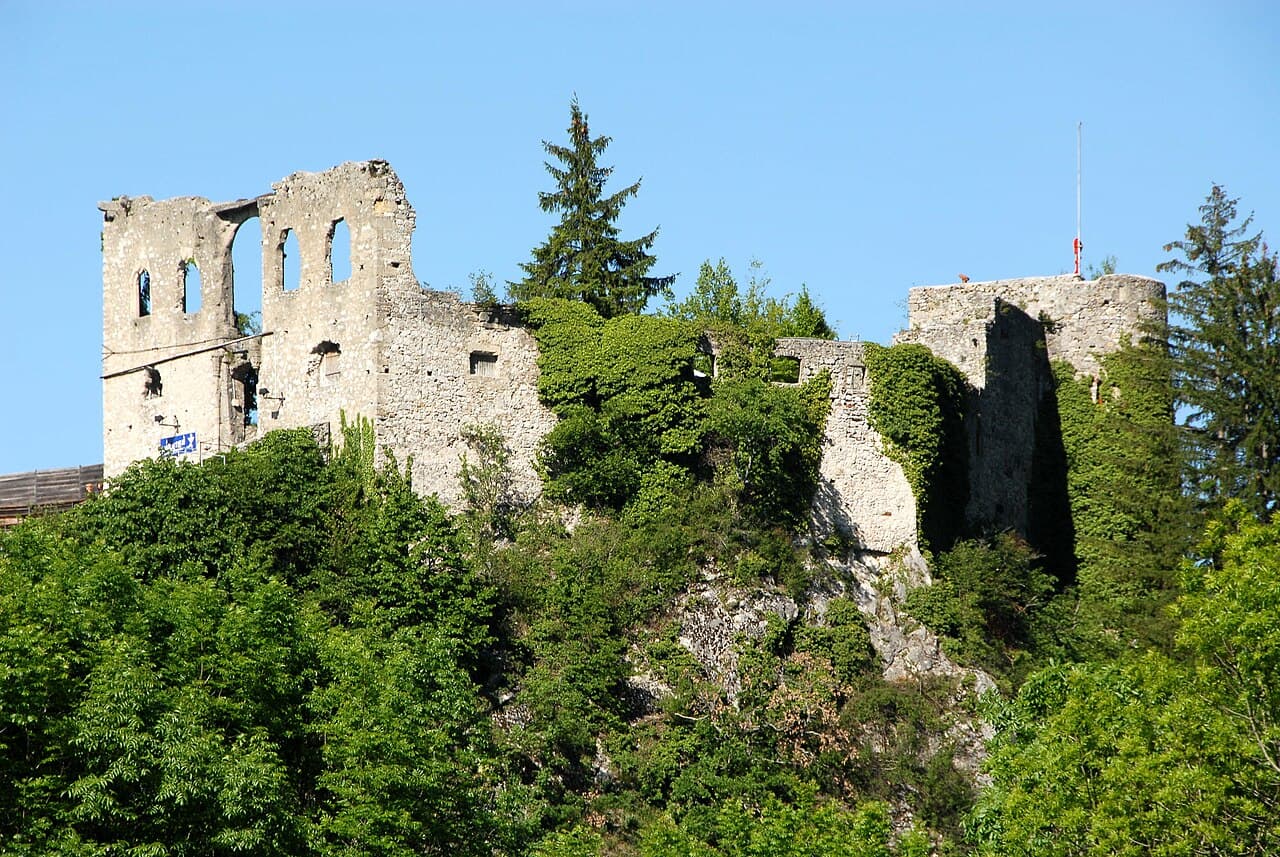
Finkenstein Castle, also known as Altfinkenstein, is a significant high medieval fortress located in the market town of Finkenstein am Faaker See in the Austrian state of Carinthia. Perched on a steep cliff at the southern foot of the Karawanks mountain range, the castle commands a strategic position high above Lake Faak at an elevation of 788 metres (2,585 feet). Its commanding location provided both a defensive advantage and a wide view of the surrounding landscape, a typical feature of hill castles constructed during the medieval period.
Early history and ownership
The first documented mention of Finkenstein Castle dates back to 1142. Initially, it was under the ownership of the Dukes of Carinthia, a powerful regional dynasty during the high medieval period. The castle was granted to their ministeriales, a class of unfree knights who managed estates and military duties for their lords. These ministeriales adopted the name von Finkenstein, directly linking their identity to the castle itself.
In 1223, a notable dispute arose between Heinrich von Finkenstein and Bishop Henry of Bamberg, the owner of the nearby Federau Castle. The conflict concerned the rights to cross the Gail River, highlighting the strategic and economic importance of the region’s waterways and castle-controlled territories. This episode illustrates the typical medieval tensions between secular and ecclesiastical powers.
Following the extinction of the Carinthian Finkenstein family in the early 14th century, ownership reverted to the Dukes of Carinthia. In 1335, the Habsburg dynasty assumed control of Carinthia, including Finkenstein Castle. Later, in 1493, Emperor Maximilian I, who was also Duke of Carinthia, granted the castle and its associated lands to his loyal vassal Sigismund von Dietrichstein. The Dietrichstein family maintained possession of the castle until 1861.
Architectural features and development
The castle’s oldest surviving elements are Romanesque in style, reflecting its initial construction phase in the 12th century. These features include thick stone walls and rounded arches typical of Romanesque military architecture. In the second half of the 16th century, the castle underwent significant reconstruction and expansion in the late Gothic style, which introduced pointed arches, ribbed vaults, and more elaborate defensive structures.
At the beginning of the 17th century, four gates were constructed in the High Castle section, enhancing its fortification system. One of the most prominent remnants today is the 15-metre-high end wall of the former palace, which stands as a testament to the castle’s former grandeur and defensive capabilities.
Defensive structures and layout
The castle was strategically designed with multiple defensive layers, including curtain walls, towers, and gates. Its position on a steep cliff naturally protected it on several sides, while man-made fortifications secured the more accessible approaches. The castle complex included a courtyard, residential quarters, and various outbuildings necessary for sustaining its inhabitants during sieges.
Decline and present condition
By the end of the 18th century, Finkenstein Castle was abandoned and fell into ruin. The lack of maintenance and changing military technologies rendered many medieval castles obsolete. Today, only the ruins remain, providing valuable archaeological insights into medieval castle construction and life.
Despite its ruined state, the castle remains a cultural landmark in Carinthia. The site now serves as the dramatic backdrop for the Burgarena, an amphitheatre with a seating capacity of 1,150. This venue hosts concerts and festivals, integrating the historic ruins into contemporary cultural life.
Location and cultural significance
Situated at the southern edge of the Karawanks mountain range, the castle overlooks the picturesque Lake Faak and the surrounding alpine landscape. Its location not only provided military advantages but also symbolized the power and prestige of its owners throughout the centuries.
The castle’s ruins attract visitors interested in medieval history, architecture, and scenic views. It is an important heritage site that reflects the complex feudal history of Carinthia and the broader region influenced by the Habsburg dynasty.
Visitor experience
Visitors to Finkenstein Castle can explore the ruins and enjoy panoramic views of the lake and mountains. The adjacent Burgarena offers a unique cultural experience by combining historical ambiance with modern entertainment. The site is accessible by local roads and is a popular destination for tourists exploring Carinthia’s medieval heritage and natural beauty.
Frequently asked questions (FAQ)
- When was Finkenstein Castle first mentioned in historical records?
- Finkenstein Castle was first mentioned in historical documents in 1142, marking its significance in the high medieval period.
- What architectural styles are present in Finkenstein Castle?
- The castle features original Romanesque elements from its 12th-century construction and late Gothic modifications from the 16th century.
- Is Finkenstein Castle accessible to visitors today?
- Yes, visitors can explore the ruins and enjoy the scenic views. The site also hosts the Burgarena amphitheatre, which offers concerts and cultural events.
- What is the historical significance of the Dietrichstein family in relation to the castle?
- The Dietrichstein family acquired the castle in 1493 from Emperor Maximilian I and maintained ownership until 1861, playing a key role in its history.
- Why is Finkenstein Castle considered strategically important?
- Its location on a steep cliff above Lake Faak provided natural defenses and control over the surrounding region, typical for hill castles of the medieval era.
Photo gallery

Information
Current owner
Private owner
Loading map...
Visitor reviews
No reviews yet. Been here? Write the first review and help other travelers!
Write the first reviewVisited this castle? Share your experience
Your review helps other travelers and adds first-hand knowledge to our encyclopedia.