Burgruine Federaun
Burgruine Federaun stands as a significant high medieval hill castle ruin nestled in the municipality of Villach, within the Austrian region of Carinthia. Established in the 13th century, this fortress was constructed under the influence of the Bamberg ecclesiastical principality, serving as a vital stronghold to control regional trade routes and territorial access.
The castle's strategic position atop a rocky promontory overlooking the Gail River allowed it to dominate an important crossing point on the road connecting Villach to Tarvis, a key commercial artery between Italy and the surrounding territories. This location not only provided military advantage but also control over the movement of goods and people, marking it as a crucial asset in medieval power dynamics.
Historical significance and medieval conflicts
Historical records trace the castle's prominence back to at least the late 12th century, with its role intensifying in the mid-13th century when Rudolf von Ras, a nobleman from Rosegg in the nearby Rosental valley, seized the fortress. From this base, Rudolf launched raids on trade caravans, disrupting commerce along the vital road. His actions prompted military intervention by Heinrich, Bishop of Bamberg, who in 1255 led forces to expel Rudolf, restoring control to the Bamberg principality.
Following this event, the castle remained under ecclesiastical authority, maintaining its role as a regional administrative and defensive center. However, by the early modern period, its military significance waned, and the fortress gradually fell into disuse and decline, likely before the 17th century. No further notable military or administrative functions are documented beyond this time.
Architectural layout and defensive features
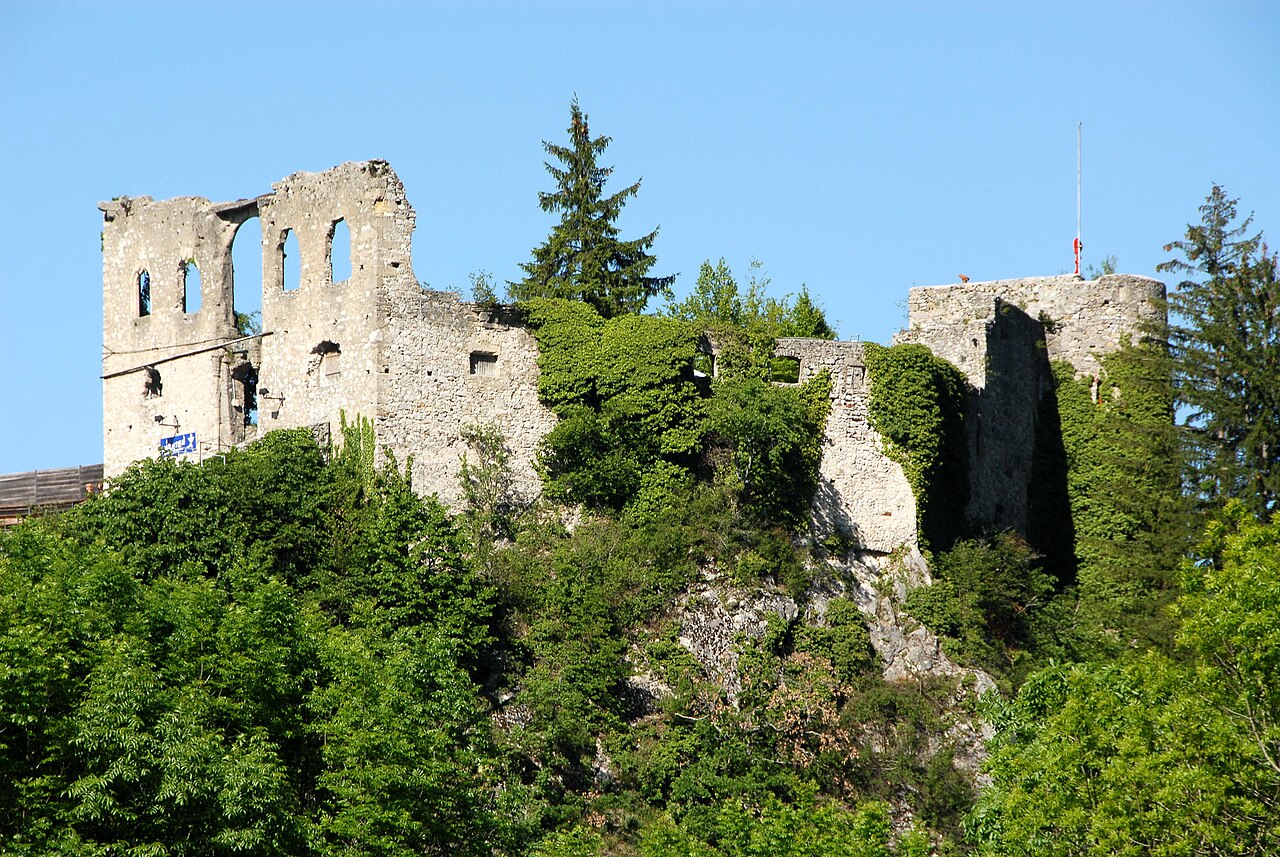
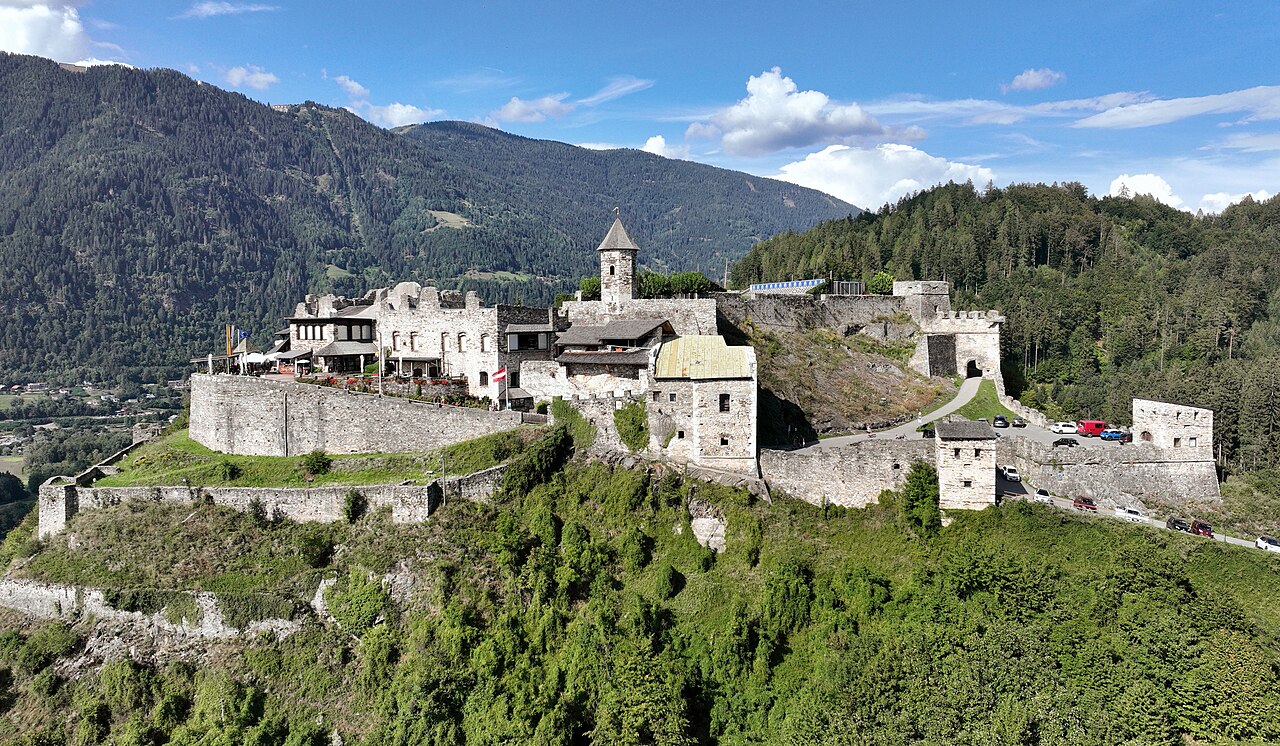
The castle complex occupies the western end of a ridge, originally dating to the late 12th century. Over the centuries, the site expanded eastward to include two large outer baileys, or Vorburgs, creating an unusually extensive fortified area for its era. The main castle's massive front façade once dominated the ridge, though today only fragments of these walls remain.
Among the surviving architectural elements, the courtyard houses a remarkably well-preserved conical cistern constructed with finely arranged brickwork. This cistern was essential for collecting and storing water, a critical resource for sustaining the castle's inhabitants during sieges or dry periods.
Another notable feature is a vaulted building within the castle grounds. While its exact date is uncertain, the vaulting demonstrates advanced masonry techniques of the period and has endured remarkably well, offering valuable insight into medieval construction methods.
The eastern side of the fortress was protected by a deep defensive trench known as a neck ditch, designed to hinder attackers approaching from that direction. This feature highlights the strategic planning invested in the castle's defense, emphasizing control over vulnerable access points.
Bridge watchtower and surrounding structures
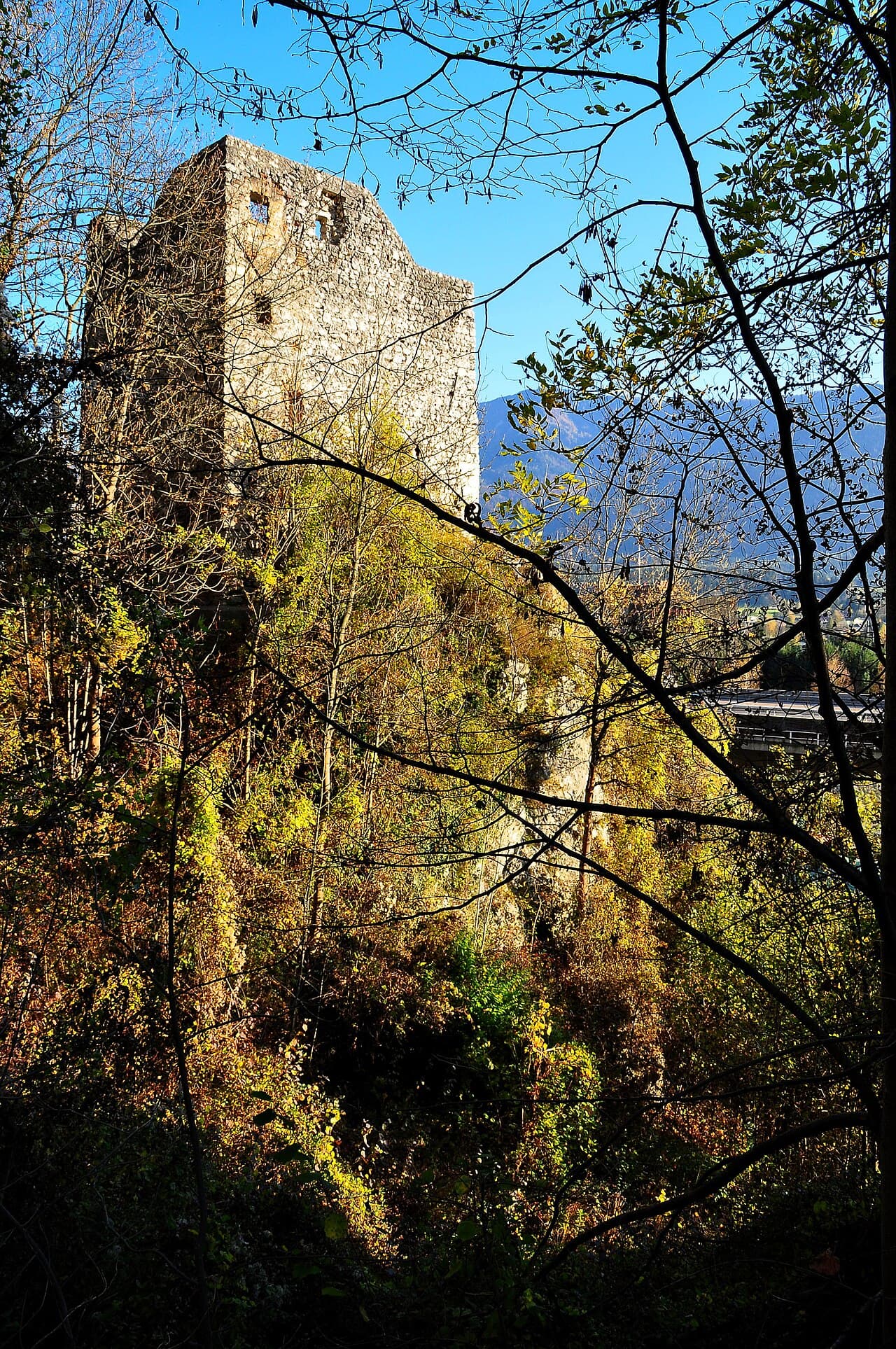
Extending down to the Gail River, the castle controlled a crucial crossing via a bridge watchtower perched on a rock above the river. Initially built as a defensive barrier to regulate passage along the road, this tower was later adapted for residential use. Its elevated position allowed for effective surveillance of traffic and reinforced the castle's dominion over the landscape.
Historical documents also mention a second tower near the main site, though its precise location remains unknown. The fortress overlooks the nearby Fürnitz marshalling yard, underscoring its commanding view over important transportation networks that have evolved through centuries.
Current condition and access
Today, Burgruine Federaun exists as a ruin with substantial masonry remains from both the main stronghold and the outer baileys. The site is accessible via paths from the east and west, following original routes that connected the castle with nearby settlements such as Warmbad/Graschelitzen and Oberfederaun. These paths traverse rugged and steep terrain, reflecting the fortress's naturally defensible position.
The ruins provide a tangible connection to the medieval past, with surviving walls, defensive earthworks, and architectural features that illustrate the complexity of the castle's design and its role in regional history. Visitors can explore the remnants of the castle's fortifications, the cistern, vaulted structures, and the strategic neck ditch, gaining insight into the life and military architecture of a high medieval hill castle in Carinthia.
Architectural style and construction techniques
The castle's construction reflects typical high medieval architectural techniques, characterized by robust stone masonry, defensive earthworks, and functional design adapted to the rugged terrain. The use of brick in the conical cistern indicates a sophisticated approach to water management, while the vaulted building showcases the application of advanced stone vaulting methods prevalent in medieval fortifications.
The layout with multiple baileys and a neck ditch demonstrates an emphasis on layered defense, a common feature in hill castles designed to withstand prolonged sieges. The castle's position on a ridge with commanding views further enhanced its defensive capabilities and control over surrounding trade routes.
Frequently asked questions (FAQ)
- What is the historical significance of Burgruine Federaun?
- Burgruine Federaun is a significant medieval castle ruins located in Austria, dating back to the 12th century. It played a vital role in the region's defense and has witnessed numerous historical events, making it an essential site for understanding the local history and heritage.
- When was Burgruine Federaun built?
- The construction of Burgruine Federaun began in the early 12th century, with various modifications made over the centuries. It was primarily built as a fortress to protect the surrounding area from invasions and has since become a symbol of the region's feudal past.
- Is it possible to visit Burgruine Federaun?
- Yes, visitors can explore the ruins of Burgruine Federaun, enjoying the stunning views of the surrounding landscape. The site is open to the public, allowing history enthusiasts and tourists to learn more about its architectural features and historical context.
- What are the opening hours for Burgruine Federaun?
- Burgruine Federaun is typically open to visitors from spring through autumn, with specific hours varying by season. It is advisable to check the official website or local tourism information for the most current opening hours before planning your visit.
- Can I access Burgruine Federaun by public transportation?
- While there is no direct public transportation to Burgruine Federaun, visitors can take a bus to the nearby town and then walk to the castle. The scenic hike to the ruins is part of the experience, offering beautiful views along the way.
- What is the best time to visit Burgruine Federaun?
- The best time to visit Burgruine Federaun is during the late spring or early autumn when the weather is pleasant and the surrounding nature is at its most vibrant. Visiting during these seasons allows for a more enjoyable exploration of the ruins and nearby trails.
- Are there any nearby attractions to Burgruine Federaun?
- Yes, there are several nearby attractions, including charming villages and other historical sites. Visitors can also enjoy outdoor activities such as hiking and cycling in the beautiful Austrian countryside surrounding the castle.
- What are the ticket prices for Burgruine Federaun?
- Admission to Burgruine Federaun is generally free, but there may be small fees for guided tours or special events. It's best to check on-site or online for the most up-to-date information regarding any potential costs.
Photo gallery

Information
Loading map...
Visitor reviews
No reviews yet. Been here? Write the first review and help other travelers!
Write the first reviewVisited this castle? Share your experience
Your review helps other travelers and adds first-hand knowledge to our encyclopedia.