Fatehpur Sikri
Fatehpur Sikri is a remarkable example of a 16th-century bastioned fortress and a planned imperial city built by Emperor Akbar, one of the most influential rulers of the Mughal Empire. Located in the Agra District of Uttar Pradesh, India, this city served as the Mughal capital from 1571 to 1585. Its architecture reflects a unique blend of Islamic, Hindu, and Persian influences, making it an outstanding representation of Renaissance-era Mughal architecture.
The site of Fatehpur Sikri was originally a village named Sikri, inhabited long before Akbar's reign. Excavations by the Archaeological Survey of India revealed evidence of earlier housing, temples, and commercial centers, indicating a thriving settlement. The area was historically significant, controlled by the Sikarwar Rajputs from the 7th to the 16th century until the Battle of Khanwa in 1527. The presence of the khanqah of Sheikh Salim Chishti, a revered Sufi saint, was a spiritual focal point that deeply influenced Akbar. The birth of Akbar's son, Jahangir, at Sikri in 1569 inspired Akbar to construct a religious complex in honor of Sheikh Salim Chishti, who had prophesied the birth.
The founding and urban planning of Fatehpur Sikri
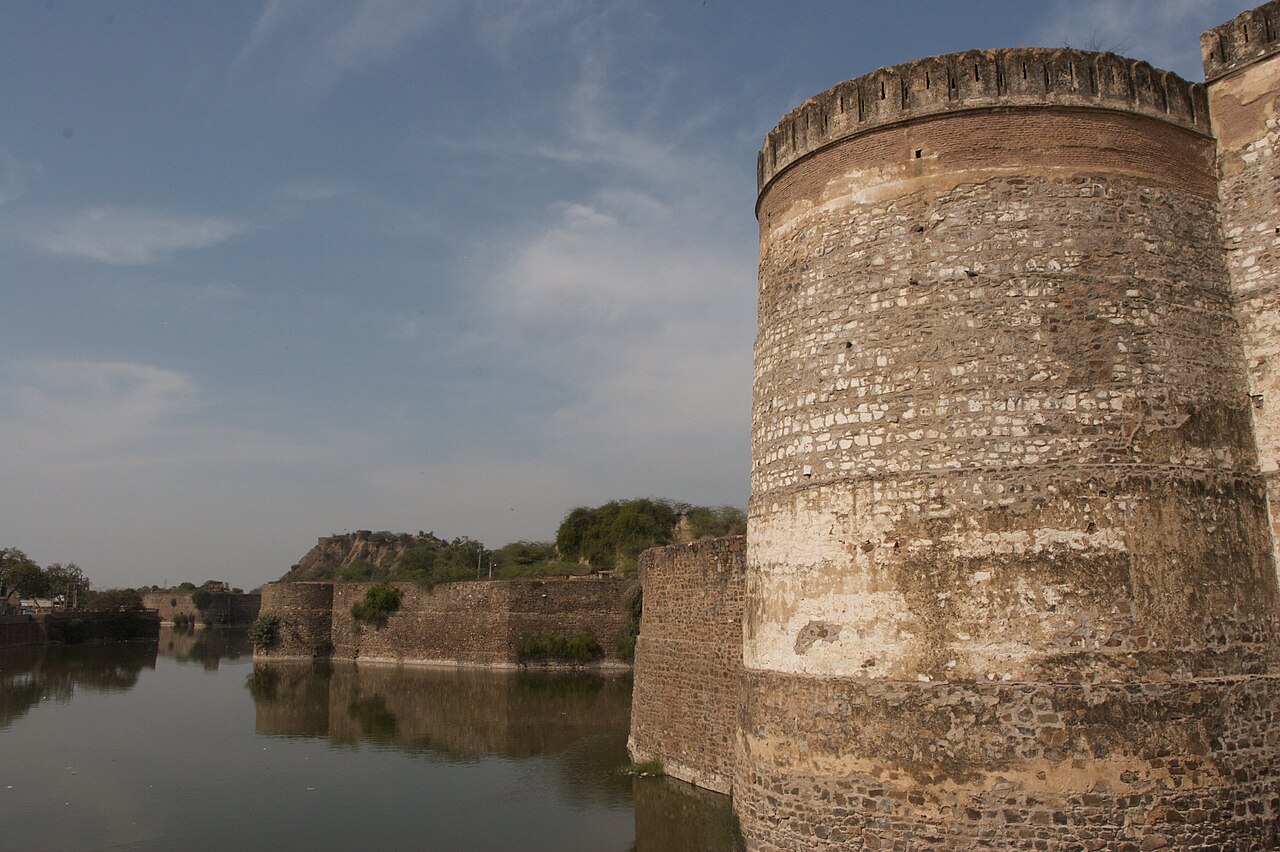
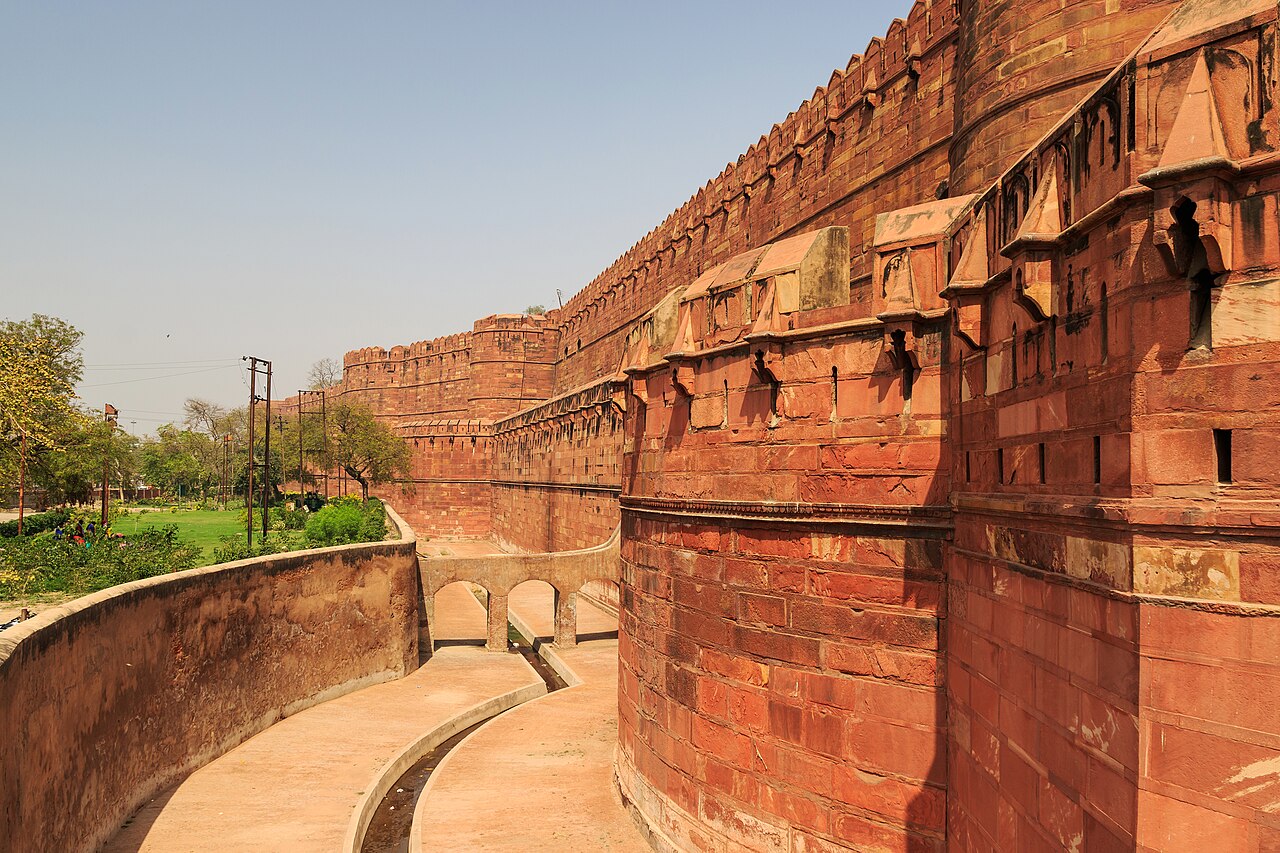
Following Jahangir's second birthday, Akbar initiated the construction of a fortified city to serve as his imperial capital. The city was strategically designed with massive bastioned walls and fortified gates, embodying the defensive requirements of a fortress while also functioning as a royal residence and administrative center. The layout of Fatehpur Sikri reflects careful urban planning, combining palaces, mosques, courtyards, and public spaces within a compact fortified perimeter.
Architectural highlights and key structures
The city is renowned for its impressive architectural ensemble, including the Buland Darwaza, a monumental gateway symbolizing Akbar's victory in Gujarat in 1573, which gave the city its name "City of Victory." The Jama Masjid mosque stands as one of the largest mosques in India, featuring intricate stone carvings and a vast courtyard for congregational prayers. The Panch Mahal is a five-story palace with an open structure supported by numerous columns, exemplifying the fusion of Hindu and Islamic architectural motifs.
Other notable buildings include the Diwan-i-Aam (Hall of Public Audience), where Akbar met his subjects, and the Diwan-i-Khas (Hall of Private Audience), known for its central pillar and delicate ornamentation. The Jodha Bai's Palace is a residential complex reflecting Rajput architectural influences, highlighting the cultural syncretism of the Mughal court.
Historical significance and decline
Fatehpur Sikri's role as the Mughal capital was relatively brief. By 1585, Akbar abandoned the city, largely due to water supply issues and the strategic necessity of moving closer to the Punjab region during military campaigns. The city was eventually deserted by 1610, leaving behind a well-preserved architectural legacy.
In the 19th century, after the British East India Company took control of the region, Fatehpur Sikri was used as an administrative center. The Marquess of Hastings ordered restoration efforts in 1815 to preserve the monuments. Today, Fatehpur Sikri is recognized as a UNESCO World Heritage Site since 1986, celebrated for its historical importance and exceptional architectural heritage.
Architectural style and cultural fusion
The architecture of Fatehpur Sikri is a distinctive blend of Islamic, Persian, and Hindu styles, reflecting Akbar's policy of religious tolerance and cultural integration. The use of red sandstone throughout the complex gives the city a cohesive aesthetic, while the intricate carvings and motifs draw from diverse traditions.
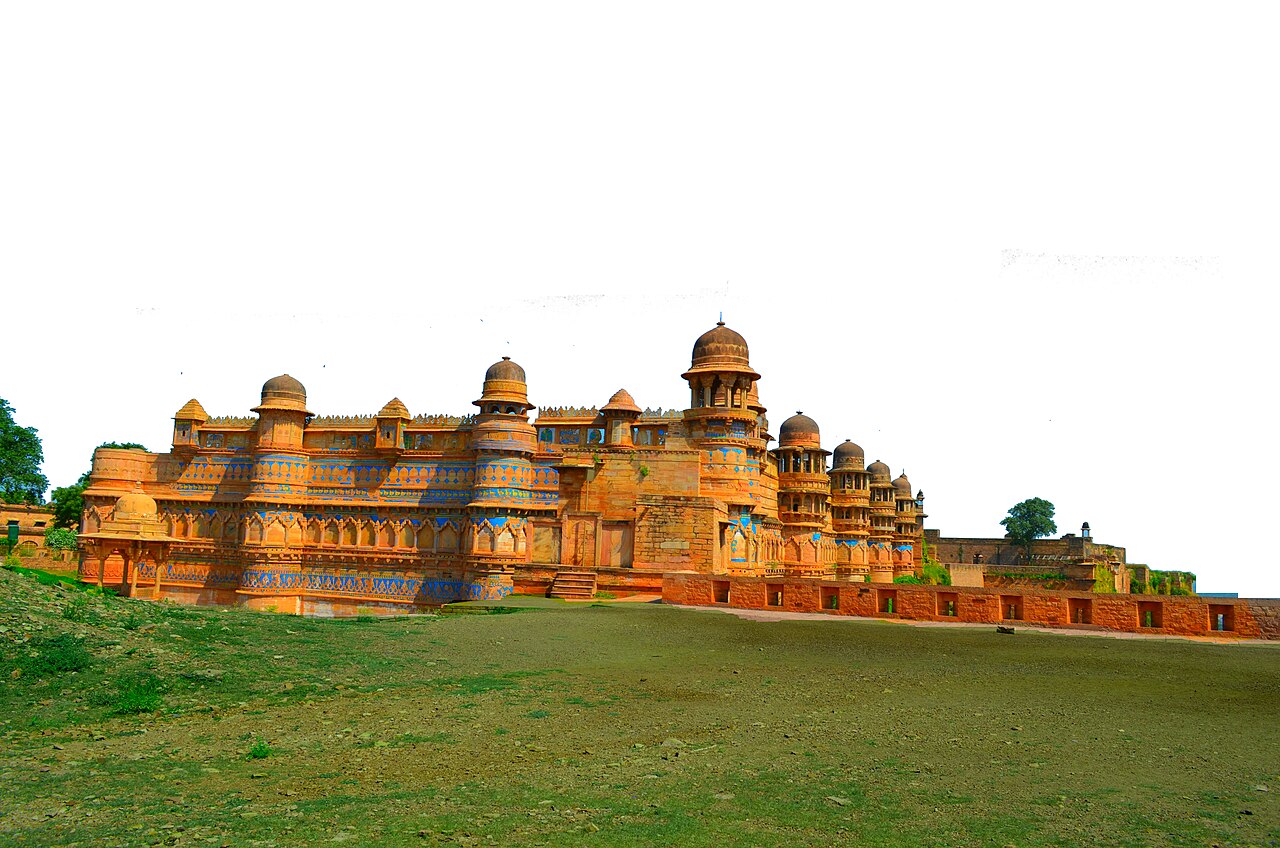
The city's design incorporates elements such as jalis (latticed screens), chhatris (elevated dome-shaped pavilions), and courtyards that provide ventilation and light, demonstrating advanced architectural techniques of the period. The fusion of styles also symbolizes the Mughal vision of a unified empire embracing multiple cultures.
Visiting Fatehpur Sikri today
Visitors to Fatehpur Sikri can explore the extensive ruins, including the palaces, mosques, and public buildings that remain remarkably intact. The site offers insight into the grandeur of Mughal urban design and the empire's artistic achievements. The location is accessible from Agra, making it a popular day trip for those interested in India's rich history.
The site's preservation as a well-preserved bastioned fortress allows for detailed study of 16th-century Mughal architecture and urbanism. Guided tours and informational signage help visitors understand the historical context and significance of the various structures.
Frequently asked questions (FAQ)
- When was Fatehpur Sikri founded and by whom?
- Fatehpur Sikri was founded in 1571 by Emperor Akbar as the capital of the Mughal Empire.
- Why was Fatehpur Sikri abandoned as the Mughal capital?
- The city was abandoned around 1585 primarily due to water supply issues and strategic military considerations during Akbar's campaigns in Punjab.
- What are the main architectural styles seen in Fatehpur Sikri?
- Fatehpur Sikri features a blend of Islamic, Persian, and Hindu architectural styles, reflecting the cultural integration policies of Emperor Akbar.
- Is Fatehpur Sikri a UNESCO World Heritage Site?
- Yes, Fatehpur Sikri was designated a UNESCO World Heritage Site in 1986 for its historical and architectural significance.
- What are some key structures to see at Fatehpur Sikri?
- Important structures include the Buland Darwaza, Jama Masjid, Panch Mahal, Diwan-i-Aam, Diwan-i-Khas, and Jodha Bai's Palace.
- How can visitors access Fatehpur Sikri?
- Fatehpur Sikri is located about 35 kilometers from Agra and can be reached by road, making it a popular day trip destination.
Photo gallery

Information
Current owner
Archaeological Survey of India
Loading map...
Visitor reviews
No reviews yet. Been here? Write the first review and help other travelers!
Write the first reviewVisited this castle? Share your experience
Your review helps other travelers and adds first-hand knowledge to our encyclopedia.