Fantast Castle
Fantast Castle, also known as Dunđerski Palace, stands as a remarkable example of early 20th-century eclectic castle architecture in the Serbian province of Vojvodina. Nestled near the town of Bečej, this grand estate was the personal dream project of Bogdan Dunđerski, a wealthy and eccentric horse enthusiast. The castle's unique blend of neo-Gothic and neoclassical architectural elements reflects Dunđerski's extensive travels and his fascination with European castles, especially the fantasy-style palaces he encountered in cities like Vienna and Budapest.
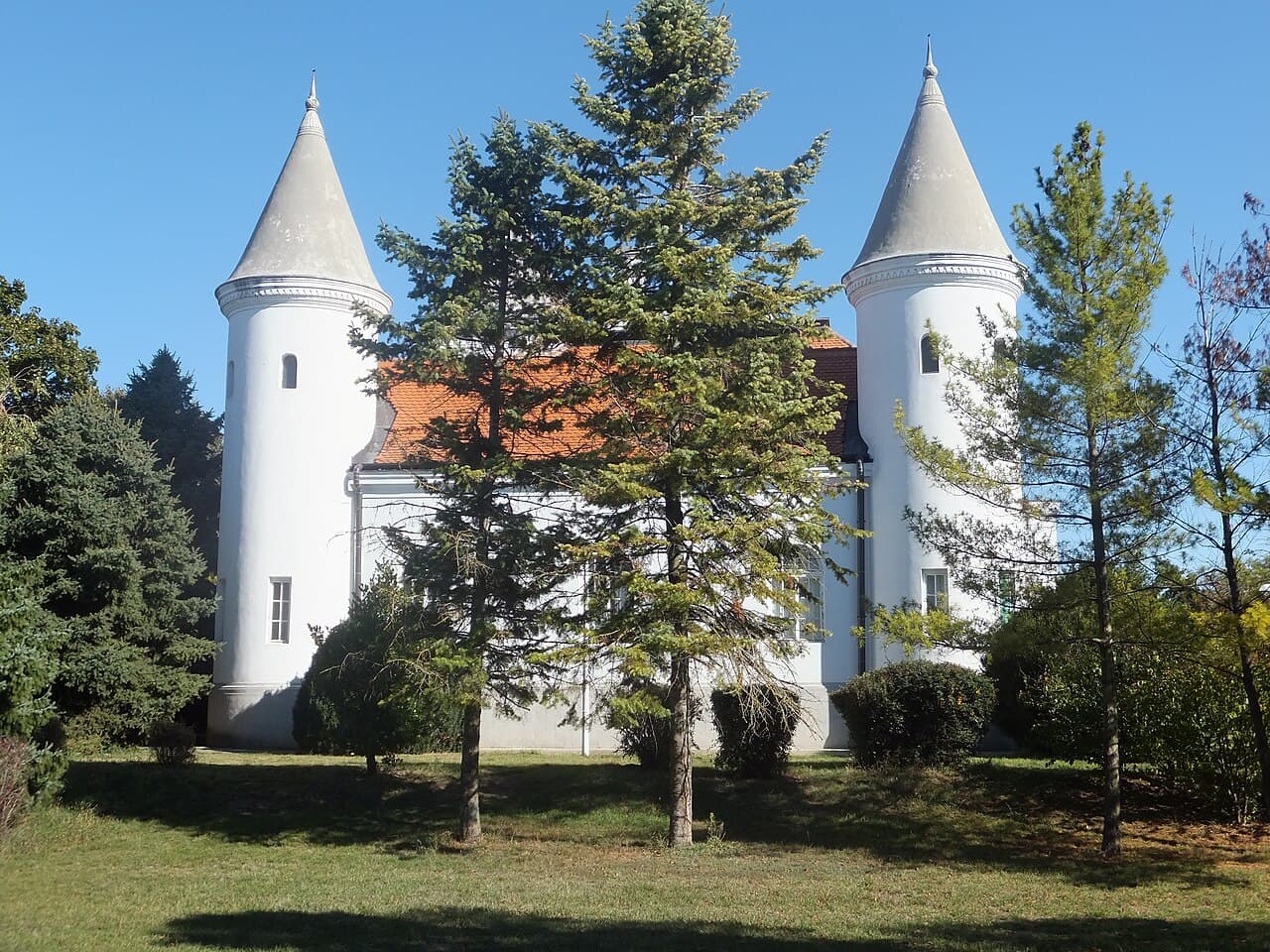
Constructed in several phases and completed in 1925, Fantast Castle was built without formal architectural plans, embodying Dunđerski's vision of mystery and grandeur. The castle's design centers around a towering main structure flanked by four corner towers, all characterized by typical neo-Gothic features such as pointed arches, battlements, and ornate stonework. This imposing silhouette contrasts with the neoclassical style seen in the ceremonial hall and main entrances, highlighting the estate's layered architectural narrative.
Historical background and the dunđerski legacy
The castle was commissioned by Bogdan Dunđerski, a member of the affluent Dunđerski family originally from Herzegovina, who settled in Vojvodina and became prominent landowners. Dunđerski was a renowned Bohemian figure who never married or had children but was passionate about horsemanship, fine wine, and social life. His love for horses is immortalized in the castle's name, which honors Fantast, a celebrated thoroughbred racehorse that won all three races at the Belgrade Hippodrome in 1932. The horse's skull and femur are preserved and displayed within the castle, symbolizing the deep connection between Dunđerski and his prized animals.
Beyond the castle itself, the estate includes a neo-Byzantine Serbian Orthodox chapel dedicated to Saint George. This chapel features a richly decorated portal with intricate mosaics and an iconostasis partly crafted by the Belgrade artist Karbiner. The interior walls are adorned with mosaics and paintings by the acclaimed Serbian artist Uroš Predić, including a notable depiction of the Virgin Mary inspired by Dunđerski's muse, Mara Dinjacki. The chapel remains an active religious site, hosting ceremonies such as baptisms and weddings.
Architectural features and estate layout
Castle structure and stylistic elements
The castle's layout is centered around a massive main tower surrounded by four smaller corner towers, all constructed in the neo-Gothic style. These towers feature characteristic battlements, pointed windows, and decorative stonework typical of the period's romanticized medieval revival architecture. The ceremonial hall and main entrances introduce neoclassical design elements, including symmetrical facades and classical columns, which create a stylistic dialogue within the castle complex.
Chapel and religious art
The neo-Byzantine chapel dedicated to Saint George is a significant component of the estate, reflecting the religious devotion of the Dunđerski family. Its mosaics and paintings by Uroš Predić add artistic and spiritual value, while the iconostasis crafted by Karbiner showcases traditional Eastern Orthodox craftsmanship. The chapel's portal is richly decorated with mosaics, making it a visually striking entrance to the sacred space.
Horse stables and grounds
One of the castle's defining features is its extensive horse stables, which were once capable of housing over 1,400 horses, reflecting Dunđerski's passion for horse breeding and racing. Today, the stables remain active, supporting a smaller breeding and training program with approximately 80 horses. The estate grounds also include a large surrounding park, a mausoleum dedicated to the Dunđerski family, tennis courts, and a small airstrip for light aircraft, underscoring the estate's multifunctional nature.
20th-century history and preservation
In 1940, Bogdan Dunđerski donated Fantast Castle and its lands to Matica srpska, a prominent Serbian cultural institution based in Novi Sad. However, following World War II and the establishment of communist Yugoslavia, the property was nationalized in 1945. The castle suffered significant damage due to bombing during the war, leading to the loss of much of its original furnishings, artwork, and precious artifacts.
Despite these setbacks, the castle was repurposed in 1983 as a hotel, offering accommodations, conference facilities, and banquet halls. The chapel was restored to religious use, continuing to serve the local community. Both the castle and chapel have been officially recognized as protected cultural monuments by the Republic of Serbia, ensuring their preservation for future generations.
Cultural significance and visitor experience
Fantast Castle is a unique cultural landmark in Serbia, combining architectural grandeur with a rich equestrian heritage. Visitors can explore the castle's eclectic architectural styles, admire the artistic works in the chapel, and learn about the fascinating life of Bogdan Dunđerski and his celebrated horse, Fantast. The ongoing operation of the horse stables offers a living connection to the estate's original purpose and Dunđerski's enduring legacy.
The castle's combination of neo-Gothic towers, neoclassical halls, and a neo-Byzantine chapel creates a visually captivating ensemble that appeals to both architecture enthusiasts and history lovers. The surrounding park and additional estate facilities provide a serene setting for events and leisure activities, making Fantast Castle a multifaceted destination in the heart of Vojvodina.
Frequently asked questions (FAQ)
- How do I get to Fantast Castle?
- Fantast Castle is located in Bečej, Serbia, and is easily accessible by car or public transport. If you're traveling by train, the nearest station is Bečej, from which you can take a local taxi or bus to the castle.
- What is the historical significance of Fantast Castle?
- Fantast Castle has a rich history dating back to the 18th century, serving as a noble residence and a strategic military site. Today, it stands as a symbol of the architectural heritage of the region and attracts history enthusiasts from around the world.
- When was Fantast Castle built?
- Fantast Castle was constructed in the late 1700s, showcasing the architectural styles of that period. Its foundations were laid during a time of significant political and social changes in Serbia, which adds to its historical importance.
- Can I take guided tours of Fantast Castle?
- Yes, guided tours of Fantast Castle are available and are highly recommended to fully appreciate its history and architecture. These tours are led by knowledgeable guides who share fascinating stories and insights about the castle.
- Why is Fantast Castle considered an architectural gem?
- Fantast Castle is considered an architectural gem due to its unique blend of Baroque and Gothic styles, featuring intricate stone carvings and grand facades. The castle's design reflects the wealth and status of its former inhabitants, making it a prime example of historical architecture in Serbia.
- Is it possible to host events at Fantast Castle?
- Yes, Fantast Castle offers facilities for hosting various events, including weddings, corporate gatherings, and cultural events. The scenic backdrop and historical ambiance make it a popular choice for memorable occasions.
- What are the opening hours for Fantast Castle?
- Fantast Castle is open to visitors from 10 AM to 6 PM, Tuesday through Sunday. It is recommended to check the official website for any changes in hours or special events that may affect access.
- What are the ticket prices for visiting Fantast Castle?
- Ticket prices for Fantast Castle are very reasonable, typically around 300 dinars for adults and 150 dinars for children. Discounts may apply for groups and students, so be sure to inquire at the ticket office.
- When is the best time to visit Fantast Castle?
- The best time to visit Fantast Castle is during the spring and early autumn when the weather is mild and the surrounding gardens are in full bloom. These seasons also tend to attract fewer tourists, allowing for a more peaceful experience.
- Are there any nearby attractions to visit along with Fantast Castle?
- Yes, nearby attractions include the beautiful Bečej River and the historic town center, which features charming cafes and shops. Additionally, visitors can explore other historical sites in the region, making it a perfect day trip destination.
Photo gallery

Information
Loading map...
Visitor reviews
No reviews yet. Been here? Write the first review and help other travelers!
Write the first reviewVisited this castle? Share your experience
Your review helps other travelers and adds first-hand knowledge to our encyclopedia.