Falkenstein Castle (Palatinate)
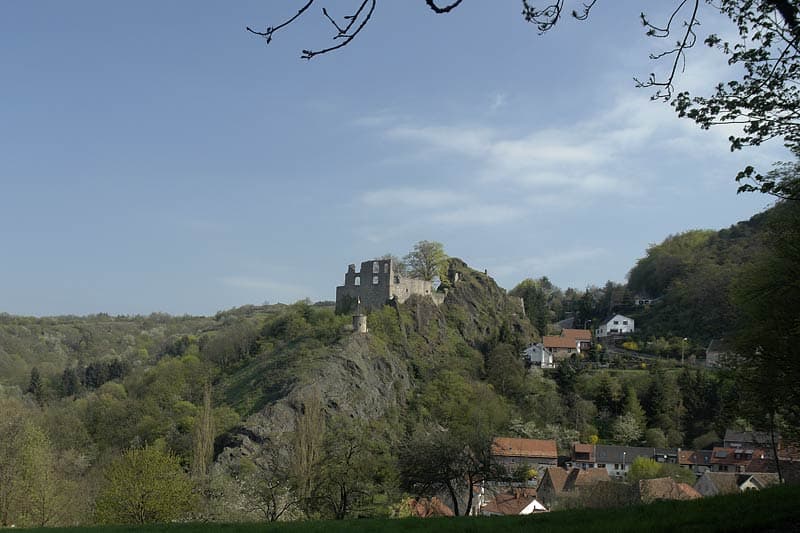
Falkenstein Castle (Palatinate) is a significant high medieval hill castle located on the Donnersberg, the highest mountain in the Palatinate region of Rhineland-Palatinate, Germany. This imperial castle dates back to the 12th century and now exists as evocative ruins that reflect its former strategic importance and architectural design typical of the high medieval period.
Location and strategic importance
Falkenstein Castle is perched atop the Donnersberg, which rises to approximately 687 meters (2,254 feet) above sea level, making it the highest elevation in the Palatinate. This location provided a commanding view over the surrounding landscape, which was essential for surveillance and defense during the Middle Ages. The castle's position allowed control over important trade routes and local settlements, underscoring its role as a military and administrative stronghold.
Historical background and ownership
The castle was constructed in the 12th century, a time marked by the consolidation of territorial power by the Holy Roman Empire. It served as an imperial castle, indicating its direct association with the emperor or imperial authorities rather than local nobility. Throughout its history, Falkenstein Castle was involved in various regional conflicts and power struggles typical of the high medieval era.
Ownership of the castle shifted over the centuries, often linked to the complex feudal system of the time. It was likely managed by imperial officials or appointed castellans who oversaw the castle’s defense and administration.
Architectural features and layout
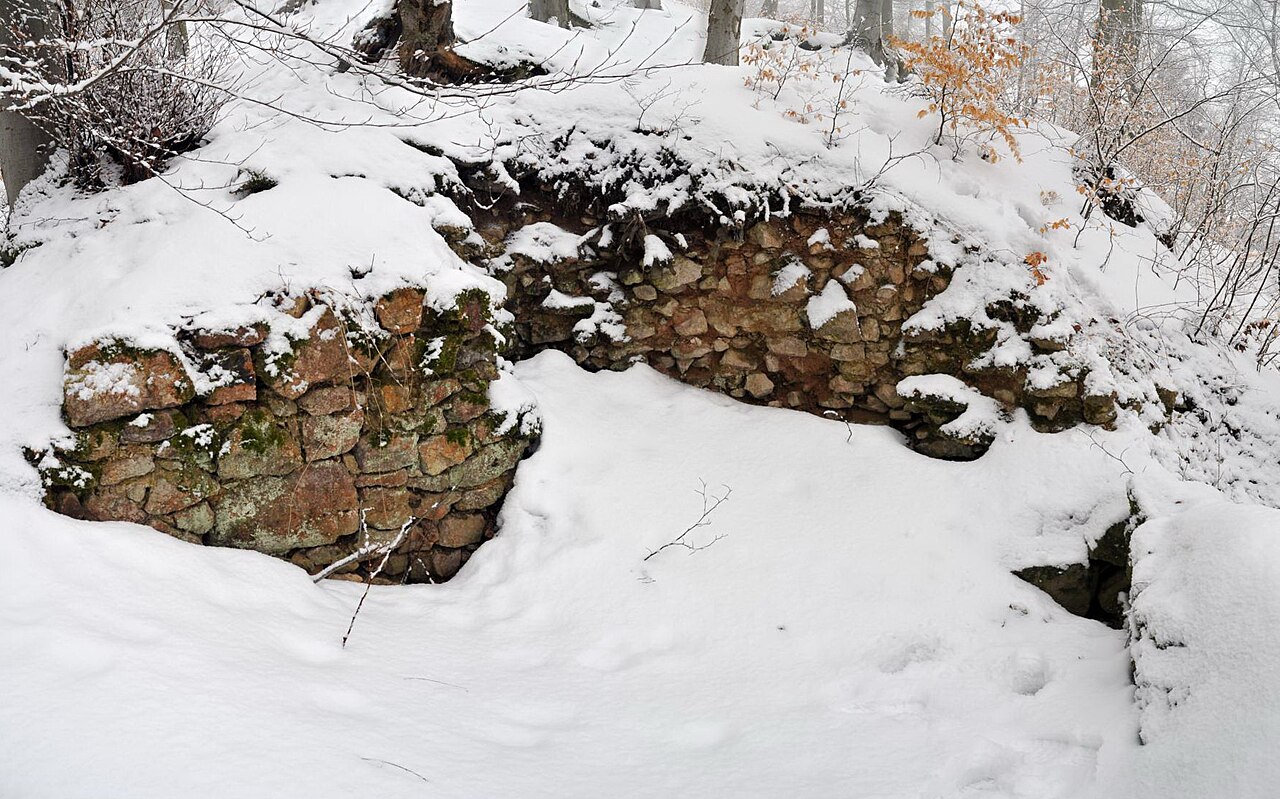
As a hill castle, Falkenstein was designed to utilize the natural topography for defense. The ruins indicate a typical high medieval fortification layout, including remnants of thick curtain walls, gatehouses, and watchtowers. The castle's construction primarily employed local stone, contributing to its durability and imposing presence.
The castle likely featured a keep or donjon as the central stronghold, surrounded by defensive walls and possibly a bailey or courtyard area for auxiliary buildings and garrison quarters. Defensive elements such as battlements and arrow slits would have been integral to its design, enabling defenders to repel attackers effectively.
Decline and current condition
Falkenstein Castle gradually fell into disuse and ruin, a fate common to many medieval fortifications that lost their strategic relevance with changing military technology and political landscapes. Today, it stands as archaeological ruins that attract historians, archaeologists, and visitors interested in medieval architecture and history.
The site offers valuable insights into high medieval castle construction and the defensive strategies employed during that period. Conservation efforts aim to preserve the remaining structures and interpret the site for educational and cultural purposes.
Visiting the site
Visitors to Falkenstein Castle can explore the ruins and enjoy panoramic views from the Donnersberg. The site is accessible by hiking trails, reflecting its hilltop location. Interpretive signage helps visitors understand the castle’s historical context and architectural features.
While the castle itself is in ruins, the surrounding natural landscape and the vantage point it provides make it a popular destination for tourists and locals alike.
Frequently asked questions (FAQ)
- How do I get to Falkenstein Castle?
- Falkenstein Castle is located in the Palatinate region of Germany, easily accessible by car or public transport. The nearest major city is Kaiserslautern, from where you can take a bus or taxi to the castle. Parking is available nearby for those traveling by car.
- What is the historical significance of Falkenstein Castle?
- Falkenstein Castle, built in the 12th century, played a crucial role in the defense strategies of the region during the Middle Ages. It served as a residence for the counts of Falkenstein and was strategically positioned to oversee trade routes. Today, it stands as a testament to medieval architecture and history.
- When was Falkenstein Castle last renovated?
- The last major renovations of Falkenstein Castle took place in the late 20th century, focusing on preserving its historical integrity while enhancing visitor experience. Ongoing maintenance ensures that the castle remains a safe and attractive destination for tourists. Regular updates help to maintain its historical features and aesthetics.
- Can I take guided tours of Falkenstein Castle?
- Yes, guided tours are available at Falkenstein Castle, providing visitors with in-depth information about its history and architecture. Tours are usually conducted in multiple languages, catering to a diverse audience. It's advisable to check the schedule in advance as some tours may require prior booking.
- Why is Falkenstein Castle a popular tourist destination?
- Falkenstein Castle is popular for its stunning views over the Palatinate landscape and its well-preserved medieval architecture. Visitors are often drawn to its rich history and the stories of its past inhabitants. Additionally, the surrounding nature and hiking trails enhance the overall experience for nature lovers and history enthusiasts alike.
- Is it possible to visit Falkenstein Castle year-round?
- Yes, Falkenstein Castle is open for visitors year-round, though opening hours may vary with the seasons. It is recommended to check the official website for the most current information on visiting hours and any seasonal events. Visiting during spring and autumn offers a particularly beautiful backdrop with blooming flowers and fall foliage.
- What are the ticket prices for Falkenstein Castle?
- Ticket prices for Falkenstein Castle are generally affordable, with discounts available for students, seniors, and families. Children under a certain age may enter for free. It's best to check the official website for the latest pricing and any special promotions that may be available.
- What are the nearby attractions to Falkenstein Castle?
- Nearby attractions include the picturesque town of Trippstadt and the beautiful Palatinate Forest, which offers numerous hiking trails. The region is also known for its wine routes and charming vineyards. Visitors can enjoy exploring local culture, cuisine, and stunning landscapes just a short distance from the castle.
- What are the opening hours for Falkenstein Castle?
- Falkenstein Castle typically opens to visitors from 10 AM to 6 PM during the peak season, with reduced hours in the off-season. It's recommended to verify the current opening hours on the castle's official website before planning your visit. Special events may also affect regular hours, so checking ahead is advisable.
Photo gallery

Information
Loading map...
Visitor reviews
No reviews yet. Been here? Write the first review and help other travelers!
Write the first reviewVisited this castle? Share your experience
Your review helps other travelers and adds first-hand knowledge to our encyclopedia.