Fakhr-al-Din al-Maani Castle
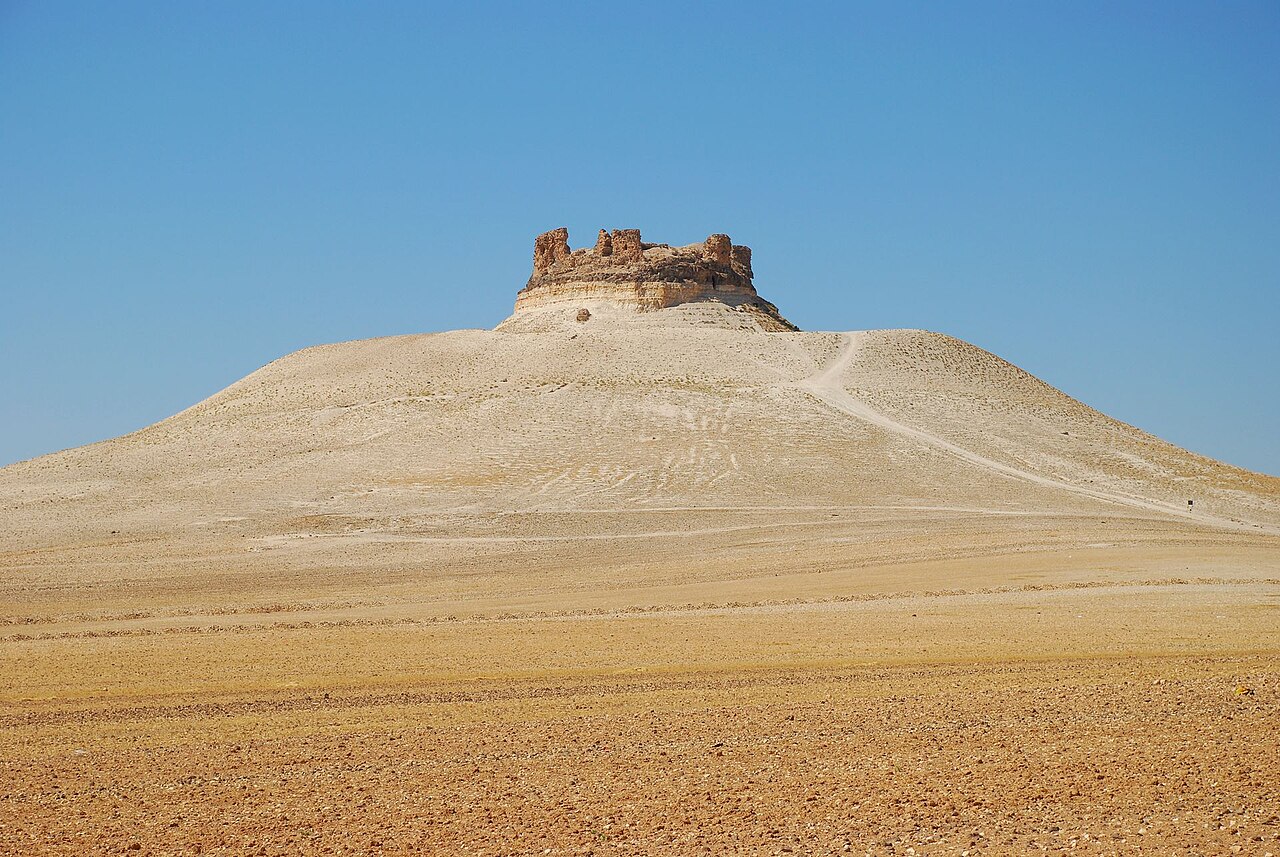
Fakhr-al-Din al-Maani Castle, also known as Palmyra Castle or Tadmur Castle, is a significant medieval fortress located on a high hill overlooking the ancient city of Palmyra in the Homs province of the Syrian Arab Republic. This castle is a prominent example of Mamluk military architecture from the 13th century, strategically positioned to defend the historic site and control the surrounding region.
Historical background and significance
The castle was constructed during the High Medieval period by the Mamluks, a powerful military regime that ruled large parts of the Middle East. It was built on an elevated bedrock formation, providing a commanding view over the ruins of Palmyra, an ancient city renowned for its monumental Greco-Roman architecture and its role as a cultural crossroads in antiquity.
The fortress is named after Fakhr-al-Din II, a notable Druze emir of the 16th century who expanded Druze influence into the Palmyra region. Although Fakhr-al-Din II was not the original builder, his association with the castle reflects its continued strategic and symbolic importance through successive historical periods.
In recognition of the cultural and historical value of Palmyra and its surroundings, the site was designated a UNESCO World Heritage Site in 1980. This designation highlights the castle's role as part of a broader heritage landscape that includes some of the most remarkable ruins of the ancient world.
Architectural features and defensive design
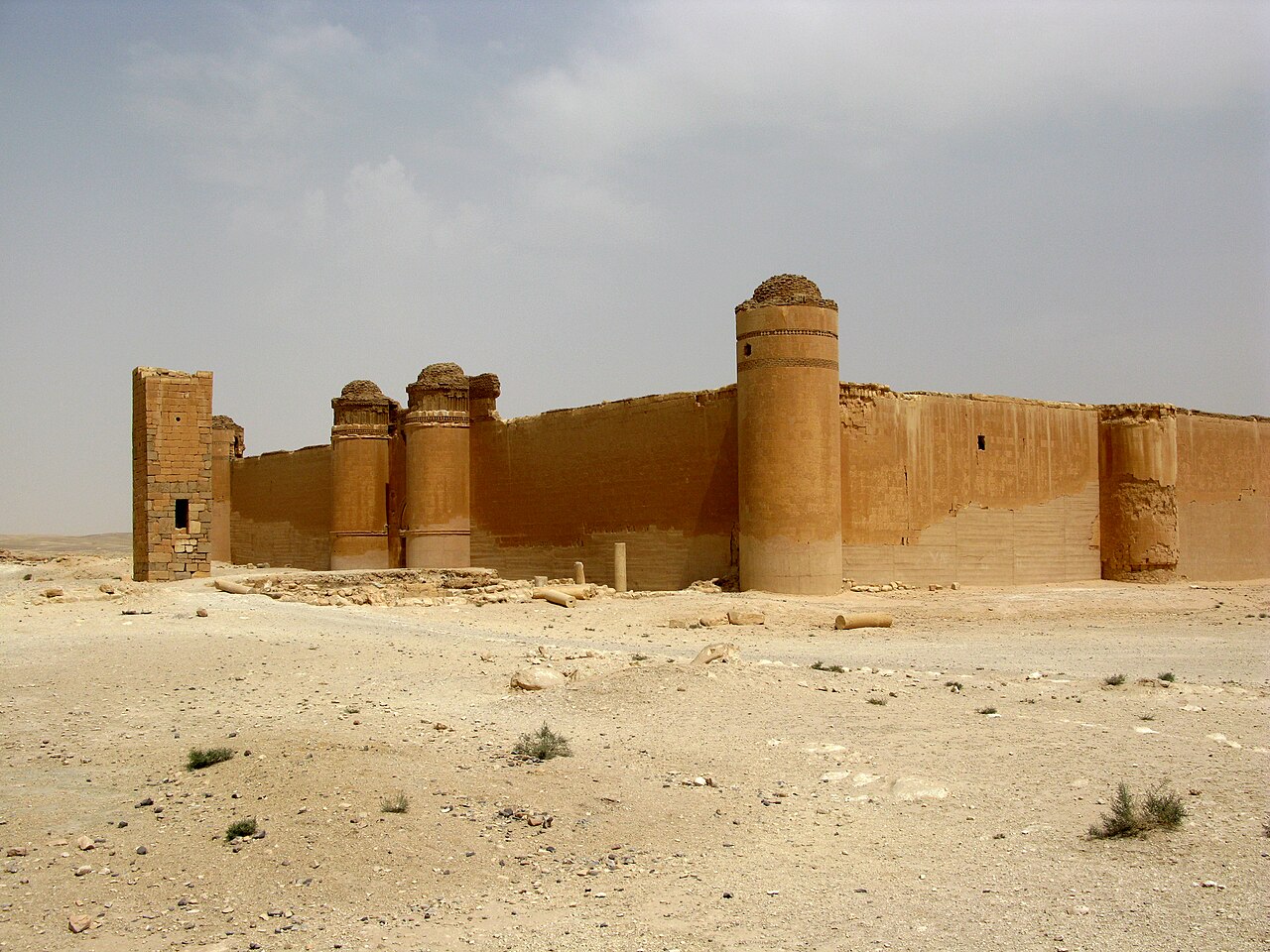
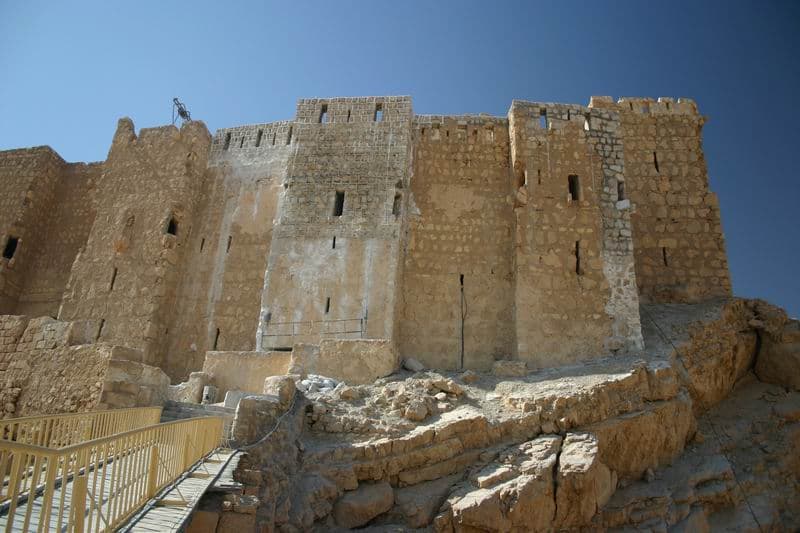
Fakhr-al-Din al-Maani Castle is classified as a hill castle, constructed to exploit the natural topography for defensive advantage. The castle's walls are thick and high, built to withstand sieges and assaults. Surrounding the fortress is a moat, which served as a formidable obstacle to attackers and was accessible only via a drawbridge, enhancing the castle's defensibility.
The castle's location on raised bedrock not only provided a natural defense but also allowed for extensive surveillance of the surrounding desert and ancient city ruins. The fortress likely included multiple towers, battlements, and fortified gates typical of Mamluk military architecture, although detailed architectural plans are limited due to damage sustained in recent conflicts.
Impact of modern conflict and preservation efforts
The ongoing Syrian Civil War has severely affected the castle and the wider Palmyra site. The castle was seized by the Islamic State of Iraq and the Levant (ISIL) during the Palmyra offensive in May 2015. It was retaken by Syrian government forces in March 2016, but not before retreating ISIL fighters caused significant damage, including the destruction of the stairway leading to the castle entrance.
Despite this damage, the castle's basic structure remains intact. The Syrian director of antiquities, Maamoun Abdelkarim, has stated that the damage is repairable and plans for restoration are underway. The castle was briefly recaptured by ISIL in December 2016 but was reclaimed by the Syrian Army in March 2017.
Due to the conflict and damage, the entire Palmyra site, including Fakhr-al-Din al-Maani Castle, was placed on the UNESCO list of World Heritage Sites in Danger in 2013. Efforts to protect and restore the castle are part of broader initiatives to preserve Syria's cultural heritage amid ongoing instability.
Geographical and cultural context
Situated in the Homs region, Fakhr-al-Din al-Maani Castle overlooks the ancient city of Palmyra, which was a vital caravan city linking the Roman Empire with Persia and India. The castle's position on a hill provided strategic control over trade routes and military movements in this arid landscape.
The castle's association with the Druze emir Fakhr-al-Din II connects it to the complex history of sectarian and political dynamics in the Levant during the Ottoman period. This historical layering adds to the castle's cultural significance beyond its medieval military function.
Visiting Fakhr-al-Din al-Maani Castle
Currently, due to security concerns and ongoing restoration efforts, access to Fakhr-al-Din al-Maani Castle is limited. When conditions permit, visitors can explore the castle's imposing walls, moat, and elevated position, gaining insight into Mamluk fortification techniques and the broader history of Palmyra.
The castle forms part of the wider Palmyra archaeological complex, which includes Roman colonnades, temples, and funerary monuments, offering a comprehensive glimpse into the region's ancient and medieval past.
Frequently asked questions (FAQ)
- What is the historical significance of Fakhr-al-Din al-Maani Castle?
- Fakhr-al-Din al-Maani Castle is a remarkable example of medieval military architecture in Syria. Built in the 17th century, it was named after Prince Fakhr al-Din al-Maani, who played a crucial role in the region's history, promoting trade and cultural exchanges during the Ottoman period.
- When was Fakhr-al-Din al-Maani Castle built?
- The construction of Fakhr-al-Din al-Maani Castle began in the early 17th century, specifically around 1620. It served as a strategic fortress and residence for the local prince, showcasing the architectural style of that era.
- Can I visit Fakhr-al-Din al-Maani Castle?
- Yes, visitors can explore Fakhr-al-Din al-Maani Castle. It offers guided tours that provide insight into its historical significance and architectural features, making it a great destination for history enthusiasts.
- What are the opening hours for Fakhr-al-Din al-Maani Castle?
- Fakhr-al-Din al-Maani Castle is typically open to visitors from 9 AM to 5 PM daily. However, it is advisable to check local listings or contact the site directly, as hours may vary due to seasonal changes or special events.
- Is it possible to access the castle by public transportation?
- Yes, the castle is accessible by public transportation, as there are local buses and taxis that connect Palmyra with nearby cities. Additionally, many visitors choose to hire a guide or join a tour for a more informative experience.
- What is the best time to visit Fakhr-al-Din al-Maani Castle?
- The best time to visit Fakhr-al-Din al-Maani Castle is during the spring and fall months, when the weather is mild and comfortable for exploring the site. Avoiding the extreme heat of summer can enhance your experience and allow for longer visits.
- Are there any nearby attractions to visit in Palmyra?
- Yes, Palmyra is rich in historical sites, including the stunning ruins of the ancient city, which is a UNESCO World Heritage Site. Visitors can also explore the Temple of Bel and the Roman Theater, both located near the castle.
- What are the ticket prices for visiting the castle?
- The ticket prices for Fakhr-al-Din al-Maani Castle are generally affordable, catering to both local and international visitors. Prices may vary, so it’s a good idea to check current rates before your visit.
Photo gallery

Photo by Mewes at German Wikipedia•Public domain
Information
Loading map...
Visitor reviews
No reviews yet. Been here? Write the first review and help other travelers!
Write the first reviewVisited this castle? Share your experience
Your review helps other travelers and adds first-hand knowledge to our encyclopedia.