Eye Castle
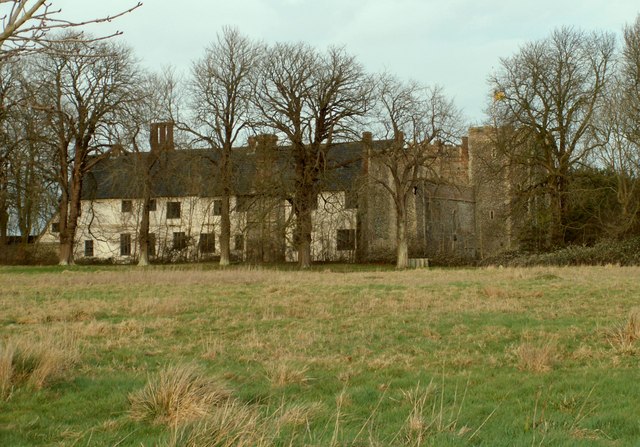
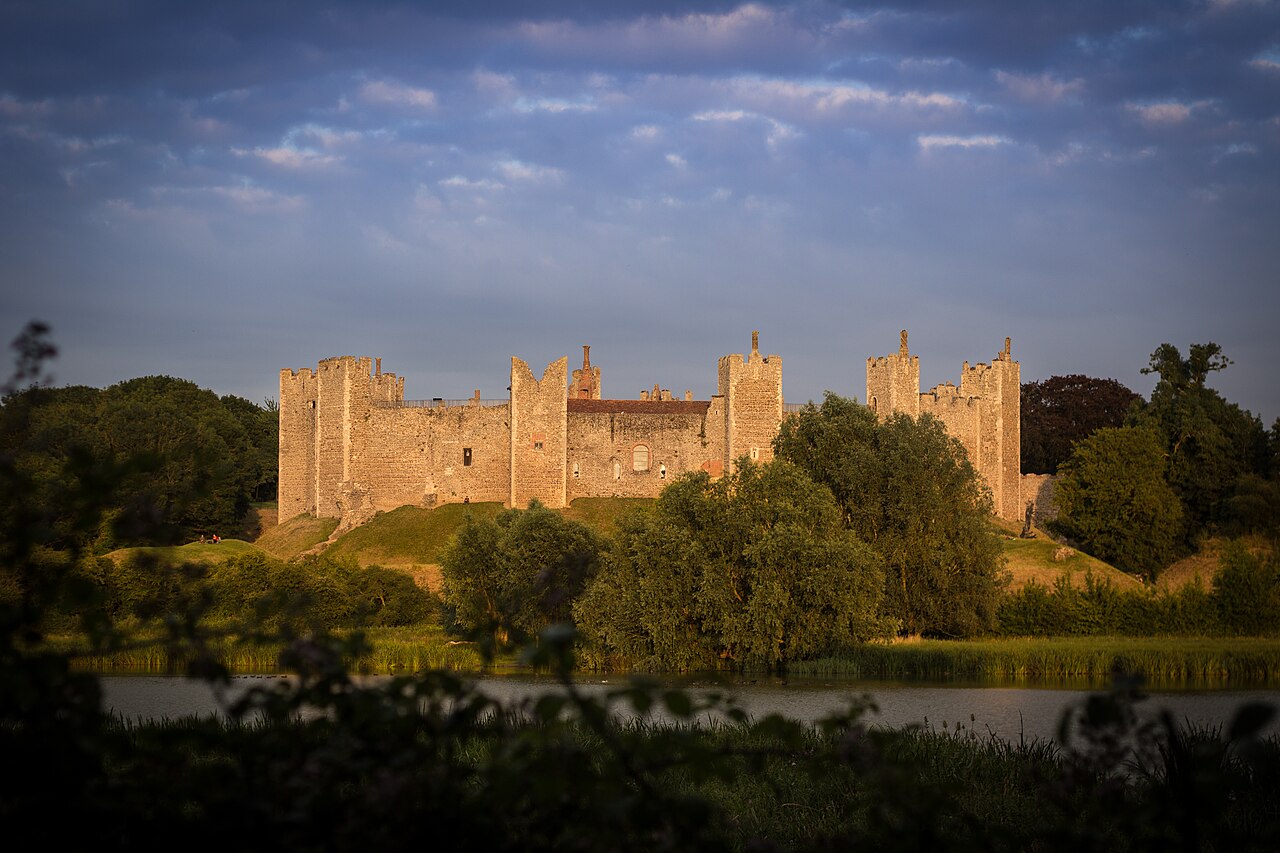
Eye Castle stands prominently in the town of Eye, Suffolk, England, as a remarkable example of a Norman motte and bailey castle constructed in the aftermath of the Norman Conquest. Built in the 11th century by the Norman knight William Malet, the castle was strategically positioned atop an earlier Saxon mound, providing commanding views of the surrounding landscape. This early medieval fortress played a significant role in the military and economic history of the region.
The origins and early history of Eye Castle
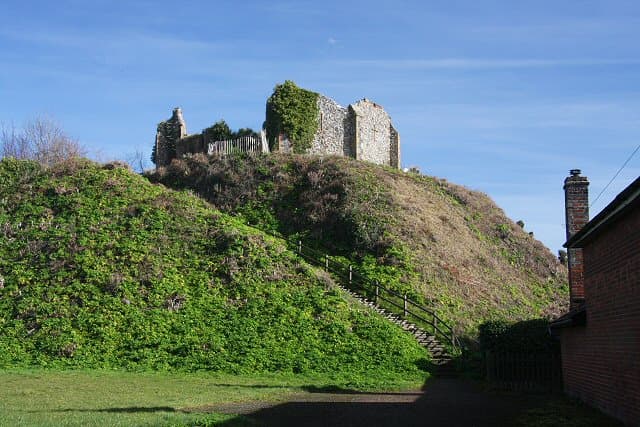
Constructed soon after 1066, Eye Castle was part of William the Conqueror's efforts to consolidate control over England. William Malet, a trusted Norman nobleman, established the castle as the center of the Honour of Eye, a large estate network that included extensive parkland. The castle's motte, an impressive earthwork rising approximately 12 meters (40 feet) high and spanning around 49 meters (160 feet) across, served as a formidable defensive position. The adjacent bailey, measuring roughly 122 by 76 meters (400 by 250 feet), enclosed the main courtyard and ancillary buildings.
By the time of the Domesday Book in 1086, Eye Castle was one of only two castles recorded as sources of income, owing to a thriving market operating within its bailey. This market was significant enough to compete with the nearby market at Hoxne, overseen by the Bishop of Norwich, highlighting the castle's economic importance beyond its military function.
Medieval ownership and royal connections
Following William Malet's death in 1071 during conflicts with rebel forces led by Hereward the Wake, the castle passed to his son Robert Malet. However, Robert was eventually exiled, and in 1106 King Henry I confiscated Eye Castle, bringing it under direct royal control. In 1113, Henry I granted the castle to his favored nephew, Stephen of Blois, who later ascended to the throne as King Stephen in 1135.
During the turbulent period known as the Anarchy (1138–1154), marked by civil war between Stephen and Empress Matilda, Eye Castle remained a valuable strategic asset. Though the castle itself saw limited direct conflict, it changed hands among Stephen's lieutenants and his son William, reflecting the shifting allegiances of the time.
When Henry II became king in 1154, he reclaimed Eye Castle in 1157 to reinforce royal authority in the region. The death of William, Stephen's son, in 1159 ended the Malet family's direct hold over the Honour of Eye. In 1173, during a widespread revolt against Henry II, the castle was besieged by the powerful noble Hugh Bigod. Despite the attack, the siege failed, but the castle suffered considerable damage and required substantial rebuilding.
Architectural developments and fortifications
Following the 1173 siege, Eye Castle underwent significant reconstruction and fortification efforts. Two square stone towers were added on the north side of the inner bailey, enhancing the castle's defensive capabilities. These improvements paralleled similar enhancements at nearby Framlingham Castle, indicating coordinated military strengthening within the region.
The castle's original motte and bailey design, typical of Norman fortifications, featured a large earthen mound topped by wooden or stone structures, with an enclosed courtyard surrounded by a protective ditch and palisade. The later addition of stone towers marked a transition toward more durable and imposing defenses, reflecting evolving medieval military architecture.
Decline, damage, and later uses
Eye Castle's military significance waned following its attack and sacking during the Second Barons' War in 1265. The castle was heavily damaged and subsequently abandoned as a military fortress. By the 14th century, it had fallen largely into ruin, though parts of the site continued to serve as a prison, demonstrating its residual functional use.
In the mid-16th century, the castle's motte was repurposed with the construction of a windmill, signaling a shift from military to industrial and agricultural uses. This windmill operated atop the motte until the 19th century, when it was demolished by General Sir Edward Kerrison, 1st Baronet, a British Army officer and politician.
In 1844, Kerrison replaced the windmill with a domestic house built of flint, designed to resemble a medieval shell keep. This house, known locally as Kerrison's Folly, was reportedly constructed for his adjutant who had saved his life at the Battle of Waterloo in 1815. The building incorporated living quarters within its south and west walls but suffered severe storm damage in 1965, leading to its collapse and ruin.
Modern developments and preservation
During the 1830s, a school and workhouse were established within the western end of the bailey, reflecting the site's adaptation to community needs. These buildings were replaced in the 1980s by a modern housing development, altering the historic landscape surrounding the castle remains.
Today, Eye Castle is recognized as a scheduled monument and a Grade I listed building, underscoring its cultural and historical significance. The surviving features include the well-preserved 11th-century motte, the ruins of the 19th-century flint house on the motte, and fragments of the original curtain wall enclosing the bailey.
The castle remains freely accessible during daytime, offering visitors a tangible connection to Norman military architecture and medieval history. Archaeological efforts, supported by local volunteers and professional archaeologists, continue to explore and conserve the site, enhancing understanding of its historical context.
Architectural significance and legacy
Eye Castle exemplifies the typical Norman motte and bailey design, which was widely employed across England following the conquest. Its substantial earthworks demonstrate the strategic use of natural and artificial features for defense. The addition of stone towers in the late 12th century reflects the evolution of castle architecture from timber to more permanent stone fortifications.
The castle's history of ownership, sieges, and adaptations illustrates the dynamic political landscape of medieval England, from Norman consolidation to royal authority and baronial conflicts. Its later industrial and domestic uses highlight the changing functions of castles beyond their original military purpose.
As a heritage site, Eye Castle offers valuable insights into medieval fortification techniques, feudal land management, and the socio-political history of Suffolk. Its preservation allows for ongoing archaeological investigation and public education, ensuring that the legacy of this Norman fortress endures.
Frequently asked questions (FAQ)
- What is the historical significance of Eye Castle?
- Eye Castle, dating back to the 11th century, played a crucial role in the defense and governance of the region during medieval times. Its strategic position allowed it to oversee the surrounding countryside, and it has witnessed numerous historical events throughout the centuries.
- When was Eye Castle built?
- Construction of Eye Castle began in the late 11th century, shortly after the Norman Conquest of England. The castle has undergone various modifications and restorations over the years, reflecting the architectural styles of different periods.
- How do I get to Eye Castle?
- Eye Castle is easily accessible by car and public transport, located in the town of Eye in Suffolk. Visitors can find parking nearby and there are bus services that connect to major towns in the region.
- What are the opening hours for Eye Castle?
- Eye Castle is open to visitors from 10 AM to 5 PM, daily during the summer months, and from 10 AM to 4 PM during the winter. It is advisable to check the official website for any seasonal changes or special event closures.
- Can I bring my dog to Eye Castle?
- Yes, dogs are welcome at Eye Castle, provided they are kept on a lead. This allows you to enjoy the scenic grounds together while respecting the heritage site and other visitors.
- Is it possible to take guided tours of Eye Castle?
- Yes, guided tours are available for those wanting a deeper understanding of Eye Castle's history and architecture. These tours are conducted by knowledgeable guides and often include access to areas not open to the general public.
- What are the ticket prices for Eye Castle?
- Tickets for Eye Castle are reasonably priced, with discounts available for children, seniors, and families. Check the official site for current pricing and any special offers that may be available for group bookings.
- When is the best time to visit Eye Castle?
- The best time to visit Eye Castle is during the spring and summer months when the gardens are in full bloom and the weather is pleasant for outdoor exploration. Additionally, the castle often hosts events and activities during this period, enhancing the visitor experience.
- What nearby attractions can I visit after Eye Castle?
- After visiting Eye Castle, you can explore the charming town of Eye, which features quaint shops and historical architecture. Additionally, nearby attractions include the picturesque Suffolk countryside and several other historical sites that are easily accessible.
Photo gallery

Information
Website
Visit websiteSources & official resources
Verify the information above using these authoritative references.
Loading map...
Visitor reviews
No reviews yet. Been here? Write the first review and help other travelers!
Write the first reviewVisited this castle? Share your experience
Your review helps other travelers and adds first-hand knowledge to our encyclopedia.