Etal Castle
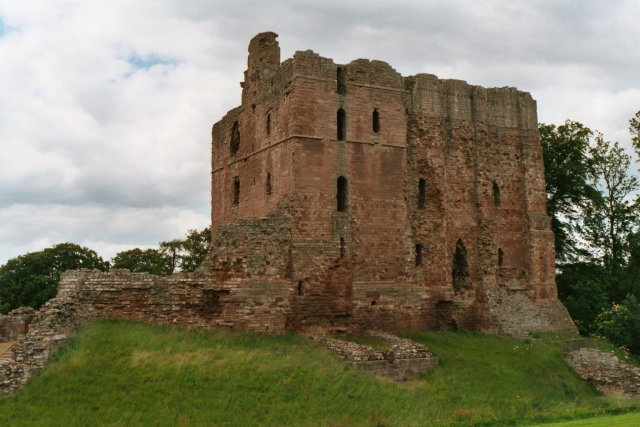
Etal Castle stands as a remarkable medieval fortress located in the village of Etal, Northumberland, England, near the River Till. This castle, situated about eight miles northwest of Wooler, offers visitors a glimpse into the turbulent history of the Anglo-Scottish borderlands. The castle's remains, including a prominent tower house and a substantial gatehouse, reflect its strategic importance during the medieval period.
The strategic location and historical context
Etal Castle was constructed to secure Norman control over the volatile northern frontier of England. Following the Norman Conquest, the region of Northumberland was divided into feudal baronies to consolidate royal authority. In 1107, the Barony of Wooler, encompassing Etal, was granted to Robert Muschamp, a trusted Norman knight tasked with defending this critical border territory against frequent Scottish incursions.
The castle's position near the Anglo-Scottish border made it a key defensive site during centuries of conflict, particularly during the late medieval period when border skirmishes and raids were common. Its proximity to the site of the Battle of Flodden (1513), one of the bloodiest battles between England and Scotland, underscores its military significance.
Architectural evolution and features
Early fortifications and the Manners family
The earliest fortifications at Etal likely began as a wooden hall within a fenced enclosure, occupied by Robert Manners around 1180. By the late 13th century, stone construction had replaced timber, reflecting the need for stronger defenses. In 1341, Sir Robert Manners received a license to crenellate, allowing him to fortify the manor with battlements and extend the existing stone tower house.
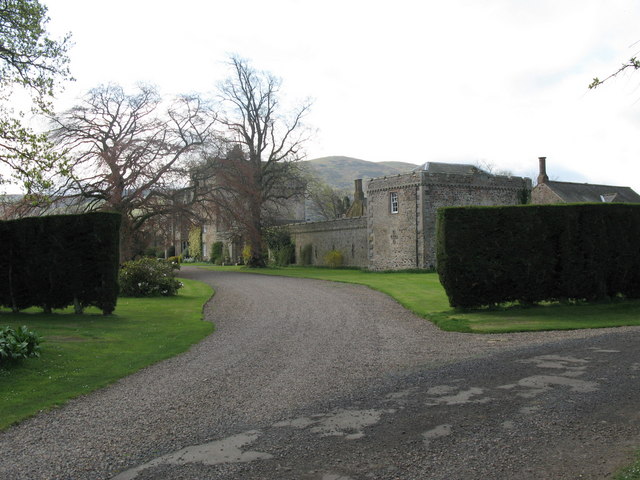
The castle's core features a three-story stone tower house, which was later heightened with an additional floor and battlements, forming a formidable keep. This tower was situated within a courtyard, originally protected by a wooden palisade and later by stone curtain walls. The remains of the curtain wall, gatehouse, and a southwestern tower are still visible today, outlining the castle's roughly rectangular plan.
Gatehouse and defensive structures
The impressive gatehouse remains a dominant feature of Etal Castle and served as a critical point of defense and control of access. The gatehouse's robust construction and defensive elements highlight the castle's role as a fortified residence and military stronghold. Archaeological evidence suggests that a northeastern tower once completed the castle's defenses, though this area remains unexcavated.
Historical significance and events
The Battle of Flodden and its impact
Etal Castle played a role in the events surrounding the Battle of Flodden on 9 September 1513, a pivotal conflict between England and Scotland. The battle was precipitated by King Henry VIII's campaign in France, prompting Scotland to invade England under the Auld Alliance. Scottish forces captured several English castles near the border, including Etal, before being decisively defeated by an English army led by the Earl of Surrey.
The battle resulted in a catastrophic loss for Scotland, including the death of King James IV and much of the Scottish nobility. The victory at Flodden solidified English dominance over the border region and shaped Anglo-Scottish relations for centuries. The exhibition housed in Etal's former Presbyterian chapel vividly portrays this conflict, displaying weapons, armor, and models that illustrate the armies and tactics of the early 16th century.
Later history and preservation
Following the decline of the Manners family's interest in Etal Castle by the late 15th century, the castle was largely abandoned as a noble residence in favor of estates elsewhere. It was left in the care of local custodians but suffered damage and neglect over the subsequent centuries. The castle fell to a large Scottish force in 1513 but was abandoned after the Battle of Flodden.
Throughout the 17th and 18th centuries, Etal Castle gradually fell into ruin, with parts of the structure repurposed or left to decay. The construction of Etal Manor in 1748 marked the definitive end of the castle as a principal residence. In the early 20th century, the Ford and Etal estates were acquired by the Joicey family, who undertook efforts to restore parts of the castle and revitalize the village.
Today, Etal Castle is managed by English Heritage and is open to the public. Visitors can explore the tower house interior, the gatehouse, and the remains of the curtain walls and towers. The castle offers panoramic views of the surrounding countryside and the village of Etal, providing insight into medieval life and border defense.
Visiting Etal Castle
The castle is accessible via a single road through the village of Etal, with parking available nearby. Admission is through the reception and exhibition housed in the former Presbyterian chapel, which provides a comprehensive introduction to the castle's history and the Battle of Flodden. The exhibition includes artifacts, detailed displays, and educational materials that enhance the visitor experience.
Visitors can enter the shell of the tower house to see the internal layout across three floors, including living quarters and defensive features. The gatehouse and southwestern tower remain partially intact, allowing exploration of their historic functions. The site is a valuable cultural heritage location that offers a tangible connection to England's medieval past and the complex history of the Anglo-Scottish border.
Frequently asked questions (FAQ)
- How do I get to Etal Castle?
- Etal Castle is located in the picturesque village of Etal in Northumberland, United Kingdom. You can reach the castle by car, with ample parking available nearby, or by public transport with local bus services connecting from major towns. The scenic countryside surrounding the castle also makes for a lovely walk if you're nearby.
- What is the historical significance of Etal Castle?
- Etal Castle, built in the 14th century, played a crucial role in the conflicts between England and Scotland during the medieval period. It served as a strategic stronghold for the English during the Wars of Scottish Independence. Today, it stands as a testament to the turbulent history of the border regions.
- When was Etal Castle built?
- Etal Castle was constructed in the late 14th century, with its foundation likely laid around 1341. The castle was built by the Umfraville family and has been preserved as a historical site, allowing visitors to glimpse medieval architecture and life. Its design reflects the military needs of its time, showcasing impressive defensive features.
- Can I visit Etal Castle year-round?
- Yes, Etal Castle is open to visitors throughout the year, although hours may vary by season. It's advisable to check the official website or local tourist information for the most current visiting hours and any seasonal events that may be taking place. Planning your visit during the warmer months can enhance your experience with pleasant weather.
- Why is the architecture of Etal Castle noteworthy?
- The architecture of Etal Castle is noteworthy for its well-preserved medieval structures, including a unique tower house and curtain walls. The castle's design incorporates defensive features typical of the period, such as arrow slits and thick stone walls. Visitors can appreciate the craftsmanship and strategic planning that went into its construction.
- Is it possible to access Etal Castle for individuals with disabilities?
- Etal Castle strives to be accessible to all visitors, with some areas designed to accommodate those with mobility challenges. However, due to the historical nature of the site, certain sections may have limitations. It is recommended to check in advance for specific accessibility options and assistance that may be available during your visit.
- What are the ticket prices for Etal Castle?
- Ticket prices for Etal Castle are generally affordable, with discounts often available for children, seniors, and families. Prices can vary based on special events or exhibitions, so it’s best to consult the official website for the latest information. Purchasing tickets in advance online can also help you secure better deals.
- What is the best time to visit Etal Castle?
- The best time to visit Etal Castle is during the late spring and summer months when the weather is mild and the gardens are in full bloom. This period also sees various events and activities that enhance the visitor experience. However, autumn offers stunning foliage and fewer crowds, providing a different yet equally enchanting atmosphere.
- What nearby attractions can I explore while visiting Etal Castle?
- While visiting Etal Castle, you can explore the nearby Etal Village, known for its charming architecture and local shops. Additionally, the picturesque Heatherslaw Light Railway and the stunning Ford and Etal Estates are just a short distance away, offering beautiful landscapes and outdoor activities. These attractions make for a delightful day trip in the Northumberland countryside.
Information
Loading map...
Visitor reviews
No reviews yet. Been here? Write the first review and help other travelers!
Write the first reviewVisited this castle? Share your experience
Your review helps other travelers and adds first-hand knowledge to our encyclopedia.