Coupland Castle
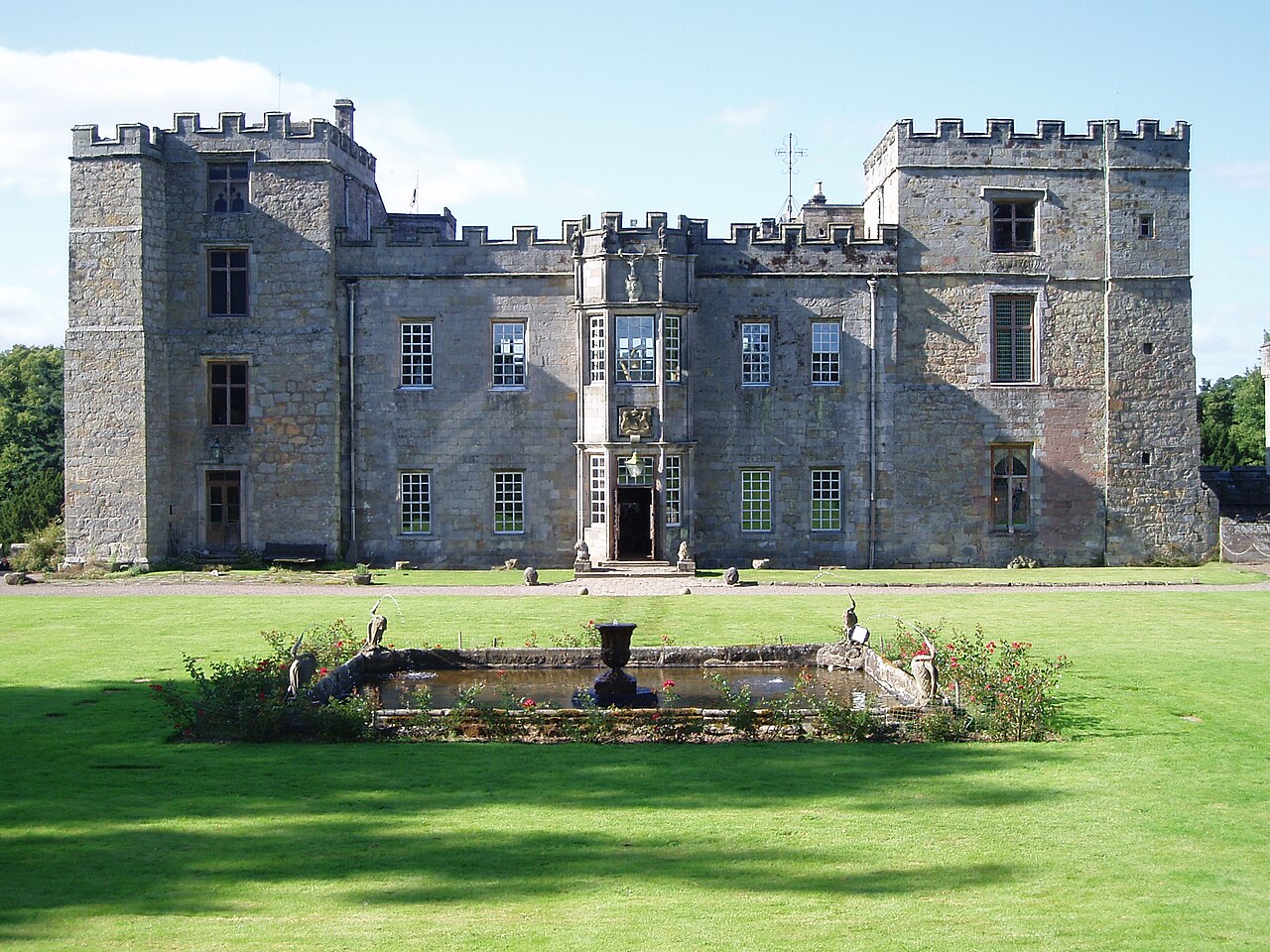
Coupland Castle is a notable example of a 16th-century tower house located in the village of Coupland, approximately 4 miles northwest of Wooler in Northumberland, England. This Grade I listed building reflects the architectural and defensive needs of the Scottish Borders region during the late Renaissance period, a time marked by frequent border conflicts and raids.
Historical context and location
Situated on a hilltop overlooking the surrounding countryside, Coupland Castle was strategically placed to monitor movement along key routes in the borderlands. The castle's location in Northumberland, near the Anglo-Scottish border, was significant during the turbulent 16th century, when fortified homes were essential for protection against cross-border raids and feuds.
Architectural features and construction
The castle primarily consists of a tower house built shortly after 1584. Tower houses were a common form of fortified residence in the border regions, combining domestic living quarters with defensive features. The original structure is characterized by its vertical emphasis, thick stone walls, and narrow windows designed for defense.
Later modifications
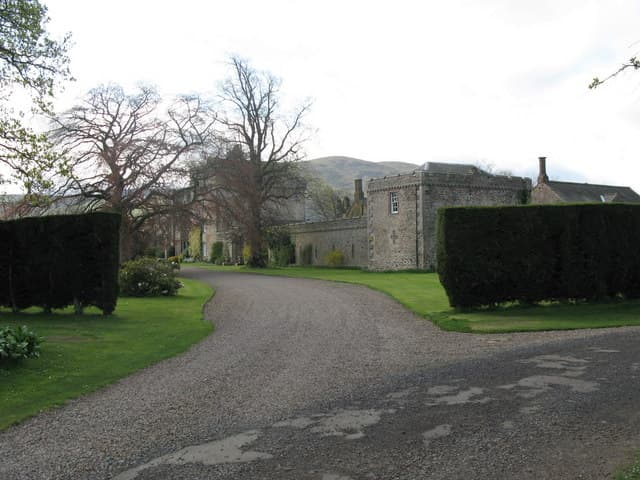
Subsequent irregular additions expanded the castle beyond its original tower form, adapting it for changing residential needs and possibly reflecting shifts in the political climate that reduced the immediate threat of attack. These additions include extensions to the main building and ancillary structures, though the core tower remains the dominant feature.
Defensive elements and layout
While not a large fortress, Coupland Castle's defensive design includes features typical of border tower houses: battlemented parapets, narrow slit windows for archers or early firearms, and a strong entrance likely protected by a heavy door and possibly a yett (iron gate). The elevated position provided natural defense and visibility.
Preservation and current status
Today, Coupland Castle is well preserved as a historic monument. Its designation as a Grade I listed building recognizes its architectural and historic significance. The castle remains a valuable example of late Renaissance military domestic architecture in northern England.
Significance in architectural history
Coupland Castle illustrates the transition in castle design during the Renaissance period in England, where fortified residences began to incorporate more comfortable living spaces while retaining defensive features. It reflects the unique conditions of the Anglo-Scottish border during a time of frequent conflict and social change.
Visiting Coupland Castle
While the castle is a private property and not generally open to the public, its exterior can be viewed from nearby public paths. The surrounding Northumberland countryside offers a rich context for understanding the strategic importance of such fortified homes.
Frequently asked questions
- When was Coupland Castle built? Coupland Castle was constructed shortly after 1584, during the late Renaissance period.
- What type of castle is Coupland Castle? It is a hill castle in the form of a fortified tower house typical of the Anglo-Scottish border region.
- Is Coupland Castle open to visitors? The castle is privately owned and not generally open to the public, but it can be viewed from nearby public areas.
- What architectural style does Coupland Castle represent? It represents Renaissance-era fortified domestic architecture with later additions.
- Why is Coupland Castle historically significant? The castle exemplifies border defensive architecture from the turbulent 16th century and is a well-preserved Grade I listed building.
Frequently asked questions (FAQ)
- When was Coupland Castle built?
- Coupland Castle was constructed shortly after 1584, during the late Renaissance period.
- What type of castle is Coupland Castle?
- It is a hill castle in the form of a fortified tower house typical of the Anglo-Scottish border region.
- Is Coupland Castle open to visitors?
- The castle is privately owned and not generally open to the public, but it can be viewed from nearby public areas.
- What architectural style does Coupland Castle represent?
- It represents Renaissance-era fortified domestic architecture with later additions.
- Why is Coupland Castle historically significant?
- The castle exemplifies border defensive architecture from the turbulent 16th century and is a well-preserved Grade I listed building.
Photo gallery

Information
Loading map...
Visitor reviews
No reviews yet. Been here? Write the first review and help other travelers!
Write the first reviewVisited this castle? Share your experience
Your review helps other travelers and adds first-hand knowledge to our encyclopedia.